
The US Sailing National Wingfoiling Championship Returns to San Francisco Bay in July
There are so many ways to sail, and San Francisco has it all. Last weekend saw 100-year-old boats racing in the Master Mariners Regatta, and coming up this summer is St. Francis Yacht Club’s F4 Foils Summer Wingding, happening July 30 through August 2. The event is co-hosted by the St. Francis Yacht Club (StFYC) and US Sailing, and is the third national wingfoiling championship hosted here on the Bay.
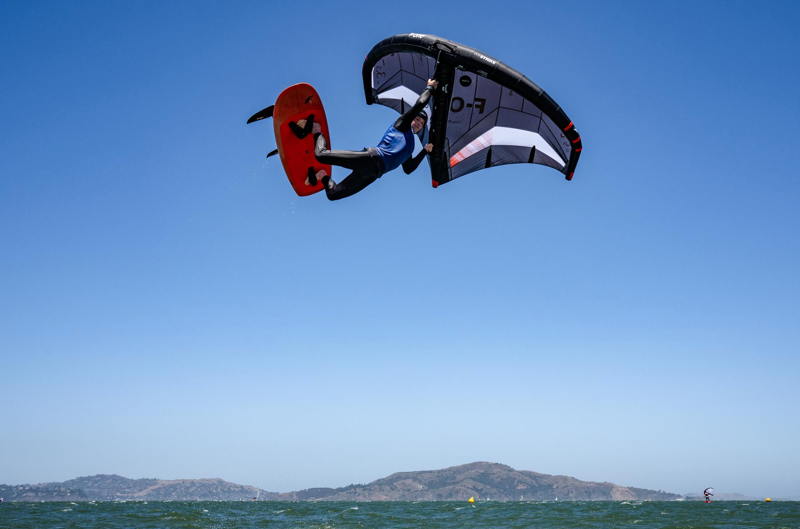
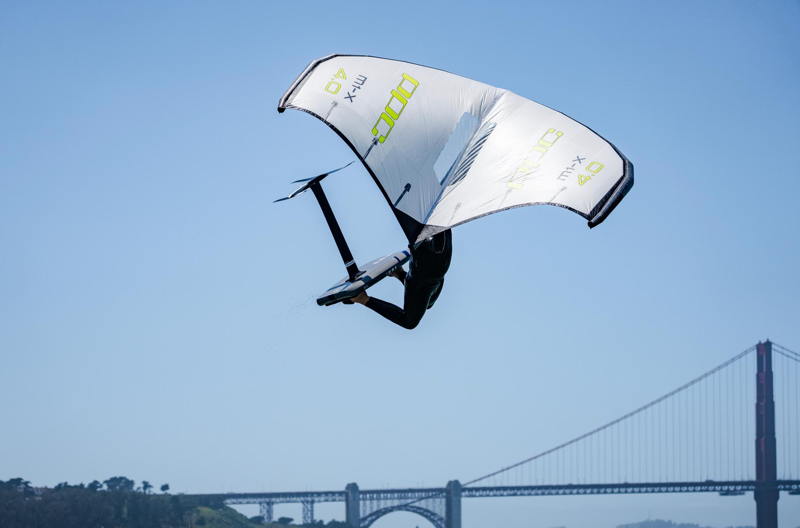
The action all happens off Crissy Field, where San Francisco kiteboarders became world leaders before leaping up onto foils, which then led to the advent of wingfoiling. One of the great things about the Crissy Field foiling world is the energy that congregates on the beach as foilers assemble their rigs or rest from their blitzes across the Bay. The beach feels like the base of a ski mountain where skiers are high-fiving after a run or just gathering to hang out after a great day on the slopes. It’s fun.
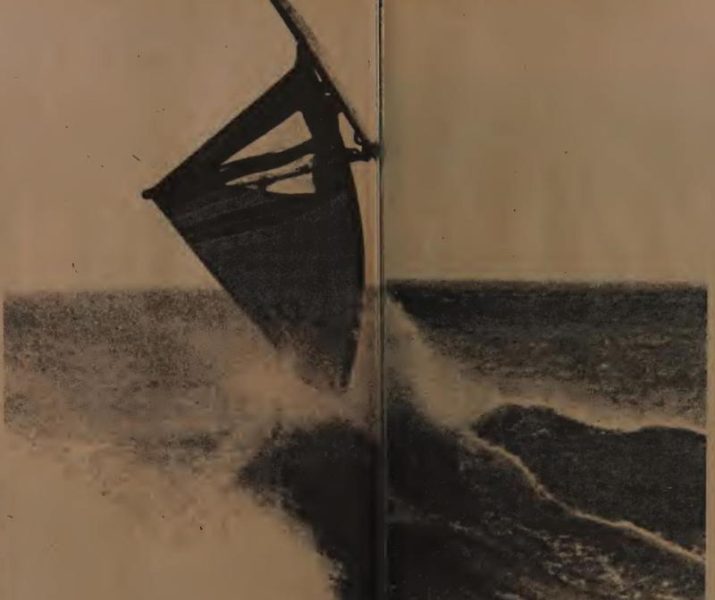
It’s hard to say when the roots of these West Coast sailing pioneers took hold, but Hoyle Schweitzer’s creation of the Windsurfer was a significant milestone on the way to the tremendous boom in wingfoiling. It all comes from creative minds and great winds. As we wrote in the August 1983 issue (sorry for the hard-to-read scans) about the Windsurfing National Championship held on the Bay, “Word is getting out that, if you want wind, San Francisco Bay is the place to go.”
“This will be the third consecutive year that we have hosted this event, and that consistency shows that St. Francis Yacht Club and its dedicated volunteer team are playing a leading role in the development of wingfoiling in the United States,” said StFYC race director Felix Weidling. In addition to world-class events that draw top talent, the club hosts weekly wingfoil races throughout the summer and offers wingfoil classes as part of its junior sailing program.
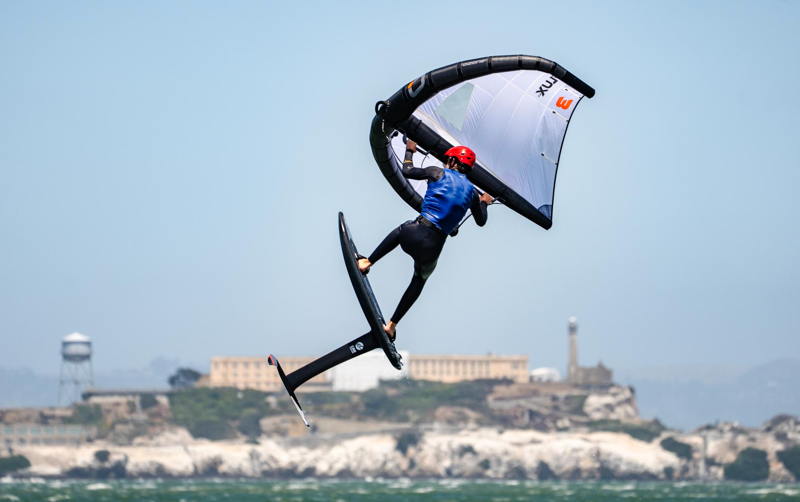
The weekend championship event will include multiple races daily plus one long-distance competition, the S.F. Bay Challenge on August 1. This event is open to kiteboards, parawings and windsurfers in addition to wingfoil competitors. More than just a competition, the wingfoil championship is but one element of a weekend-long festival of foiling for participants, family and friends. The Thursday before competition will feature a foiling demo, such as parawing or freestyle, and throughout the weekend event sponsors and board sport companies will have gear and demo opportunities available on Crissy Beach. Non-competitive foilers who may not be gunning for the podium are encouraged to register and participate.
For wind-seeking, thrill-seeking foilers and boarders it should be a fantastic event to test their skills and for everyone to see who rises to the top of the wingfoiling national championship.
Richmond Yacht Club Hosts ILCA Masters Pacific Coast Championships
As always, Richmond Yacht Club was a fantastic host for the 2026 ILCA Masters Pacific Coast Championship [held May 23–24], where the winners receive the Don Trask Perpetual Trophy. As the second-place finisher, I am designated to let you know what happened (a District 24 tradition) in my fleet, the ILCA 6s.
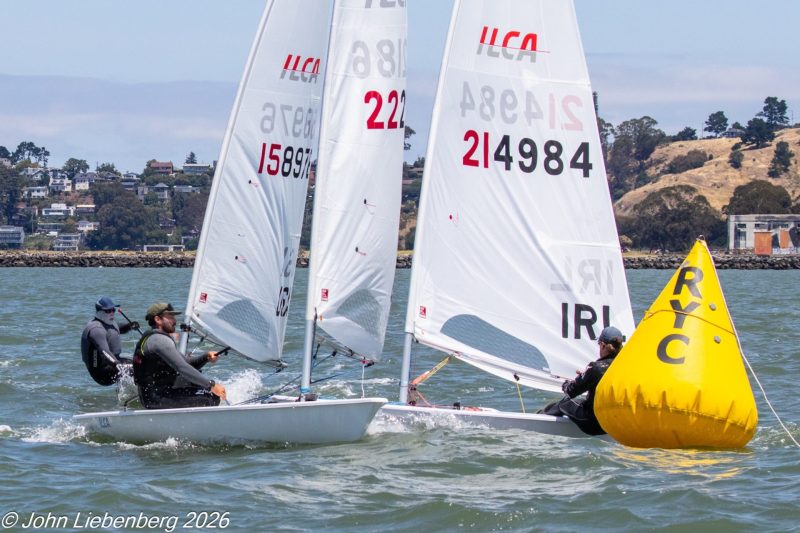
The forecast for Saturday was light winds in the morning, increasing to the teens in the afternoon … oops. When we got to the club, the westerly was already in full force. Some decided not to go out, some came limping in with issues, and I didn’t even get out of the breakwater before my boom vang tang blew apart. This was the first time this had happened to me in over 50 years of Laser sailing.
On the racecourse, the ILCA 6s got off to a clean start, and it was immediately apparent who was going to take control as David LaPier (Great Grandmaster, aka GGM) dominated this race from start to finish for a well-deserved victory. Alan Sun (Master) and Charles Thomas (GGM) were second and third. And just to prove it was no fluke, the second race ended the same way. The winds were in the low to mid-20s, with readings as high as 28 knots [ed: actually, it bumped up to 30 knots]. The RC gave the sailors a choice between sailing a third race and taking hot showers, so we headed for the bar.
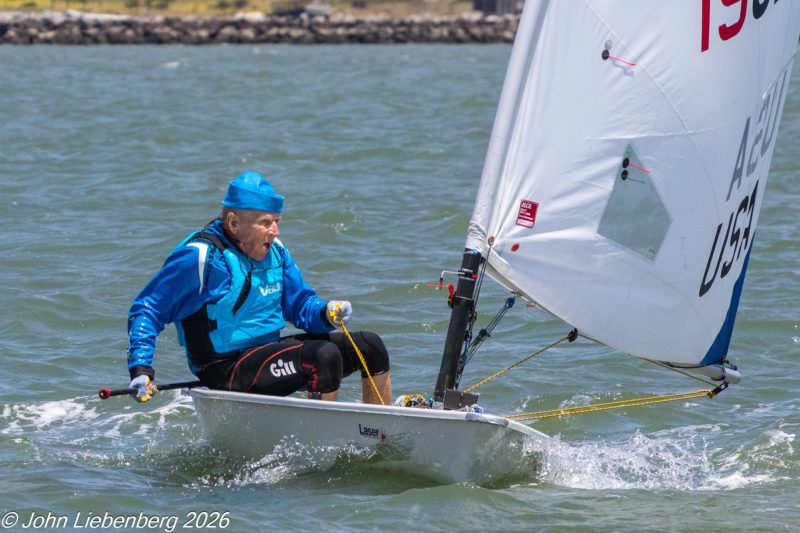
Sunday’s forecast was for more wind than on Saturday, but just to prove who’s in charge, we went out in a nice 12–14-knot breeze for the noon start, expecting more breeze in the afternoon, but were pleasantly surprised when the great-sailing, moderate breeze held up for the entire day.
The RC got off four great races, hardly having us wait at all. David, Alan and Chris Boome (Legend) battled the whole day, trading places one through three pretty evenly. At the end of the day, Boome had 7 points, and David and Alan each had 8, including David’s having to restart the next-to-last race. The restart must have gotten David pumped, because he ended the day as he had started, with another bullet.
One of the most consistent sailors was Charles Thomas (GGM), who finished every race, sailed consistently, and tied for third place with Alan Sun. After the Masters handicap was applied, Charles came out on top because, in the Masters scoring, a tie goes to the Geezer.
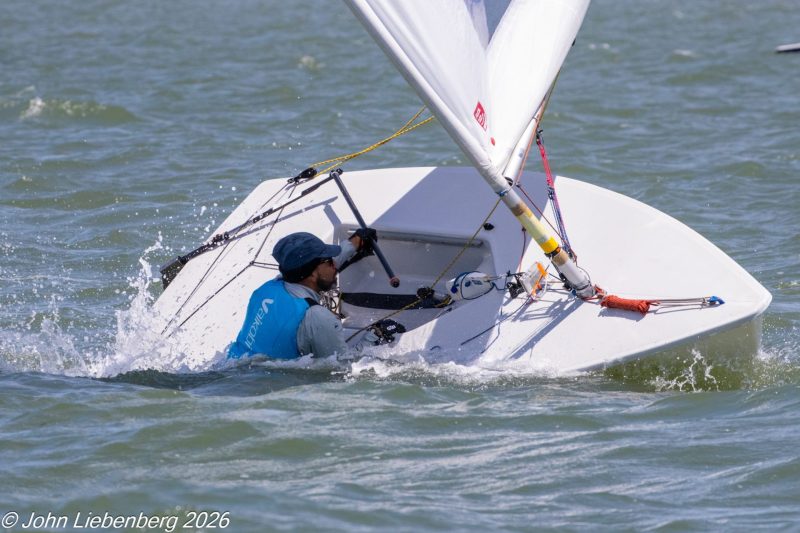
Another sailor who stood out and got better and better throughout the series was Jenny Maybee (Apprentice). She was fourth in the last two races, and was especially up close to the leaders in the last race. So guys, watch out: Jenny is coming after us, and there is no maybe about that!
We missed having the West Coast rock stars, who were off to Greece getting ready for the ILCA 6 Masters World Championship early next month, but good luck to Toshi, Jon Andron, Walt Spevak, Bill Symes and Chris Raab (winner of the first year of the Don Trask Perpetual trophy in 2004).
The Richmond YC was a great host, and the Laser camaraderie is alive and well in California, largely thanks to Emilio’s hard work, hospitality and generosity with the fine wines from his family winery, Castelli Vineyards.
Thanks to all the hard-working people at RYC who made this a great weekend and a fitting tribute to Don Trask.
Now Available: Charters in La Paz with The Moorings
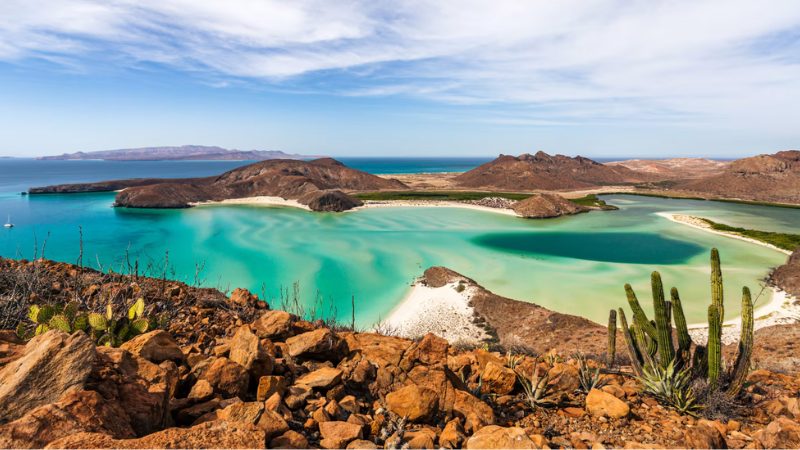
The Moorings base in La Paz, Mexico is now officially open, and the first charters are out on the water. A mixed fleet of award-winning sail and power catamarans is available for guests to explore the Sea of Cortez, also known as “The World’s Aquarium”. Learn more.
A Blue Moon Leads Us to Summer in the Delta
The summer sailing season is really here, and this weekend is helping it get off to a good start with a blue moon this Sunday, the last day of May. We’re then fully launched into June and the summer sailing months. People will be racing up to the Delta in the Delta Ditch Run on June 13, and some will stay to cruise. Others won’t race to the Delta but will cruise to the Delta. What are your summer cruising plans?
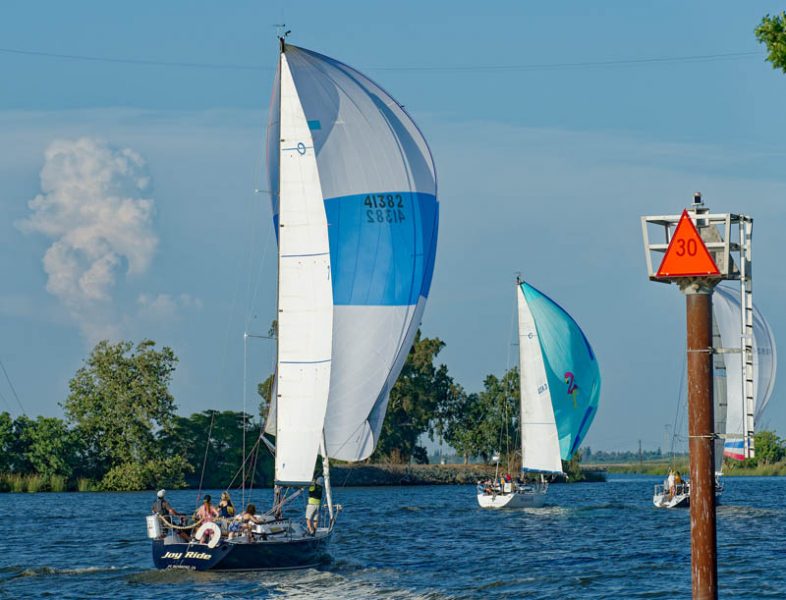
If you sometimes want to escape the chill of summer on the Bay, you can find a way to chill in the warmth of the Delta when you sail just a few miles upstream. There are lots of places to tuck in for the night or for a week.
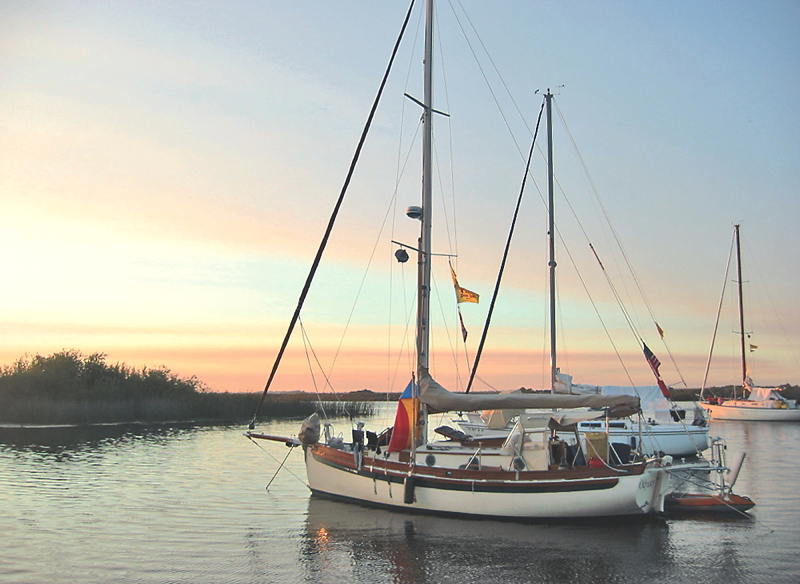
You can explore more of the Delta before you go by exploring our Delta page.
Stargazing at Sea — A “Moving” Experience
Jack Edgerton sent us this fun little tale about stargazing on the Pacific from the decks of his 1967 Cal 34 Maybe Tuesday after last year’s cruise south with the 31st Baja Ha-Ha. It appears to have been quite the “moving” experience.
After reading Latitude 38 for years and dreaming about sailing south and doing the Ha-Ha, I finally got the encouragement I needed from my kids and my wife. I did the 2025 Baja Ha-Ha with my son and his friend. Of course it was fantastic, exciting, unnerving, with a dose of science nonfiction.
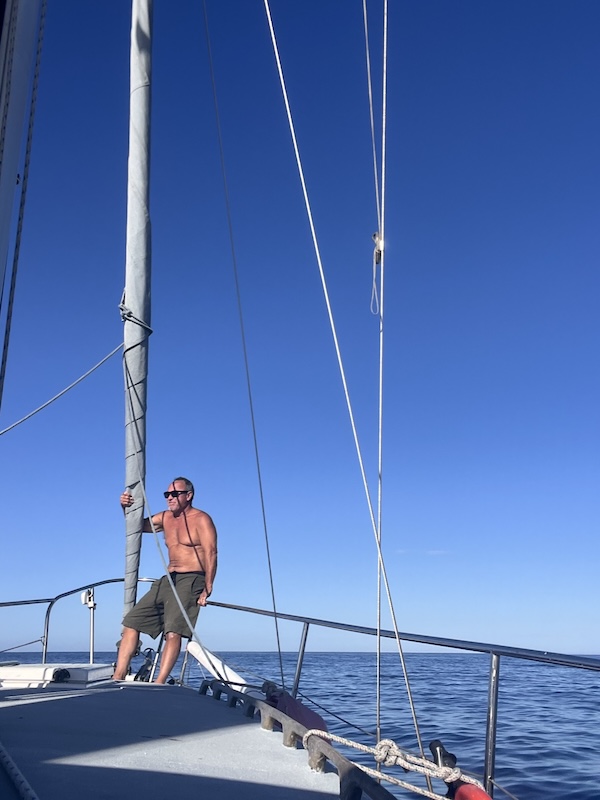
We had great sailing: moderate winds, wing on wing, the ASO was up a couple times, the symmetrical spinnaker was our go-to sail and just the main only with 30-knot tailwinds behind Cedros. We hit 10 knots in the old Cal 34 and towed the dinghy the whole way. The stops in Turtle Bay and Bahia Santa Maria were just as they’ve been described in all those letters I’ve read over the years. It was lots of fun: great people and an amazing adventure.
Once in Cabo, my son and his friend had to leave. I was on my own without a real plan other than I was going to La Paz. A one-day run to Frailes, another day to Muertos, and then another day and I was anchored off the Mogote in La Paz. I rowed my dinghy in at slack tide and then waited for slack tide to row back out. It wasn’t very convenient, so I thought I would go to Puerto Escondido, leave the boat there, and come back some other time and take her back to San Pedro.
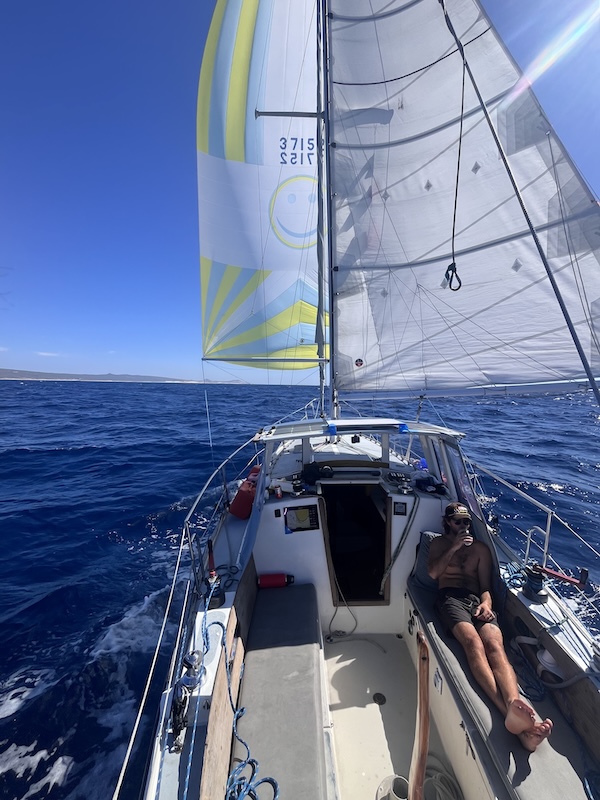
Well, Thanksgiving rolled around and I made the decision to just go home. A day to Muertos and another to Frailes, then finally Cabo. I left Cabo November 30, about daybreak, and got only a few miles before I tucked in a double reef and rolled the headsail up to a sliver. I had this crazy idea I would sail all the way to San Pedro since I didn’t have enough fuel.
After sailing south of due west for 40 miles, I tacked back toward shore — at least now I was making northerly progress. The wind subsided, engine came on, I was being lifted toward Mag Bay [Magdalena Bay]. The timer was set; 30-minute sleep cycles were all I got, and after about 40 hours I was pretty delirious and slowing the boat down to time entering Mag Bay with the sunrise. So this is the science nonfiction part. First, I have to say on the way down in Turtle Bay, while shopping in a tienda, a fellow sailor asked if we had seen the stars that moved. I asked if he had been drinking. He said no … and that was that. I didn’t question him on it. I wasn’t going to ever bring this up, but with all the talk in the news about UFOs, why not?
It was about 4 a.m. December 2; the night sky was truly amazing. The stars were bright with only occasional wispy clouds, and as I looked up, I saw stars that moved. Several stars moved but I only noticed one at a time, perhaps because my focus was on just one at a time. They would move in random directions, up down, sideways. After each move they would stop and be motionless. Sometimes they would appear to fade away then come back, but they would stop and blend into the rest of the night sky. Did anybody else see these “stars?”
OK, that’s it. That’s my story and I’m sticking to it. The rest of my trip? I had a perfect weather window, powered 98 percent of the way, wind above 15 on the nose for maybe six hours. Got to San Diego December 13. Stopped at Mag Bay, San Juanico, Hipolito, Asuncion, Turtle Bay, San Quintin, Colnett. The trip up was as good as the trip down.
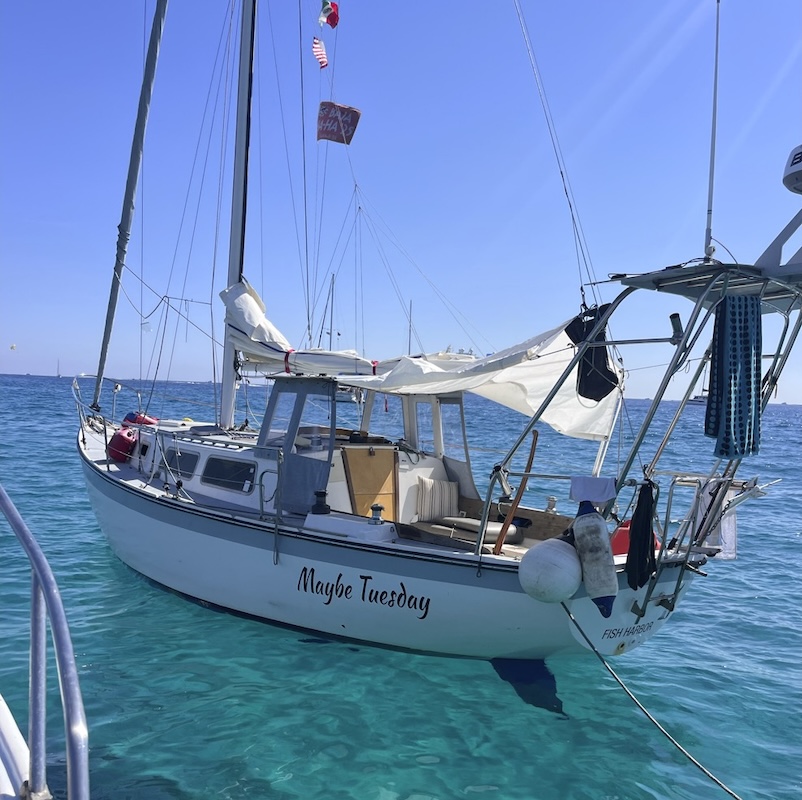
After around 28 years sailing Maybe Tuesday, Jack says his experience of the Ha-Ha was “an incredible adventure thanks to the Poobah and all the folks behind the scenes who put it all together.”
Want to find out for yourself what it’s like to do the cruisers’ rally to Mexico? Sign up here for Baja Ha-Ha XXXII.
USCG ‘Eagle’ As Seen Through the Ages
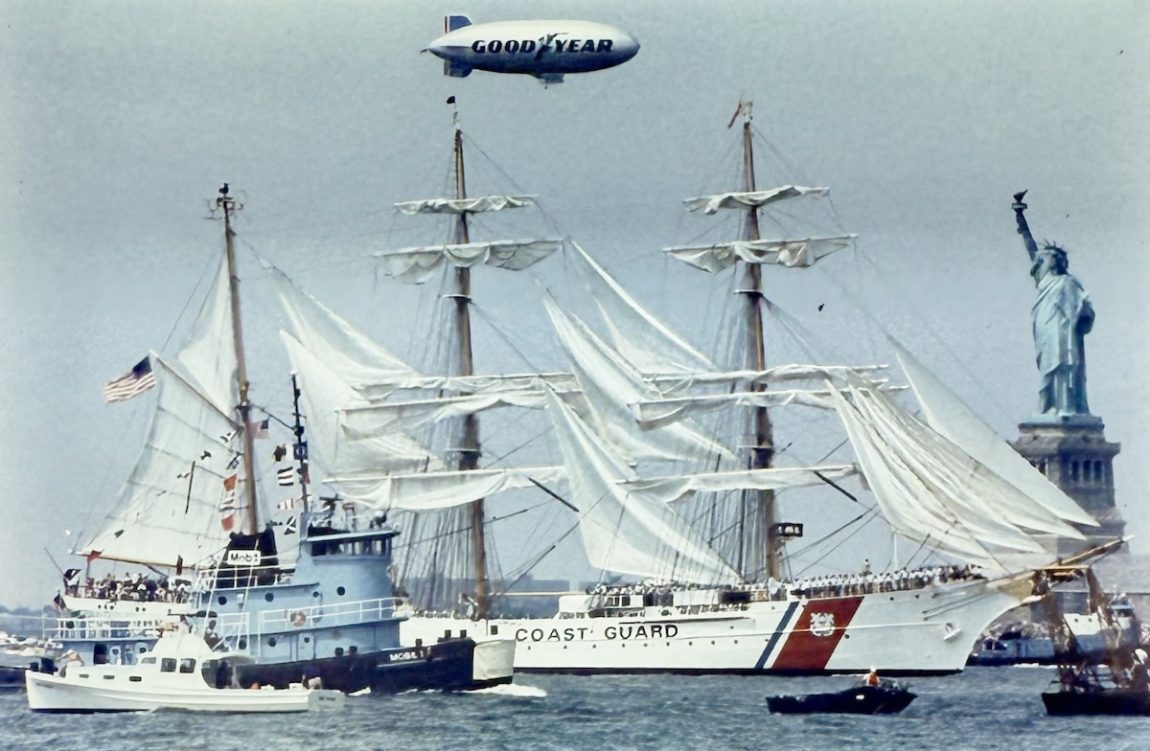
Have you ever wondered about life aboard a tall ship, not just for a short time, but across the years as the ship sails the oceans decade after decade? California sailor Will Sofrin has created a picture of life aboard the USCGC Eagle as seen through the eyes of the young men and women whose lives have been altered as they worked their way through USCG officer training aboard this 295-ft, three-masted barque.
Sofrin’s book USCGC Eagle: The Legacy of America’s Tall Ship not only shares the experiences of modern-day cadets, but also incorporates the experiences of generations of Eagle’s officers and crew across her 80 years of service. Each chapter in Sofrin’s tale captures a different decade of the ship’s life, beginning with her post-World War II delivery to America in 1946.
Built in Blohm & Voss Shipyard in Hamburg, Germany, in 1936, and commissioned as Horst Wessel, the barque was one of three sail-training ships operated by the German navy prior to World War II. After the war, Horst Wessel was taken by the US as reparation, sailed to New London, Connecticut, and recommissioned as the USCG Cutter Eagle.
The voyage across the Atlantic was nothing short of dramatic. Under her first American commander, Gordon McGowan, the ship sailed with members of her former German crew and was nearly lost in a hurricane just 24 hours out of New York.
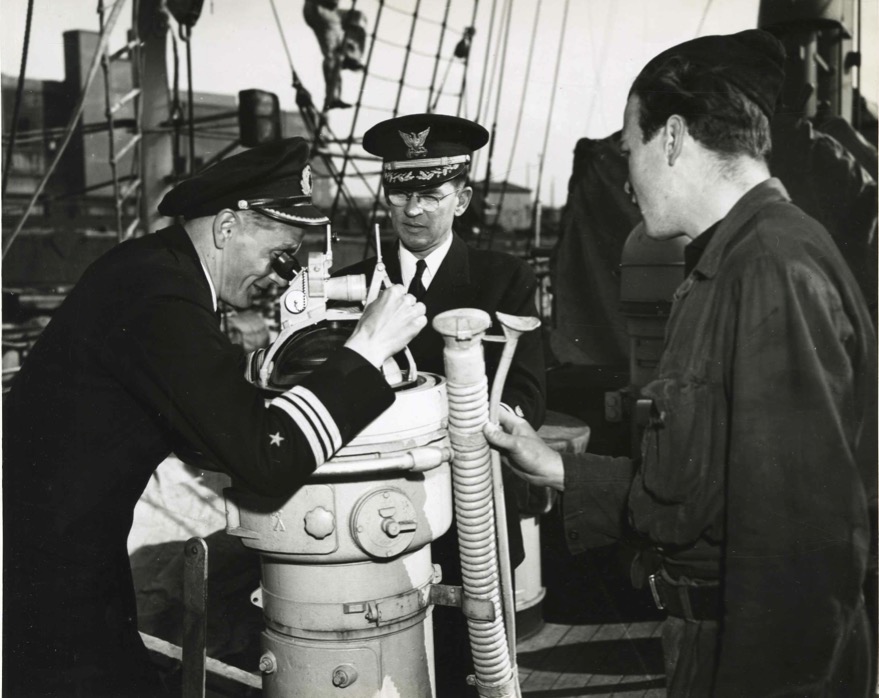
The following excerpt from Sofrin’s book describes McGowan’s meeting of the ship:
“Stepping on board for the first time, Commander McGowan received a crisp hand salute and full military honors. Awaiting him was the former German captain, Kapitänleutnant Barthold Schnibbe, a tall, thin, 35-year-old officer with a deep voice and a strong command of English. His crew respectfully called him ‘Herr Ka-Leut,’ a shortened form of ‘Kapitänleutnant.’ McGowan’s gaze swept forward and then aft, taking in the barren teak deck. The wooden planks were worn and splintered, etched with scars where countless sailors had once trod.
“Once gleaming with care, the rails and brass fittings were mottled with the coarse texture of corrosion. Amidships, jagged stumps of broken bolts and splintered wood marked the former positions of two quad anti-aircraft guns, silent witnesses to the barque’s wartime role and the passage of years. The rigging was sparse, with a few strands of frayed wire swaying like forgotten cobwebs in the wind. Blocks hung idle, their metal fittings pitted from salt and neglect. Stripped of its glory, the barque was a shadow of its former self, its grandeur replaced with quiet, somber dignity.”
- Cruising
- Events
- Sponsored Post
- Maritime History
- Heading South
- Community Sailing
- Environmental News
- Safety
- Hurricanes
- General Sailing
- West Coast Sailing
- Racing
- Commentary
Like What You Read in Latitude? Help Us Share More!