

Baja Ha-Ha 2026 Cruises Into Turtle Bay
After Monday’s idyllic start from San Diego, the 2026 Baja Ha-Ha fleet cruised south in warm, light air with fresher breezes arriving as they approached Turtle Bay.
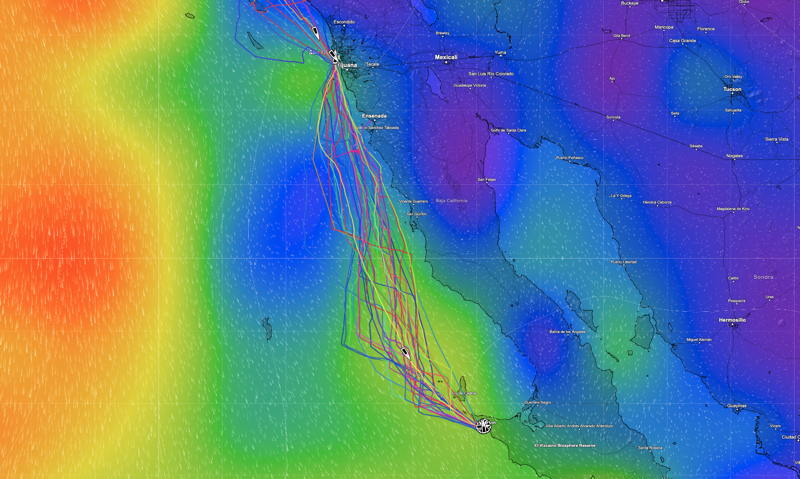
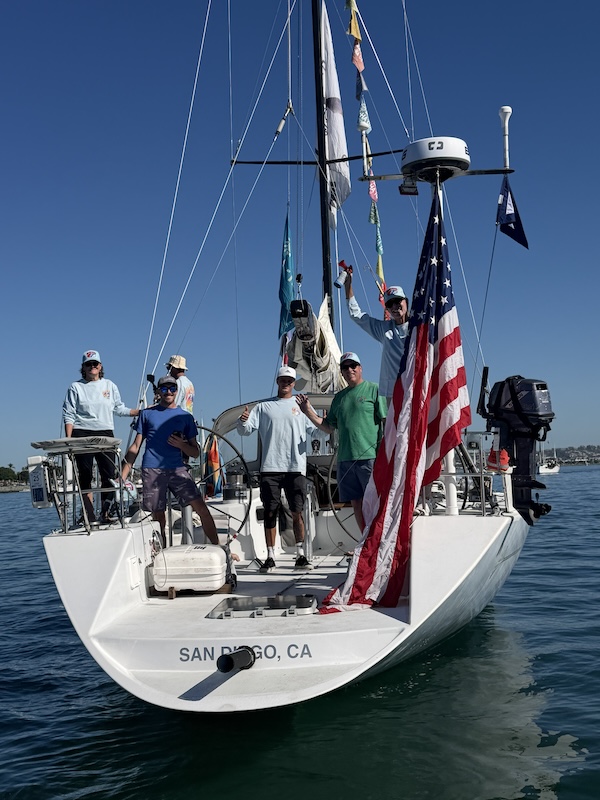
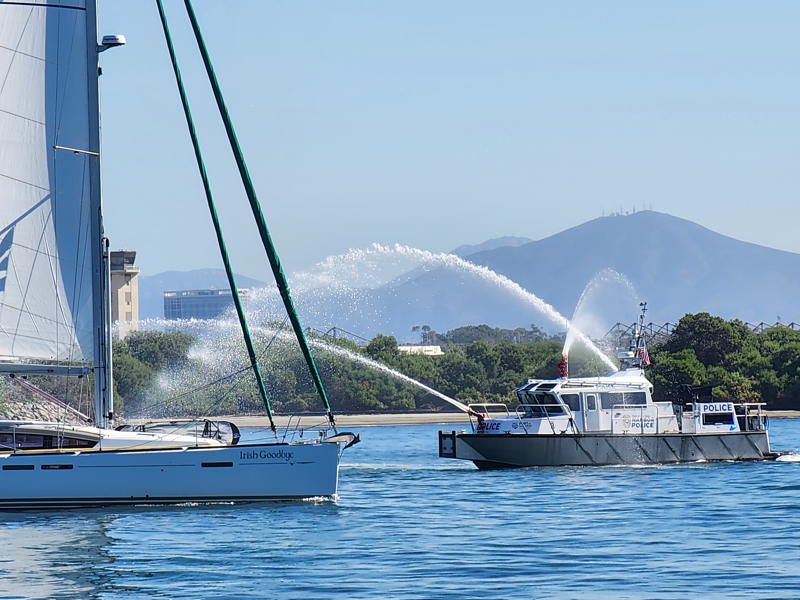
The Grand Poobah, Ullman Sails’ Chuck Skewes, reeled off the roll call for the Monday-morning fleet as they headed out past Point Loma and pointed their boats south.
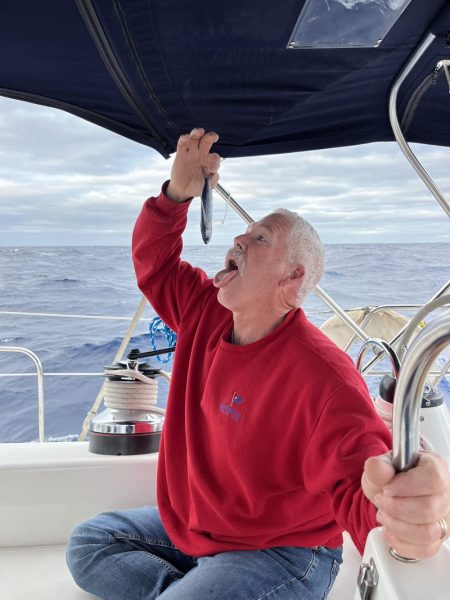
Fresh fish has always been a big part of the Ha-Ha, and David Smith of the Catalina 470 Comet sailing out of San Diego shows why. “I’ve never found so many little flying fish on deck in the mornings as I have on this trip!” Doug said. “They go great with coffee!” Most of the Ha-Ha fleet are after bigger catches, but cruisers know how to make the best of what the sea dishes out.
The skies have cleared for the Ha-Ha and the fleet is enjoying a smooth run south.
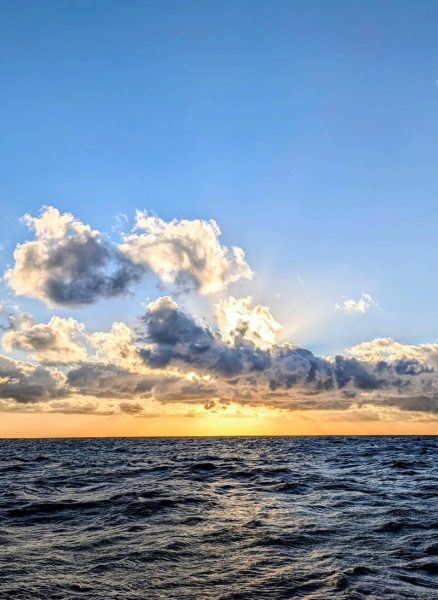
Mark LaFevers of the Oxnard-based Jeanneau 45 Silver Linings sent a dispatch from the sea.
“Sailing was iffy initially under a rolling start, but filled in to some excellent light-air sailing Monday, followed by sporty seas and higher winds Tuesday/Wednesday. Many people reporting in on Turtle Bay radio net commented best sailing leg ever of all previous Ha-Ha’s.”
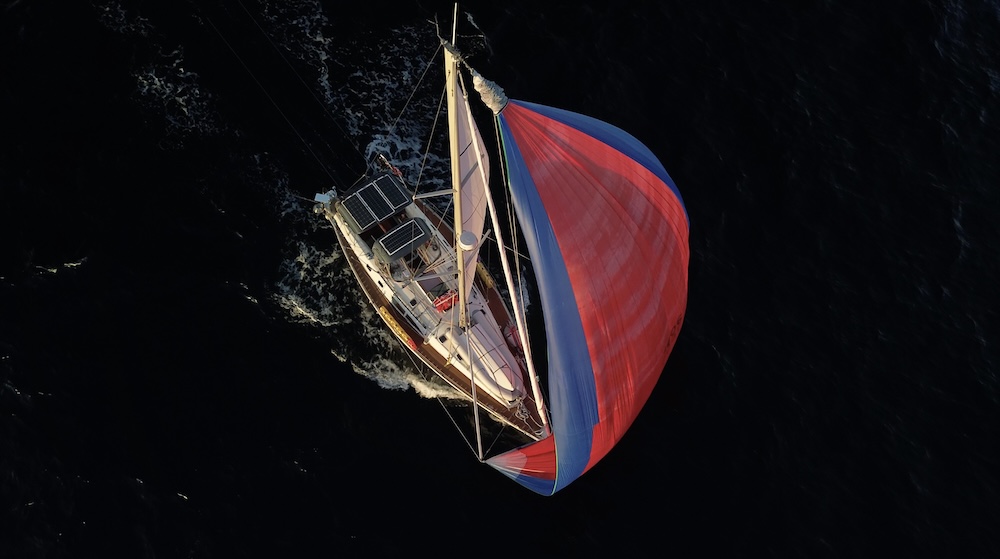
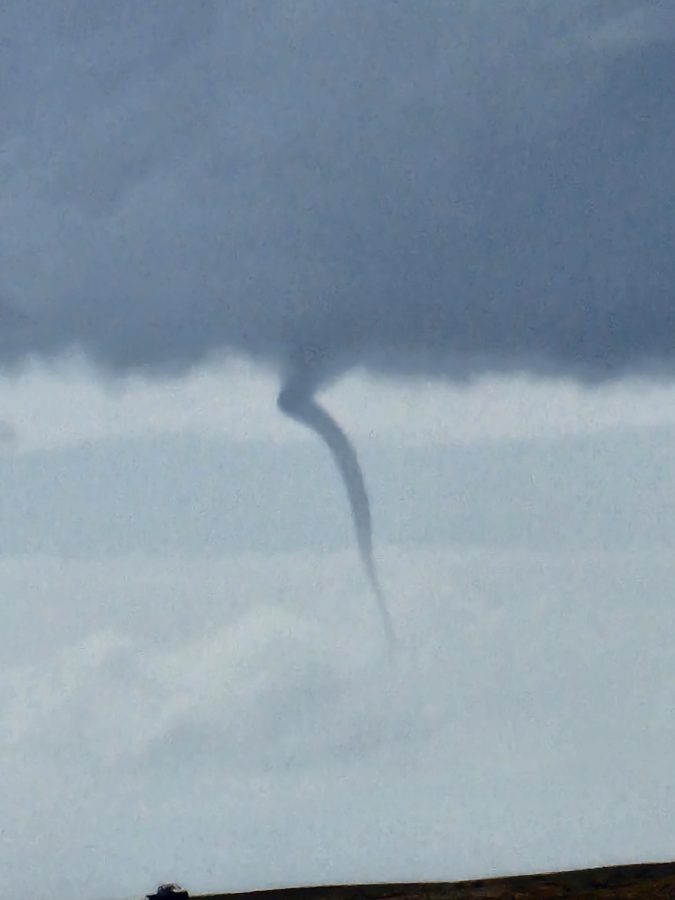
Despite its being the “best sailing leg ever,” the sail to Turtle Bay did have some issues among the fleet: “an autopilot that could not keep up with 19–20-knot boat speeds in the mighty 73-ft Velos;” And then there was the waterspout passing over the entrance to Turtle Bay, which Mark says was “too high for Whisper’s Echo or Tropicale to launch mixed-drink monkeys with their colored parasols up and over to Kansas.”
Silver Linings was not exempt. “Our major issues included Jack wishing for his squid goggles as he got smacked in the face by the slimy night raiders. His later complaint was “way too much dolphin traffic inside Turtle Bay to be able to wing-foil without risking hurting them.”
But of course there has been some excellent sailing. Mark tells us that the changing conditions allowed them to deploy a variety of sails “for a great downwind experience.”
“A spinnaker too big for the boat in light air Monday into Monday night: switching to a smaller spinnaker for higher winds Tuesday that we eventually blew up at 9 p.m. but really enjoyed its easy control: white sails wing-on-wing after that straight down the rhumb line, with a little helm-edging to avoid the heaviest of the following seas.”
And there have been lots of fish caught — bigger than Comet’s flying fish with reportedly “overloads” of giant wahoo. (You can see more of Mark’s previous Ha-Ha experiences in Latitude 38‘s September issue.)
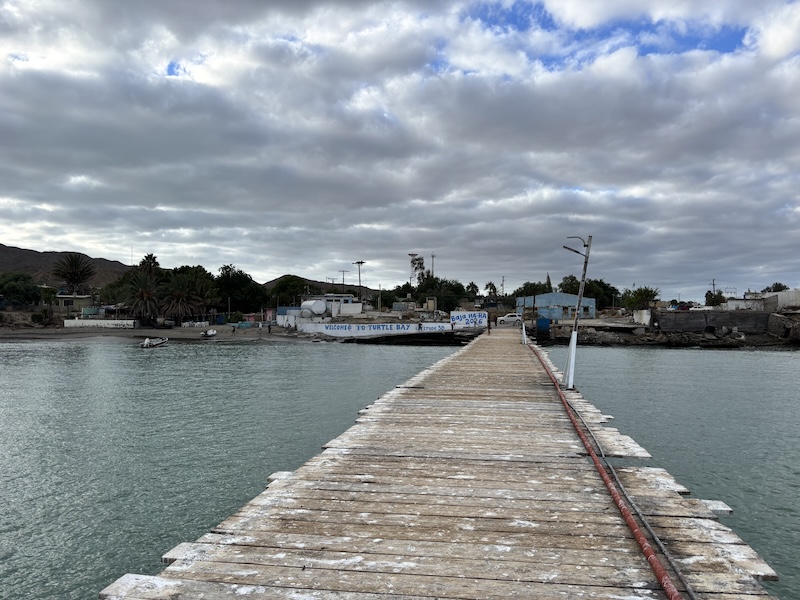
This is the scene that greeted the Ha-Ha Mother Ship Velos in Turtle Bay. It won’t look empty once the fleet arrives.
Overall, it’s been a good start to the 32nd Baja Ha-Ha. The fleet is moving along nicely with just a few mechanical issues, and no medical emergencies. We hope that latter trend continues.
‘Tonopah Low’ Wins SCYC Mix and Match (aka Jack and Jill)
I grew up in Santa Cruz as a “son of a sailor,” actually the son of two sailors. My folks’ annual sailing highlight was the yearly Jack and Jill race at the Santa Cruz Yacht Club. Bobbo and Janey raced on many boats, but the 1981 Moore 24 Tonopah Low was their favorite.
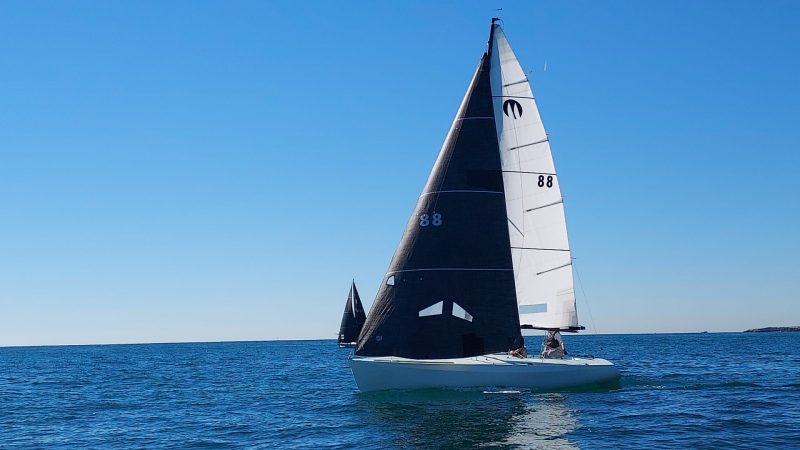
Years later, my friend and neighbor Chris “Biff” Watts won the race so many times they renamed it the Biff and Trixie Regatta for the Moore 24s.
Over the past year I have done some major renovations to Tonopah Low with the help of the team at Elkhorn Composites (Craig and Patrick), Buzz Ballenger at the mast shop, and Larry Tuttle at Waterat Sailing Equipment, three of the last boat shops in Santa Cruz that are still pouring resin and making old and new boats go fast.
Anyway, I digress.… My longtime friend and past 470-tuning partner Pam Healy (2027 StFYC commodore) and I came together on a beautiful autumn weekend in Santa Cruz for this year’s Jack and Jill event. There were a handful of other competitive Moores out enjoying a nice day on the water. After a short wind delay, the SCYC regatta team got us rolling with a Mile Buoy/Black Point twice-around course in the 8-knot SW wind. Pam, first time on a Moore 24, won the pin end as we sailed offshore with four other Moores on our right side. They say, “Always go right,” in Santa Cruz, and well, we didn’t and rounded Mile Buoy in last place.
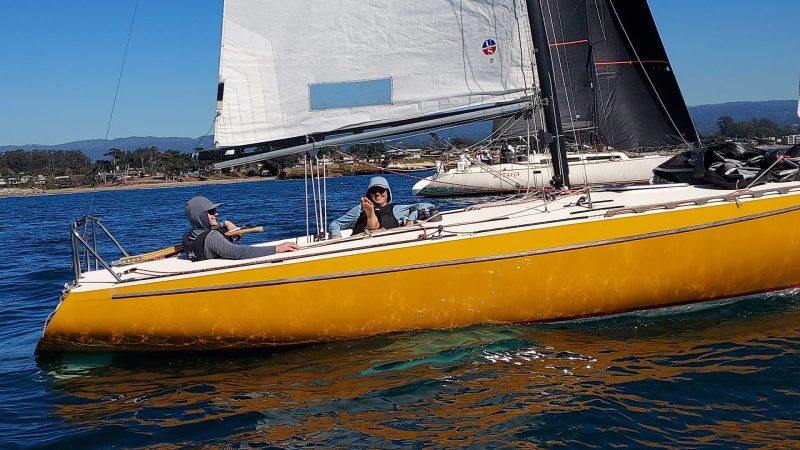
Pam suggested a quick jibe (nothing was too quick with me on the bow), but we managed to jibe back toward the building breeze and get the jib down without incident. Her tactic paid handsomely as we slowly snuck past the other Moores battling for wind below us. I begged for an early drop so I had time to tuck the kite away, as any rookie bowman would do.
We lost our lead with the conservative approach, but then stretched our legs as the building westerly filled in. This time we led at Mile Buoy, which means you’re the first to scare the sea lions as you pass by. This time we completed a jibe set in the building 15-knot west wind and had a nice slide down to the finish. Winning the Jack and Jill is no easy task, and the trophy is quite a reward! Thank you, Pam, for slumming it in Santa Cruz! I think she liked SCYC bartender KC’s “Biffarita” and I know she will be back.
You can find the full scores to the SCYC Mix and Match here.
*Check out Latitude’s Good Jibes podcast with Pam Healy on “Giving Back to Women Sailors.”
Modern Sailing Now at Clipper Yacht Harbor
The Resourceful Sailor Mends a Shroud
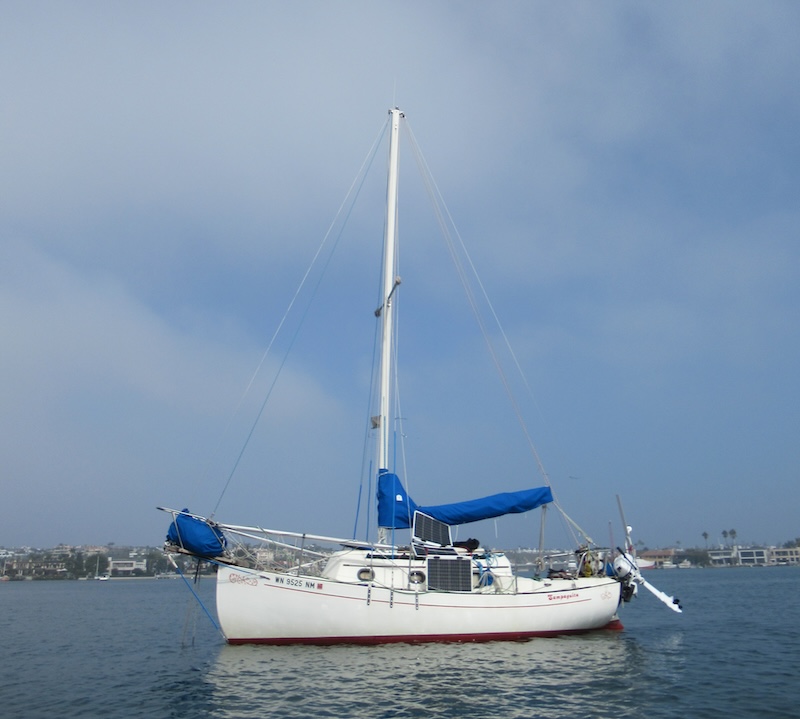
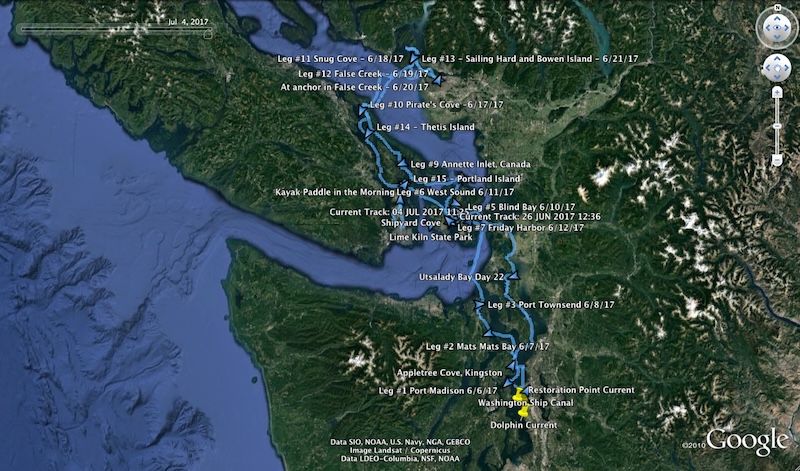
If my sailboat’s rigging used swage terminals, was I locked into using a professional rigger with specialized equipment for a repair? What if I planned to re-rig the boat soon, but wasn’t yet ready for that full commitment? What if a swage terminal was on one end of a wire and a mechanical terminal on the other end? I will tell you of a 2017 rigging repair aboard my Pacific Seacraft Flicka 20 Sampaguita, in which these questions arose. But first, I’ll tell the story of how I got there.
One sunny June day, Sampaguita and I had sailed from the False Creek anchorage in the city of Vancouver, British Columbia. My original plan and destination was to anchor deep in Centre Bay at Gambier Island, to the north in Howe Sound. I beat out of English Bay into the developing wave trains descending from the northwest and the Strait of Georgia. I sailed around the east side of Bowen Island, only to then face a difficult afternoon of thermal headwinds and choppy seas as they rushed up Howe Sound. I eventually arrived at the mouth of Centre Bay. I looked deep into it, over the top of the marching whitecaps at the lee shore, and thought to myself, “That looks like a bad idea.”
I retreated on a run back to Bowen Island’s Snug Cove, where I knew it was sheltered and there was a public dock to tie up to. BC Ferries’ Queen of Capilano served Bowen Island from the mainland via the small cove, and it had just recently departed as I arrived. Upon entering, it was easy to recognize the dramatically swirling current that the ferry’s powerful propellers had left behind in the cove. I circled a couple of times and abandoned my first docking attempt because Sampaguita was not going where I was steering her. Exhausted from the thermal wind beatings we had taken earlier, I circled again. Sussing that the current had settled down, I made my second attempt. I was wrong.
Sailagram: A Snapshot of October Sailing
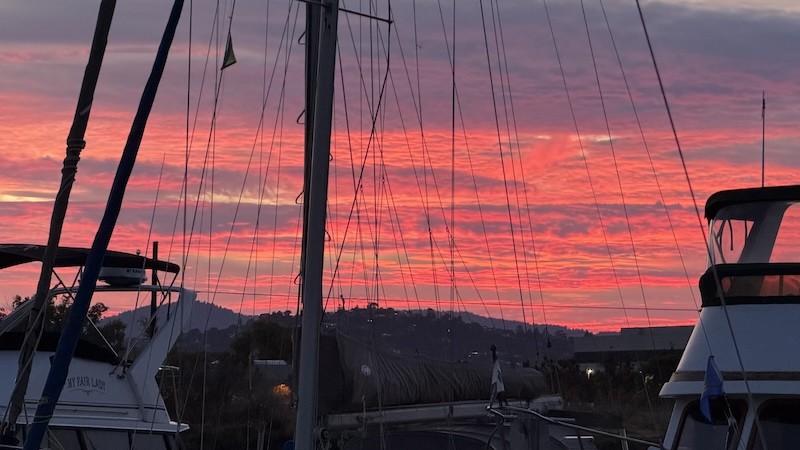
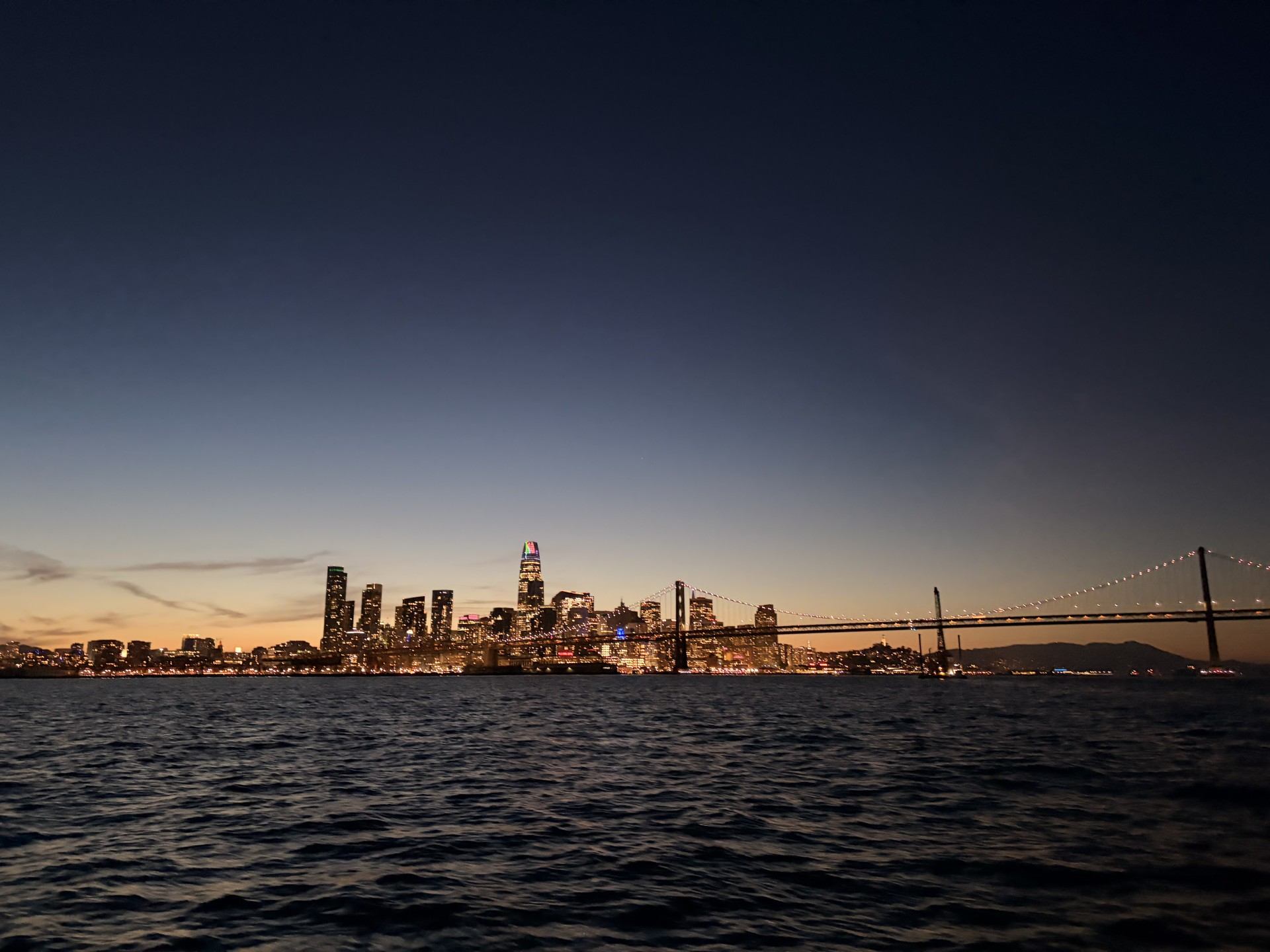
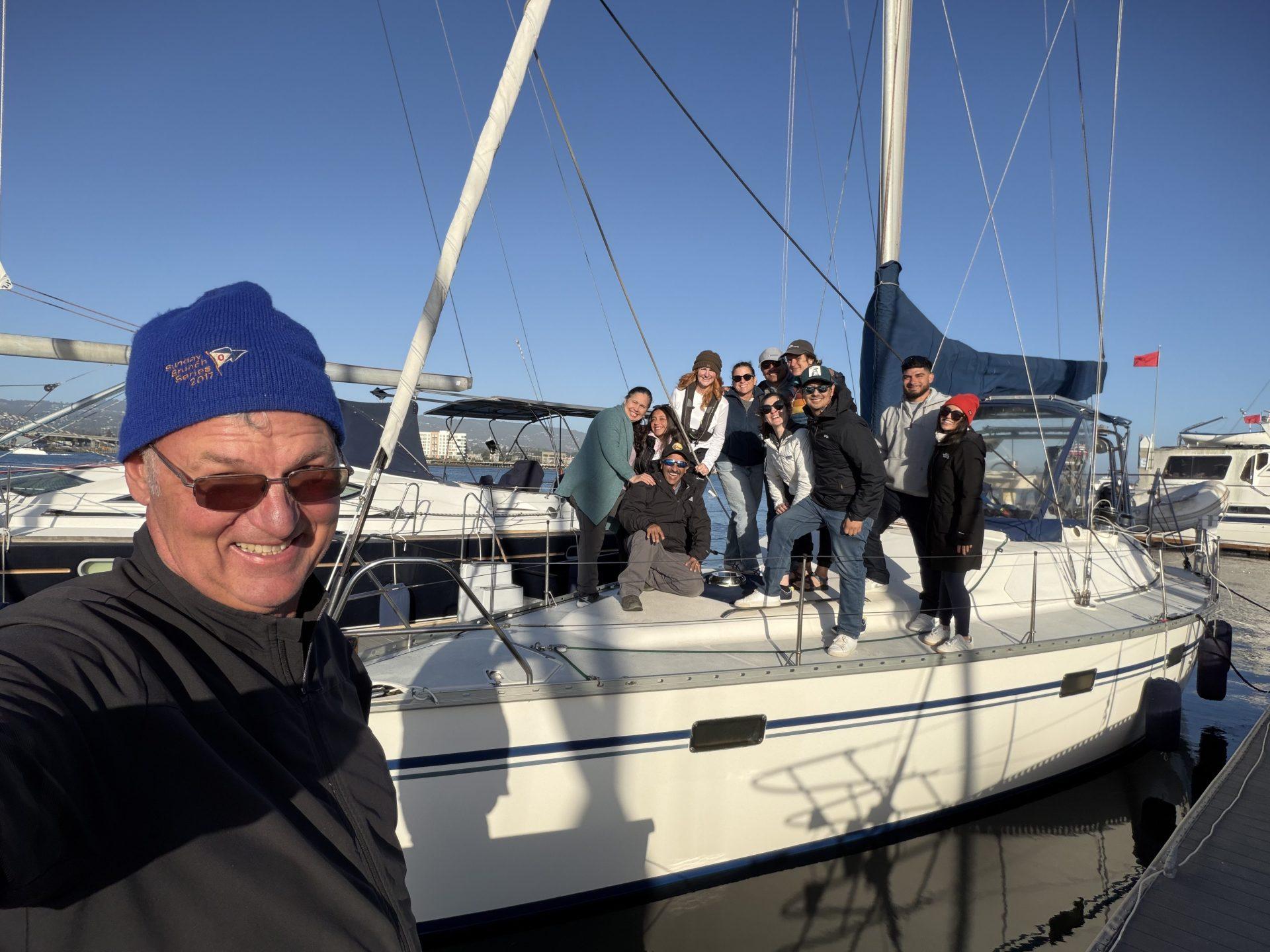
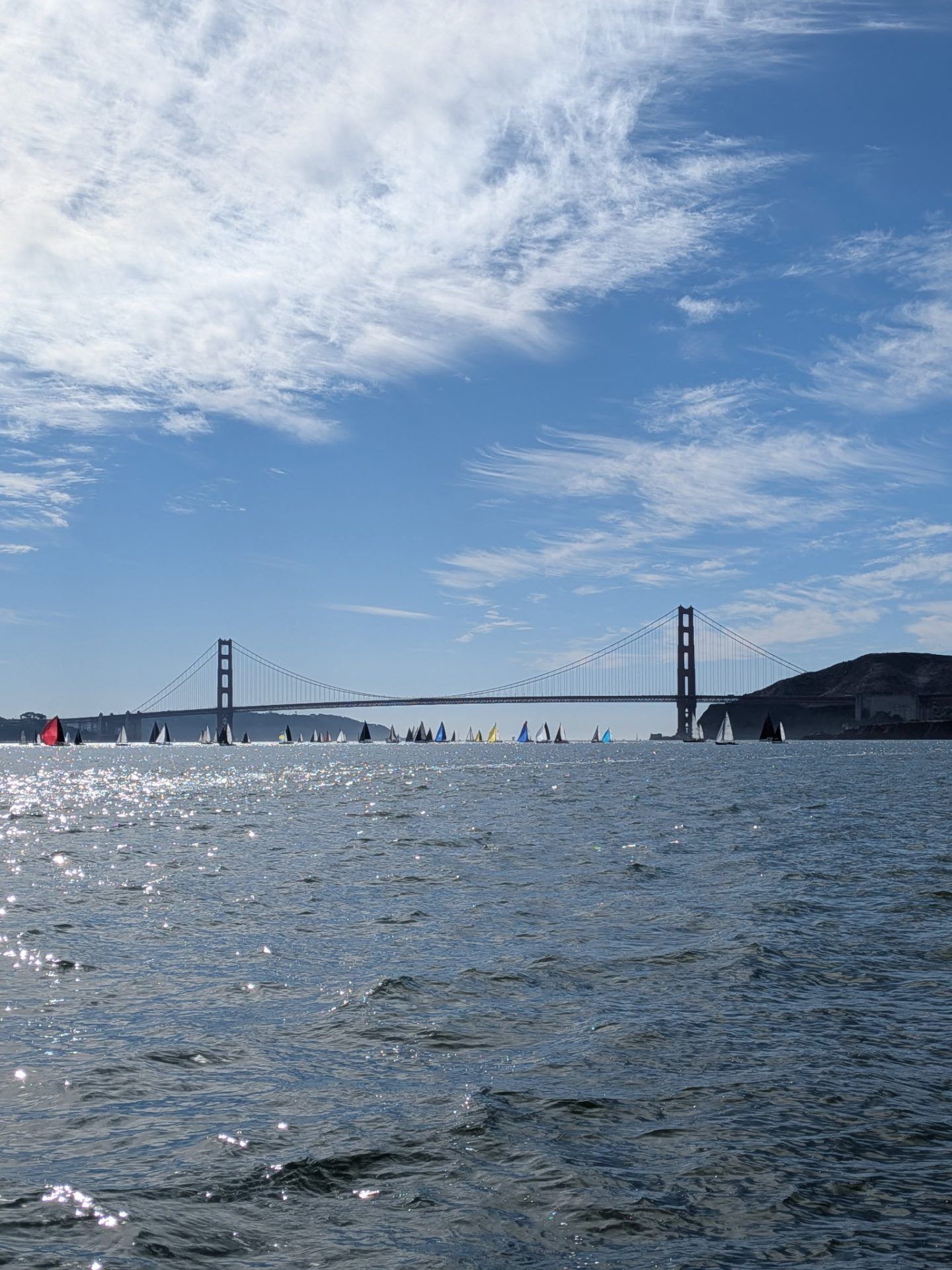
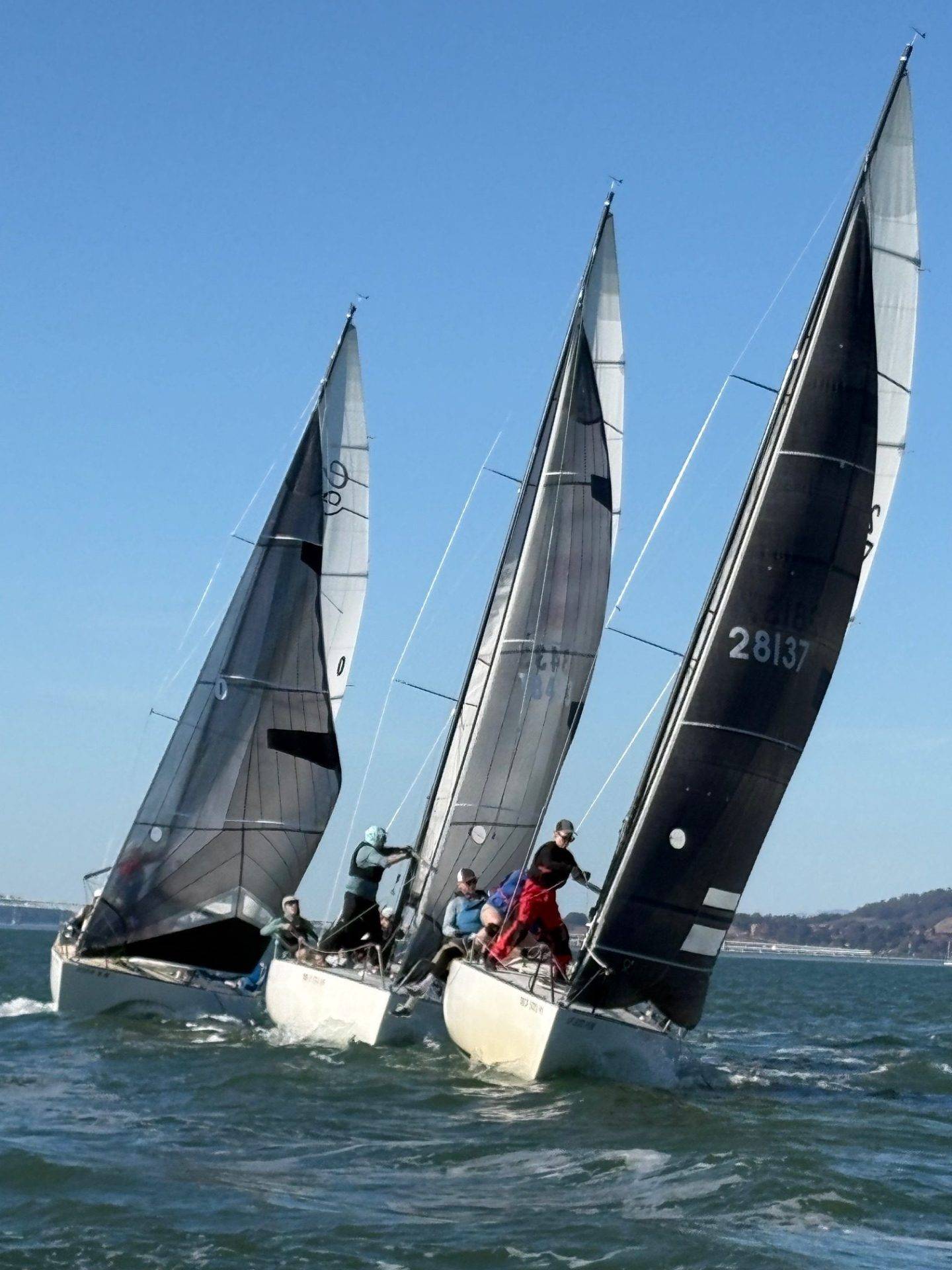
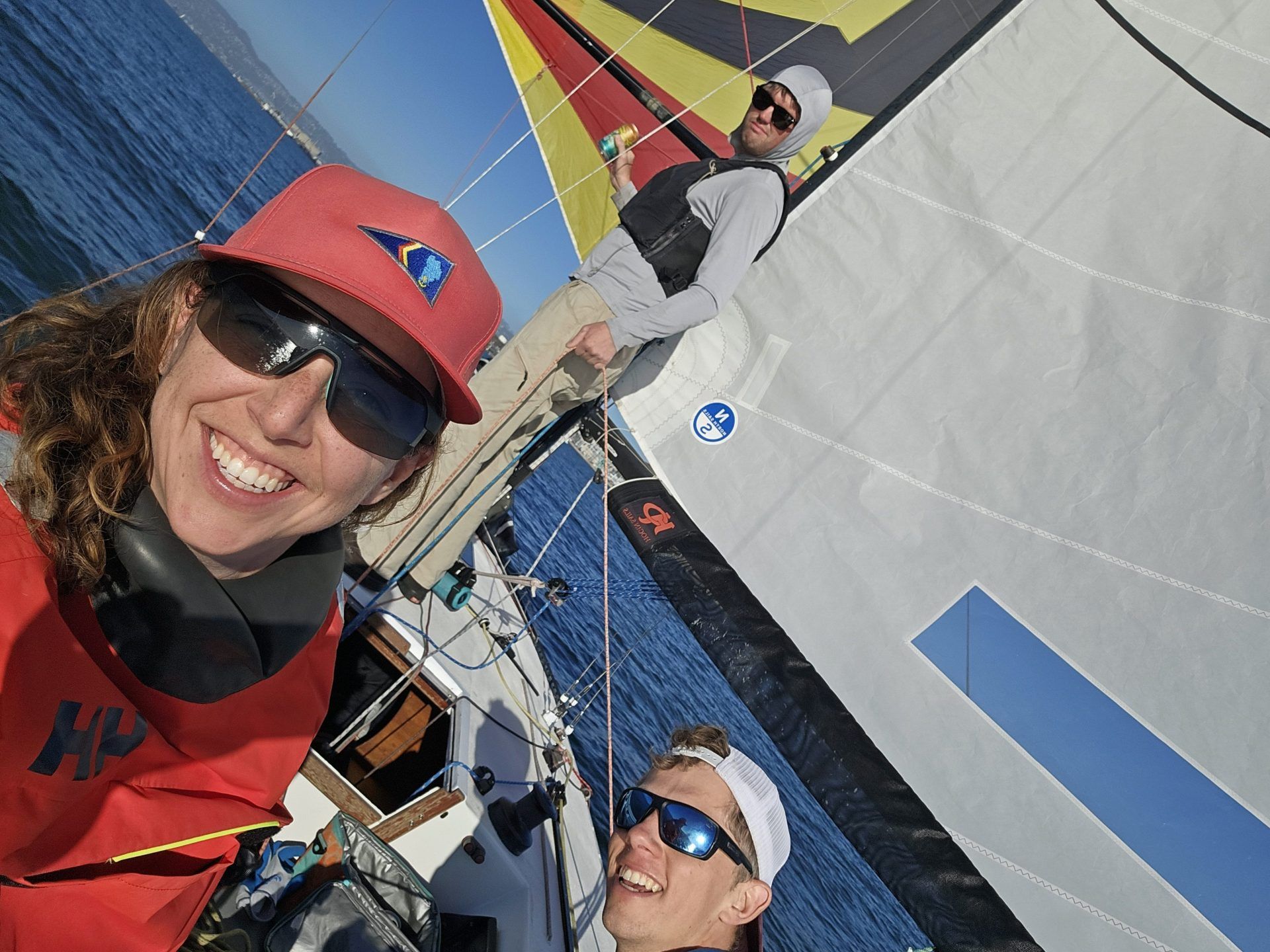
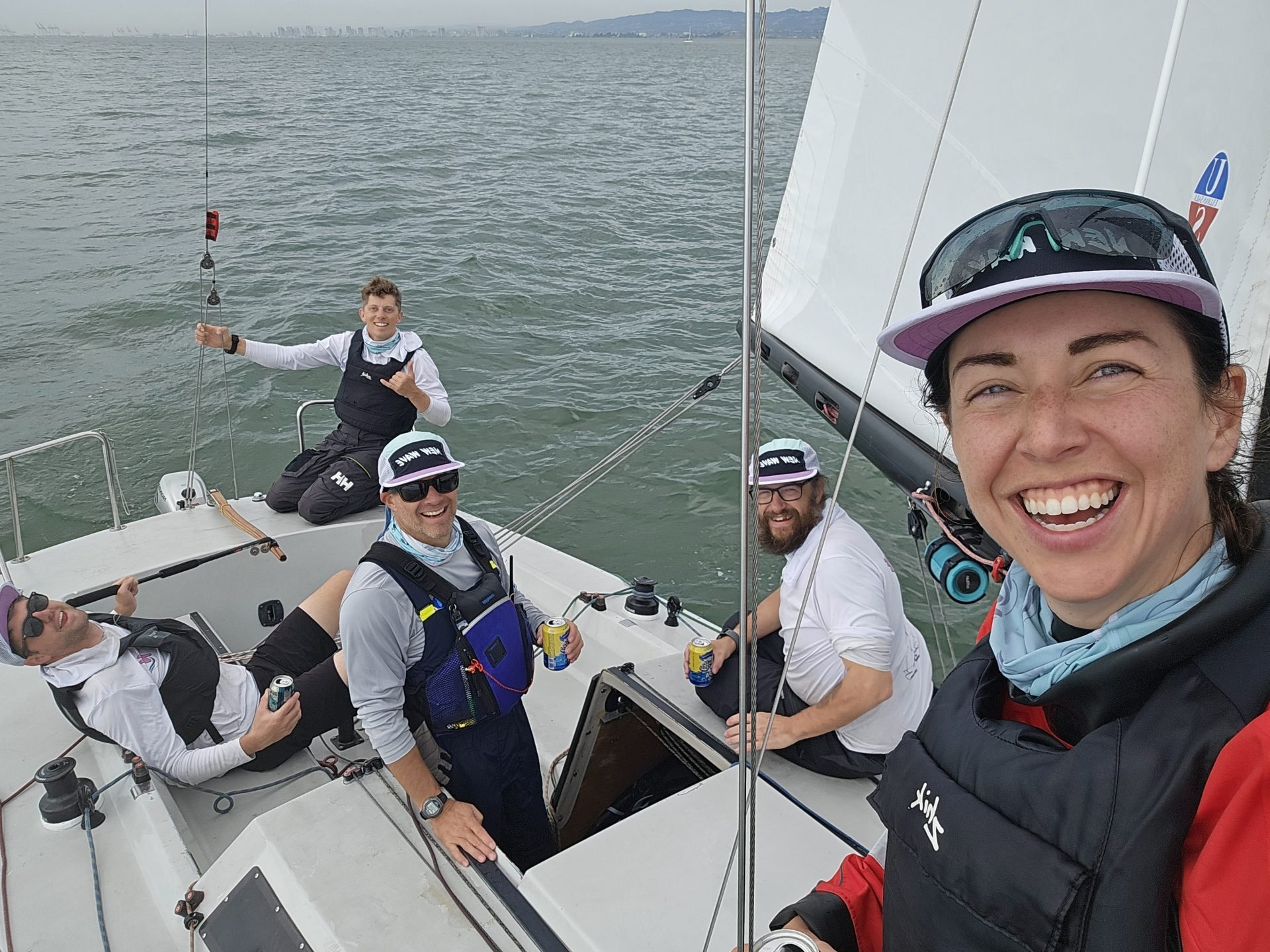
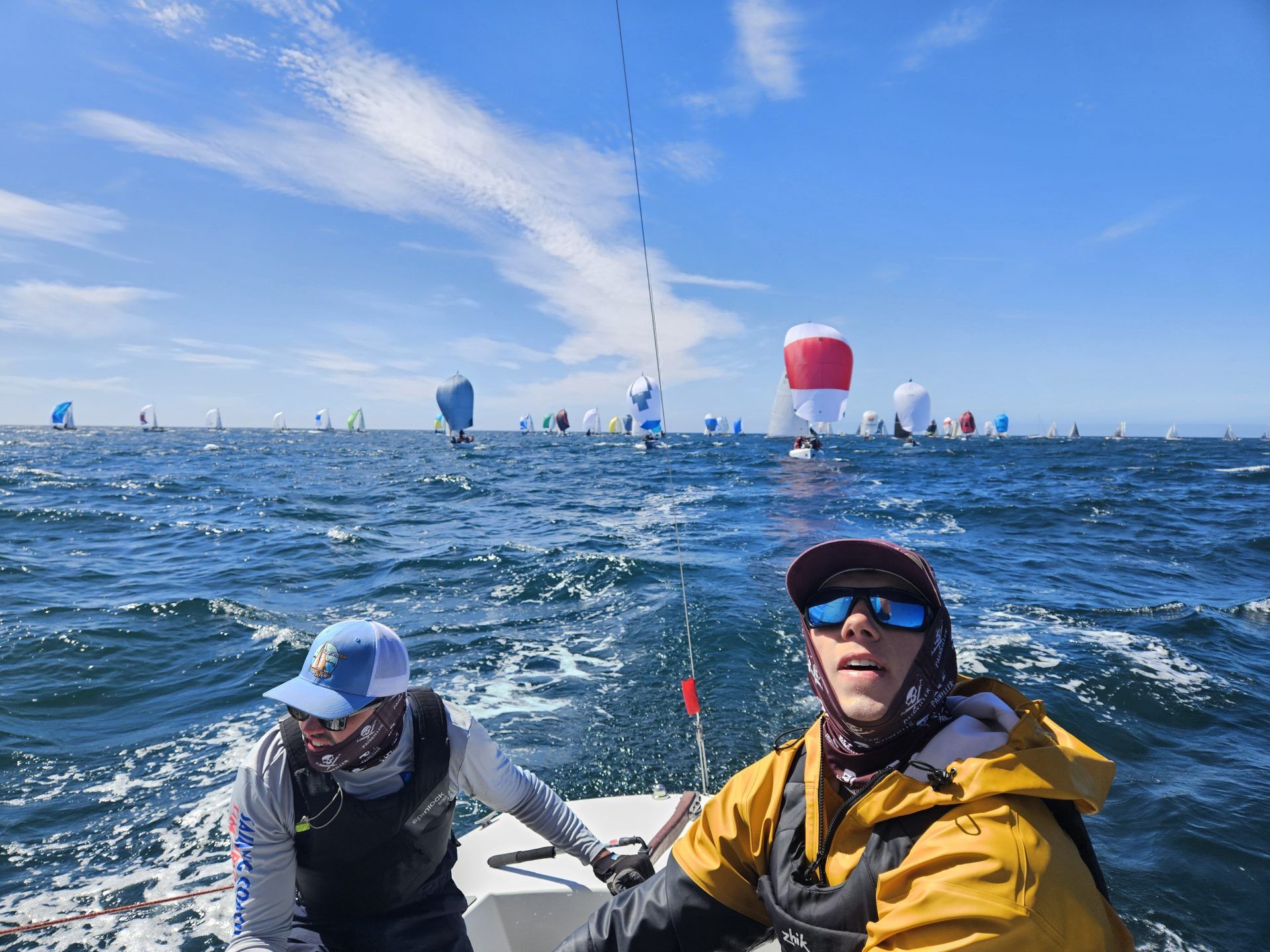
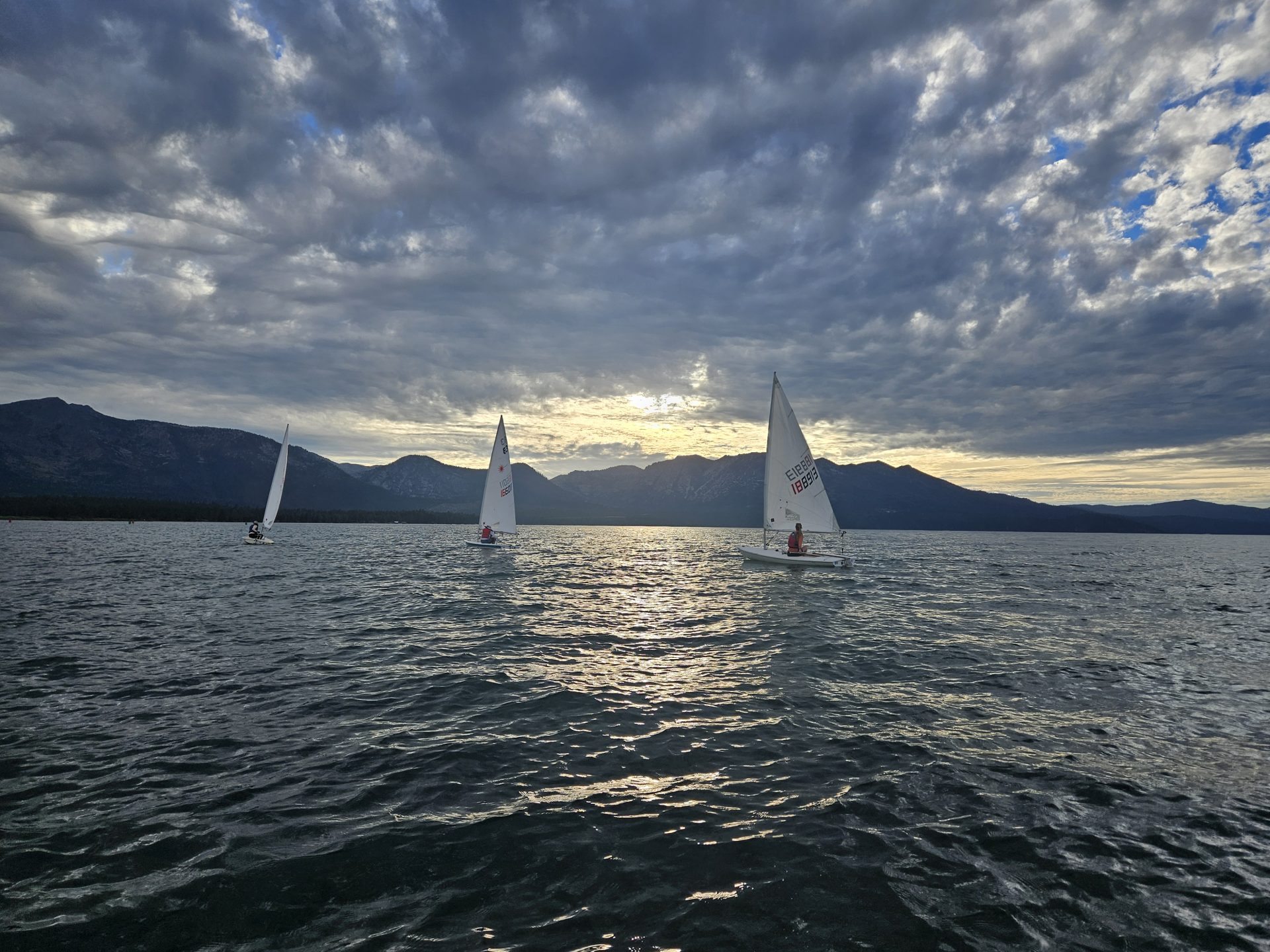
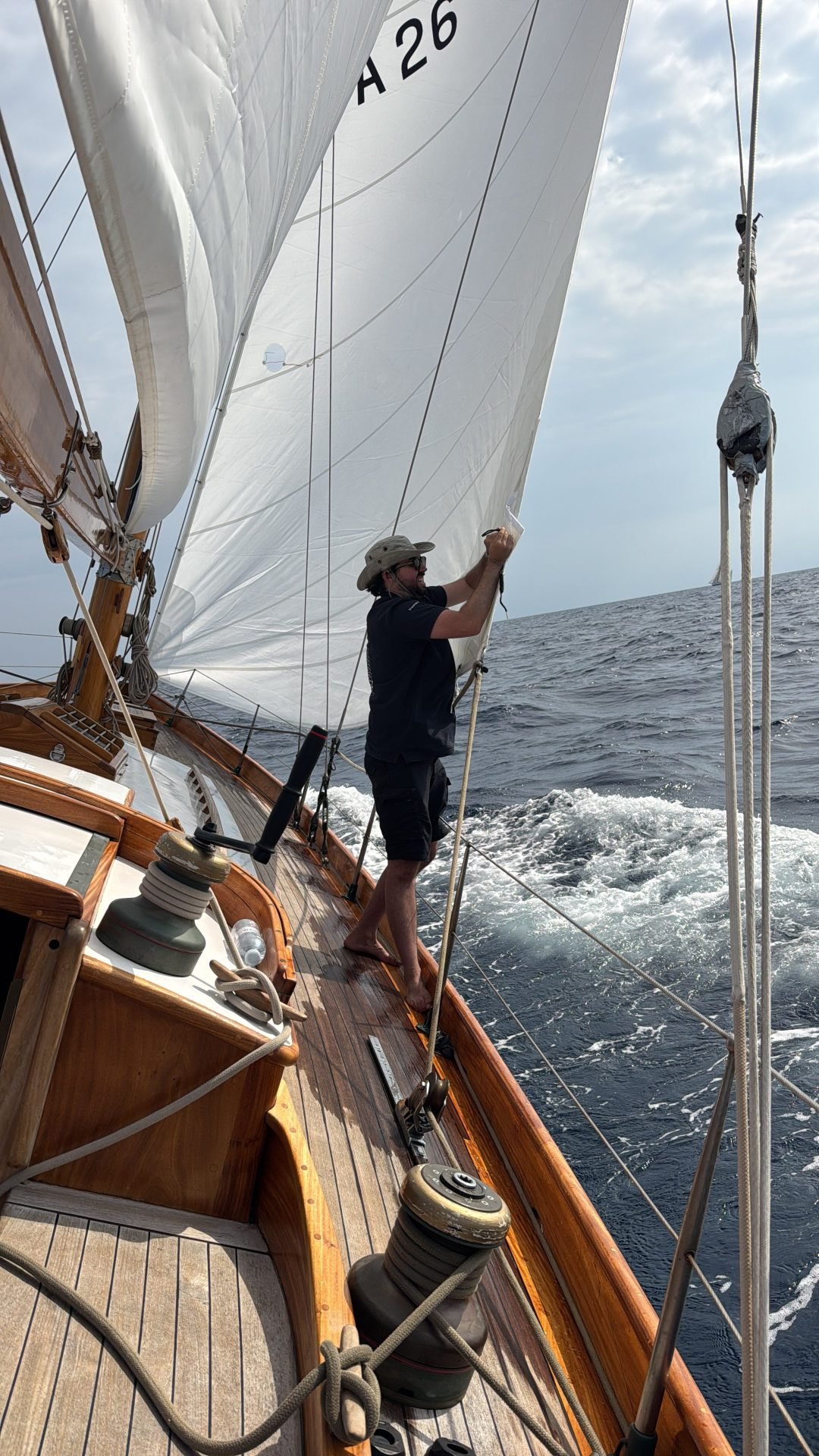
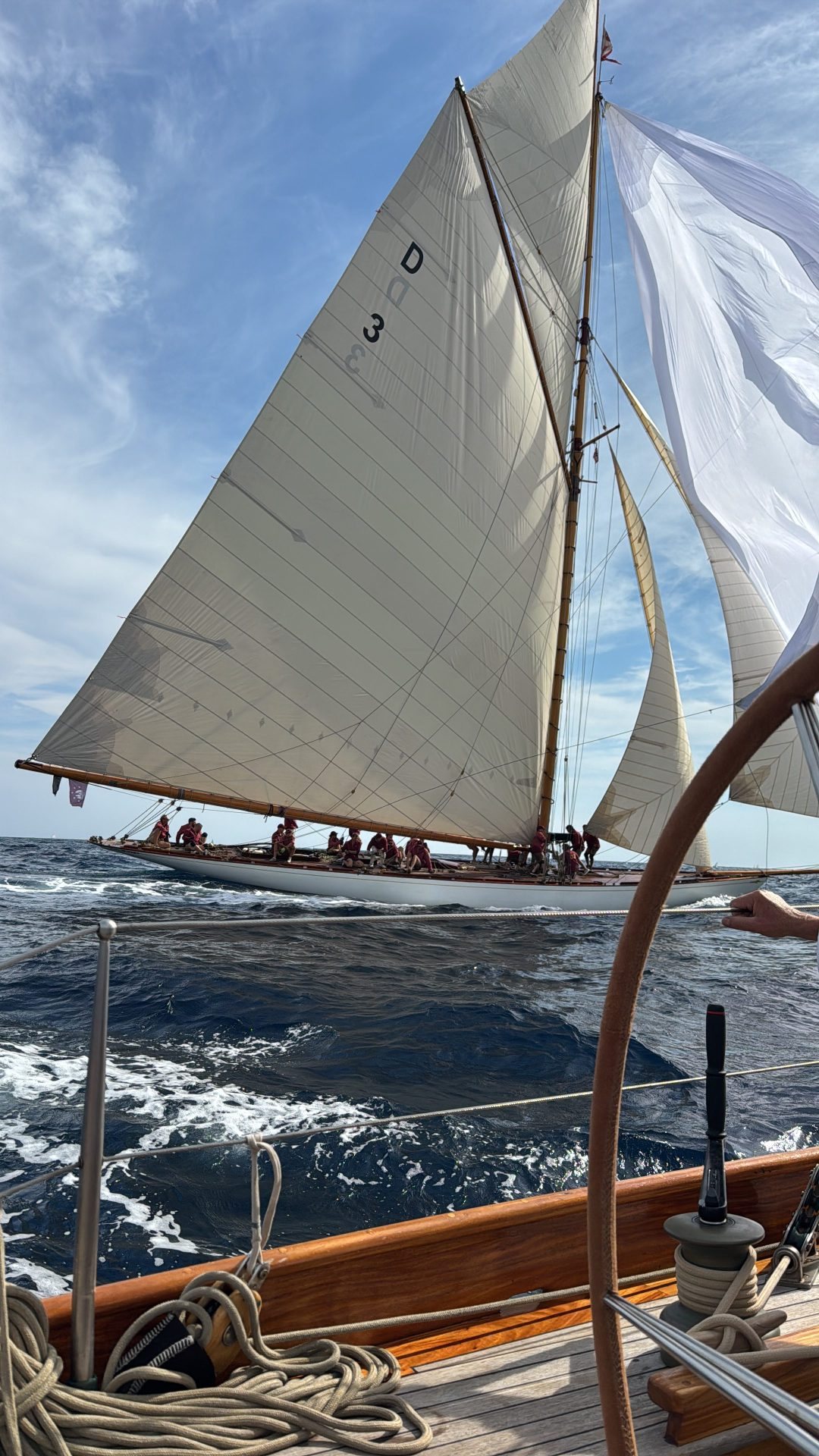
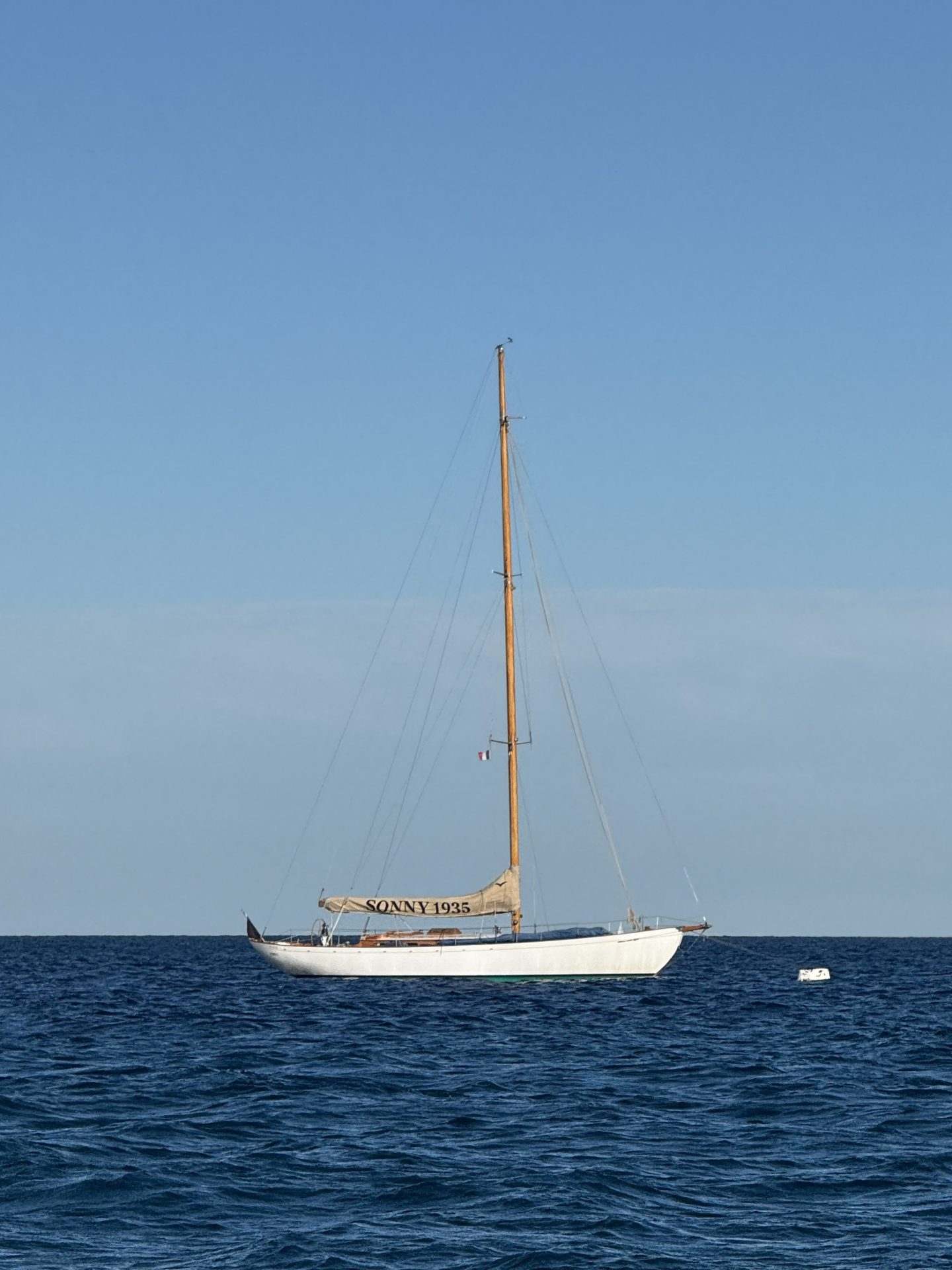
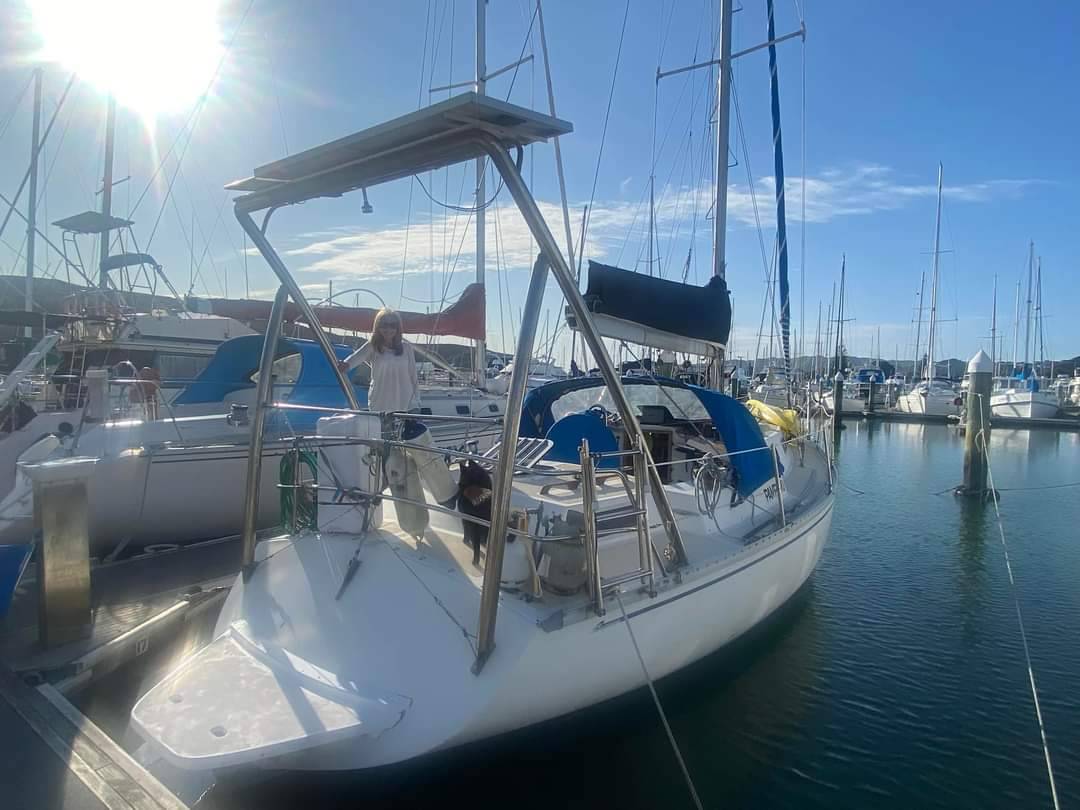
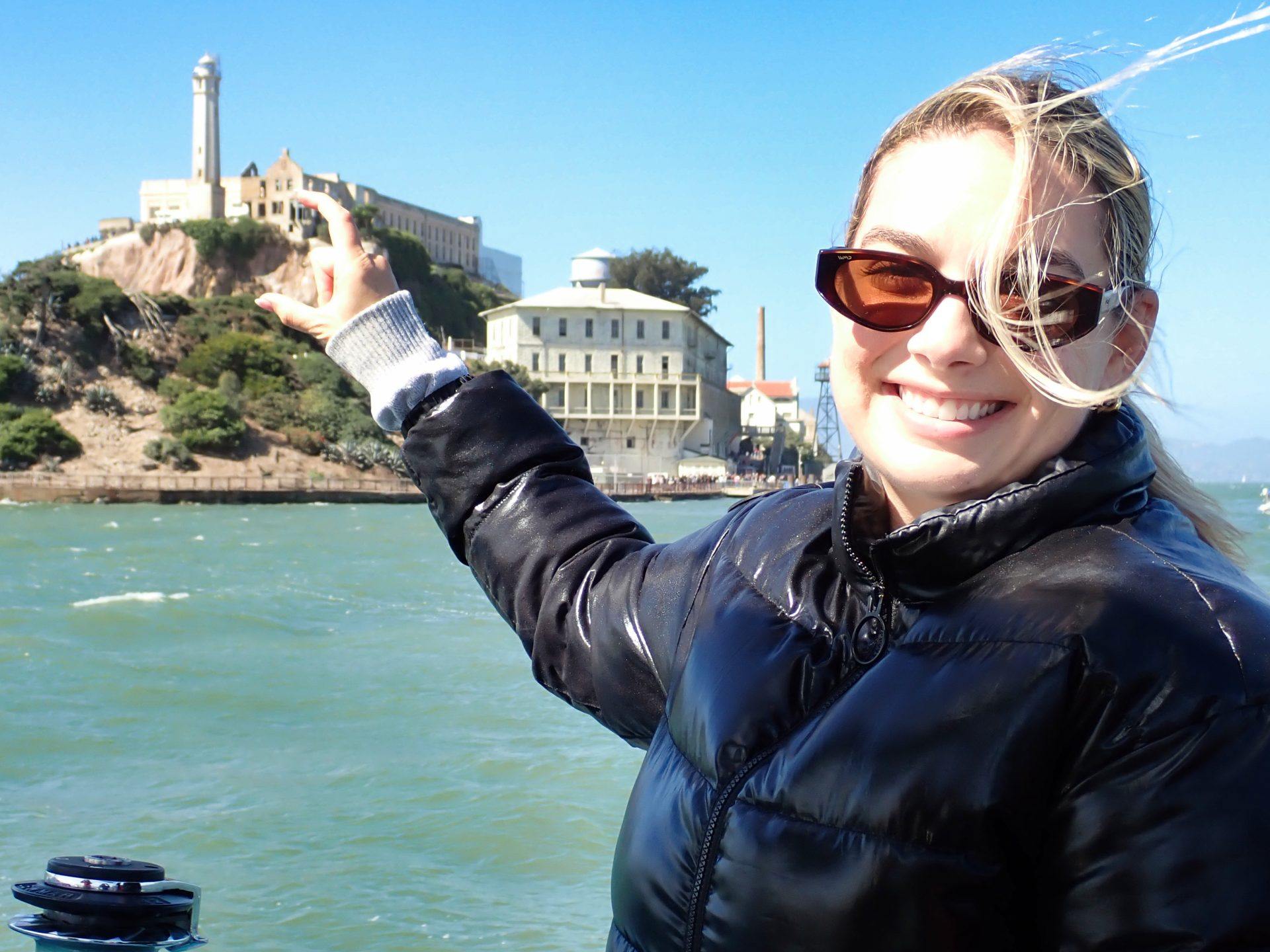
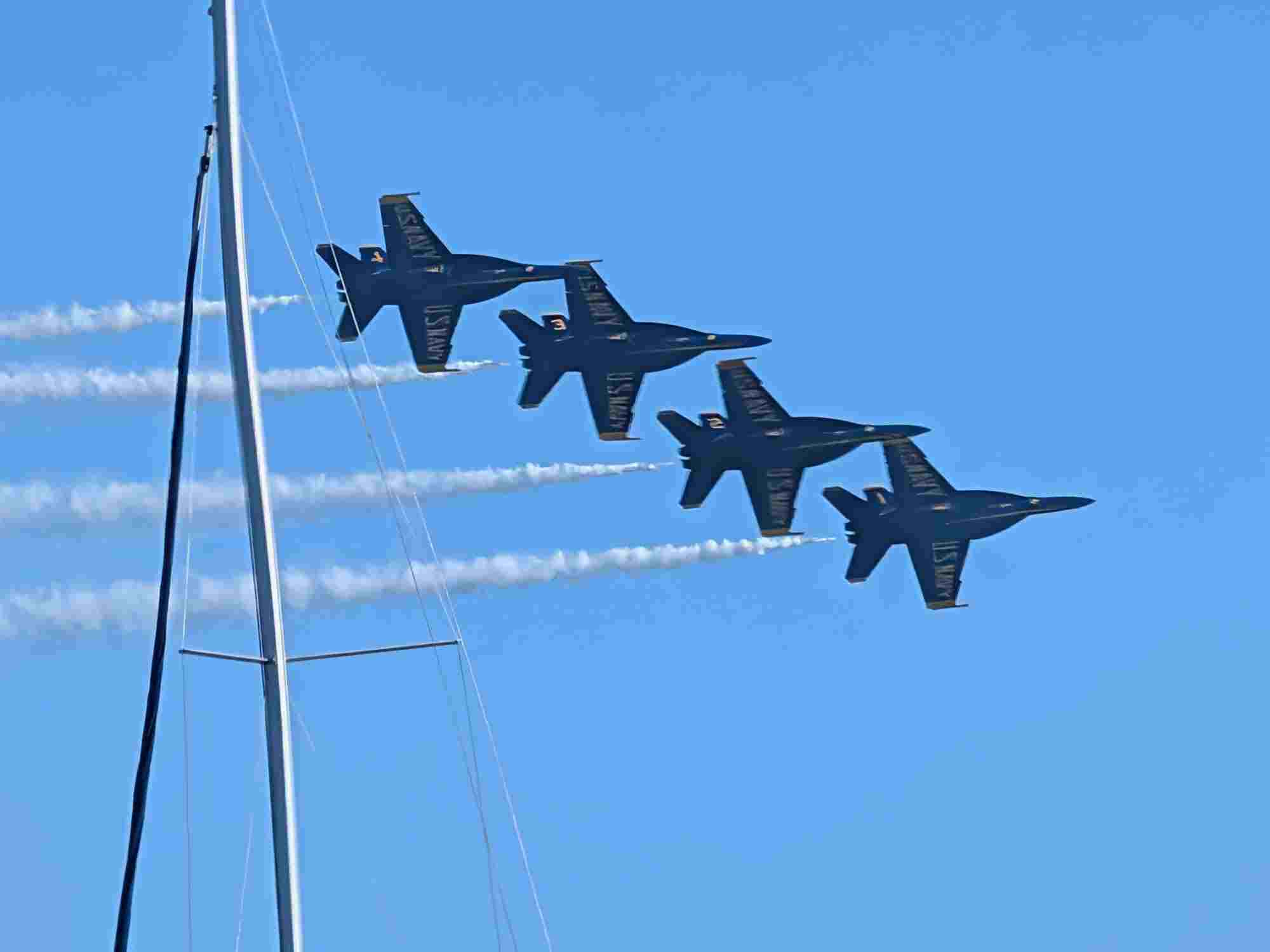
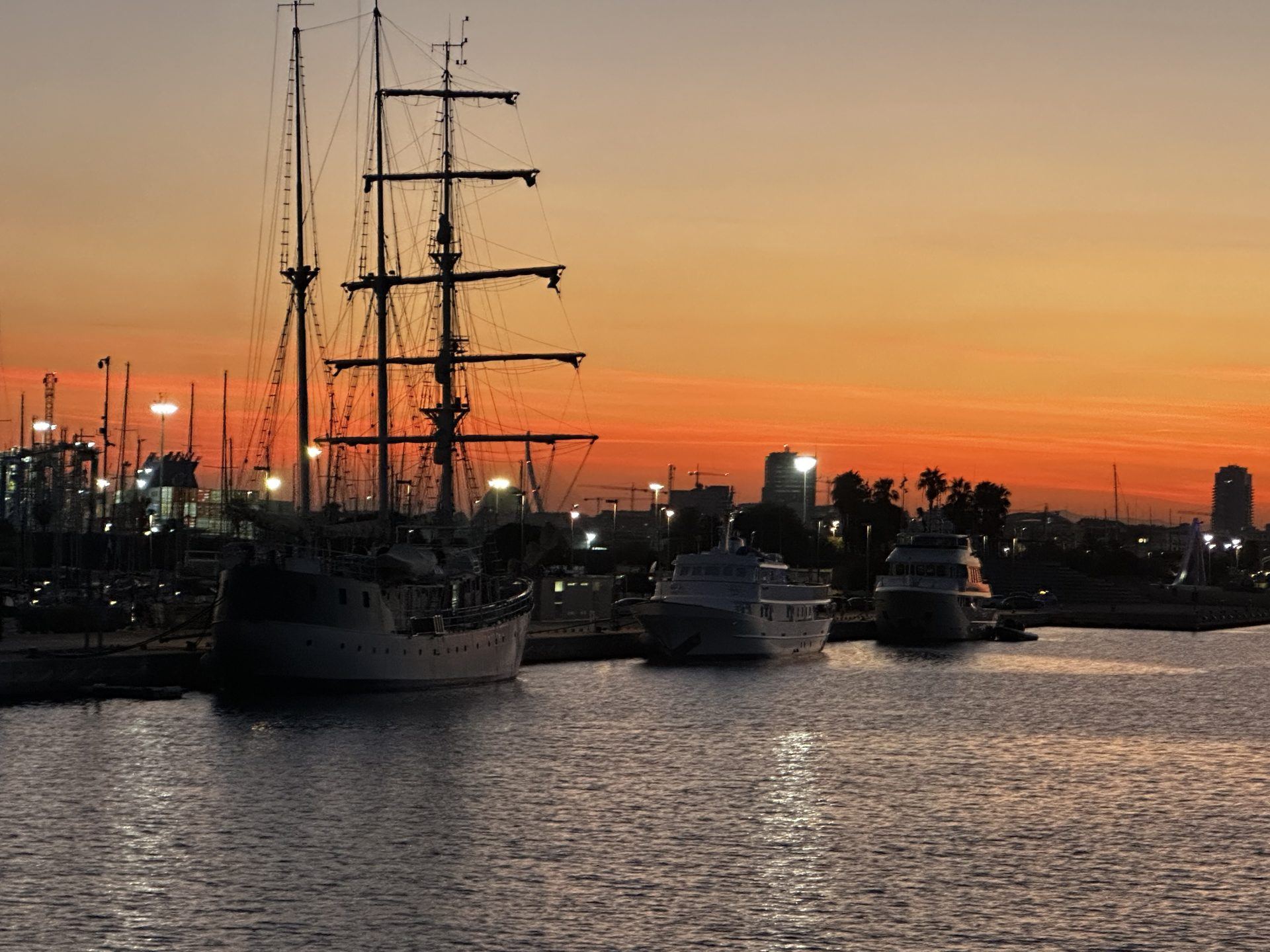
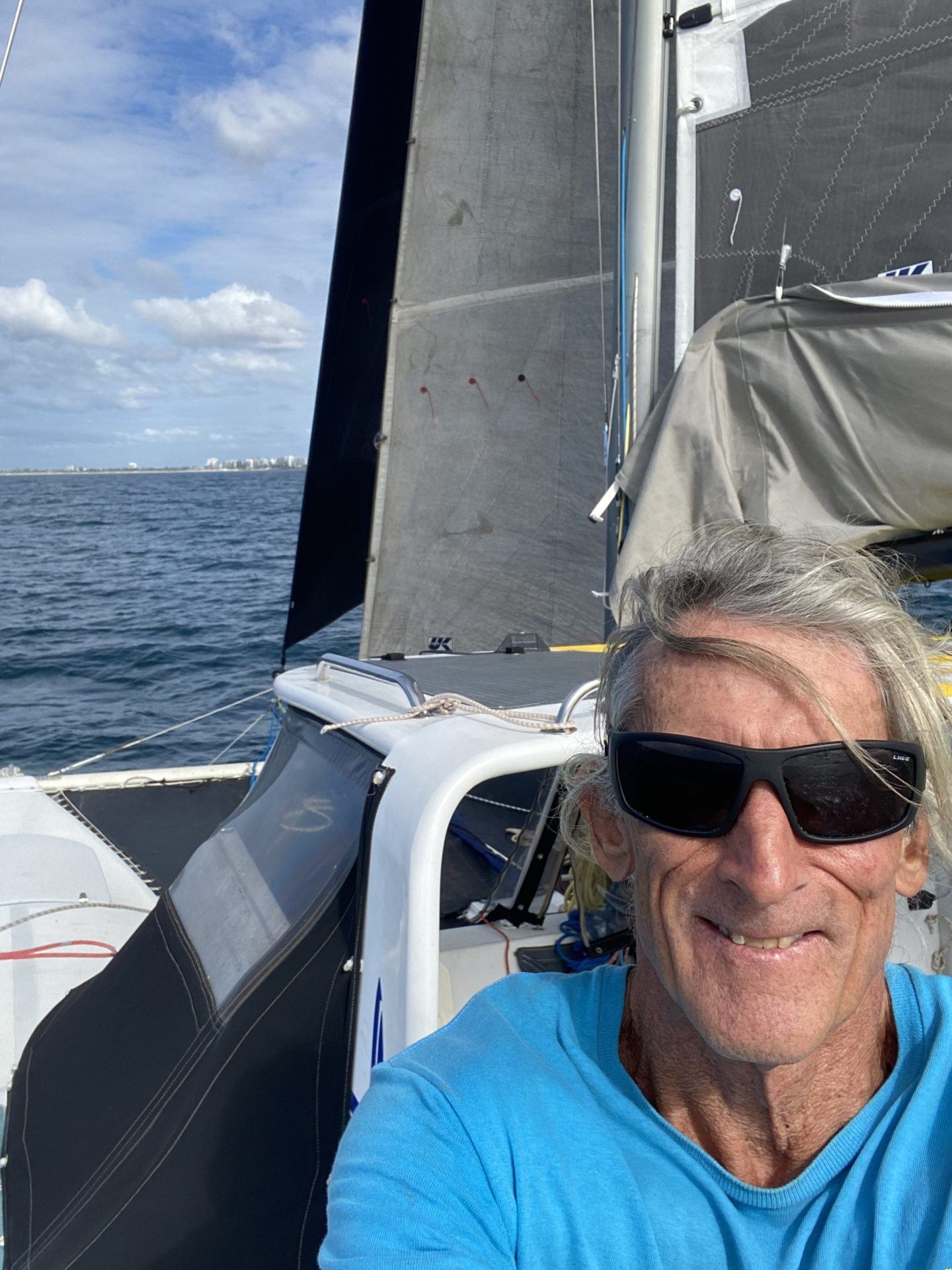
Welcome to this month’s Sailagram, a gallery of photos from sailors on or near the water throughout the month of October. This month’s album includes several photos taken at the Moore 24 50th Anniversary National Championship hosted by Santa Cruz Yacht Club on September 24–27. They make for a very colorful gallery. Enjoy!
Reading Latitude 38 Is Good for Your Health!