

Pelican Marina Tenants Blindsided by New Ownership and Rent Increases
On May 18 we reported that the Sausalito City Council had blocked the sale of Pelican Yacht Harbor to Cameron Razavi, the owner of neighboring Bridgeway Marina. This was a relief to the almost 100 berthers at Pelican Marina who feared significant changes under Razavi, including significant rate hikes. That all changed on July 2 when Pelican Yacht Harbor learned from a notice at the marina office that Razavi had completed the purchase. This was accompanied by letters to the tenants raising the rates by more than double.
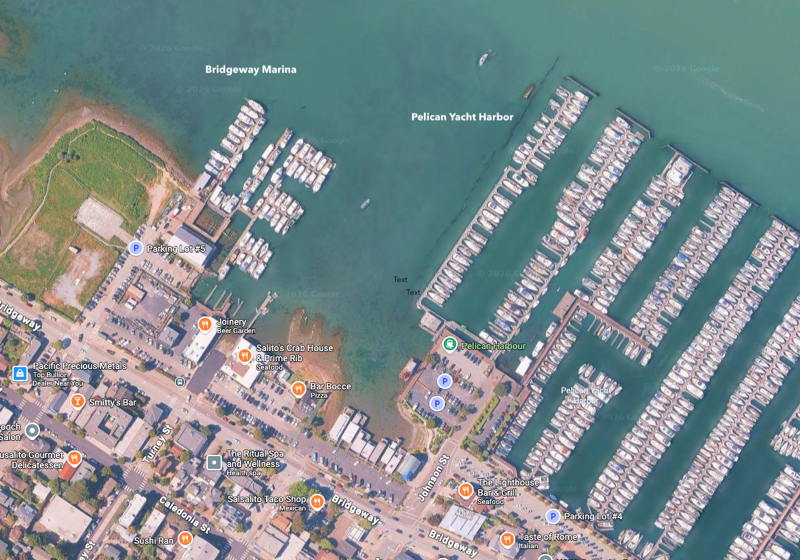
The city council thought that they had the ability to block the sale by not approving the tidelands lease under the marina. Apparently, Razavi shifted to buy the company, Flynn Family Holdings, which owned the tideland lease, in such a way that there was no change in the tidelands lease.
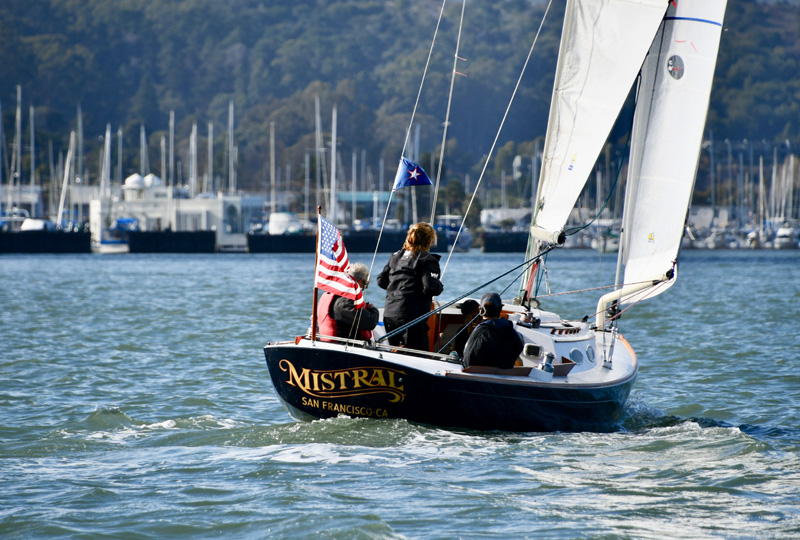
The Marin IJ reported that marina tenant Dane Farber received a rent increase letter raising the rent for his vintage wooden trawler from $1,000 to $2,600 per month and raising the assigned parking space rent from $100 to $200/month. We’ve heard from tenants and from other marinas that many tenants are looking for alternative berthing as they are unable to afford these increases.
We also spoke to our friend, James Dilworth, who has kept his colorfully painted Santana 22, Pip, there for over a decade and he was notified that his rent is rising from $310/mo to $1200/mo.
We’re in an era where everyone is experiencing challenges in the cost of living on all fronts, but the scale of the increase for Pelican Yacht Harbor is way out of line with what anyone might reasonably expect. The cost of slip fees has been rising up and down both coasts, including south of the border.
Sausalito mayor Steven Woodside told the IJ that they will be referring the situation to the Sausalito city attorney to see if they have any recourse.
The situation at Pelican Marina is reflective of the broader issue of keeping sailing accessible and affordable to the public. The Bay and oceans are open to everyone, but the access points are narrowing, causing the price of access to increase to the point where far fewer people will be able to get out to participate in recreational boating. The situation at Pelican Yacht Harbor will have a huge impact on the 100 slipholders in the marina, and we’ll have to wait to see if city councils and communities can have any say in how the scarce land and tidelands along their waterfronts serve the public interest.
Doublehanders Frank and Sergei Race Their First Pacific Cup
This year’s Pacific Cup fleet is well on its way to Hawaii. In rounding off our Pac Cup profile series highlighting some of the sailors and teams racing to Hawaii in this year’s event, we’re featuring Frank van Diggelen and Sergei Podshivalov of the Sunfast 3300 Sun Dragon.
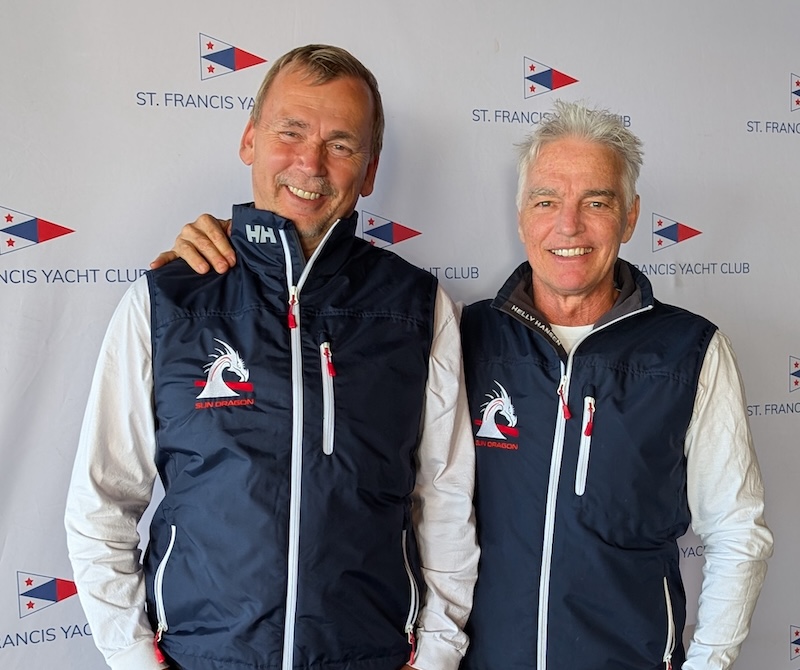
Frank van Diggelen and Sergei Podshivalov are co-skippering Sun Dragon in the Doublehanded ORR division under the banner of the Santa Cruz Yacht Club. Sun Dragon was among the 26 boats, across four divisions, that started the race on Tuesday. As of this morning’s standings, at 10 a.m. (PDT), the pair are in 10th place on the leaderboard.
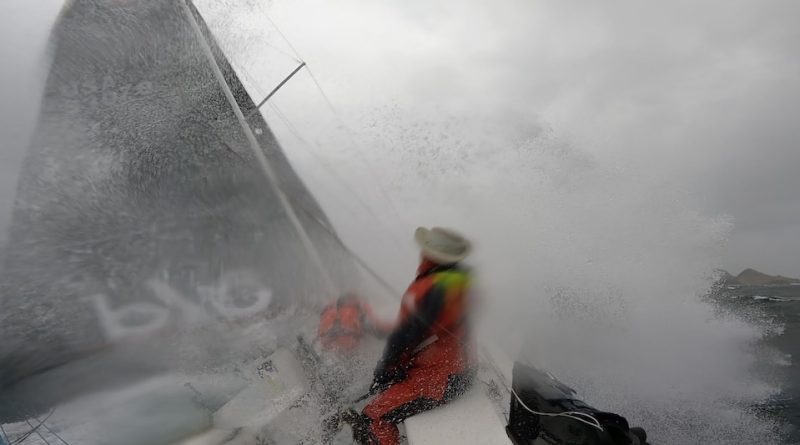
This is the first time racing across the Pacific for both of them, and, they tell us, ” … first for a Sunfast 3300.”
Frank, a lifelong sailor, identifies as a “dinghy sailor” but has long been wanting to sail to Hawaii. He sailed in college and in the South African navy.
Sergei had never stepped onto a boat before he started sailing in Santa Cruz in his early 50s. They entered the Pacific Cup Race for “the adventure of it.”
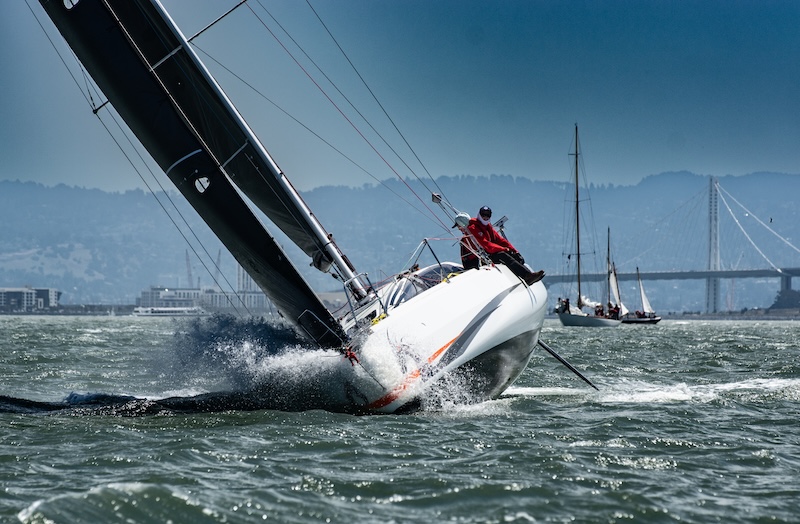
The pair bought Sun Dragon three years ago, specifically for the Pac Cup. “We’ve both aspired to race to Hawaii, and bought the boat to do this,” Frank and Sergei tell us. They’ve since been racing their way to the start line. “Can’t believe it’s here already!”
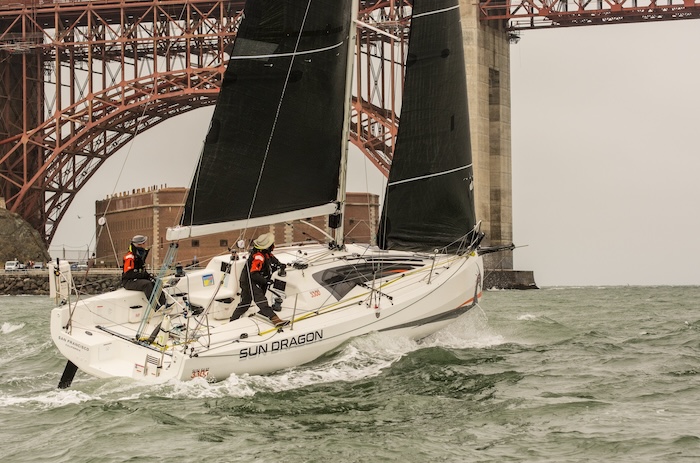
We wish Frank and Sergei fair winds and a safe race. If you’re curious about how the fleet stacks up, take a look at Andy Schwenk’s picks in this month’s issue of Latitude 38, out now.
You can follow the race on the tracker here.
Visit Antioch Marina, the Gateway to the Delta

Rodney Pimentel Recaps California Offshore Race Week Win
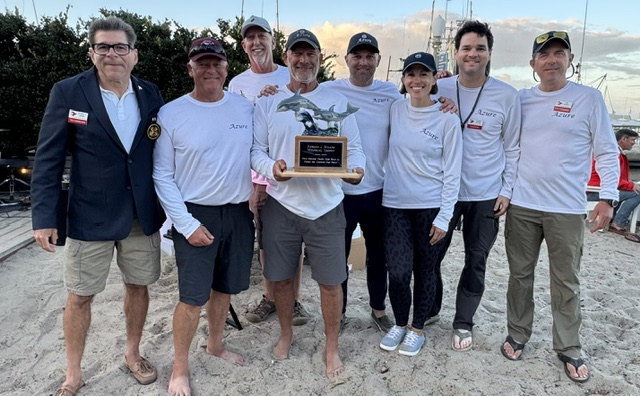
The 2026 California Offshore Race Week (sailed in late May) featured many different boats from up and down the West Coast. The overall winner of the series was Rodney Pimentel from Encinal Yacht Club (EYC), racing with his team aboard the Cal 40 Azure.
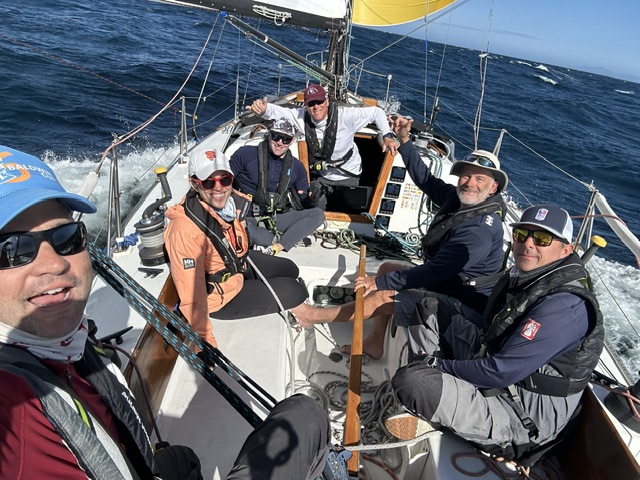
Pimentel and team finished fifth overall in the Spinnaker Cup (from San Francisco to Monterey) and third in the Coastal Cup (Monterey to Santa Barbara), and won the SoCal 300 (Santa Barbara to San Diego).
Azure bested Ian Rogers’ J/90 Orca (RYC) by one point overall to claim the series win. He gives us his reflections on all three legs here:
Spinnaker Cup:
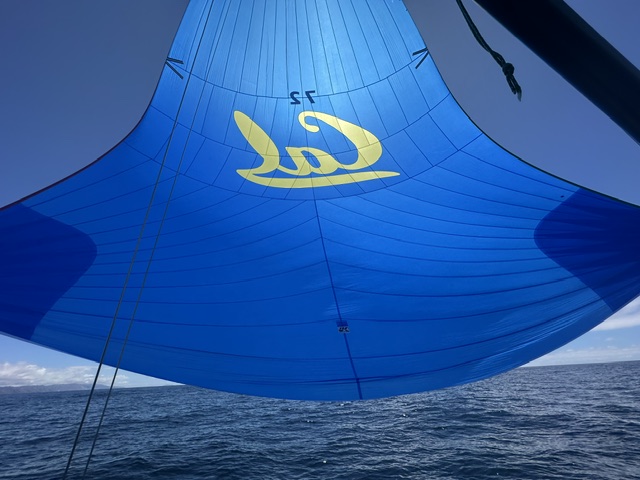
“[It was a] very slow start with the entire fleet taking an extra day to finish,” Pimentel tells Latitude. “We spent the night in Santa Cruz and waited for the wind to fill the next day. It was our slowest race to Monterey, but we always enjoy the town and all the sea life.”
Coastal Cup:
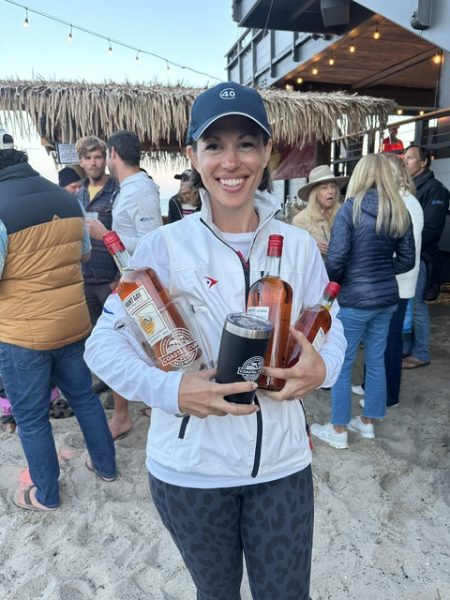
“[We had great winds for the entire race. This part of the coastline is known for very strong winds, up to 40 knots,” Pimentel tells us. “The highest we saw was mid-20s, so we had a very comfortable sail to Point Conception. The sail from Conception to SBYC can be a bit tricky, known for light winds. This year we had 30 knots in the middle of Santa Barbara Channel, so we were able to sail a rhumb-line course. A virtual finish offshore ensured everyone would finish where there was breeze. Santa Barbara Yacht Club puts on a luau on the beach for the awards ceremony with a band and tiki bar — lots of fun.”
SoCal 300:
“SBYC organized the start. with the finish at San Diego Yacht Club,” Pimentel explains. “Another light start left most of the fleet spending the night between Santa Rosa and Santa Cruz Island. The next day the breeze started to fill in and gradually build from the north.”
“Being the slowest boat in the fleet has its advantages when the wind builds from behind,” he continues. “We had a great sail outside the island to the weather buoy 100 kilometers [55 miles] off San Diego. From the weather buoy to San Diego, the wind continued to build as we made our way to the finish line. I have raced down the coast a bunch of times and sailed by whales, turtles, sunfish, etc., but never hit anything. That all changed at 2:00 a.m. on the last leg. We hit something hard that stopped the boat. Thankfully, whatever it was went by without damaging the rudder. Every sailor’s worst nightmare is hitting something at night; luckily we came out pretty well.”
MOB in the Duxbury Lightship Race
Saturday, May 9, was the date for two YRA Offshore races, the Bluewater Bash and the Duxbury Lightship. S.F. YRA chair Joe Rockmore was our PRO for both races.
The Bluewater Bash is a race from the St. Francis YC out to longitude 124W and back; 150 miles with an overnight sail. Six boats started the race at 9:15 a.m. and all were using the race as their qualifying voyage, required by the Pacific Cup.
The Duxbury Lightship race is just what the name suggests. Start at St. Francis, around the Duxbury Reef buoy near Stinson Beach, then around the S.F. sea buoy (the “Lightship”) and back to St. Francis to finish, 31.8 miles. The Duxship is part of the S.F. YRA nine-race Offshore series, and has been run almost annually for decades. Sixteen monohulls between 27-ft and 50-ft and two big 44-ft trimarans started at around 10 a.m. Wind at the start was less than 10 knots, but the forecast models called for 20–25 with higher gusts offshore.
Ahi, a 1981 Santana 35 skippered by me, Andy Newell, has done this very race nearly every year since 2011. Aboard on that Saturday, from front to back, were Jason Kick, bow; Joe Dick, mast; Valerie Suzawa, cabin top; Liza Avdanina, Donald Dellis and Hemang Mehta on headsail trim; and Alexey Sobolev on mainsheet. All crew had the required high-buoyancy PFDs with crotch straps, and most of the crew had tethers on their person.
We continued on a beat with full main and #3 until we rounded the Duxbury buoy. By then the wind had built to about 20 knots, so shortly after rounding we reefed the main, as 19–20 is where we typically reef. Winds were now 20–22 with six-foot seas from the starboard side. As usual, some of the waves were larger than six feet, but nothing crazy. Jason, Donald and Joe were on the weather rail, legs in. Hemang was below and Valerie was sitting on the ladder in the main hatch. Liza and Alexey were sitting on the rail above the cockpit, legs in. I was sitting lower on the cockpit seat for better leverage on the tiller.
At around 12:45 p.m., Ahi was hit by a large wave, which broke over the boat. Before Ahi had righted herself, another larger wave broke over our starboard side, washing this writer completely overboard. The crew reports that Ahi rolled 90 degrees or more. Nearly everything at the top of the mast was lost or damaged.
I don’t remember seeing the wave before it hit, but once it did, I remember being among the water before I actually hit the water.
For More Great Sailing Stories, Tune In to Good Jibes