
Frustrations and Sand Rise at S.F. Marina West’s “Third World Harbor”
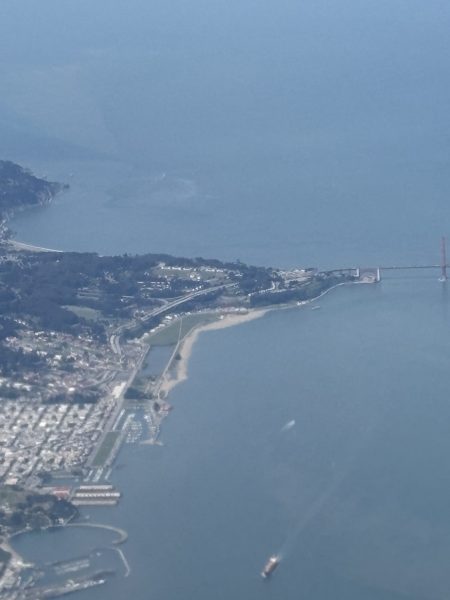
Over the past few months, sailors and boat owners have grown increasingly frustrated with the excessive buildup of sand at the entrance to San Francisco’s Marina West Harbor, and the lack of effective action by the relevant city authorities. Home to over 300 slips, and many of the racing sailboats that are based on the S.F. side of the Bay, Marina West is one of the city’s major harbors.
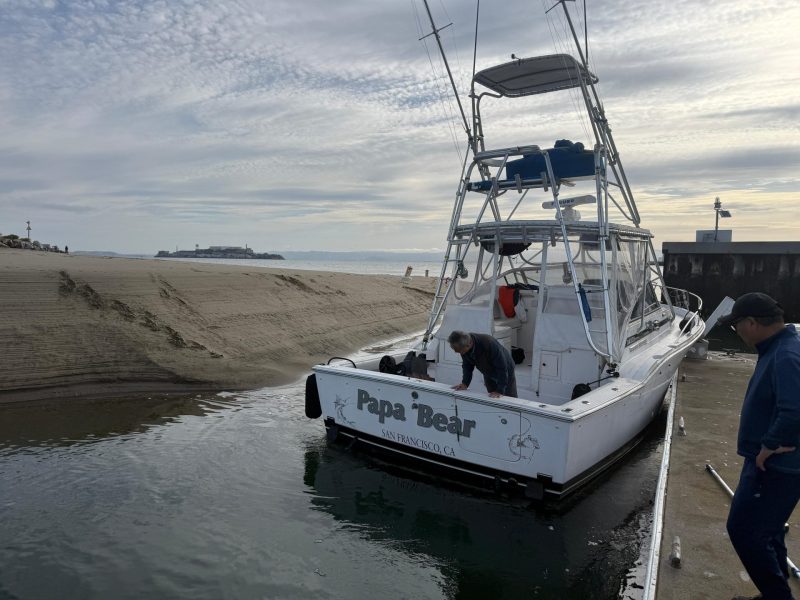
Sand buildup in the harbor entrance has been an issue for years, but as the harbor entrance was ineffectively dredged during the summer and fall months last year, it has now become much worse, particularly in the past few weeks and months. It wasn’t so much of an issue during the slower midwinter regatta season, but is far more significant with the onset of the spring and summer racing seasons.
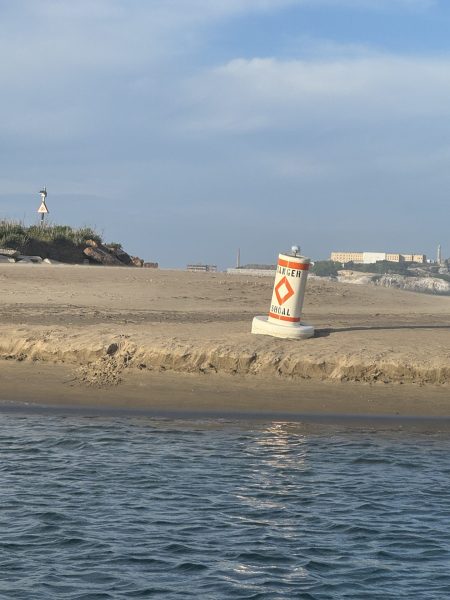
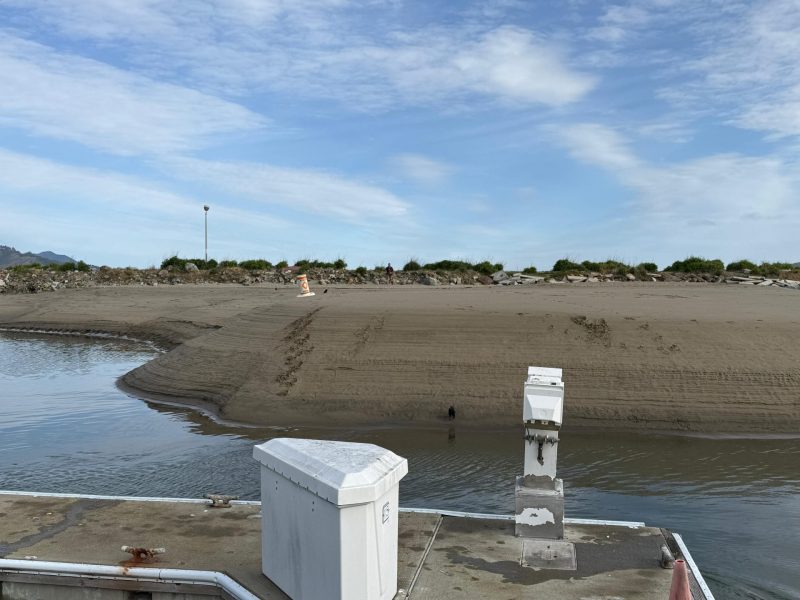
The sand built up quickly in late 2025, and by mid-January most of the channel markers and shoal buoys were high and dry on the beach. The harbor entrance was still navigable, but it became an increasingly treacherous entrance, especially at low tide.
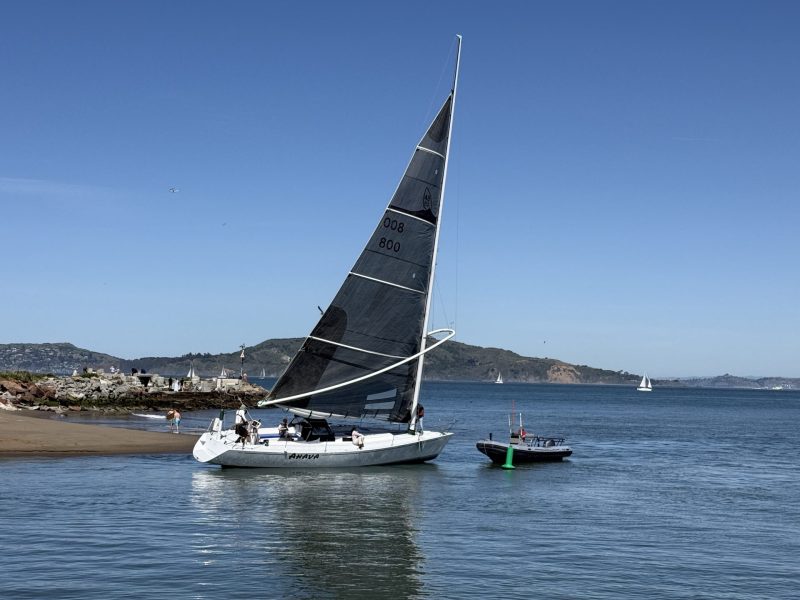
The harbor entrance is down to seven to eight feet of navigable water at high tide (at most points), and down to as little as three feet during low tide. The following video taken by Mike Peterson tells some of the story.
“The harbormaster applied for emergency dredging to get it done in January or February, and the City put it out to bid, and they took the lowest bidder,” the boat owner continues. “They brought out rusty equipment, and didn’t use the heavy-duty clamshell stuff that Dutra had used in the past. They brought these backhoes to just take out one little scoop of sand at a time, and then their equipment broke down when they put it in place a few weeks ago. That’s led to this situation where we have an unsafe harbor, and the City didn’t vet the bid to see whether they were using modern equipment and could do it on time. I fault DPW, and I fault Rec and Parks for not coordinating with DPW in an effective way, and we berth holders are paying for all of this.”
The frustration has been echoed by boat owners and sailors across the harbor. “This is so unsafe, especially for our beautiful wooden boats that have to sail in because they don’t have engines,” Knarr sailor Mike Peterson tells us. “Someone could really get hurt. There is so much bureaucracy in our city and all of the various commissions that they can’t even move a pile of sand. None of them care at all.”
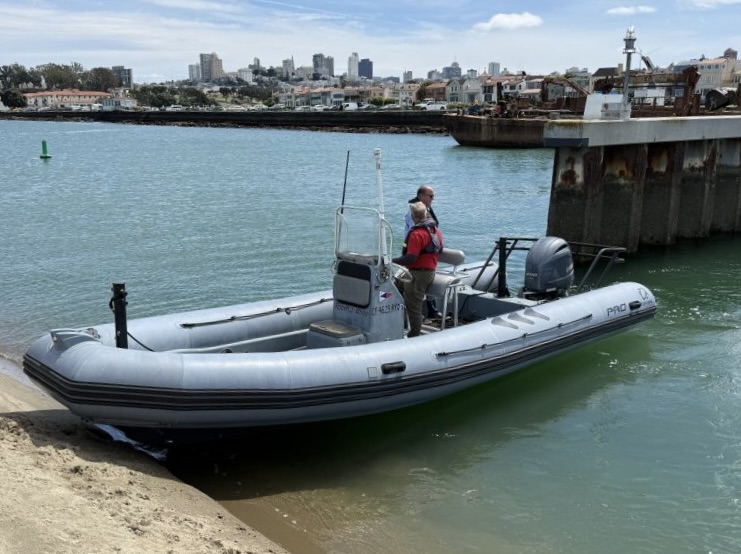
Peterson also noted, after conversations he has had with other sailors and boat owners, that most are sympathetic with the harbormaster and staff, thinking there is nothing they can do, and that it is an issue with S.F. Rec and Parks and DPW leadership. Sean Svendsen, also a Knarr sailor, noted that he had recently run aground three times while trying to sail back into the harbor.
San Francisco Rec and Parks hired a dredging company that was semi-present with an old, rusty barge and an equally rusty claw digger. Harbor tenants said the methods used were largely ineffective, and that the crew was not often on the job.
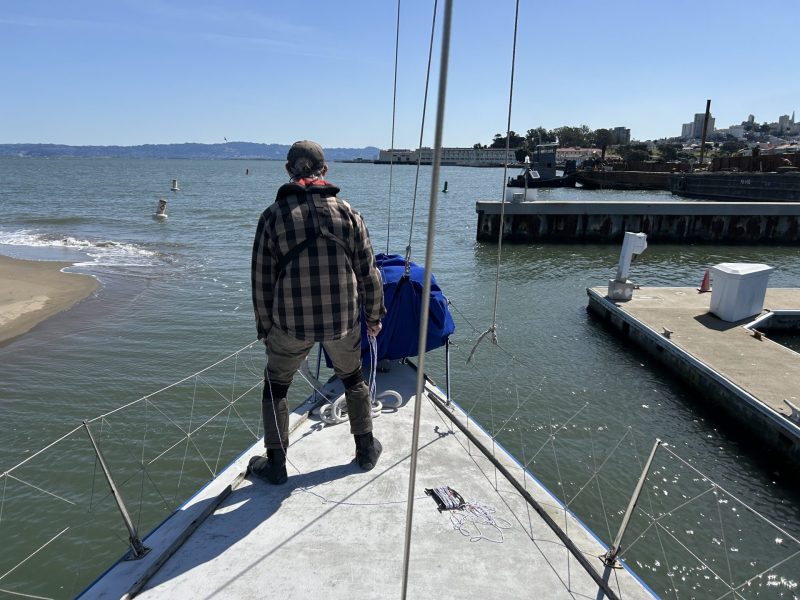
On April 23, San Francisco Rec and Parks announced that they had fired the original dredging company they had hired, and that a new dredger was scheduled to take over in early May.
“Dredging began earlier this spring, but progress fell short of expectations due to contractor performance,” Tamara Aparton, deputy director of Communications and Public Affairs at San Francisco Rec and Parks, told us in a statement. “We’ve taken decisive action to bring on a new dredging contractor with the capacity to complete the work quickly and effectively. Active dredging is expected to begin the first week of May. The good news is we are addressing both the immediate issue and the long-term solution. Our priority is restoring reliable access to the marina as quickly as possible. Looking ahead, the Marina Improvement and Remediation Project, including a new breakwater, will significantly reduce sand buildup and improve conditions at the harbor entrance.”
The condition of the harbor entrance has already impacted the racing season for boats based in San Francisco. St. Francis Yacht Club (StFYC), whose racing program relies on the accessibility of the entrance, was forced to cancel its Spring Fest regatta, one of the first major regattas of the year on San Francisco Bay. StFYC cited strong winds and weather, along with the safety of multiple fleets trying to maneuver into and out of the harbor.
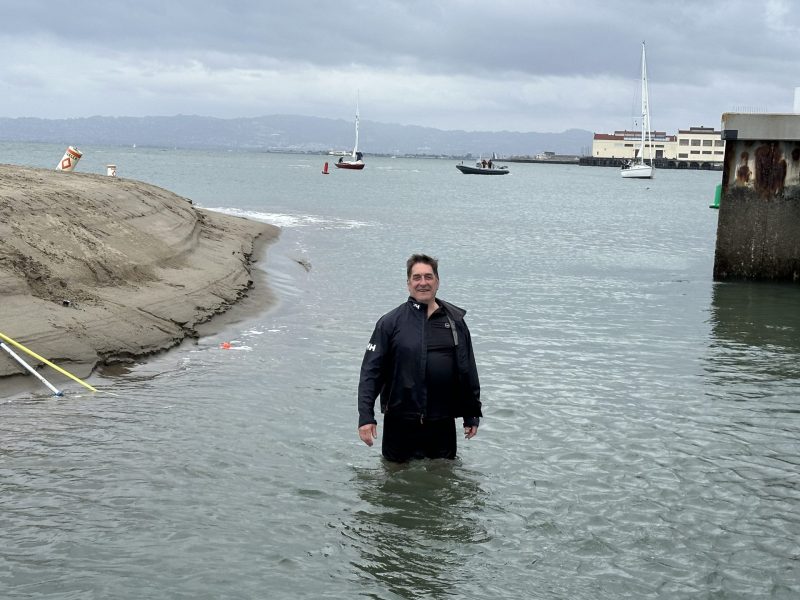
The Knarr fleet had already backed out of Spring Fest due to concerns about wooden boats without motors sailing into and out of the harbor, particularly back upwind through the narrow entrance. The cancellation of Saturday’s racing was announced, followed by a cancellation of all racing that weekend. StFYC’s participation in the April 26 Opening Day on the Bay was all but canceled. The first Wednesday of the club’s Wednesday Evening Racing Series has already been canceled, and it seems likely that more Wednesday races will be canceled.
The next major regatta of the season for many of the one-design fleets is San Francisco Yacht Club’s Elite Fleet Regatta in May, highlighted by the massive J/105 fleet, and Corinthian Yacht Club hosting the Knarr and Folkboat fleets. While both of these clubs are based in Marin, a significant portion of the competing fleets are based in the Marina West Harbor. On the same weekend, StFYC is scheduled to host its annual Elvstrom/Zellerbach Regatta, one of the Bay Area’s biggest annual dinghy regattas. The event usually draws over 100 boats, the majority with junior sailors ranging from ages 7 or 8 to teenagers. With the current state of the harbor entrance, it’s uncertain if the event will take place. There is also the question of safety for junior sailors participating in the high school sailing programs at StFYC and Golden Gate Yacht Club, weekend learn-to-sail classes, and youth race teams.
“It’s unsafe, and we’re not getting the benefits.… We’re paying super-high rents,” the SF Marina boat owner adds. “We’re supposed to have a first-class harbor and what we have is a Third World harbor. Right now you can only come in or out on high tide, and even then sometimes you can’t get in or out.”
With the new dredging program in place, there is hope that the harbor entrance will return to normal. Regardless of if and when the harbor entrance issue is resolved, it will likely take time to repair the relationship and trust between S.F. Rec and Parks and the tenants of the Marina West Harbor.
[Correction: We received a call from the San Francisco Department of Public Works letting us know our reporting was inaccurate when we reported they were responsible for the dredging. They let us know they have nothing to do with the dredging and it is the responsibility of the San Francisco Rec & Park.]
Oakland Yacht Club Sails Sunday Brunch
OYC’s 2026 race program kicked into gear on Sunday, January 4. It was a very rainy day, and the RC PRO (whoops, that was me) decided the racers were already wet after the first lap; the wind was good, so I sent them on the second lap of the course. Most were happy to stay out and race, got their foulies wet and then headed back to the Club to try to dry out and enjoy the after-race buffet, the bar and prizes. There were a few comments about how the only dry people in the room were the race committee!
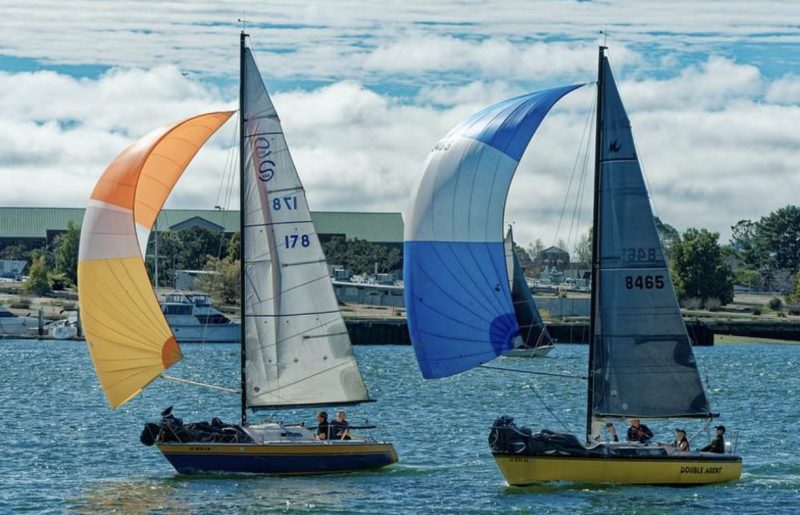
At the next race on Sunday the 18th, we started with Kame Richards speaking about Estuary awareness. The focus of knowing the impact of buildings and other objects along the Estuary, how to use them to racers’ advantage and when to avoid them if possible can make a difference. As always we had a great turnout and we all learned from the presentation and discussion. Afterward we passed the hat for a donation to Alameda Community Sailing Center (ACSC), and raised $400+.Their mission is to provide opportunities for participation in sailing on San Francisco Bay through access and education. And they have a wonderful scholarship program, so many who perhaps otherwise couldn’t afford it actually can attend and learn to sail!
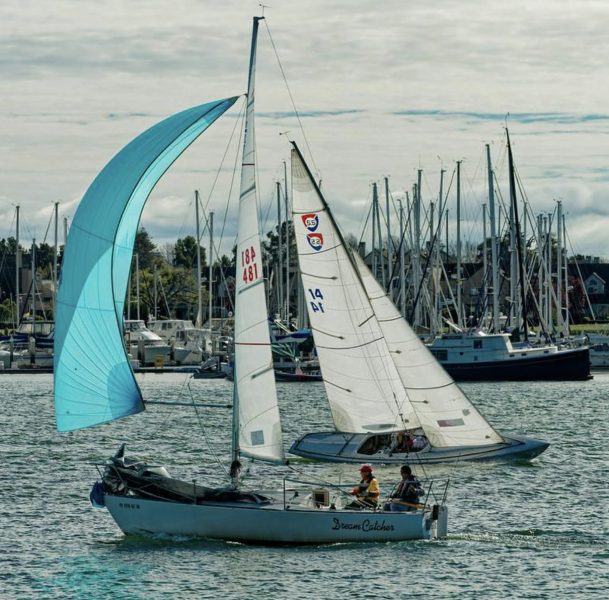
Race two offered very different conditions from race one, with little to no wind even up to the start. So the race committee went with the shortest courses available to support the possibility of all finishing. And it worked. It was slow going, and there was pretty good ebb, so it was very challenging. Sailing and racing in moderate to heavy wind is more predictable than in light wind, and some of us see light-wind sailing and racing to be more difficult — takes more finesse and less muscle.
Race four was forecast to have rain, but it was somewhat delayed, so we managed to get in a race with 25 boats. The wind was 12–14 knots with substantial gusts throughout the races. There was a full ebb with a change of about 6.5 feet (strong), wind from the north, and all raced Course #9 — meaning the second leg had the ebb to help them along. There was some great racing!
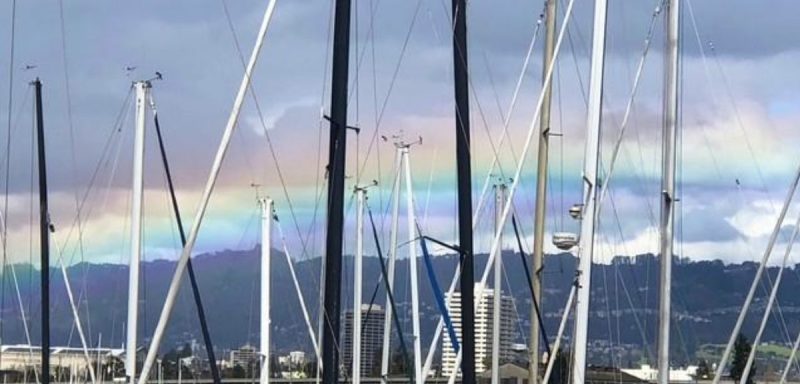
Race six started with another in our Speaker Series: Ryan Nelson, owner of Rogue Rigging, joined us to talk about rigging and rig maintenance, sharing useful tools and parts options and answering questions about maintenance you can do. And he brought his mangled-parts collection, which is a bit scary. Overall it makes you more aware and in tune (pun intended) with keeping your rig tuned and maintained.
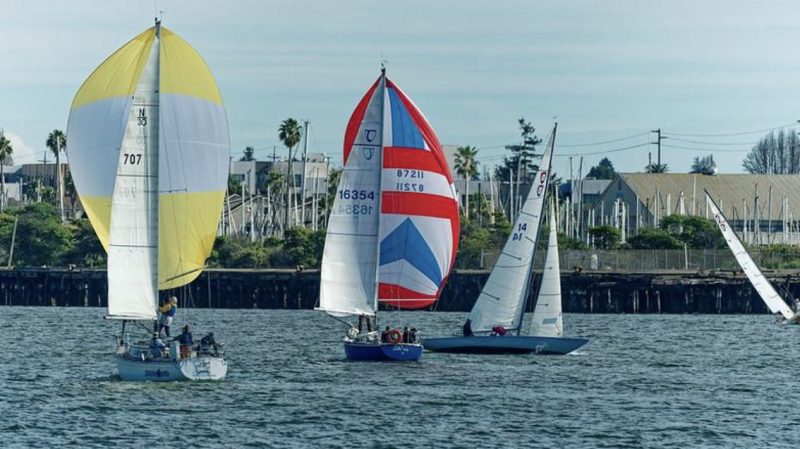
Race seven: Oh, but you have to love light-wind sailing in the Estuary. A short postponement, and then with wind at 4, maybe 5 knots and some glass here and there, we rolled into the starts. The wind picked up just a little, but not trusting it to hold, we went one lap on short courses. In hindsight, we probably could have picked longer courses, but it’s always a tough call. So, short races and back to the Club for race prizes, series prizes and lots of hanging out talking sailing.
It was a great Sunday Brunch at the Oakland Yacht Club.
Visit Naos Yachts for Full Sales and Service
Sequoia Yacht Club Upgrades Junior Sailing and Learn-to-Sail Fleet
The South Bay Port of Redwood City became the center of multiple youth-sailing programs on the morning of Saturday, April 25, when over 20 high schools competed in a NorCal divisional regatta on the same waters as the Sequoia Yacht Club’s Junior Sailing/Learn to Sail program. Andrew Lesslie, the new organizer of Sequoia YC’s youth sailing, has done an admirable job of upgrading their fleet to include four new RS Zests to add to existing El Toros and Lasers, and create staffing to serve the club’s grade-school students.
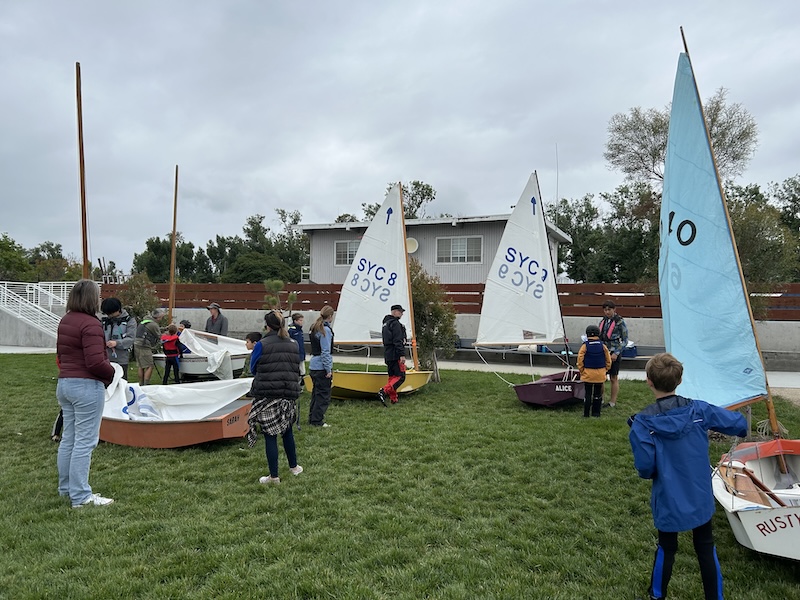
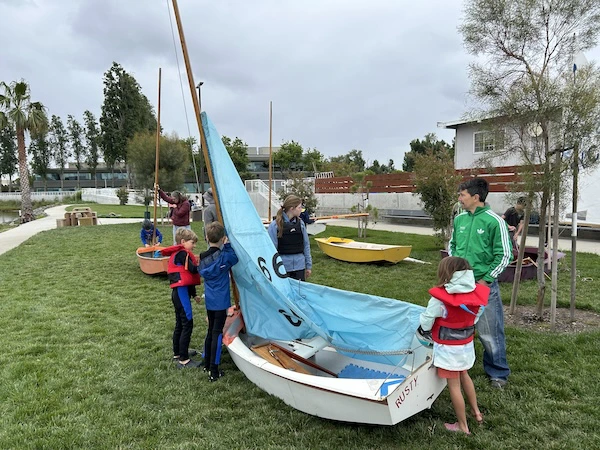
The spirit of cooperation among instructors, parents and students was evident in the well-coordinated effort to rig and splash the boats, which consisted of two Zests and five El Toros. Recognition that the sooner boats are in the water the longer will be the instruction on the water, kept everyone moving quickly to the docks, which were congested with high-school competitors.
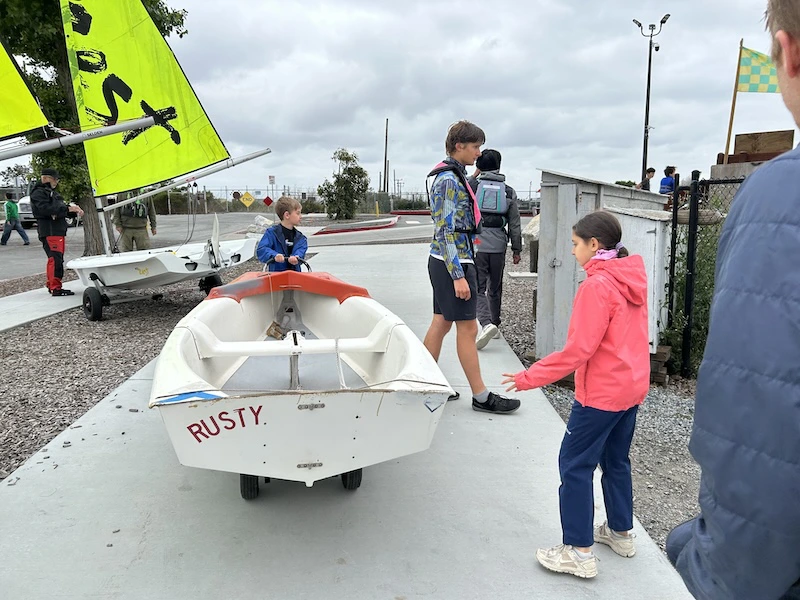
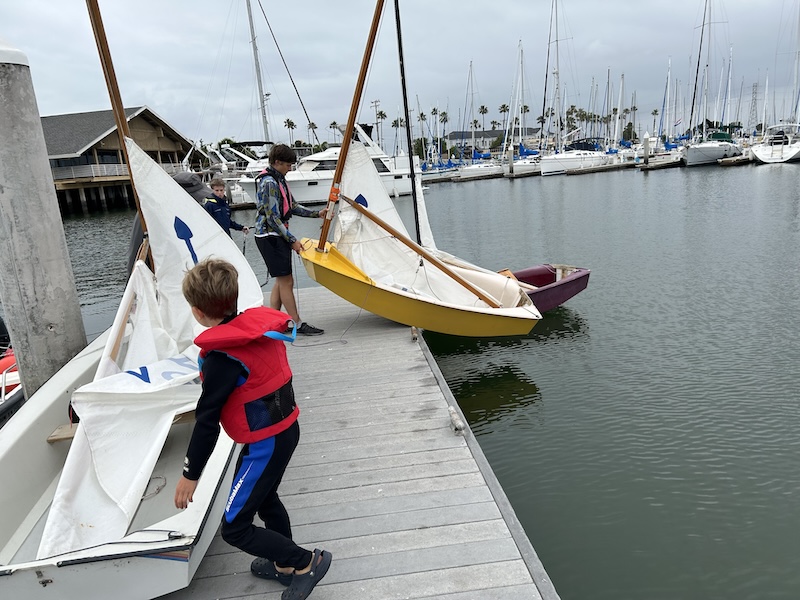
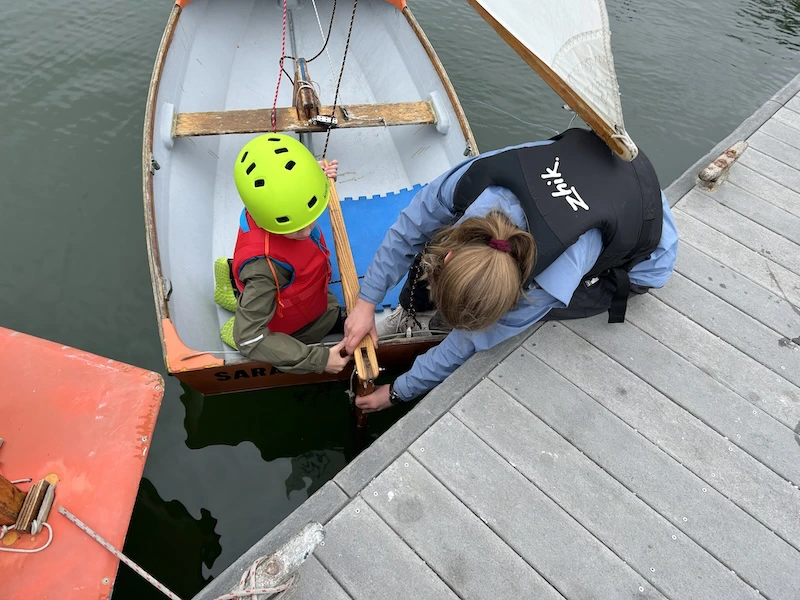
Latitude 38 was invited to join the instruction RIB for the two Zests, which were crewed by four grade-school kids who were on these boats for the first time. Lead instructor Daniil Gurenkov, a high school senior headed to Brown University in the Fall who holds a US Sailing Level 1 certification, towed the boats out to uncrowded waters. Here he set up two marks to allow the crews to reach back and forth with good boat speed and minimum tacking in 8–10 knots of breeze.
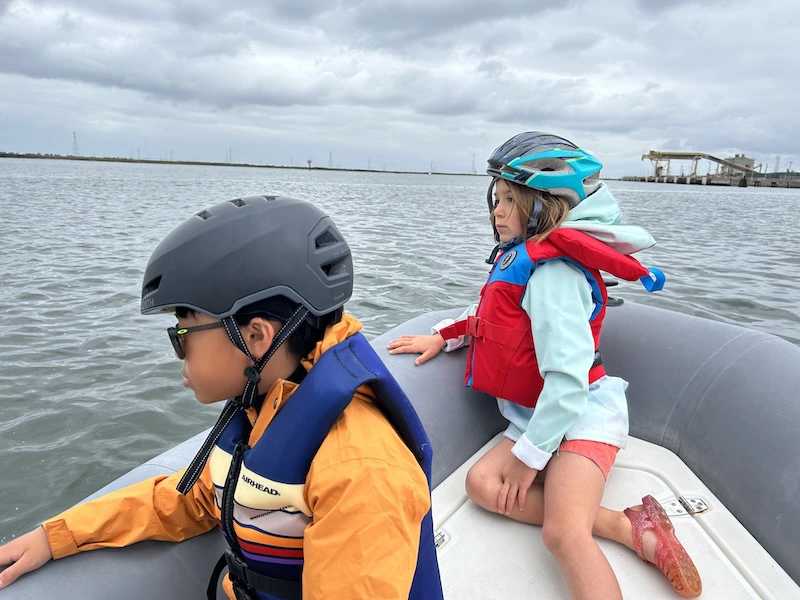
For those of us who learned our sailing in the cockpit, it was truly amazing to see Daniil transmit basic sailing skills from the Sequoia YC RIB to kids in the Zests, who were often at very different locations on his reaching course.
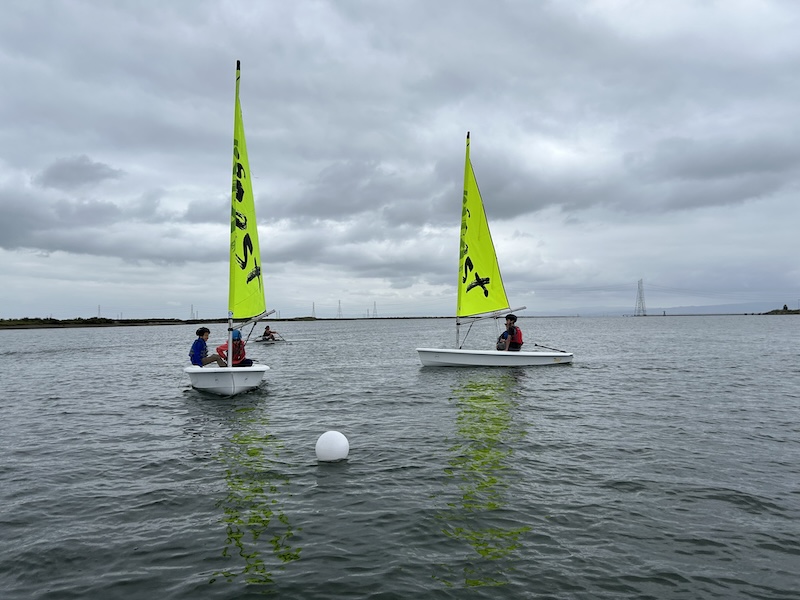
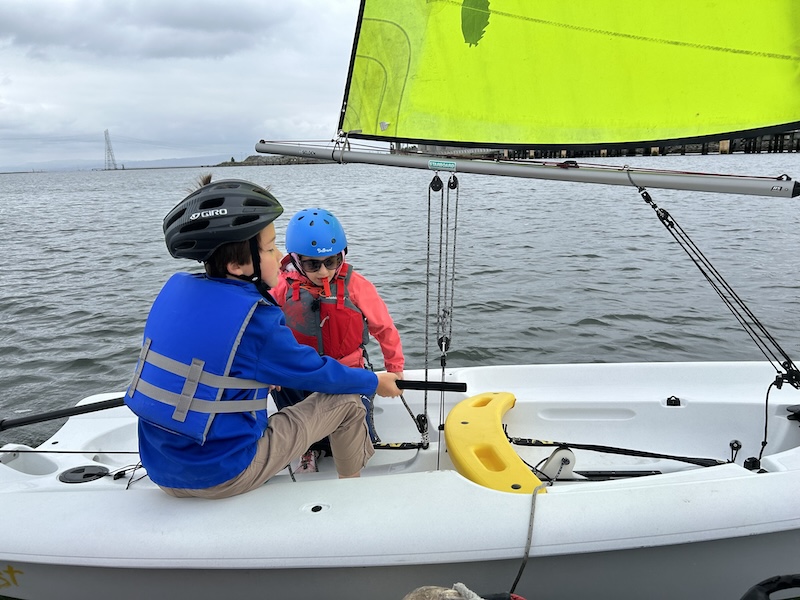
Using a friendly, supportive tone of voice, Daniil managed to convey:
– proper positioning of each kid on the boat to keep it balanced and sailing flat;
– proper use of the tiller extension with one hand, while trimming the main with the other;
– proper trim of the mainsail using telltales on the leech of the main;
– proper rounding of the marks by tacking rather than jibing — each kid wearing a helmet to protect against a swinging boom;
– right-of-way instruction to avoid transversing four- and eight-man crew shells by aiming at their sterns.
In addition to the talent required to provide sailing instruction, Daniil had to acquire excellent boat-handling skills to maneuver the RIB alongside the Zests, where he occasionally had to reach into the Zest to correct a problem!
Sailing with crew requires collaboration that we are gratified to see being executed so well among the instructors, students and parents of this very well-organized juniors program.
Baja Ha-Ha — A Crazy Ruckus or Supportive Cruising Fleet?
As the Baja Ha-Ha “Newbah” Chuck Skewes settles into his role as the new Grand Poobah, he reflects on his first and subsequent thoughts about what the Ha-Ha means to sailors.
When I first heard of the Baja Ha-Ha, I was not really sure what it was. Shortly afterward, I started racing sailboats down the coast to Cabo, Puerto Vallarta and other destinations. It wasn’t until 2013 that I decided to do the Baja Ha-Ha.
Prior to joining, I’d thought it was mostly a party and a crazy ruckus heading down the coast, leaving a trail of turmoil in its wake among the small communities that lie on the Pacific coast of the Baja Peninsula. I had even heard of other people who thought the same. Some were purposely traveling on either end of the Baja Ha-Ha so they would not be caught up in it.
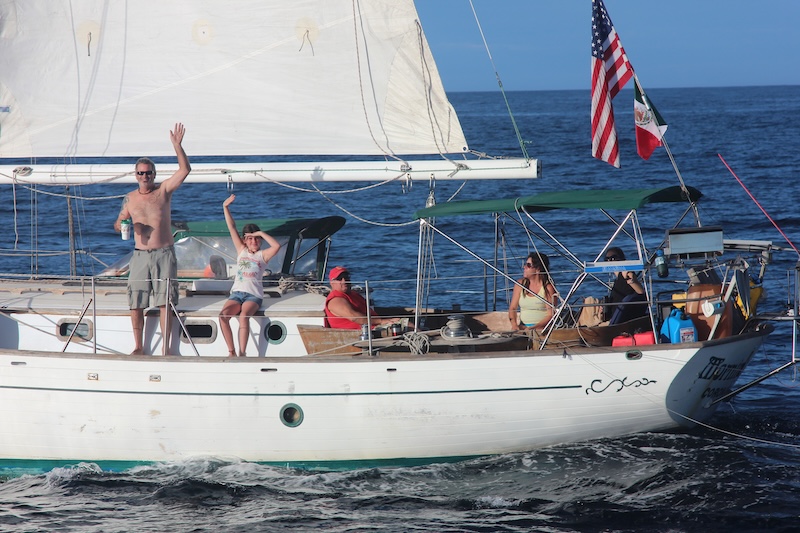
In 2013, a couple of my friends, who had just bought a 48-ft sailboat and were planning on sailing until they decided they were tired of it, wanted to do the Baja Ha-Ha and asked if I would like to join them for that part. They wanted more experienced hands on board until they felt confident in traveling with just the two of them.
I worked until an hour before we left the dock, still not getting involved and seeing how the rally unfolded. We left under drizzle and a light southerly breeze, heading for Turtle Bay. The couple I was sailing with wanted to sail the entire way if possible. The wind picked up from the north the next day and we arrived in Turtle Bay a day later. This is when I realized why the event was so popular, and its value to anyone sailing south.
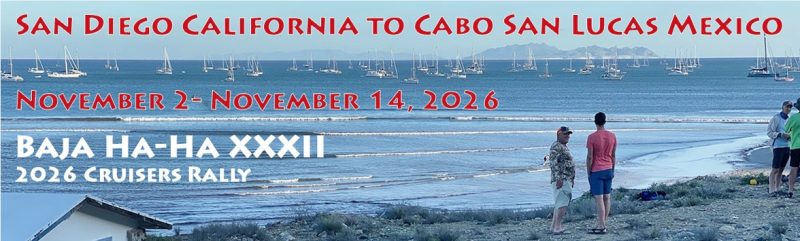
The first morning after being in Turtle Bay, we turned on the radio to listen to the “Net” hosted by Richard Spindler. We tuned into the Net on the SSB each morning while underway, for roll call. Participants gave their location; some sailors reported hazards (i.e. fishing nets, whales, etc.). But when we were in port, the Net showed the true spirit of the event.
The Net started with asking if there were any medical emergencies, and then, if anyone had a mechanical problem that would make it impossible or difficult to continue. Several people came on with charging issues, overheating, torn sails, instrument issues and the like. As people brought up their problems, others responded with ways to help. These people would then move to a different channel to work on their issues together. There was almost a 100% success rate in handling the issues.
Gregg — Thank You for the Note and for Renewing
Among the great things about going to the Latitude 38 mailbox are often the notes we get along with the checks we receive from subscribers. As the note below says, “Latitude 38 Crew — Thanks so much for the best sailing rag around … and don’t EVER QUIT!!” We appreciate the appreciation that continues to inspire our efforts to tell the stories, highlight the fun, and follow the adventures of West Coast sailors. Of course, the check helps us pay the printer, the postman, the Latitude 38 writers and crew to keep the magazine coming.
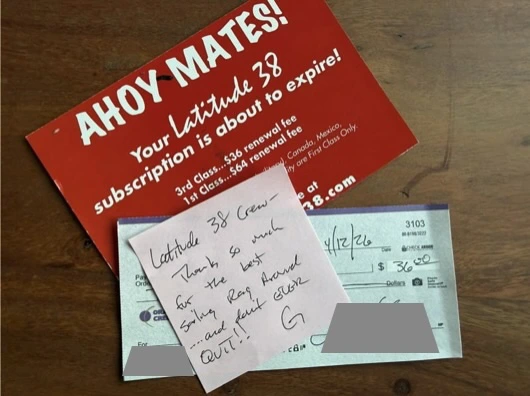
A small check to our mailbox once per year guarantees Gregg will have at least one fun trip to his mailbox in Sunset Beach, CA, every month for a whole year. Compared to the monthly cost of a cellular phone, home Wi-Fi and other services, the annual cost of a Latitude 38 subscription is positively cheap. We’re actually realizing it’s too cheap. Given the rising postal rates, we’re planning a long-overdue increase in subscription rates at the end of May. If you want to enjoy the trip to the mailbox at least once a month, now is the time to subscribe to Latitude 38.
You can read the current issue online here until the new hard-copy issues start arriving in your mailbox.
Thanks, Gregg, for both the check and the note. We’re doing our best.
Life Is Better With a Boat — Find Yours Today With Cruising Yachts