

No More Anchor-Outs in Richardson Bay’s Eelgrass Protection Zone
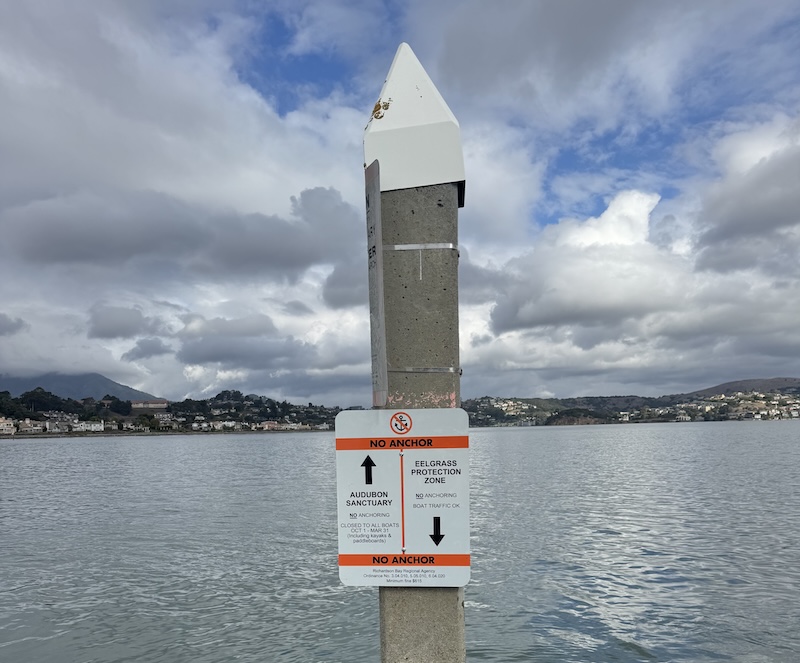
In 2024, the Richardson Bay Regional Agency (RBRA) commenced a program to remove all illegally anchored boats (anchor-outs) from Richardson Bay’s Eelgrass Protection Zone (EPZ). Less than two years later, the agency says it has completed its mission of clearing the 700-acre area. Agency board chair Jack Ryan called the development a “huge accomplishment” for “everyone who appreciates and supports the enormous environmental benefits of Richardson Bay.”
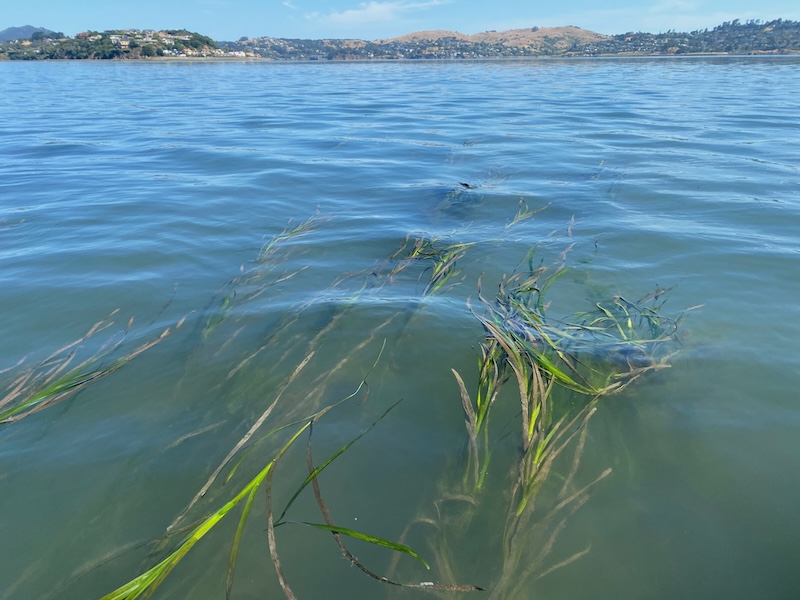
In 2022, there were more than 100 vessels in the area now designated as the EPZ, most of them occupied by liveaboards. The residents were encouraged to move off their boats and into safe, secure housing on land through the help of the RBRA’s Temporary Supportive Housing Program. The program, which was created in 2023 with $3 million in state funds, provided housing vouchers to eligible participants living on the waters of Richardson Bay. At the time of the program’s launch, around 60 individuals were living in vessels and houseboats on Richardson Bay. By the time the Eelgrass Protection Zone was designated, there were still more than 20 boats within the off-limits area, but with the relocation of the final remaining vessel late last month, the area is now officially clear.
“When we started the process of relocating illegal boats off Richardson Bay, the heart of that mission centered on protecting our eelgrass, which is truly a foundational element of our local ecosystem. To have those precious waters in the EPZ finally free of the damaging presence of boats is an amazing culmination of that goal,” Ryan said.
Although the EPZ is clear, two boats remain anchored in Richardson Bay. One belongs to an individual actively seeking housing in collaboration with the RBRA program; the other occupant is enrolled in the agency’s Safe and Seaworthy program. Both are thereby eligible to remain in the anchorage until October 26. With the exception of these two vessels, anchoring is allowed for up to 72 hours without a permit.
To date, 26 individuals have been housed via the RBRA program. Since 2022, 51 people from the anchorage have been housed with the assistance of assorted programs. “We continue to see great progress in our mission to protect and restore Richardson Bay so that everyone in our community can enjoy this amazing waterway,” RBRA executive director Brad Gross said.
In addition to removing the anchored boats, the RBRA is engaged in removing debris that “gets in the way of efforts to replant eelgrass.” From an area of only one acre — or less than 1% of the former anchoring area — the team pulled out more than two tons of marine debris during a weeklong operation in 2025. The collected debris included two small boats, a shopping cart, garden tools, marine batteries, several outboard motors and portable generators, a PlayStation; an electric foot massager, a microwave, an office chair and an electric keyboard. The list goes on. There was also an an array of the usual suspects: empty motor oil and fuel containers, anchors and chain, fishing nets, tarps and more.
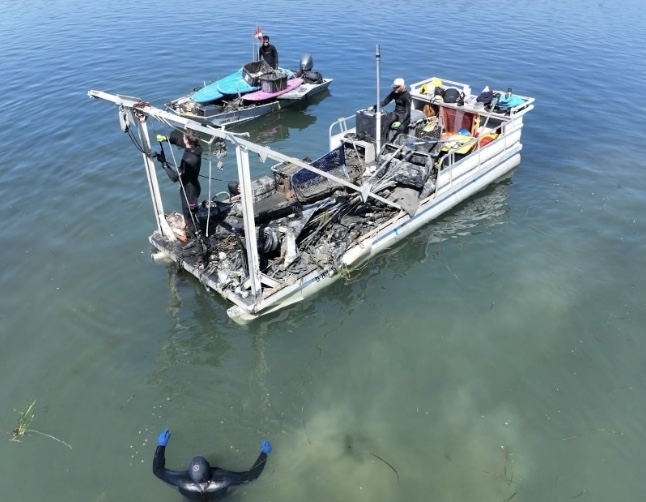
The cleanup aims to restore at least 15 acres of eelgrass by 2027 and provide job training for early career conservationists from disadvantaged communities.
Stormy Sailing in the Rollo Wheeler Regatta
On April 11 and 12, Berkeley Yacht Club (BYC) hosted the 53rd edition of the Rollo Wheeler Regatta. The event consisted of two races with three PHRF fleets and an Express 37 fleet on Saturday, and a combined pursuit race on Sunday.
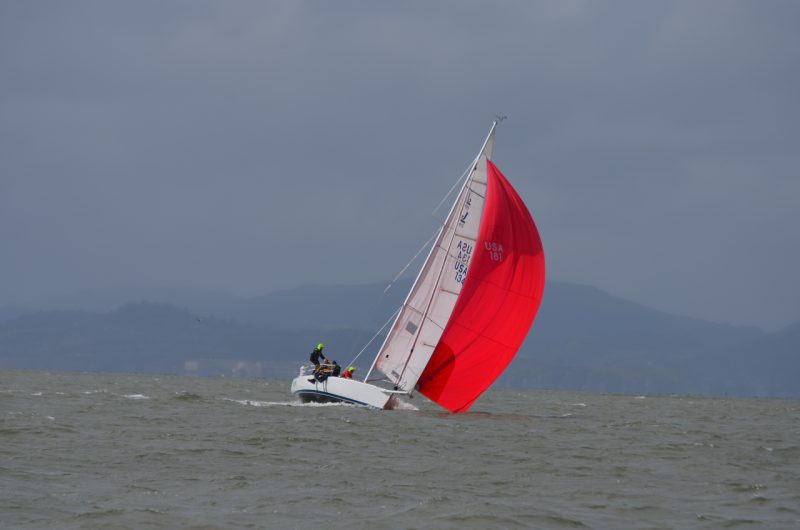
Twenty-four boats registered to race on Saturday, but many of them didn’t sail for the full day due to stormy weather. Two races were sailed in each fleet, with the boats that didn’t go home rewarded with nice breeze and only occasional rain showers.
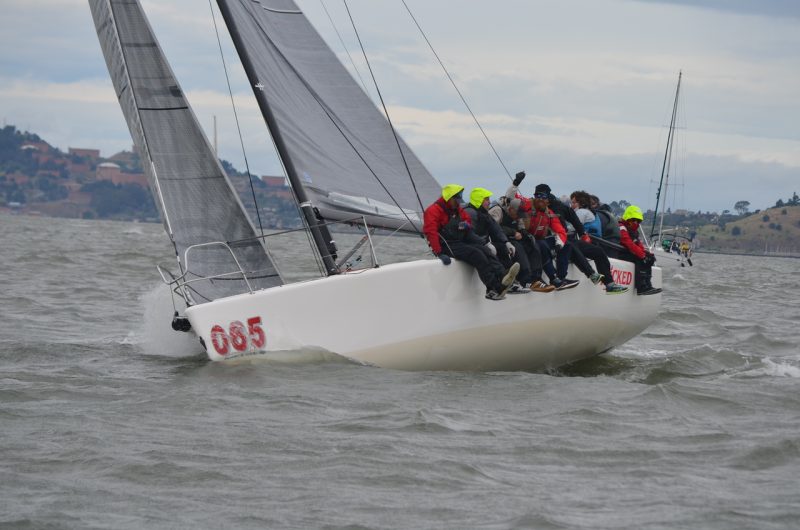
The Express 37 fleet was won by Michael Laport’s Golden Moon (StFYC), who won the first race and finished second in the second race, placing one point ahead of Bartz Schneider’s Expeditious (SFYC), who won race two and was third in race one.
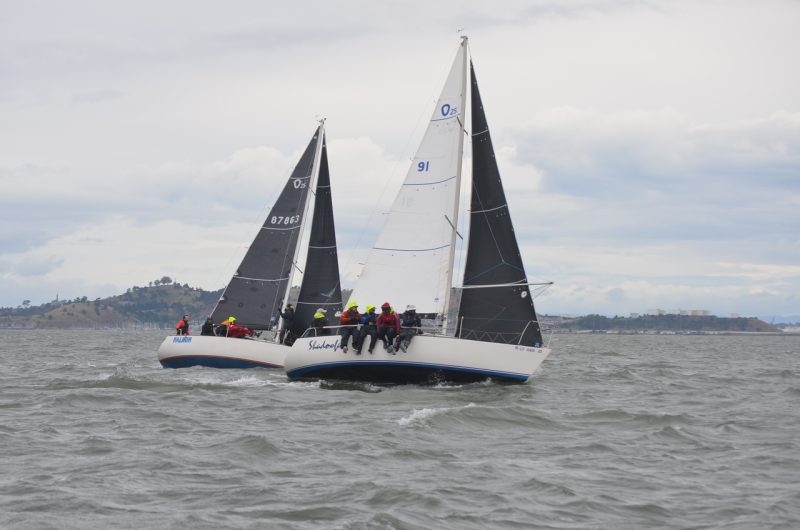
Nesrin Basoz’s J/111 Swift Ness (RYC) topped the first PHRF fleet, winning both races. The second PHRF fleet was won by Wowla (RYC), a J/100 sailed by Lori Tewskbury, also winning both races. The final PHRF fleet was similarly won with two bullets by JP Camille’s Olson 25 Shadowfax (BYC).
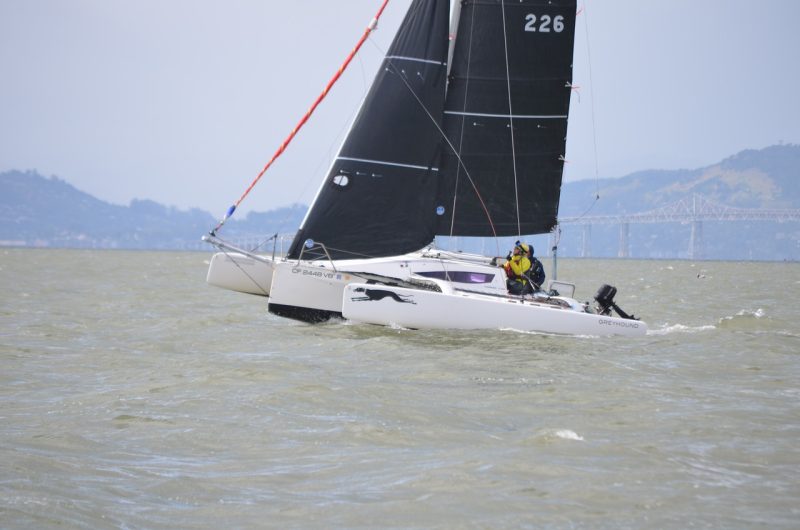
After Sunday’s pursuit race was delayed to let a squall run through, six of the originally registered 20 boats sailed. Richard vonEhrenkrook’s Cal 20 Can O’Whoopass (SSS) won the event, with Swift Ness finishing second, four minutes behind the winner on both corrected and actual time.
Reading Latitude 38 Is Good for Your Health!

Zihuatanejo Sailfest 25 — Fun With Philanthropy
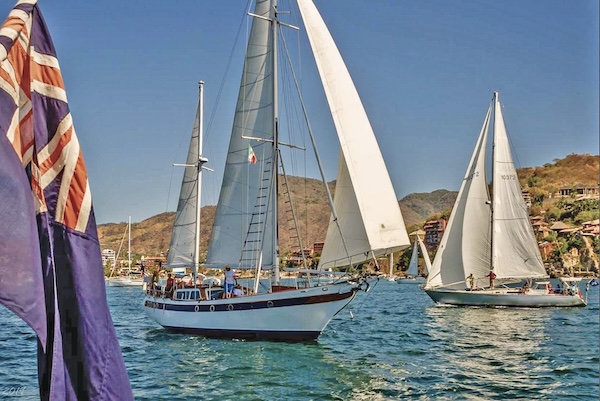
The Pacific Coast town of Zihuatanejo, Mexico, offered a jam-packed schedule of sailing events, musical entertainment, cultural celebrations and educational programs during an almost two-week run, February 15–28. The event, begun 25 years ago by Latitude 38 founder Richard Spindler, attracts cruisers from around the world to participate with locals and tourists to benefit local schoolchildren through the event’s nonprofit charity, Por Los Niños.
Many tourists in Zihuatanejo plan their vacations around the Sailfest dates in order to participate in the various waterborne events: the Sail Parade to Ixtapa, Rally Round the Rock Regatta, and sunset music cruises. Ashore, there are school visits, walk-run fitness events, a chili cook-off, a live auction, beachside pig roast, gala dinner and a host of other activities. It’s no wonder that some boats return year after year: It’s a terrific opportunity for cruisers to give back some of that famous Mexican hospitality to the community by offering short sailing adventures to local residents, and to landlubbers escaping the winter cold.

As always, the event kicks off with the annual Sail Parade between Zihuatanejo and Ixtapa. For a modest donation, guests are welcomed aboard a yacht of their choice to enjoy a beautiful cruise between the two neighboring harbors as spectators cheer from the beaches and waterfront condominiums onshore. Many boats opt to extend the cruise with an excursion to beautiful Isla Ixtapa, a private island with swimming and snorkeling opportunities and fabulous waterfront restaurants.
Throughout the week, captains and their crews also welcome guests aboard for sunset cruises — many featuring top local or international musicians. Zihuatanejo has a vibrant music scene, and the choices include classical guitar, Latin rhythm, reggaeton, old-time rock ‘n’ roll, and blues. Cruises sell out quickly, and all proceeds go toward the school-building program, nutrition services and scholarships for deserving students.
Sailfest started out as a local celebration, but word spread quickly, and boats with flags from all over started showing up. One circumnavigator described hearing about Zihuatanejo Sailfest in multiple ports of call around the world, and was repeatedly told not to miss it. We — my husband Peter and I aboard our Tayana 47 Peregrina — showed up for our first Sailfest in 2018 and have been coming back ever since. This year was our ninth! Canadian cruisers Charlene and Kirk Wagner, aboard the Beneteau 393 Freedom Kirkland, met in Zihuatanejo during Sailfest in 2012. They married on the beach there in 2016 and have also been coming back every year since.
Latitude 38 Helps California Sailing Keep On Keeping On
2027 will be the 50th anniversary of Latitude 38. Richard Spindler and his wife Kathy started the magazine in Sausalito in 1977, the same year the Bill Lee-designed Merlin was launched from the chicken coop in Soquel. As Ed Vitrano said in the Parkinson’s story, we keep on keeping on. Though it’s a tougher world for sailing and publishing.
The ’70s were the heyday of American sailing and boat building. There were dozens of boat builders in the Bay Area, Santa Cruz, SoCal and particularly Costa Mesa. Hundreds of companies grew the sailing industry alongside all the sailing activity, and Latitude 38 helped them grow. We remain dedicated to connecting the West Coast sailing community to keep this activity thriving, support access to the waterfront, and bring you the stories that inspire you to cruise to Mexico, race to Hawaii, sail to the Delta or Catalina, and generally find good reasons to get the boat out of the slip and hoist your sails. California sailors are an amazing group of people who are lucky to have an amazing coastline and 12-month sailing season!
The world is changing faster than a seven-knot reach across the Bay, and to keep offering the stories and community connection, we do need to ask readers for support. You can contribute any amount here.
What keeps it gratifying are letters from readers like the one below:
“Mark Downing here, currently crewing on a Lagoon 42 in Polynesia, sailing from Taha’a to Bora Bora. Remembering the tragic demise of Wander Bird, I found Lat38’s post of the June 2019 collision and sinking in Germany.
“I’m curious what additional info you might be able to direct me to on the collision and aftermath, her raising(?), her current status.
“My father and his twin sister crewed on her when the Tompkins were running ‘summer camps’ to Hawaii; he was about 17–18 years old, had to be ‘39–’41. I have pix.
“Hats off to you and Lat38; I’ve been a fan/reader/occasional boat owner in S.F. Bay since 1999 and always loved the mag’s style, quality and quirky but serious reportage on Bay Area sailing and worldwide cruising. I’ve been on the Ha-Ha twice, the first trip when the J boat hit a whale and sank off San Quintin (no one lost!)
“Thanks in advance for any Wander Bird resources you have time to send my way.”
Cheers! – Mark Downing, crew, SV Dragonfly
We were able to send Mark an update of Wander Bird’s resurrection from last year and know some folks going over soon who will bring us the latest.
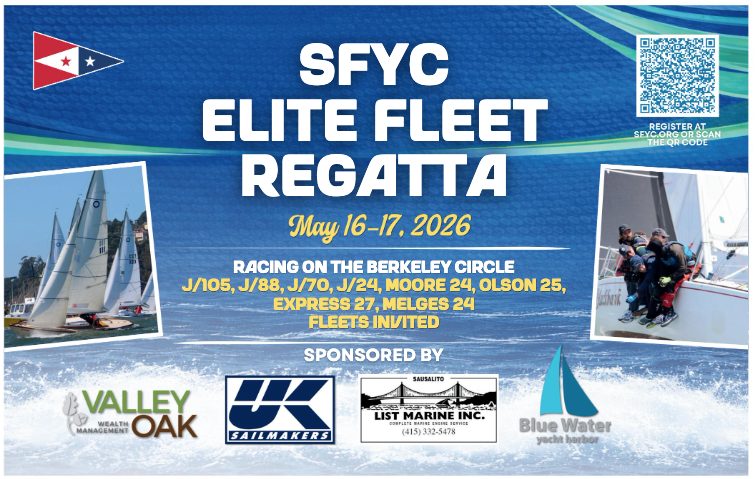
We appreciate all kinds of contributions like this letter of support from Mark, great photos sent in, articles written by Andy Schwenk and so many others. However, wars, tariffs, and general inflation have increased the cost of paper, ink, FedEx deliveries, postal rates and everything that makes a magazine possible. Financial contributions, subscriptions or purchasing an item from our store all help. We also appreciate our advertisers, and we’d love any referrals or ads to support your organization. Today we’ll thank the San Francisco Yacht Club for their ad in the April issue for their upcoming Elite Fleet Regatta on May 16–17.
Thanks to everyone who contributed to our last appeal. We hope you can join our growing list by contributing here.
For More Great Sailing Stories, Tune In to Good Jibes