

No More Anchor-Outs in Richardson Bay’s Eelgrass Protection Zone
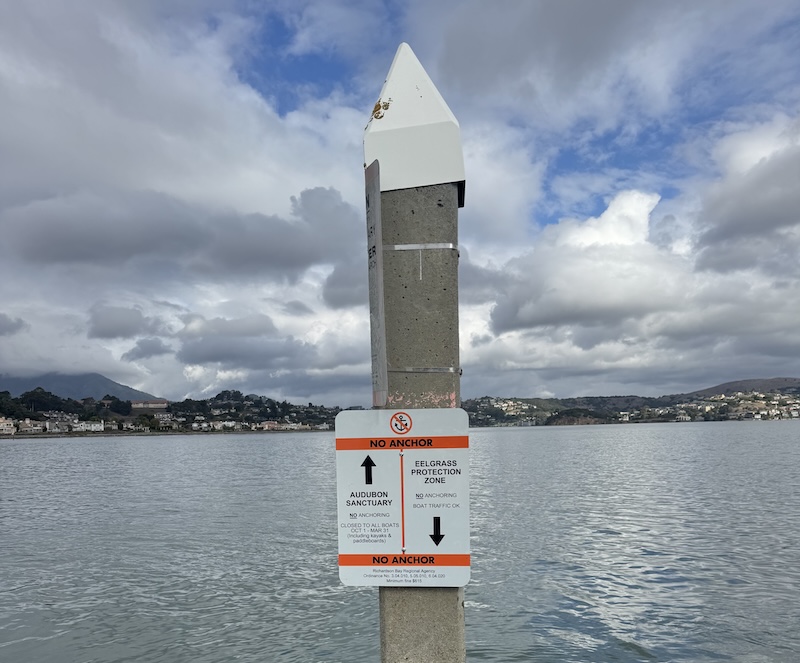
In 2024, the Richardson Bay Regional Agency (RBRA) commenced a program to remove all illegally anchored boats (anchor-outs) from Richardson Bay’s Eelgrass Protection Zone (EPZ). Less than two years later, the agency says it has completed its mission of clearing the 700-acre area. Agency board chair Jack Ryan called the development a “huge accomplishment” for “everyone who appreciates and supports the enormous environmental benefits of Richardson Bay.”
In 2022, there were more than 100 vessels in the area now designated as the EPZ, most of them occupied by liveaboards. The residents were encouraged to move off their boats and into safe, secure housing on land through the help of the RBRA’s Temporary Supportive Housing Program. The program, which was created in 2023 with $3 million in state funds, provided housing vouchers to eligible participants living on the waters of Richardson Bay. At the time of the program’s launch, around 60 individuals were living in vessels and houseboats on Richardson Bay. By the time the Eelgrass Protection Zone was designated, there were still more than 20 boats within the off-limits area, but with the relocation of the final remaining vessel late last month, the area is now officially clear.
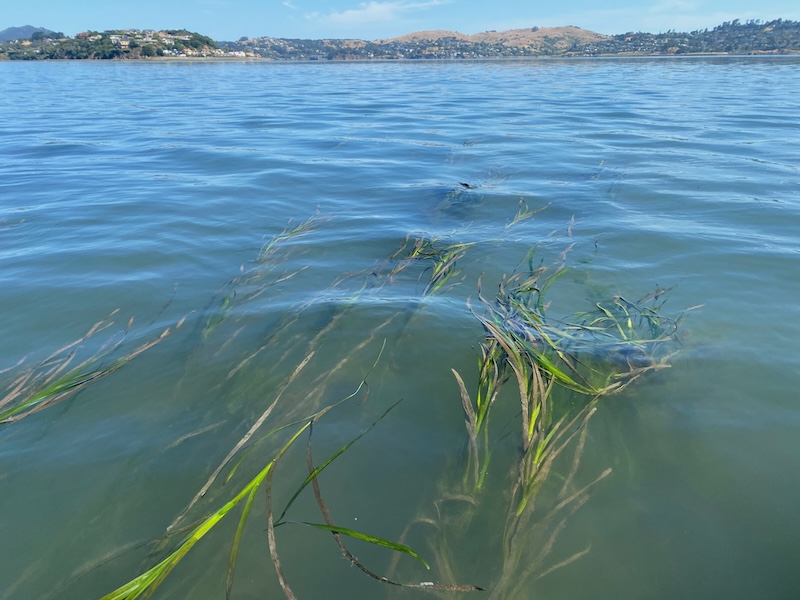
“When we started the process of relocating illegal boats off Richardson Bay, the heart of that mission centered on protecting our eelgrass, which is truly a foundational element of our local ecosystem. To have those precious waters in the EPZ finally free of the damaging presence of boats is an amazing culmination of that goal,” Ryan said.
Although the EPZ is clear, two boats remain anchored in Richardson Bay. One belongs to an individual actively seeking housing in collaboration with the RBRA program; the other occupant is enrolled in the agency’s Safe and Seaworthy program. Both are thereby eligible to remain in the anchorage until October 26. With the exception of these two vessels, anchoring is allowed for up to 72 hours without a permit.
To date, 26 individuals have been housed via the RBRA program. Since 2022, 51 people from the anchorage have been housed with the assistance of assorted programs. “We continue to see great progress in our mission to protect and restore Richardson Bay so that everyone in our community can enjoy this amazing waterway,” RBRA executive director Brad Gross said.
In addition to removing the anchored boats, the RBRA is engaged in removing debris that “gets in the way of efforts to replant eelgrass.” From an area of only one acre — or less than 1% of the former anchoring area — the team pulled out more than two tons of marine debris during a weeklong operation in 2025. The collected debris included two small boats, a shopping cart, garden tools, marine batteries, several outboard motors and portable generators, a PlayStation; an electric foot massager, a microwave, an office chair and an electric keyboard. The list goes on. There was also an an array of the usual suspects: empty motor oil and fuel containers, anchors and chain, fishing nets, tarps and more.
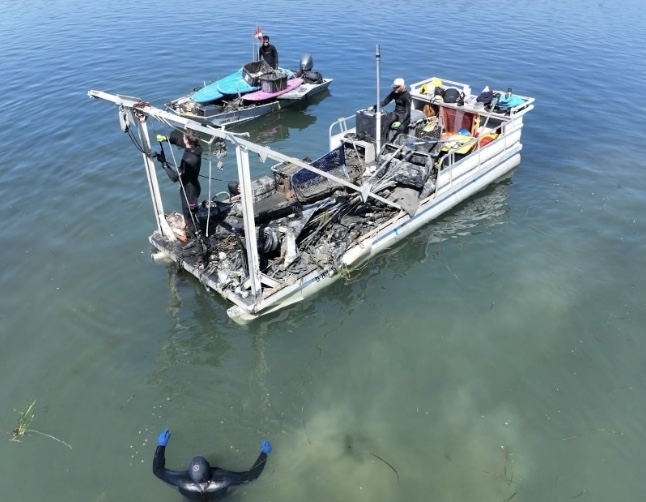
The cleanup aims to restore at least 15 acres of eelgrass by 2027 and provide job training for early career conservationists from disadvantaged communities.
Over the years, every time I heard about how bad the anchor out community was, it made my stomach turn. Those against anchor outs always had plenty to say about what the negatives of this community were; excess pollution, navigational hazards and most recently eelgrass…to name a few. Are these things true…probably not. But never did I hear about the positives? As a kid that was raised as an anchor out, I learned so many great things around really great people! I know first-hand how great this community really was and how it has helped me to be a successful, happy and liked adult. The anchor out community was so full of interesting, fun, water loving low-income people that always helped each other out when in need…the stories are long! In this day and age, this is something that is slowly being lost in most communities. So now, when I sail out of Richardson Bay, I am sad that the “anchor outs” are now gone and sorry for the world.
I am happy to see that. I cannot imagine all the junk and human waste that had been dumped into the bay by the people living on the floating dumpsters. Several years ago we did a tour and I was shocked by what I saw. So again happy it got cleaned up.
Are there any plans for moorings and a dinghy dock in the mix, to avoid anchor chain damage to the bottom there?
I was pleased to learn of the 30 day permit offered on Richardson Bay Regional Agency’s website and see the space they alloted for anchoring. Thanks for the links. I’m pretty sensitve to people on land trying to take my ocean away from me. Looks like somefolks actually put some thought into this. Elswhere they have not.
I’d stopped spending nights at anchor there after being really hassled and threatened at times by drug or alcohol compromised folks. Now, it is a whole different story, love it