
First Pacific Cup Starters Leave for Hawaii
The first 35 entries competing in the 2026 Pacific Cup have begun their journey to Hawaii, with two divisions (Doublehanded PHRF and PHRF Two) starting on Monday, June 6. Four more divisions (Doublehanded ORR, PHRF One, ORR Three, and ORR Four) started on Tuesday the 7th.
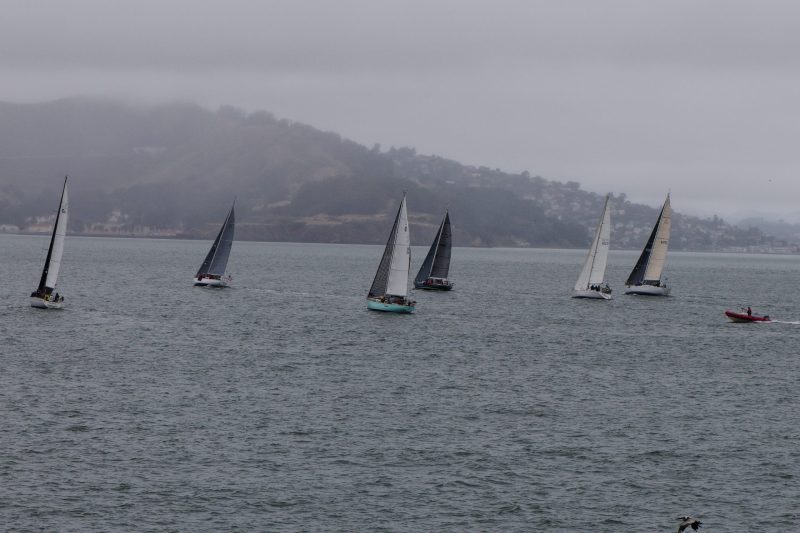
“The first day of Pacific Cup starts could not have been more orderly,” Pac Cup staff commodore, communications chair and deputy PRO Michael Moradzadeh tells Latitude of the starts on Monday.
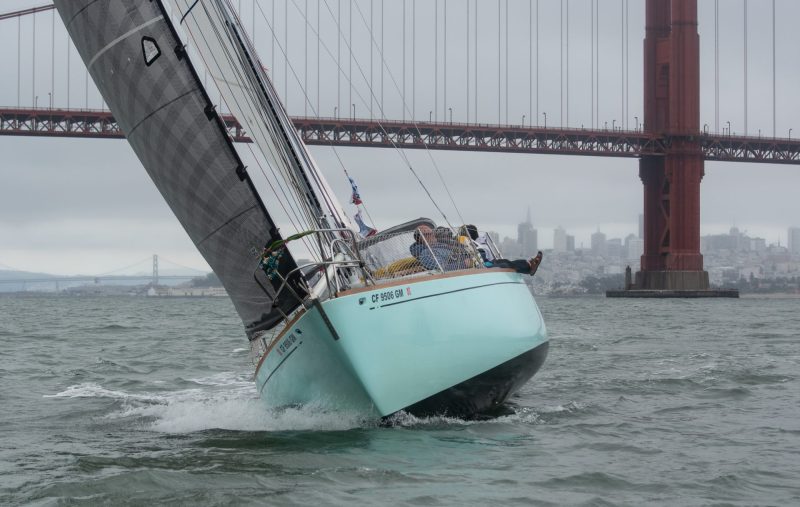
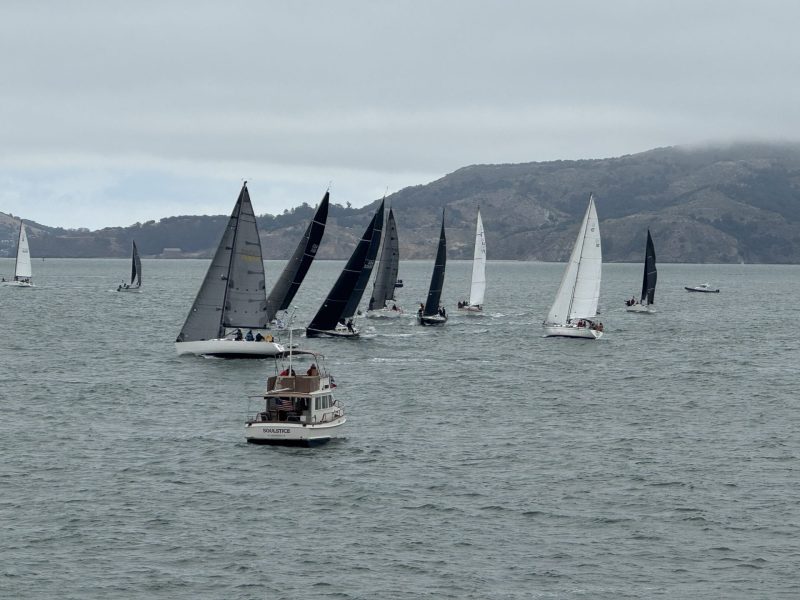
“A steady, modest wind, flat water and a light ebb made for ideal starting conditions.… Because the best ebb was in the middle of the Bay, we saw at least four boats cluster pretty tightly at the pin to get at it most rapidly,” he continues. “[Don Jesberg and his team on board] VIVA and [Jim Quanci’s] Green Buffalo led the parade with the other boats lining up behind.”
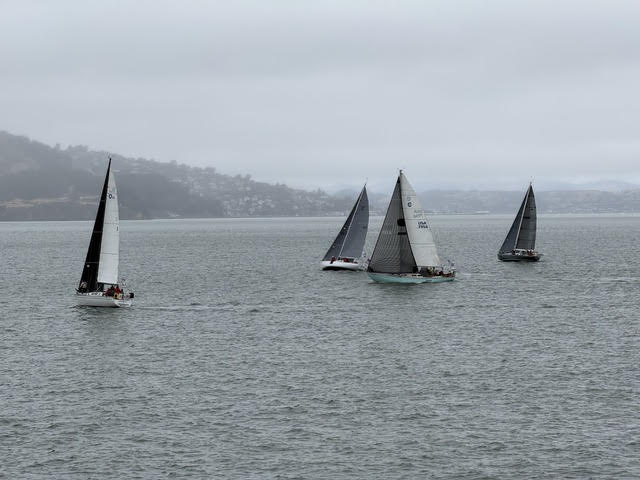
“Unlike a short race or a one-design race, most Pacific Cup racers take it very easy at the start, not engaging in the kind of aggressive boat-on-boat behavior that sometimes can lead to more excitement than anybody bargained for or is insured for,” Moradzadeh continues.
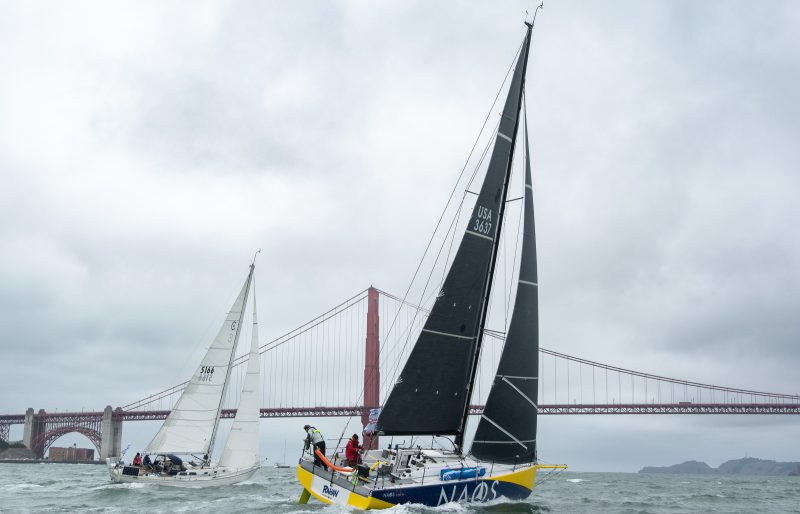
“[As boats are leaving the Bay,] they will probably sail to where they think they’re losing the ebb and do a few tacks to get clear of Mile Rocks and ultimately out into the open ocean,” he tells us. “Once there, they will need to make a few decisions on how to get sufficiently far offshore that they will be in the steady offshore winds that will take them to Hawaii. From there, they will need to make further decisions about where they will make the big turn toward the islands themselves.”
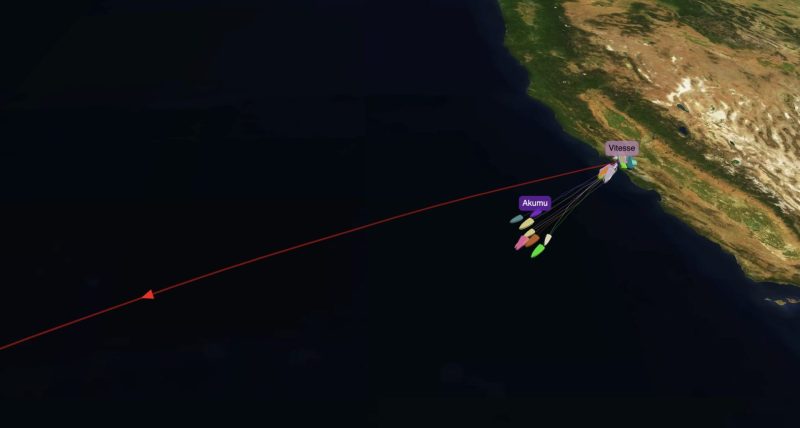
“As we look at the tracker, we see that most boats took a pretty sharp dive south, which, while not getting closer to Hawaii very fast, gets them closer to the warm winds blowing straight there as they transform into the trade winds and squalls that make this a thrilling ride,” Moradzadeh says of what to expect.
Tuesday’s starts saw a similar story for the four divisions that began their journey to the middle of the Pacific. With all of the starts right around low tide, boats tacked off the start line to get into the late ebb in the middle of the Bay, which quickly carried boats up to the Golden Gate Bridge.
The final two divisions, which feature a combined 14 boats, will depart on Friday. The ORR Two division features six boats, including Oaxaca, which is being sailed by a team of Cal Poly Maritime sailors, and Kimo Winterbottom’s Halawa among others. The ORR One division, the last one to start, will feature dramatic and legendary ocean racing boats such as Roy Disney’s Pyewacket 68, Michael Firmin’s Zeus, Chip Merlin’s Merlin, Tina Roberts’ Ragtime and more.
A 1983 Classified Ad Forges a Cape Horn Adventure and a Lifelong Bond
An innocuous classified ad placed in the September 1983 issue of Latitude 38 set off a remarkable chain of events. Franz McVay, a Silicon Valley pioneer and owner of the Swan 65 Cygnus, needed crew to help him cross the South Pacific. Meanwhile, 24-year-old Rob Andrews had just hitchhiked from Vancouver, Canada, down the US West Coast in search of a bluewater adventure. Rob answered the ad, landed a job preparing the Sausalito-based yacht for the Pacific, and eventually worked his way up to captaining the vessel.
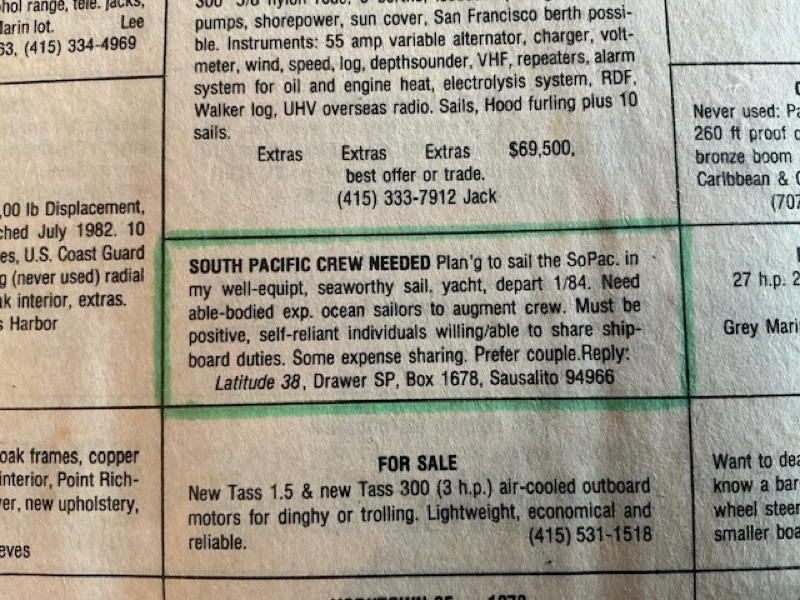
Meanwhile, Max Fletcher had left Maine with his wife and 9-month-old son for a planned circumnavigation aboard his Westsail 32, Christopher Robin.
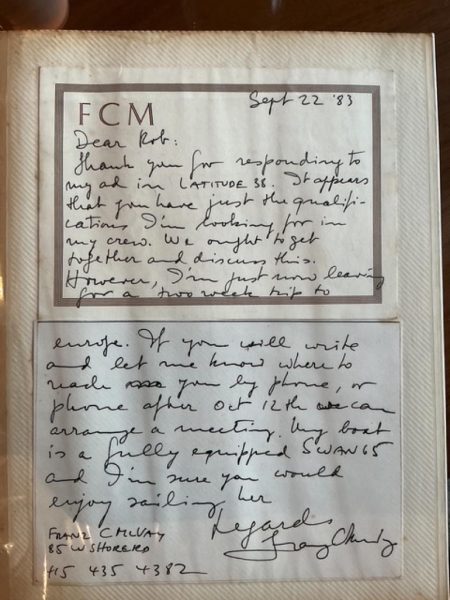
The two sailors’ paths crossed when Rob and Max both decided to climb Rainmaker Mountain in Pago Pago, American Samoa. A fast friendship was forged, and Cygnus and Christopher Robin frequently crossed tacks over the next few months as they cruised through Tonga, Fiji and New Zealand.
A Change of Course in the Bay of Islands
New Zealand’s Bay of Islands is one of the world’s great cruising crossroads. Max and Rob spent their days working aboard their respective yachts and their evenings socializing with fellow cruisers at the historic Duke of Marlborough Pub in Russell, NZ.
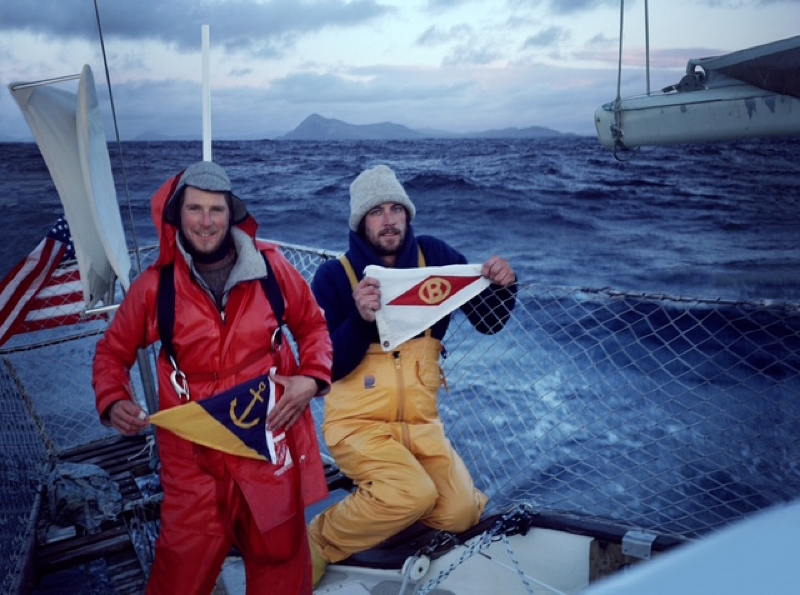
Fate intervened when Max required an extra hand to sail Christopher Robin on the long journey back home to Maine. Over a few beers, the two friends came to a bold realization: The quickest, most direct route back to the East Coast was east — via the Southern Ocean and Cape Horn.
Rob made the pivotal decision to leave his captain’s billet on the luxurious Swan and join Max on the rugged Westsail 32 for the adventure of a lifetime, following in the wake of their intrepid sailing heroes. They spent three weeks transforming an already seaworthy cruising boat into a hardened vessel capable of weathering the planet’s most treacherous seas.
Facing the Southern Ocean
On January 9, 1985, Christopher Robin departed Opua, New Zealand. Just a week into the passage, they encountered a fierce southeast gale. After lying hove-to for two nights, they awoke to a massive wave that rolled the boat more than 45 degrees past horizontal. Fortunately, the mast held, and their meticulous pre-trip preparations limited the amount of water that got below.
A month later, near Point Nemo — the most remote spot on Earth, farthest from any land — the ocean tested them again. Under bare poles, they spent 60 grueling hours steering by hand on a rotation of two hours on, two hours off. They surfed down the faces of monstrous 40-foot seas, still managing to log an impressive 130 miles per day.
The Milestones
Days at Sea: 47 days to round Cape Horn from New Zealand.
Total Passage: 52 days to reach safe harbor in the Falkland Islands.
A Lifelong Bond
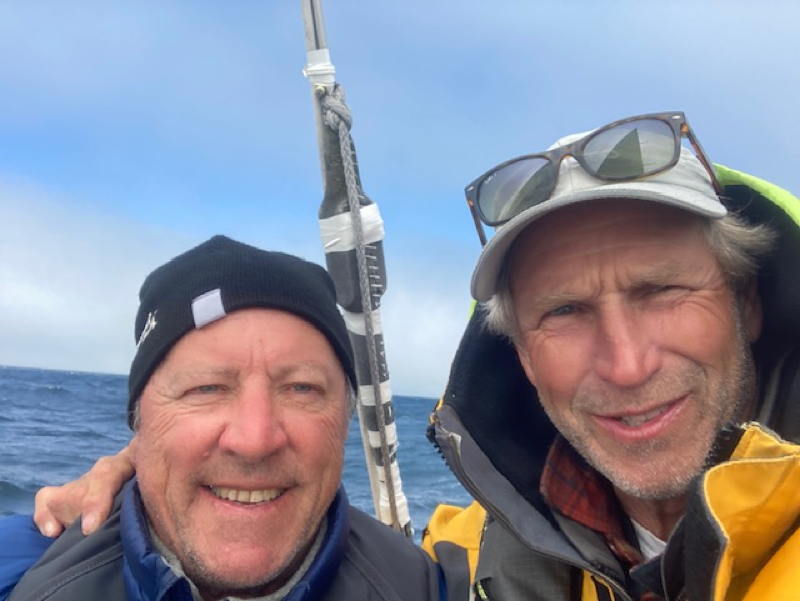
Forty years later, the ocean’s bond remains unbroken. To this day, Max and Rob speak every single February 25 to celebrate the anniversary of their Cape Horn rounding. Despite living on opposite coasts, they still manage to slip away and share an occasional bluewater passage together.
Looking to connect to sailing and adventure? Put your name on our Crew List and come to the annual Fall Crew List party at Spaulding Marine Center in Sausalito on September 10.
Pumpout on the Go with the Pumpout Nav App
Boat sewage spreads disease, harms aquatic life & ruins water. Let’s put waste in its place. Get On Board with the Pumpout Nav app to find the nearest sewage pumpout, dump station, or floating restroom. Download it today at www.boatcalifornia.com/pumpout
Good Jibes #251: Pacific Cup, Master Mariners Regatta, and Pacific Puddle Jump (Latitude 38 Verbatim), With Host John Arndt
This week’s host, John Arndt, reads four articles from the June and July 2026 issues of Latitude 38 sailing magazine. Hear “An Epic E27 Shakedown to Hawaii: Part 1” by Jonathan “Bird” Livingston from the June 2026 issue; “Who’s on First? Your Winning Pacific Cup Picks” by Andy Schwenk, “Master Mariners 2026 — Clash d’Elegance” by John Riise and John Skoriak, and “Believing in Magic” by Chris Fratini, all from the July 2026 issue.
Here’s a small sample of what you will hear in this episode:
- Dousing the kite in 35 knots, and getting slimed by a whale
- Andy Schwenk’s 2026 Pacific Cup picks across every division
- The fun race ethos, Free Bowl of Soup as an overall contender, and
why you should saw the handle off your toothbrush - Brigadoon sets a new elapsed time record in Gaff 1 at 102 years old
- A crew member swept off Water Witch on the last jibe, recovered by a spectator powerboat
Follow along and read the articles here:
“An Epic E27 Shakedown to Hawaii: Part 1”
“Who’s on First? Your Winning Pacific Cup Picks”
“Master Mariners 2026 — Clash d’Elegance”
“Believing in Magic”
Listen to the episode on Apple Podcasts, Spotify, and your other favorite podcast spots — follow and leave a 5-star review if you’re feeling the Good Jibes!
Check out the episode and show notes for much more detail.
Previewing the 63rd Annual Trans Tahoe Regatta
Tahoe Yacht Club is hosting their 63rd annual Trans Tahoe Regatta, one of Lake Tahoe’s longest-running sailing traditions, this weekend, July 10, 11 and 12.
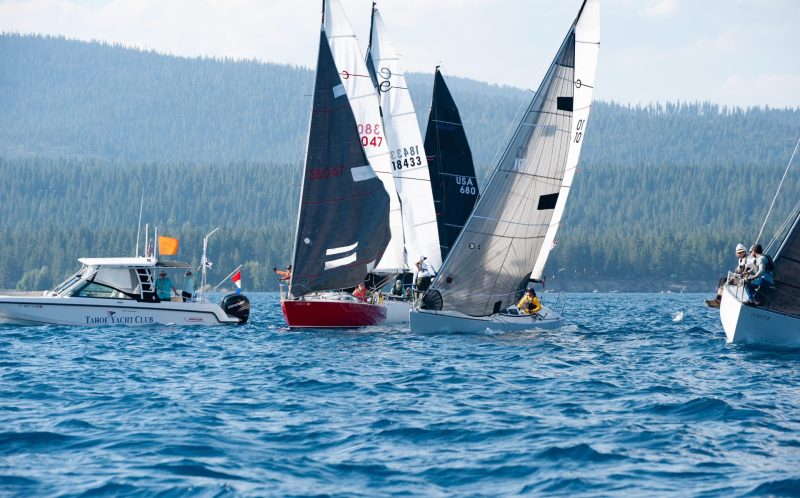
In addition to the many sailors this historic event attracts each year, invited Melges 24 and Moore 24 one-design fleets will also be joining the local competitors this year. Racing begins Friday, July 10, with multiple buoy races, followed by the legendary long-distance Trans Tahoe race on Saturday.
The two visiting fleets will also compete in an additional, separate one-design championship on Sunday. After Saturday’s racing, competitors, crews and race volunteers will gather at the TYC clubhouse for a hosted après-race BBQ celebration and awards ceremony.
What began in 1963 with four boats, this regatta has been held almost every year since, with as many as 100 boats competing. Often described as a “classical” regatta, the Trans Tahoe Regatta blends excellence with tradition. The long-distance race on Saturday is a longtime favorite, with nearly 20 preset course options ranging from 11 to 28 miles.
Competitors may find themselves rounding a buoy near Eagle Rock on the West Shore, then one of the mid-lake research buoys, and then heading north toward Kings Beach or Dollar Point and back to the start/finish line near Tahoe City on the North Shore. A typical summer afternoon brings a steady southwest thermal breeze, building through the day before fading with the sunset. But as many Lake Tahoe sailors know, the lake reserves the right to surprise.
For more info, NORs and SIs are available on this page: https://www.tahoeyc.com/sailing
Stay tuned for more coverage of the 2026 Trans Tahoe Regatta in the August edition of Latitude 38.
Sailagram: A Snapshot of June Sailing
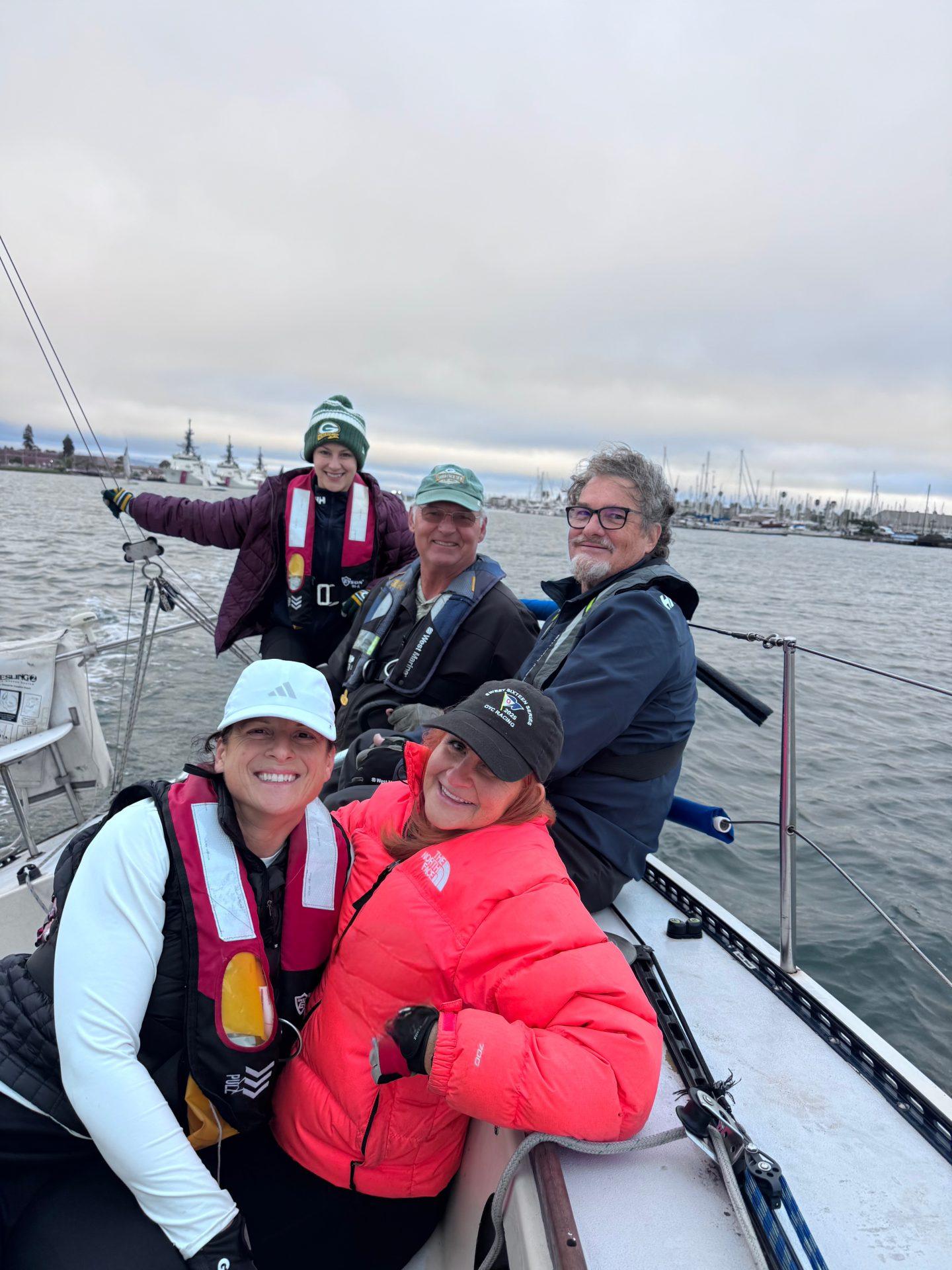
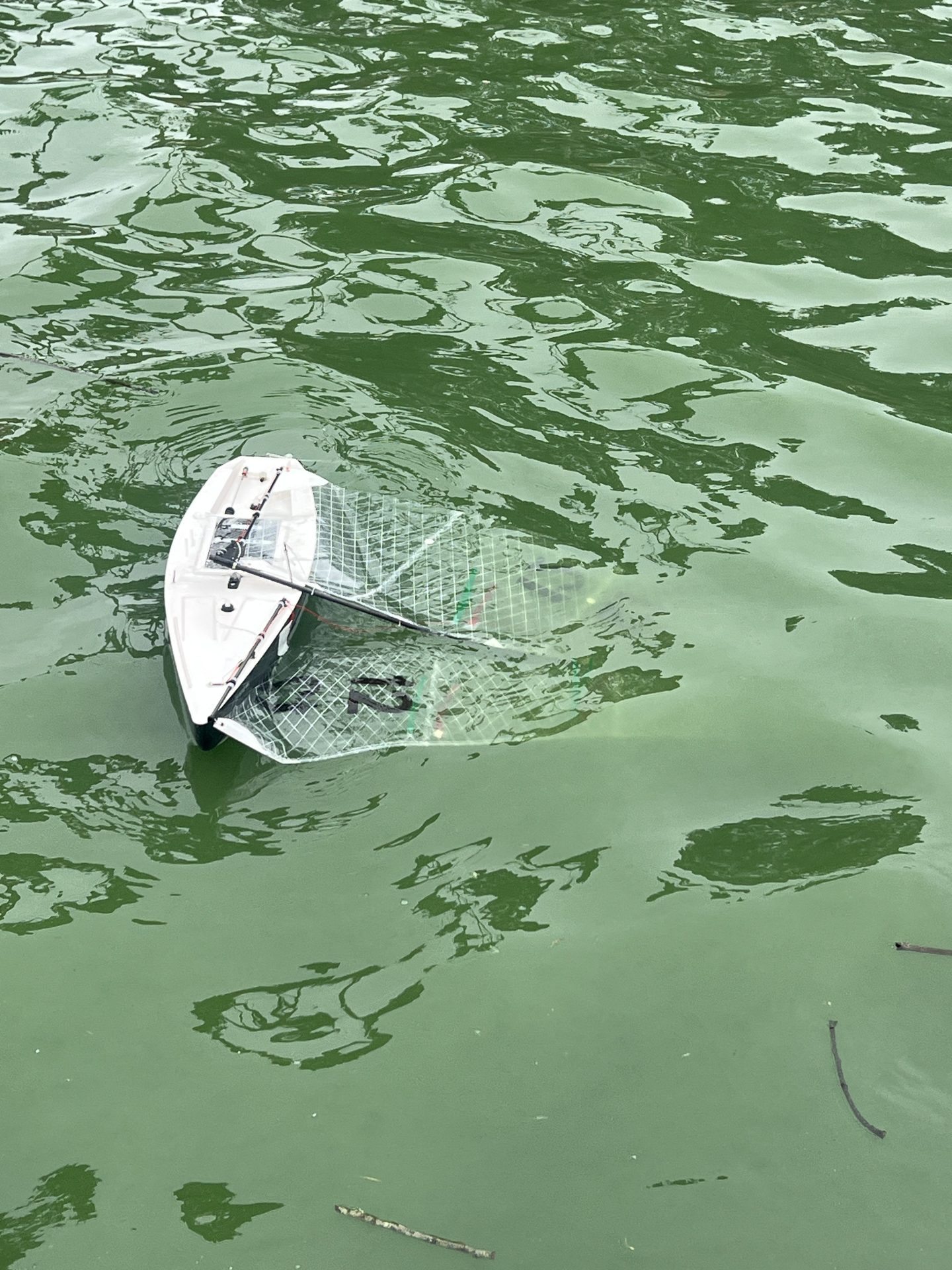
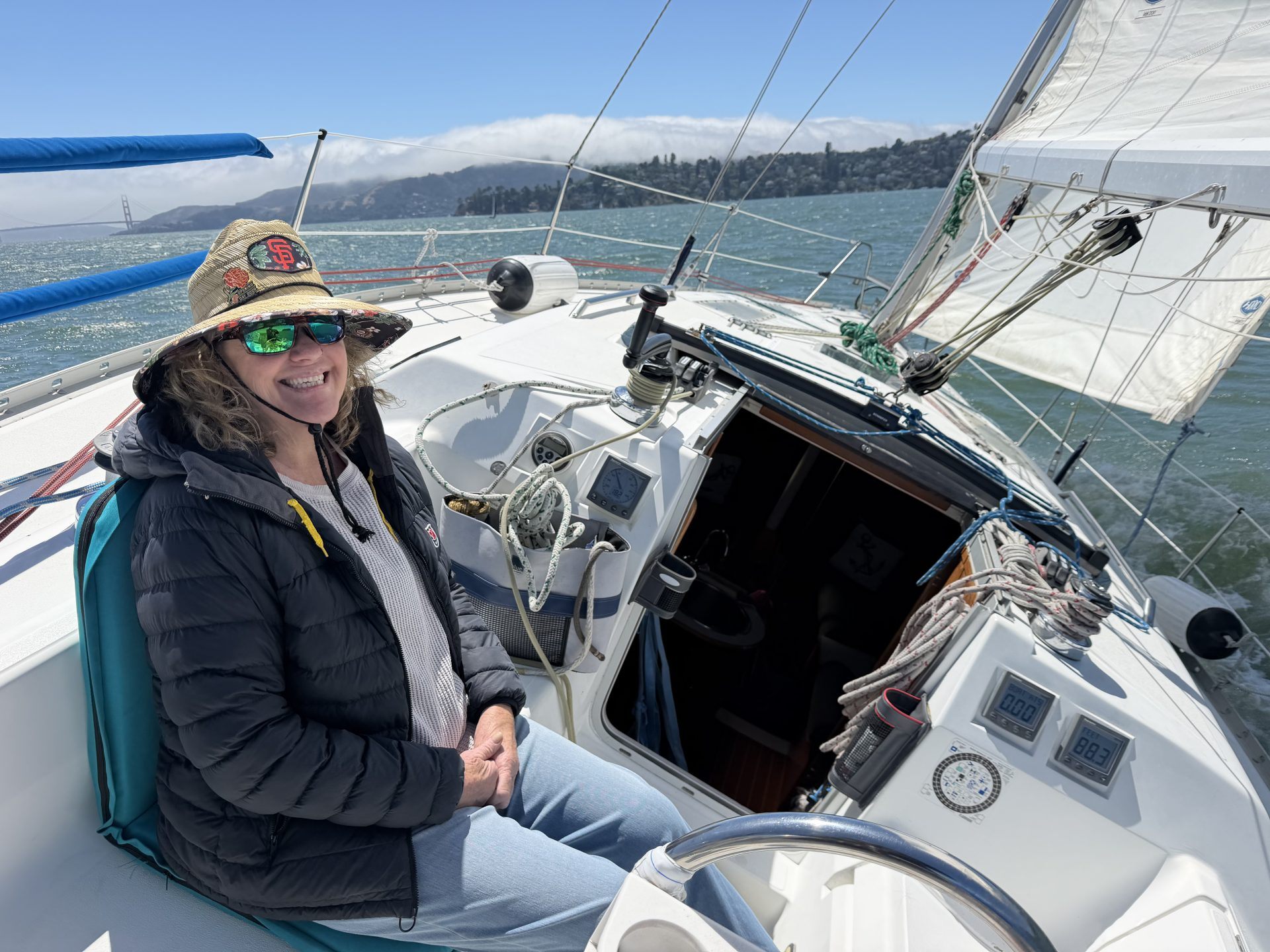
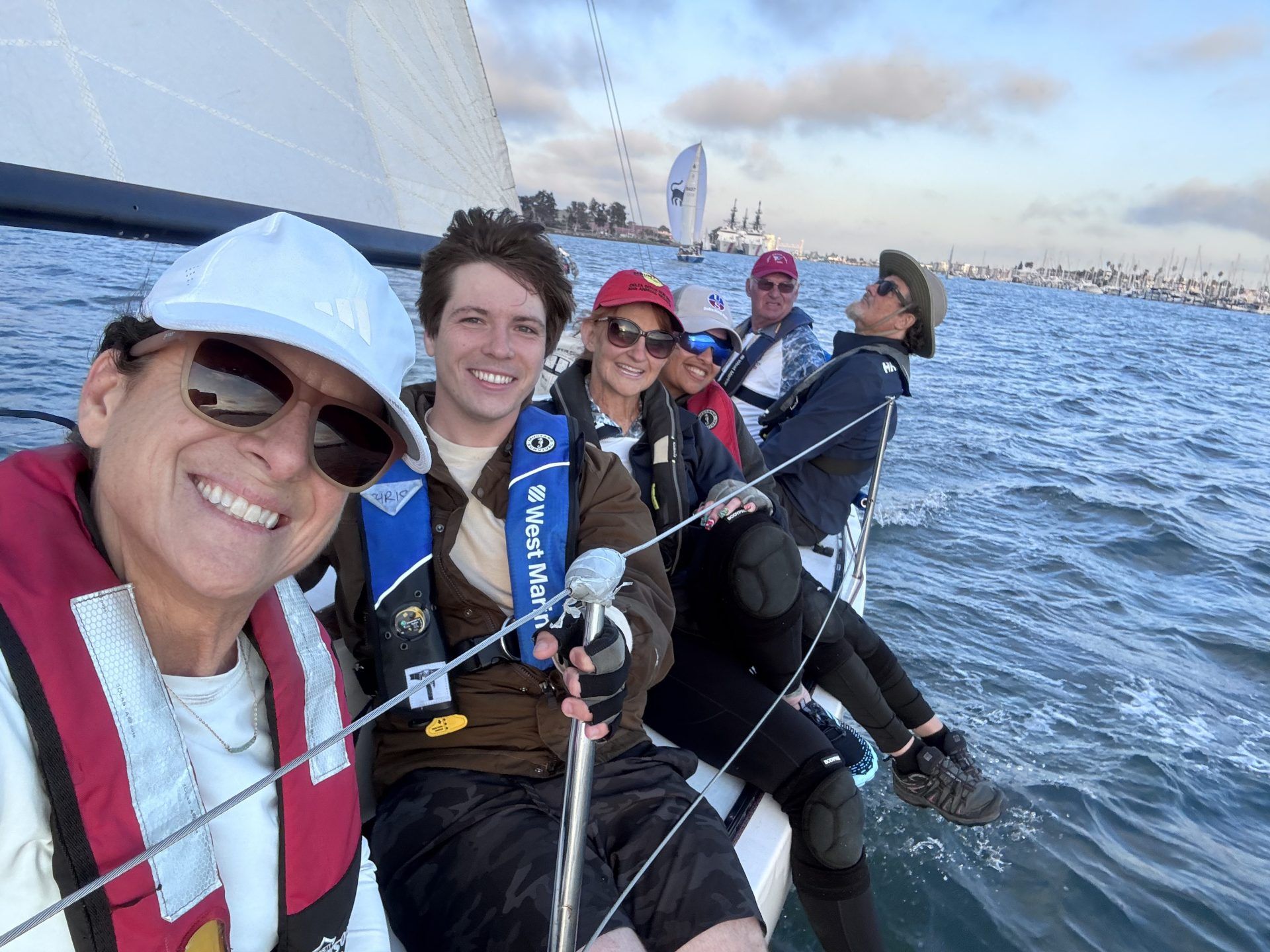
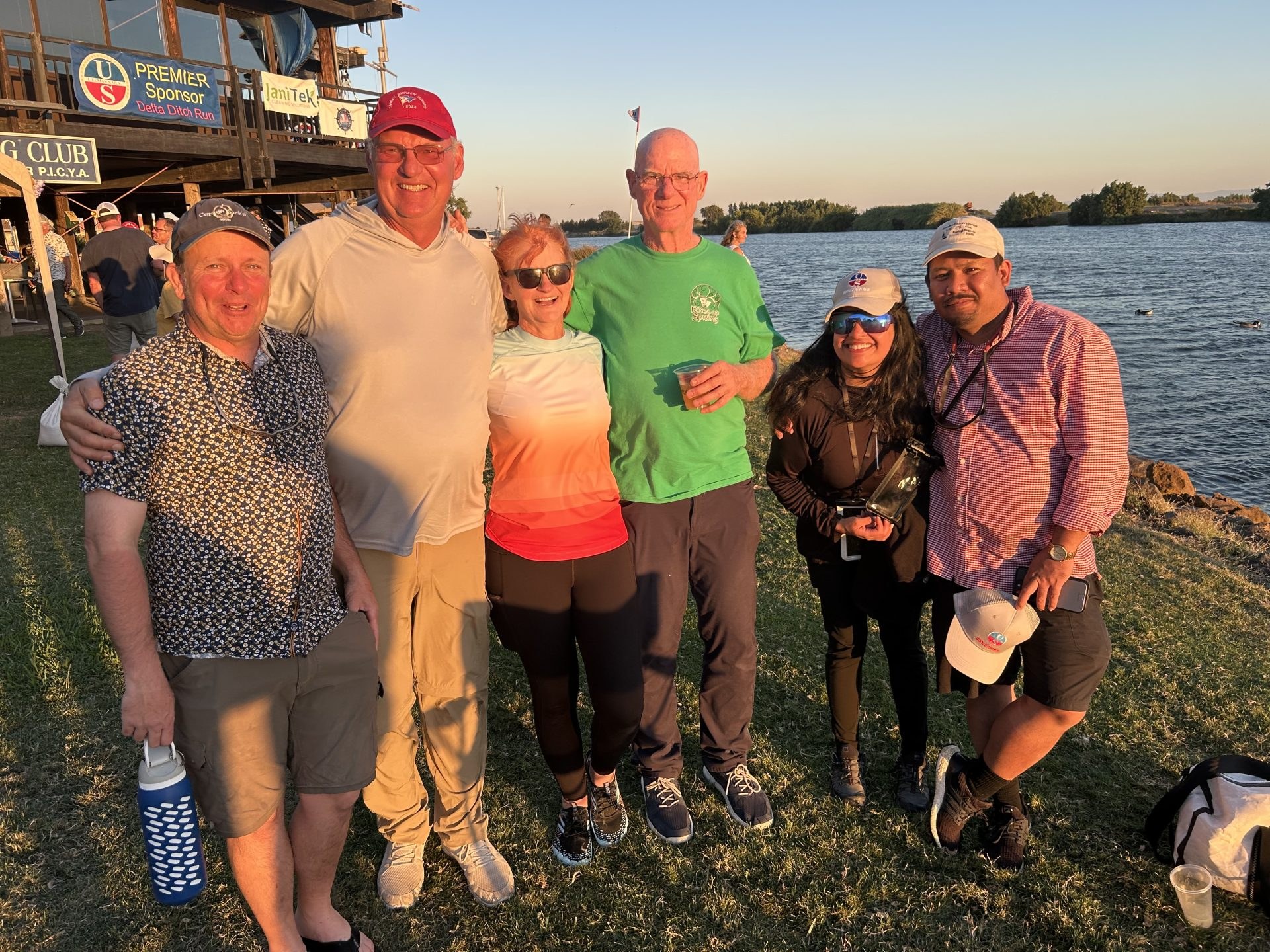
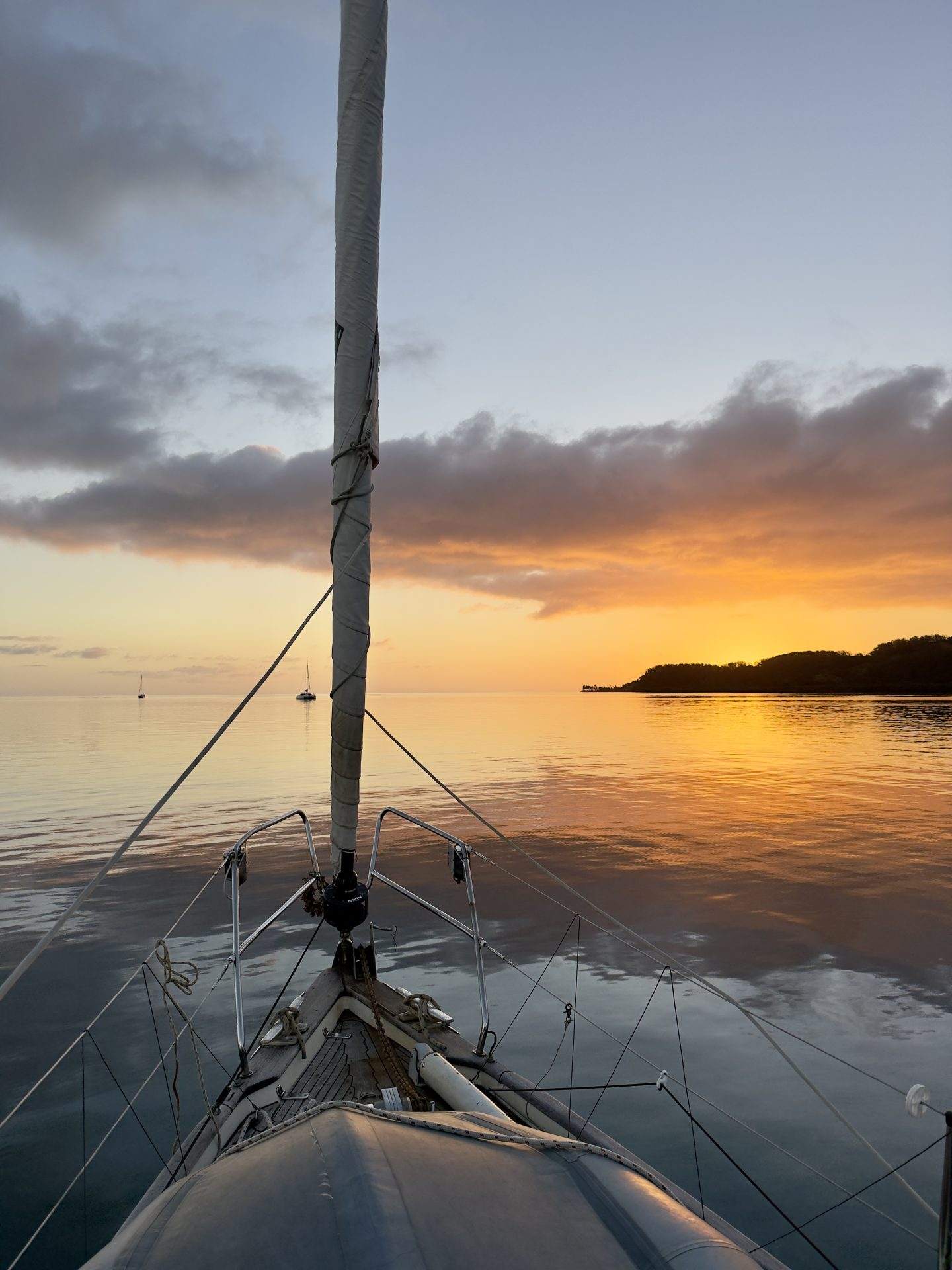
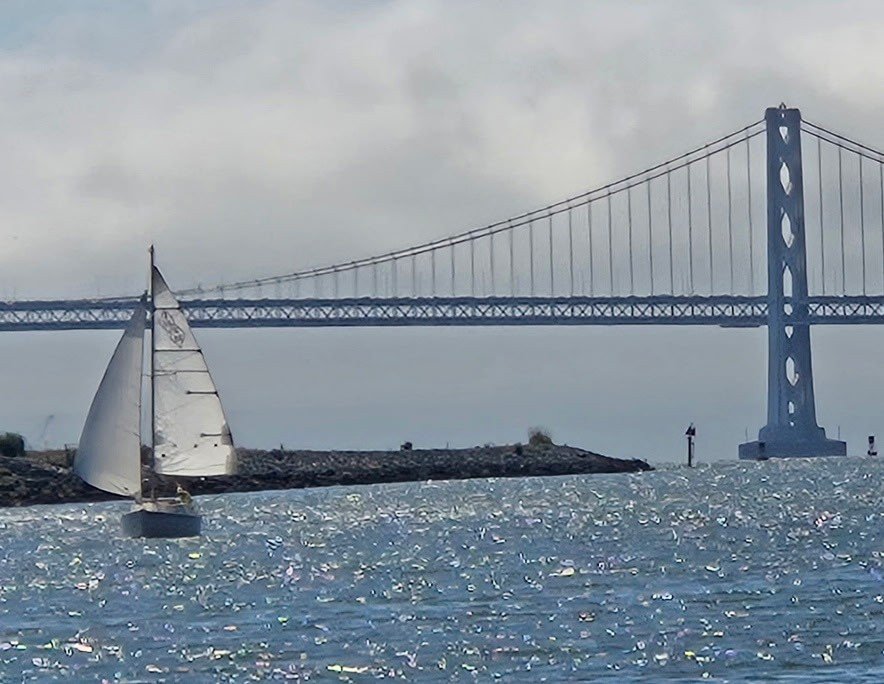
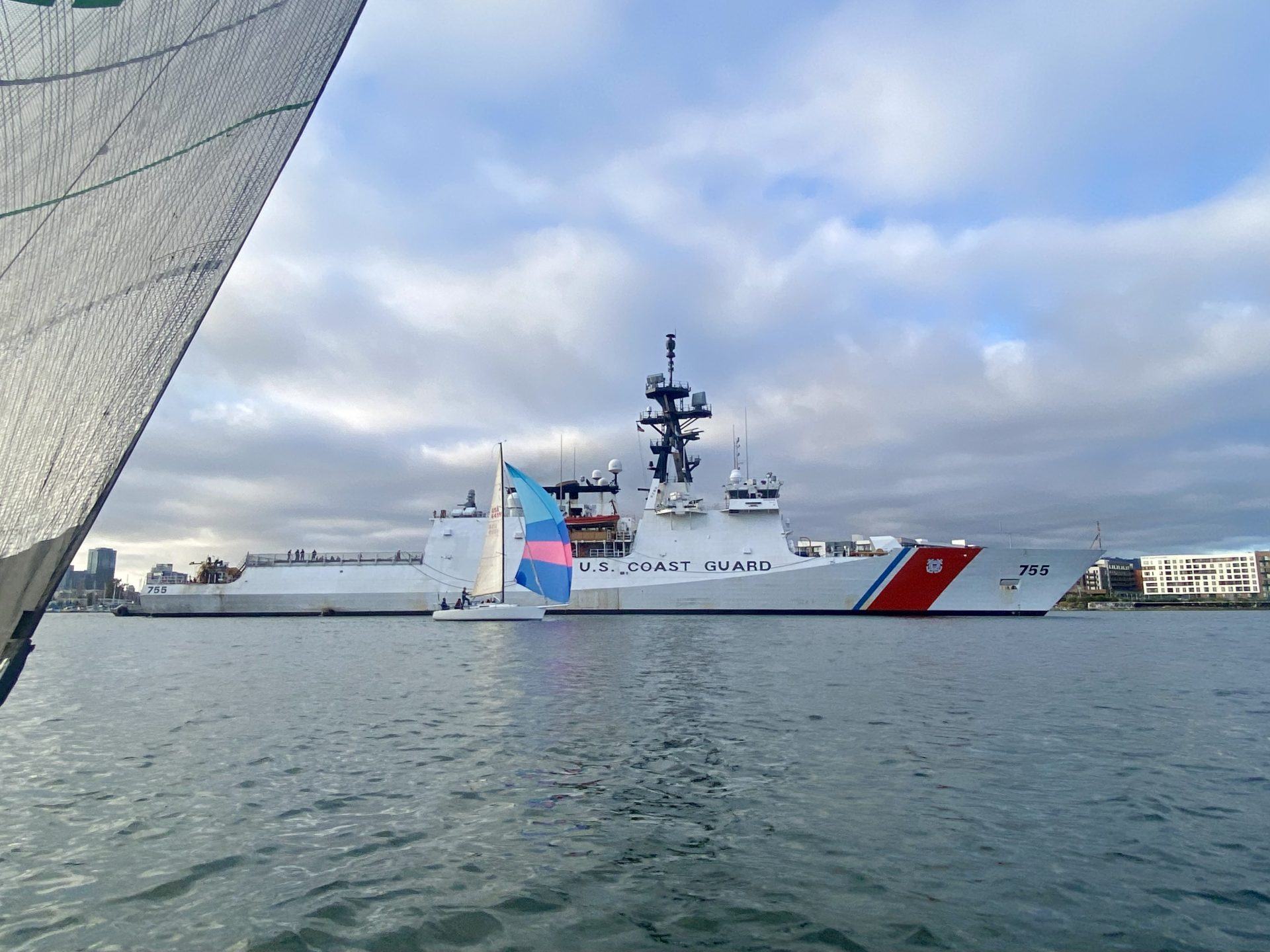
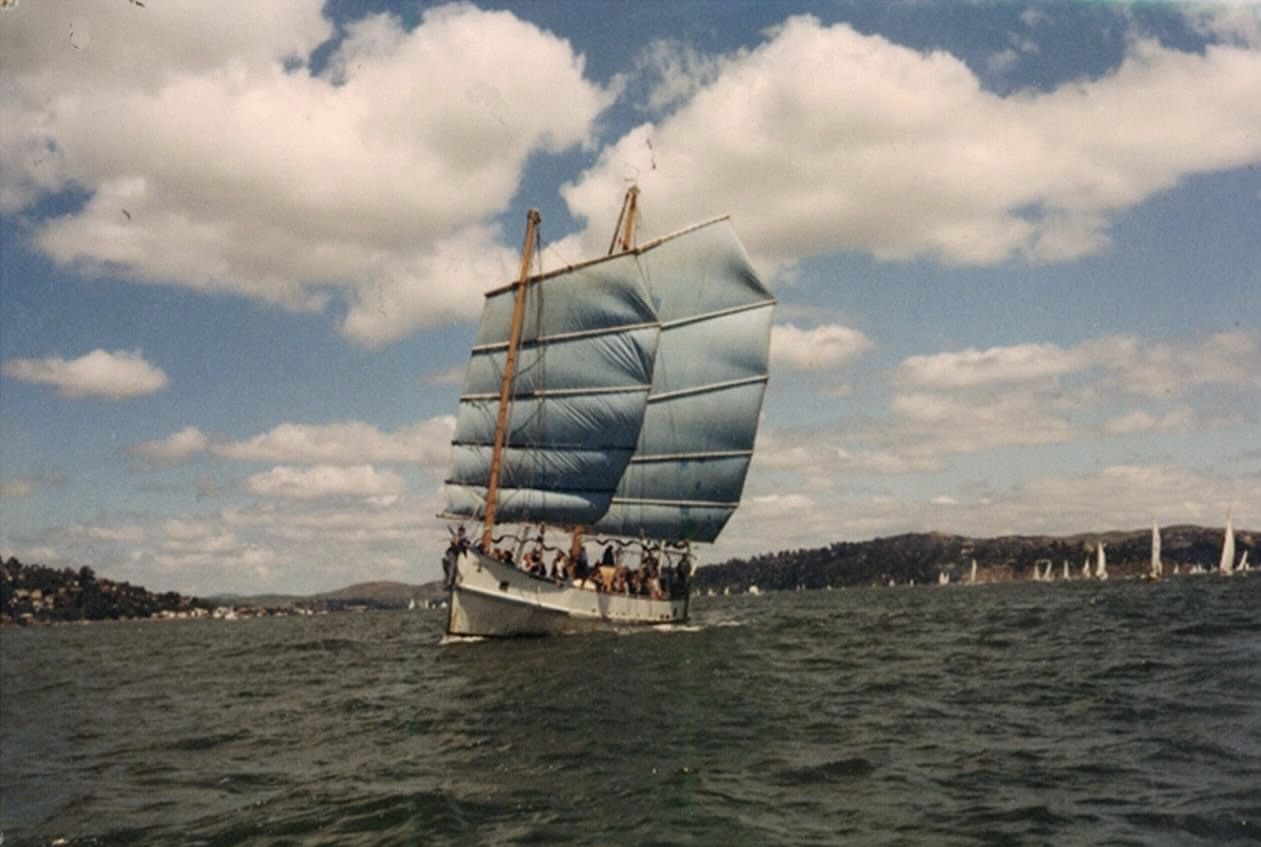
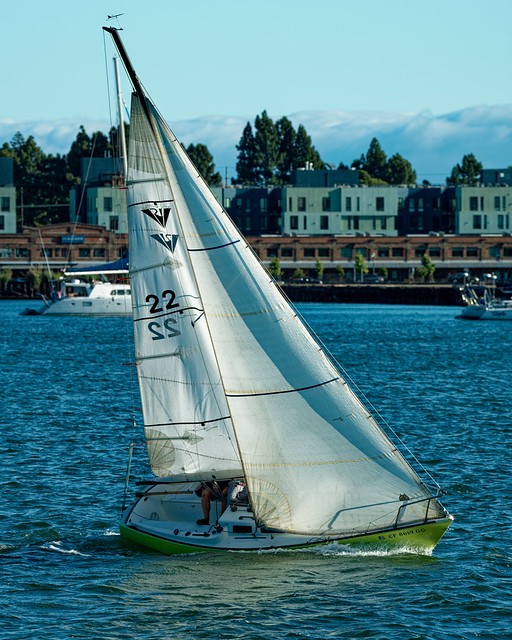
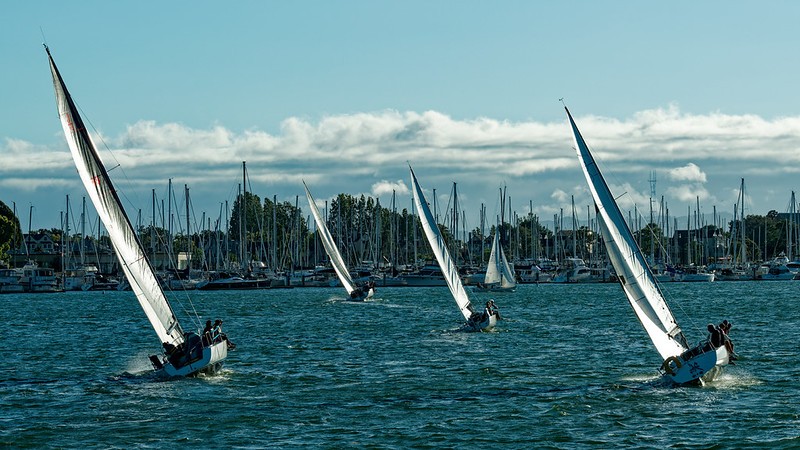
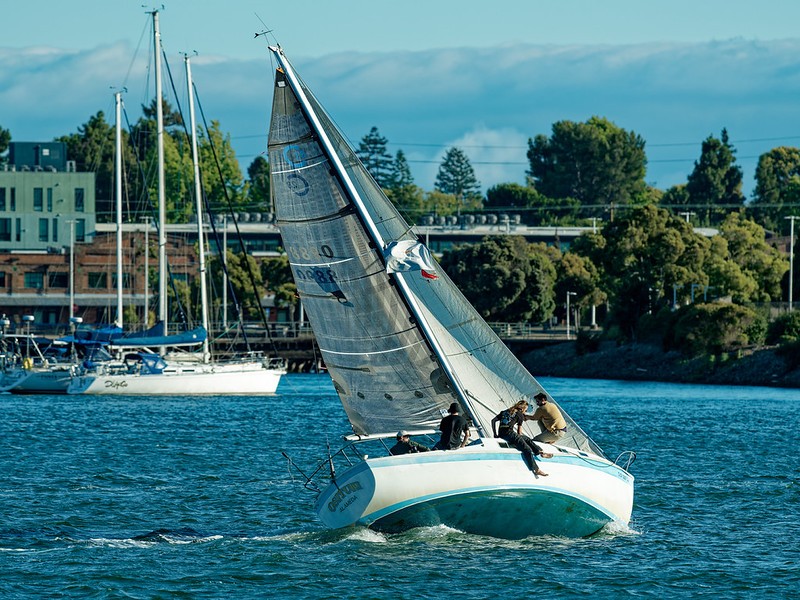
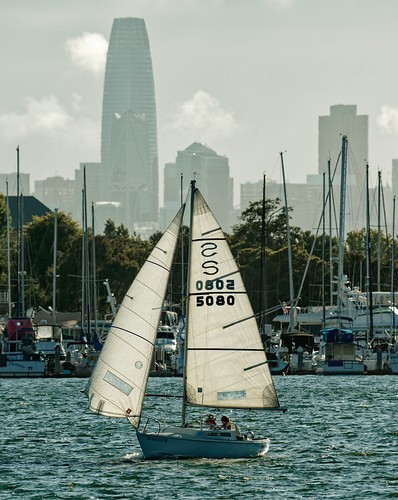
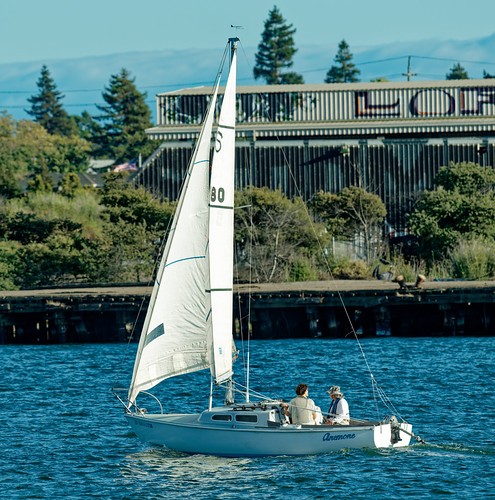
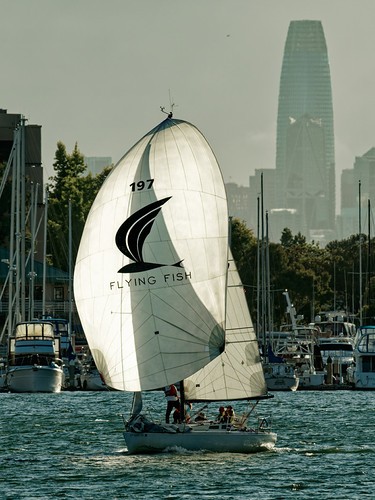
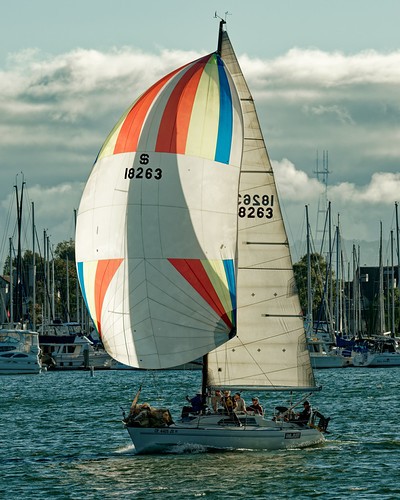
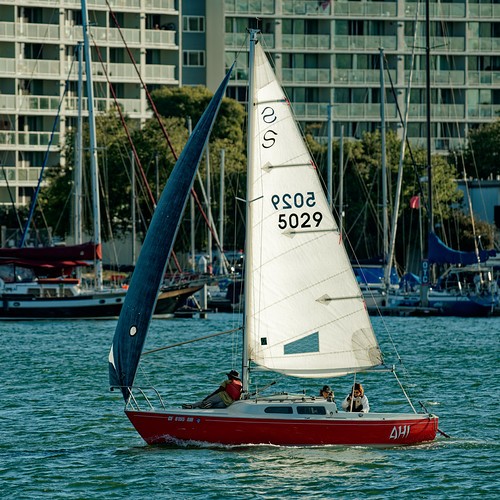
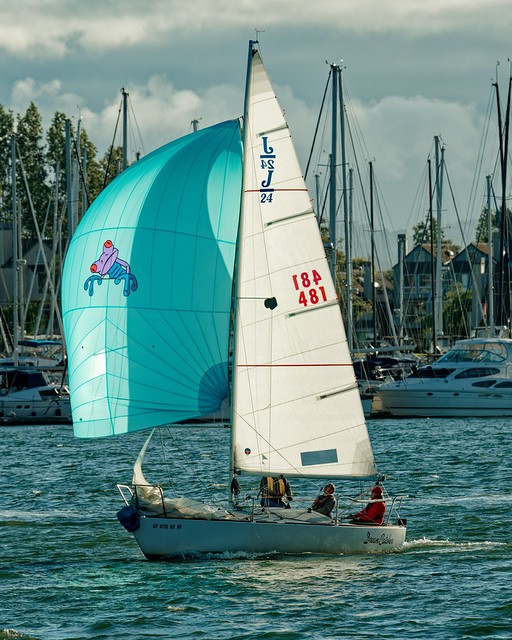
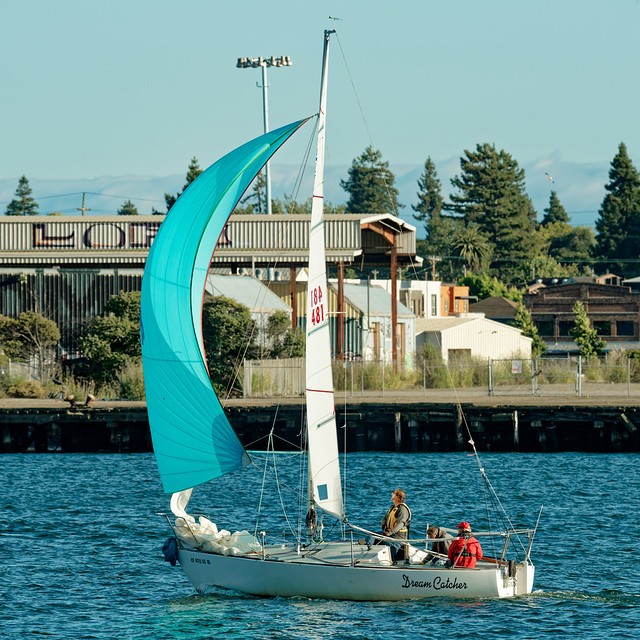
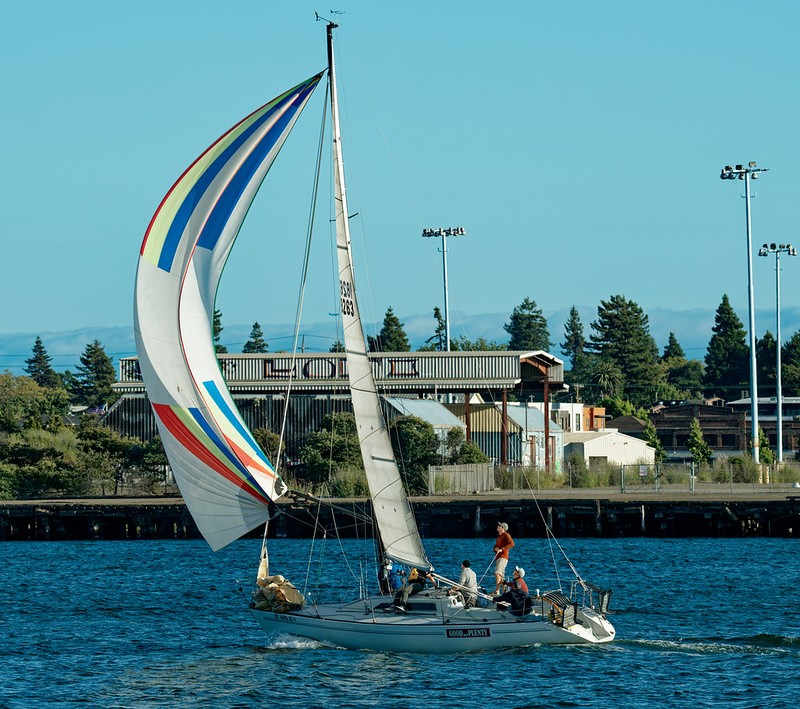
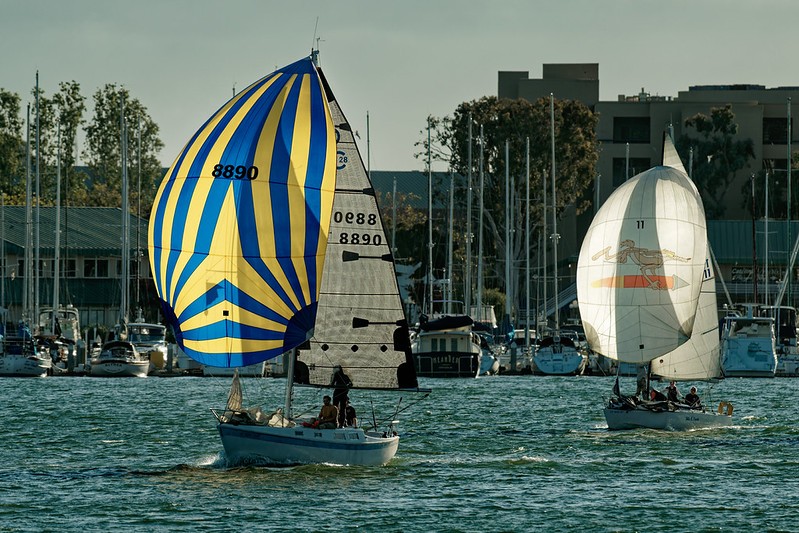
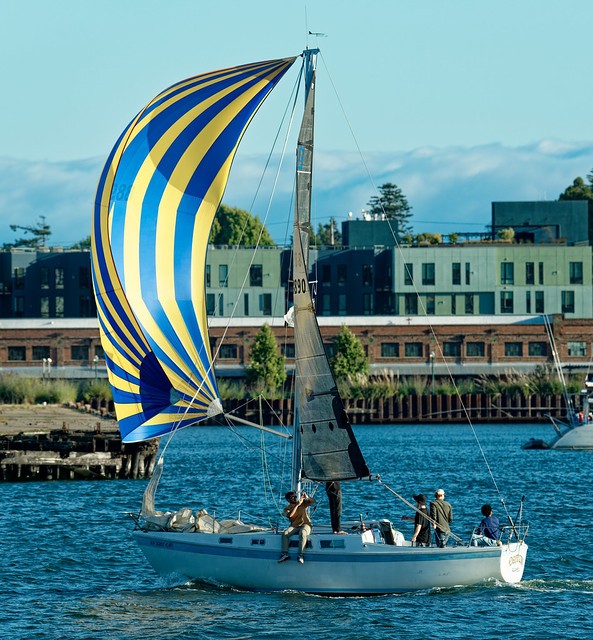
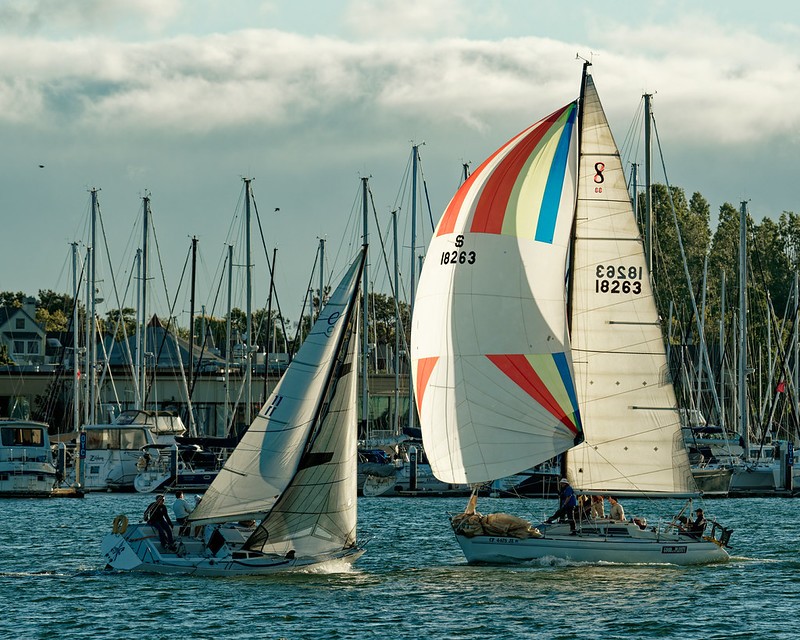
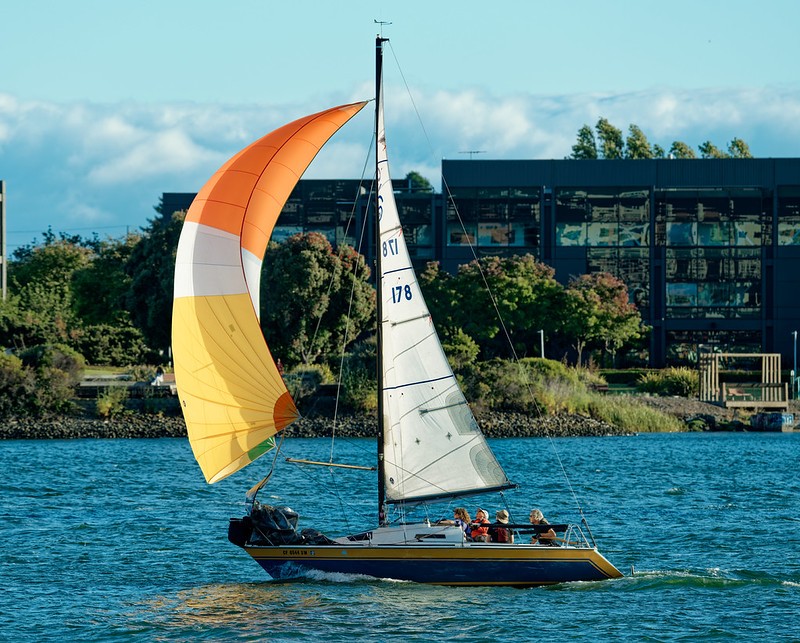
Welcome to this month’s Sailagram — a gallery of sailors and sailing from the month of June, and with a few May photos snuck into the mix; we thought they were too cool to leave out.
Haven Boatworks: Full Service Boatyard in Port Townsend