

Give Them the Wind and Watch Them Grow at Benicia Yacht Club
“Give them the wind, and watch them grow” is the motto put into action for youth sailing at the Benicia Yacht Club (BenYC). A vision, enthusiasm and a passion for youth sailing were needed by Steve Corwin to restart the Benicia Yacht Club youth sailing program, dormant for three years, at the beginning of 2026. Recognizing that there were not enough families with kids to support a youth sailing summer camp from club membership alone, Steve reached out to the community by inviting interested families to learn about the benefits of a sailing summer camp for kids at an open house on February 23.
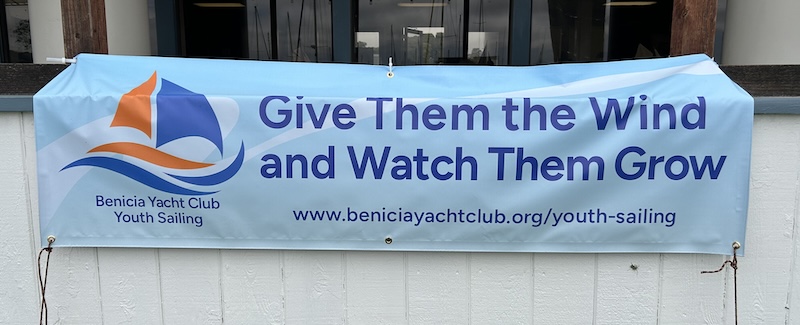
A total of 25 families attended, along with Latitude 38, and all but one of those families registered their kids for summer sailing classes. Several of the parents, with varied maritime backgrounds, signed up as volunteers.
With just over three months before on-water instruction was to begin in June, Steve faced some challenging priorities, with fleet restoration and instructor staffing being the highest. US Sailing Level 1-certified instructors were required for insurance purposes, together with the training in sailing instruction they would bring to the program. Because most instructors were already committed to other programs, Steve needed to create a new group of talent to draw from, so he decided to conduct his own US Sailing training course for instructors, using boats and teaching talent borrowed from South Beach and Golden Gate Yacht Clubs, together with his own staff of volunteers. This level of interclub cooperation exemplifies the support for sailing that Bay Area yacht clubs happily provide one another when a need arises.
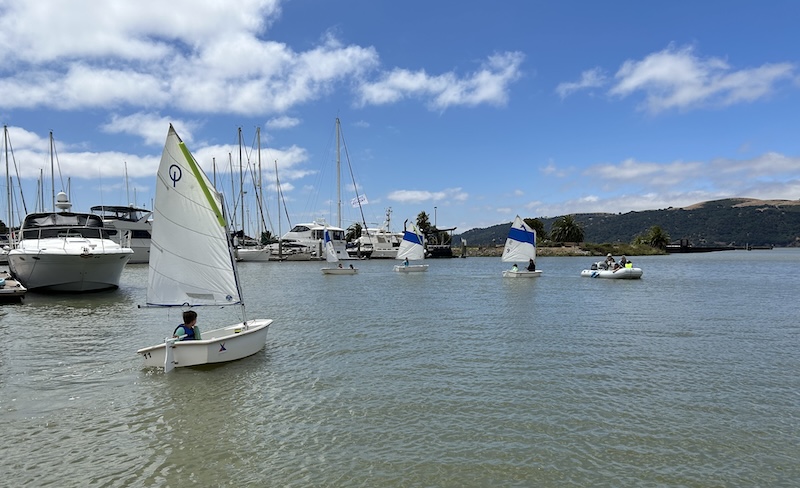
The mothballed fleet consisted primarily of Opti prams, some donated Lasers, and two RIBs for instruction and on-water crew management. This fleet would allow the program to get started with younger sailors, but larger sailing dinghies from the RS family were needed for older kids with higher skill levels. Steering committee volunteers are organizing funding resources, including California Boating and Waterways, to allow for the purchase of such craft for next season.
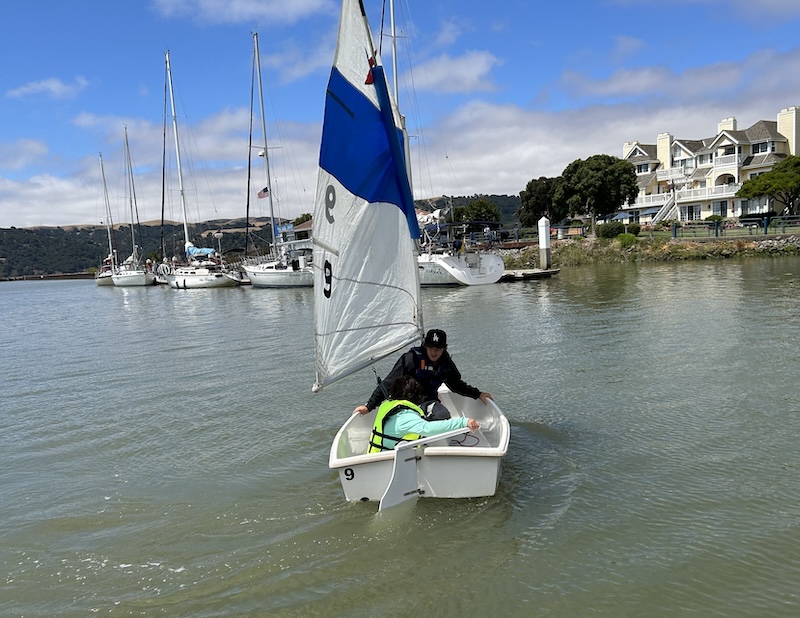
At the end of each week’s classes, a graduation BBQ is held on the front lawn of the BenYC clubhouse for sailors and parents. Sailors are given US Sailing’s Red Book, which together with a $50 registration fee, formally enrolls the sailor in US Sailing’s certified program for skill advancement. As an incentive to join the BenYC, parents of registered sailors are given guest memberships in BenYC with full privileges for five weeks from June 22 to July 31. The infusion of new families into an aging club demographic has been a complementary benefit to the sailing instruction provided by the classes.
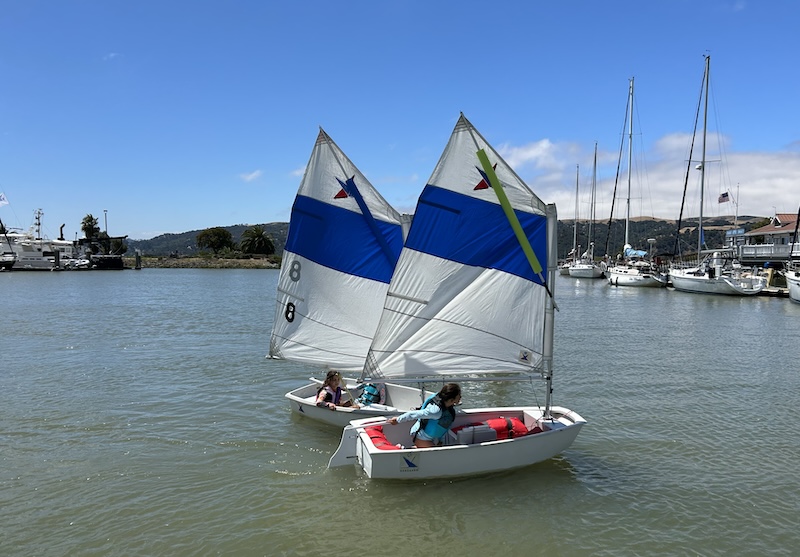
Community outreach is ongoing through local social media resources such as Strait Talk, Facebook and Instagram, as well as the development of a sailing club at Benicia High School through the initiative of current instructor Hudson Ludwig. Exposing kids with disabilities to sailing is a goal of Steve’s, with his first two-day sail planned for 10 kids with Type 1 diabetes with Diabetes Youth Families, while also ensuring that all of the kids in the program have fun learning to safely sail on and near the Carquinez Strait, with its challenging wind and currents!
Win a Copy of ‘The Resourceful Sailor: 45 Essays’
Yep, you read that headline correctly. The Resourceful Sailor, aka Joshua Wheeler, has put together a book of his most prudent, resourceful, DIY boating solutions.
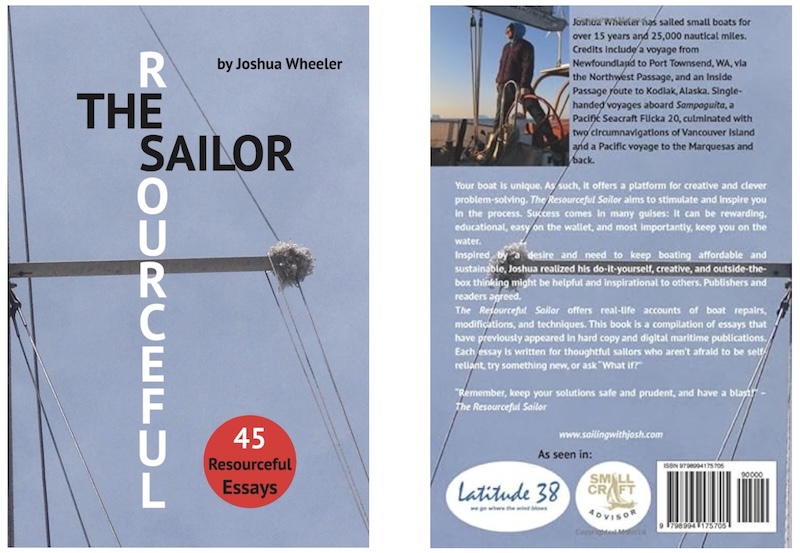
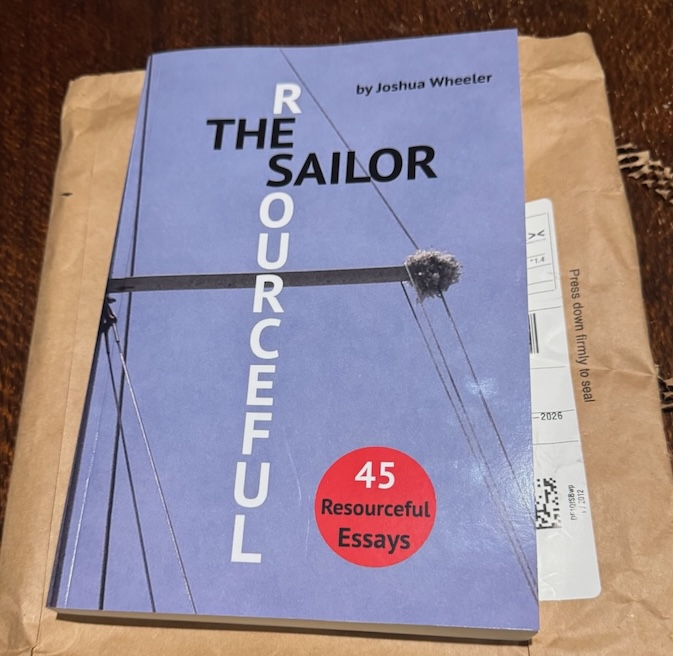
Over the years we’ve shared many stories about The Resourceful Sailor’s DIY boat solutions. You may have read some of them, perhaps all of them. You may even have your favorite. Whatever your preference, you now have the opportunity to read a whole bunch of them all bound together in one easy-to-read manual in The Resourceful Sailor: 45 Essays.
The book itself is a handy-sized manual that you can chuck into your duffel bag or your tool box, keep on board your boat, or have sitting on your coffee table at home for some light reading.
You can buy a copy by following this link: The Resourceful Sailor: 45 Essays
You can also enter our little contest to enter the draw to win a copy. We have only one question for you: …
What is the one line that The Resourceful Sailor includes in every one of his DIY stories?
If you’ve been keeping up with his posts, chances are you know the answer. But if it escapes you right now, type “The Resourceful Sailor” into the search bar at the top of this page and check out any one of his stories — you’re sure to find it.
We’re excited for Josh Wheeler to have launched his book. His solutions are always simple and effective, and we’re excited to be giving away a copy to one of our readers. Perhaps it’s you!
Drop your answer in the comments below. Or, you can email us here: [email protected].
Contest closes 5:00 p.m. on Monday, July 6.
Escape to French Polynesia With The Moorings
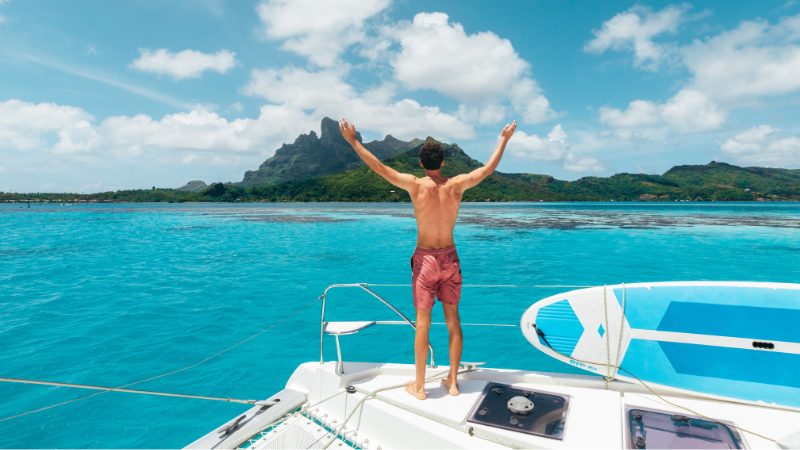 Trade the everyday for turquoise lagoons, lush volcanic peaks, and secluded anchorages. With more than 55 years of charter expertise and a fleet of award-winning yachts, The Moorings invites you to discover the beauty of French Polynesia. Convenient flight connections from California make this island paradise more accessible than you might think. Browse Charter Options: Here
An Epic Shakedown to Hawaii Aboard ‘Light’n Up’: Part 1
This is the first segment of a two-part story by Jonathan “Bird” Livingston about his and Gary Clifford’s shakedown of the newly built Express 27 Light’n Up in the 1984 Pacific Cup Race.
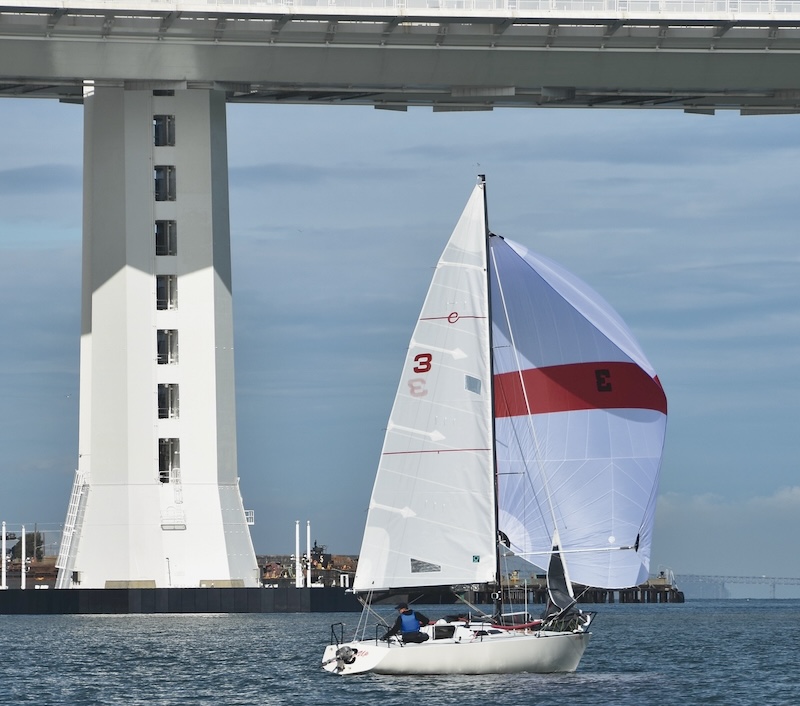
In 1984, when men were men, boats were light, and liability waivers were written on cocktail napkins, a brand-new design slid quietly into the water: the Express 27. Carl Schumacher drew it, which is to say, a naval-architecture Jedi calmly merged the ghost of Nathanael Herreshoff with the DNA of Sparkman & Stephens, then sprinkled in modern ULDB witchcraft and walked away as if it was no big deal.
The Express 27 wasn’t just a boat. It was a haiku about speed. It was the nautical equivalent of a perfectly fitted leather jacket — nothing extra, nothing missing. Hull No. 3 belonged to my goofy friend Gary Clifford and me. We sailed her hard in the Gulf of the Farallones and coastal races, including the San Diego race from San Francisco, where conditions range from “sporty” to “why do we do this, again?”
Somewhere — almost certainly at a yacht club bar, lubricated by optimism and beer — we were shanghaied into helping organize a new ocean race to Hawaii. Few rules. Big fun. Questionable judgment. Because Gary and I were on the organizing committee (which sounds more official than it was), we created our own division so we could race the Express 27. We called the boat Light’n Up, which in hindsight should have been a warning label.
We also decided to sail doublehanded, and accidentally, the Doublehanded Pacific Cup was born. History is often made this way: not with intention, but because someone says, “Sure. What the hell?”
When we started, the westerlies were cranking — the kind of breeze that takes a ULDB and asks politely whether it would like to remain in the water. We were double-reefed with a storm jib, reaching offshore, the boat already twitchy and alive, like a caffeinated ferret. Gary, a true Santa Cruz ULDB barfly philosopher, invoked the sacred words of Bill Lee: “Fast is fun.” Then he added, “Bird, what do you think about having more fun?” After a beer — because, seamanship — we hoisted the 1.5-ounce kite. Bore off. Lit the afterburners. Friends, we had no idea this little boat could go that fast.
The reefed main kept her glued down just enough, and the Express 27 simply accelerated. And kept accelerating. Seventeen knots. Twenty. Wind building to 35. Seas stacked like apartment buildings. White water everywhere. The bow wave shot past our ears and physically assaulted our faces. The rooster tail behind us looked illegal.
At this point, survival became the adhesive holding the program together. There was no turning back. No reducing sail. Mostly because we couldn’t figure out how to get the kite down without someone being launched into a different time zone. So we did the only logical thing: We kept driving. Then came the surfing. Real surfing. The kind where you drop into the trough like a pro, carve up the face, feel the whiplash of acceleration punch you, bear off again — and suddenly you realize the boat is not merely fast, it is offended by the laws of physics.
Then it happened. We went so fast that we sailed up the backside of a swell, punched through the crest, and left the water entirely. You could tell. The noise stopped. No rushing water. Just silence. For a second. Maybe two. Then … BOOM. We landed. And did it again. Crest to crest. Gary named it immediately: the Crest-to-Crest Leap. Which is how sailors process trauma — by branding it.
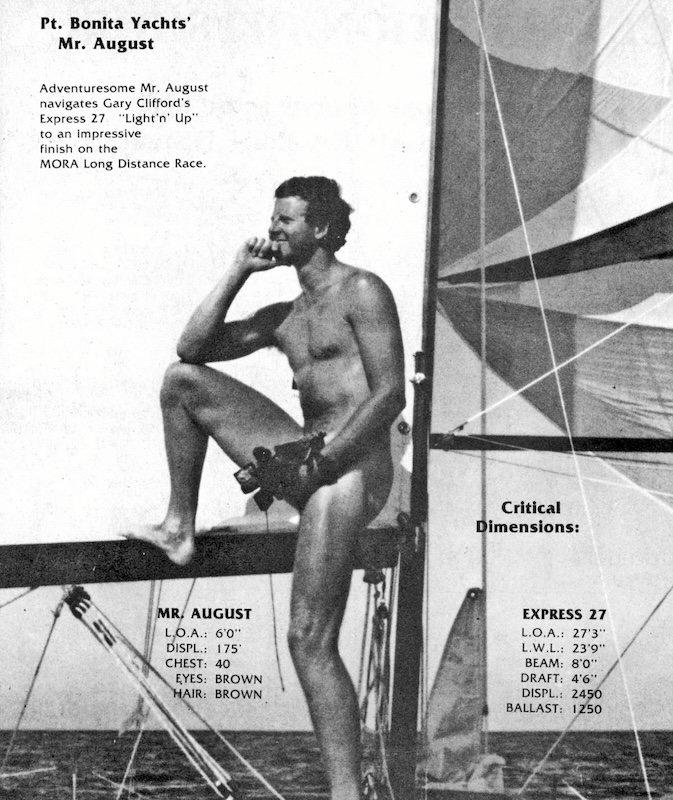
That night, because the ocean enjoys plot twists, we hit a whale. Its tail smacked the rudder so hard it ripped the tiller out of our hands.
Continue reading Part 1 here. Then look out for Part 2 in the July issue, out tomorrow, June 30.
How Do You Get on the Cover of ‘Latitude 38’?
“How does someone make the cover of a prestigious sailing magazine?” This question popped up recently when we connected with Greg Carter of the Farrier 39 trimaran Ravenswing. Greg was contacting us about the upcoming 2026 Corsair Nationals at Encinal Yacht Club and sent us the background on the December 2019 cover of the “prestigious sailing magazine” Latitude 38.
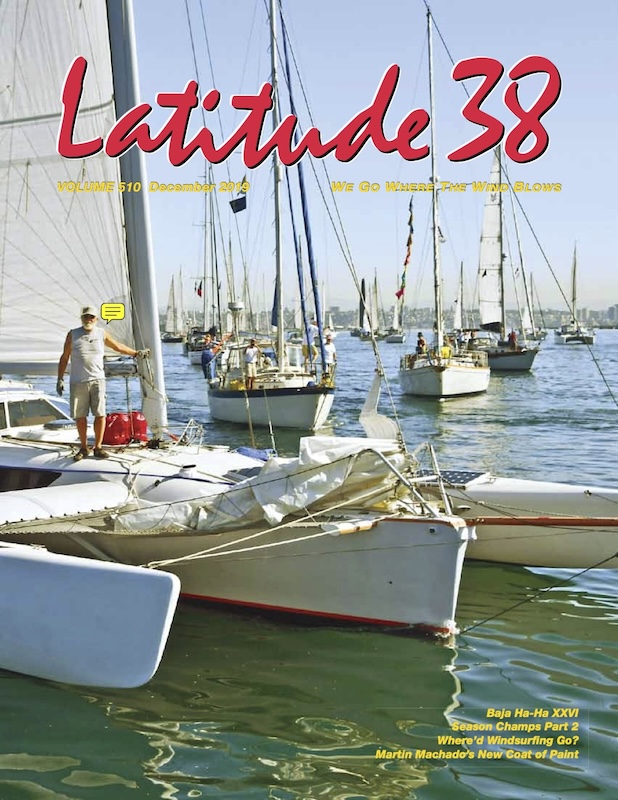
“In this beloved photo,” Greg tells us, “Ravenswing is first over the Baja Ha-Ha start line, mugging for the camera. Friends wondered ‘who we knew’ to pull that one off! Reality is we were motoring out from the Coronado Bridge anchorage, all jacked up about the fulfillment of the long-held Ha-Ha dream.
“One crew asked how we had gotten ahead of all other boats. Another crew asked why I pulled anchor so early. Seems a certain skipper had not paid attention to the overnight return from daylight saving to standard time. So, yeah, bobbing around in no wind for an extra hour got us a cover shot. One of my best nautical mistakes ever!”
You, too, could be on the cover of Latitude 38. Submit your photo and a description of what was going on at the time, plus the boat name and any people aboard, and we’ll put it in the folder for consideration. Send to [email protected].
Keep an eye out for the July issue, out tomorrow, June 30. You’ll find stories including Jonathan Livingston’s balls-to-the-wall account of a doublehanded Pacific Cup race to Hawaii (part 2), why anchors are a central feature of the sailing life, and why Clipper Cove is the perfect place to use them, Andy Schwenk’s definitive guide on who can win the Pacific Cup, Andy Newell’s MOB rescue in the Duxship Race, a four-page spread on the recent Master Mariners Regatta, and much, much more.
Check this link tomorrow for the newest issue, and to see who’s on the cover of Latitude 38.
For More Great Sailing Stories, Tune In to Good Jibes