
The Split Personality of the Oakland Estuary
Life presents many paradoxes, and the Oakland Estuary is at the center of one of them. It’s both a beautiful natural resource near the hub of one of the richest regions in one of the richest states in the richest country in the world, and it is also at the center of the homeless problem, and for sailing, the growing problem of neglected boats that are surrounded by an active sailing community. Can we reconcile or resolve this incompatibility?
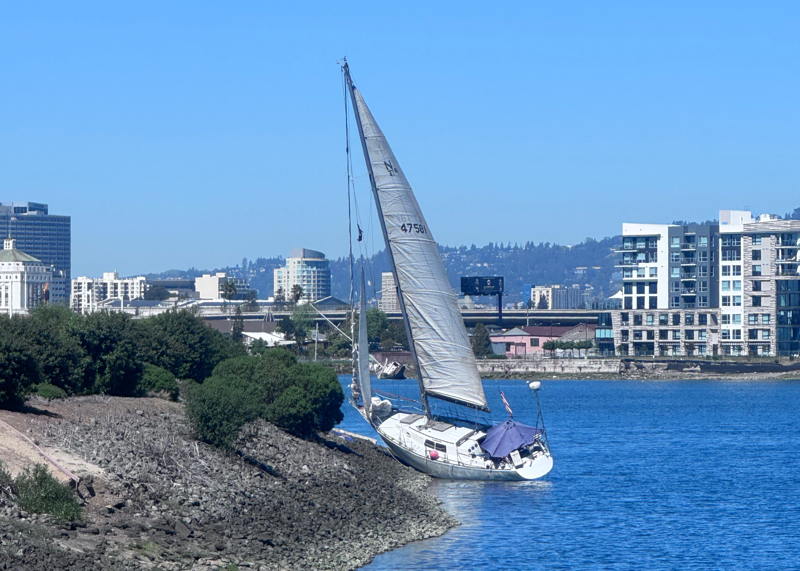
We continue to receive too many photos of boats that litter the Oakland Estuary. In the photos above, the boat in the foreground was temporarily aground on the shore with another “permanent” wreck in the background. Apparently, the boat in the foreground was able to get itself off and may again be illegally anchored in the Estuary. While it’s a shame these boats and their owners face these struggles, it’s not the whole story of the Estuary or all the boats built in the ’60s, ’70s and ’80s.
The sail insignia of the grounded boat is a Newport 41. Many of these were built in the ’70s and ’80s. They can be purchased inexpensively and provide many more years of sailing for many more people. The caveat is that you need to find legal berthing and insurance, and to be able to maintain the boat. Hopefully you can do this with the help of friends.
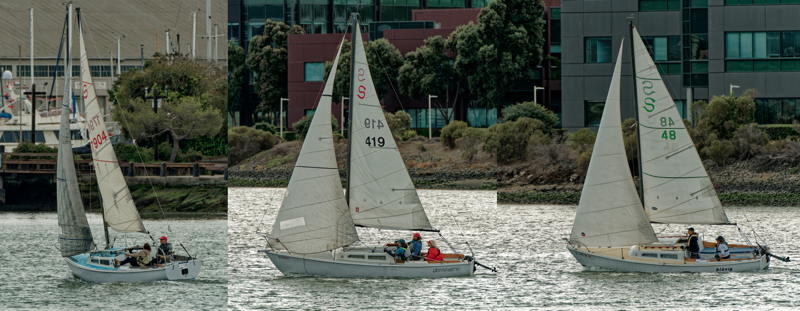
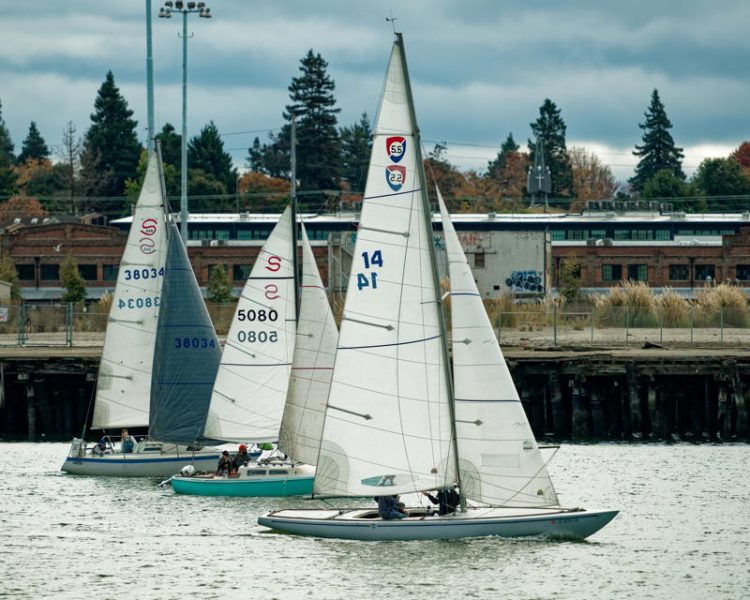
The other side of the story is of the numerous boats that are out sailing the Estuary all the time. These three Santana 22s were all out sailing in Island Yacht Club’s Island Days Series. This is the ultimate inexpensive, close-to-home island escape on the Bay. Owning, maintaining, and sailing a Santana 22 on the Estuary can be incredibly affordable, especially if you share the boat with friends. The busy lanes of I-880 are just a quarter-mile away, but that quarter-mile makes a world of difference if you’re on a sailboat.
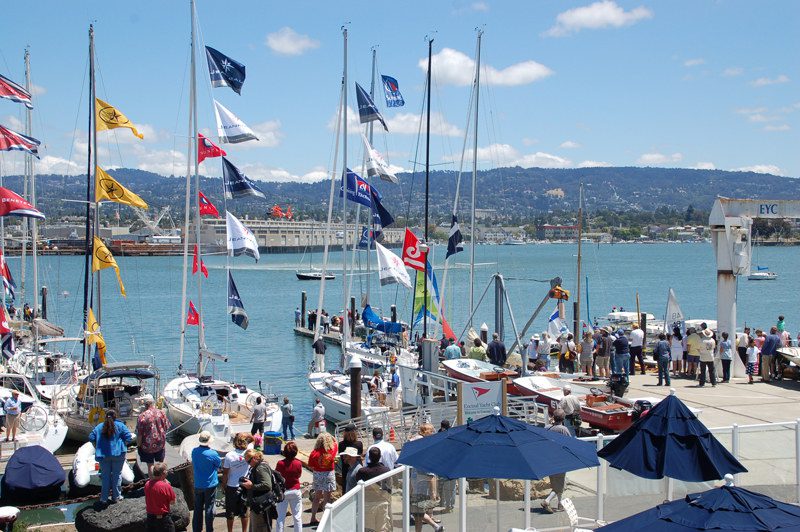
Images of past Summer Sailstice celebrations at the Encinal Yacht Club help tell a very different story of the Estuary. This is where kids spend the summer sailing small boats in youth programs and jump off the boats or docks to swim or splash, play, and explore the shoreline in warm summer weather. We’ve cruised into Grand Marina for weekends and jumped in for a very comfortable swim along the shoreline. There are often many other swimmers out there. The Estuary is also full of paddlers, rowers and many other water-sport enthusiasts.
We hear people talking about how expensive sailing is while sipping a $16 glass of wine at a pizza restaurant. Many of the sailors on the Estuary are likely trading that pricey glass of wine for a full $16 bottle of wine with friends outdoors on their sailboats. You don’t have to tip or pay corkage on the $16 bottle of wine either.
We’ve shown far too many photos of the continuing problems of derelict boats littering the Estuary shoreline. There appears to be growing momentum and funding set aside to once again begin cleaning them up. In the meantime, with summer right ahead, no one should overlook the many affordable boats sitting idle at local marinas that can provide access to sailing in one of the Bay Area’s cherished natural resources.
Coyote Point Yacht Club Hosts Winter Sail #5
Some races arrive with wind. Others arrive with questions. Coyote Point Yacht Club’s Winter Sail #5 brought the latter.
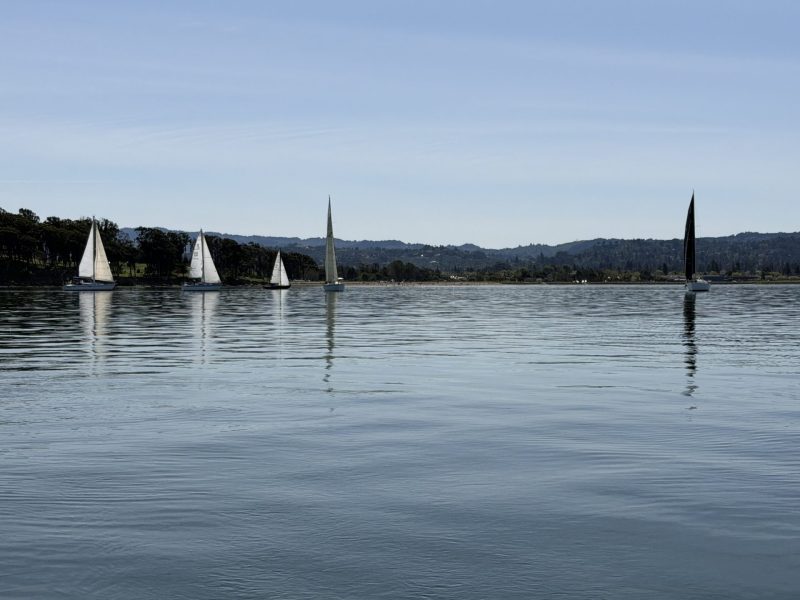
Six boats — Chablis IV, Paradigm, Sirius, Sweet Grapes, Surprise! and Svea set out on a clear, warm Sunday that looked generous but held its cards close. Forecasts had wandered all weekend. By race time, the breeze had mostly gone with them. What remained was light air, bright sun, and a steady ebb that would matter more than any sail choice.
Sweet Grapes led the fleet off as rabbit. The start was gentle, almost polite, until Surprise! found a line and carried it forward to C, rounding first with Paradigm close behind. Sweet Grapes, after an early tangle and penalty turn, settled back into the race. Already it was clear this would not be decided by speed alone.
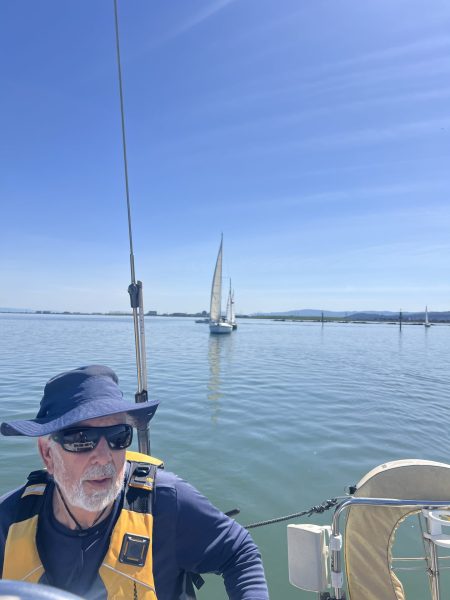
On the leg to Z, Paradigm set a spinnaker and began to close, the sail drawing just enough to turn possibility into position. Boats spread across the course, each searching for something reliable in air that refused to commit. Svea worked into third, with Sweet Grapes, Sirius and Chablis IV trading places in a quiet contest of angles and patience.
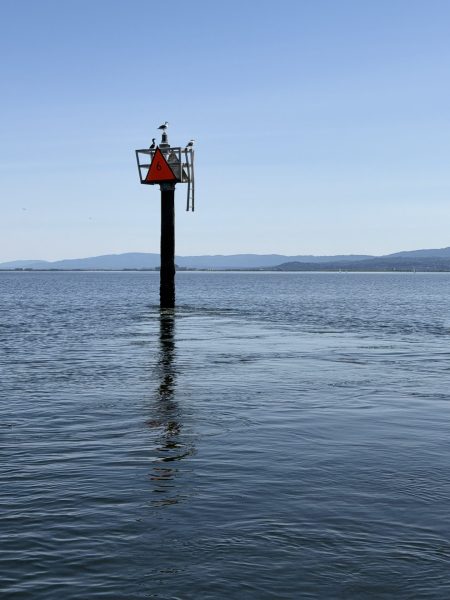
Then came the run north from Z to 6, where the race briefly found its rhythm. The ebb was in full voice, offering a two-knot lift that felt, for a moment, like real sailing. At channel marker 6, the water rose and folded on itself, a standing wake marking the strength beneath the surface. Paradigm led, Surprise! followed, Svea held third. Boat speed told one story. The current told another.
Beyond 6, the breeze loosened again. By the time the fleet reached for the Birdcage, the wind had thinned to a suggestion. Spinnakers collapsed. Courses softened. Decisions became smaller and more personal. Sirius retired first. Paradigm soon followed. Sweet Grapes, having fought back into contention, also chose “Enough.”
The course was shortened to Birdcage and home, though even that felt ambitious. The Bay had settled into stillness, and the race became less about finishing than about recognizing the day for what it was.
Those who stayed were rewarded with something quieter: a bright afternoon, a moving tide, and the kind of race that reminds you why you come out at all. Not for certainty. For the chance of it.
So far we have had 10 boats participate in the series. Here are the standings after race #5 of six:
1. Svea
2. Surprise!
3. Paradigm
4. Sweet Grapes
5. Ventus
6. Will o’the Wind
7. Sirius
8. Chablis IV
9. Bucephalus
10. Pelican.
The Moorings — Insider Tips for Chartering in the Exumas
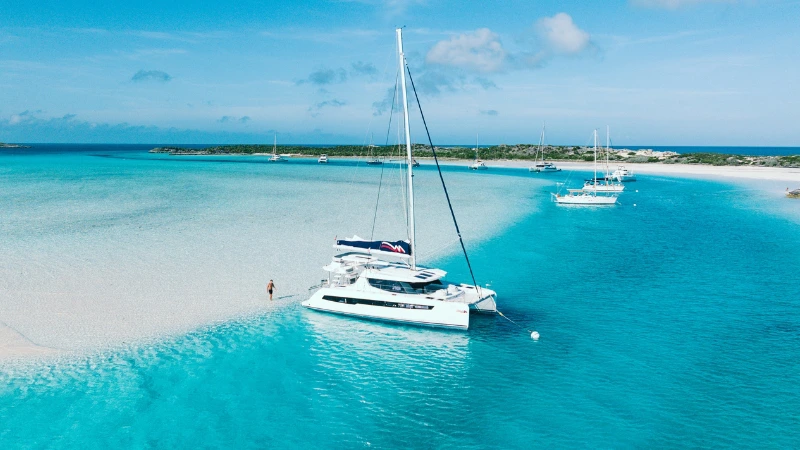
Captain Glenn Shephard, star of Below Deck Sailing Yacht, gives advice on how to manage the waters of the Bahamas and visits must-see spots like Staniel Cay, Shroud Cay, and more during his latest charter with The Moorings. Watch now.
‘No Reservations,’ Mexico or Bus(t) — and a Pair of Fluffy Kittens
I was faced with two unavoidable and coexisting truths as I prepared for the Baja Ha-Ha Cruisers Rally to Cabo: 1) I could not get off work in time to make the start, and 2) I would not miss the trip altogether. Thus began the journey of becoming the first known gringa — at least in the history of the Ha-Ha — to reach Bahia Tortugas overland.
I had met my captain, Matt Crews, about four months prior, at the raft-up party for the Commodore’s Cup (an epic story for another issue), and I said yes immediately when he invited me to join the Ha-Ha. From the get-go it was a relationship built on mutual trust. I trusted him to do 100% of the preparation; he trusted me to show up with the expertise I claimed to have, and to be a good cohabitor in his floating home. All I had to do was get to the boat in one of the most remote areas in all of Baja.
From the start I never doubted my ability to get there. It was one of those plans that just seem logical when you’re in your 20s. Everyone else met me with serious doubt. The people at Downwind Marine let me advertise for a ride, but in no way misled me to believe they thought it was realistic. Assistant Poobah Patsy Verhoeven told me plainly that she would never do it herself, but nonetheless forwarded me a contact number in Turtle Bay.
Getting in touch with Maria changed everything. She told me of a local bus that ran from Tijuana down the length of Baja California that would take me as far as Vizcaíno, a mere 100 miles from my final destination. I had little to no trepidation.
Even with Maria, the story would not have unfolded quite the same way without Audrey Fulk: highly skilled offshore sailor and my best friend. I had already nominated her to Matt, but we didn’t know if she would be back from her race across the South China Sea (another epic story for another issue) in time to make the start. Like me, she would arrive late. In the meantime, Matt had secured a backup plan in the form of Ocean Beach local Danny North (and two kittens, Daisy and Delilah). Thus the crew of No Reservations was set for the remainder of the rally. Audrey and I just had to get there.

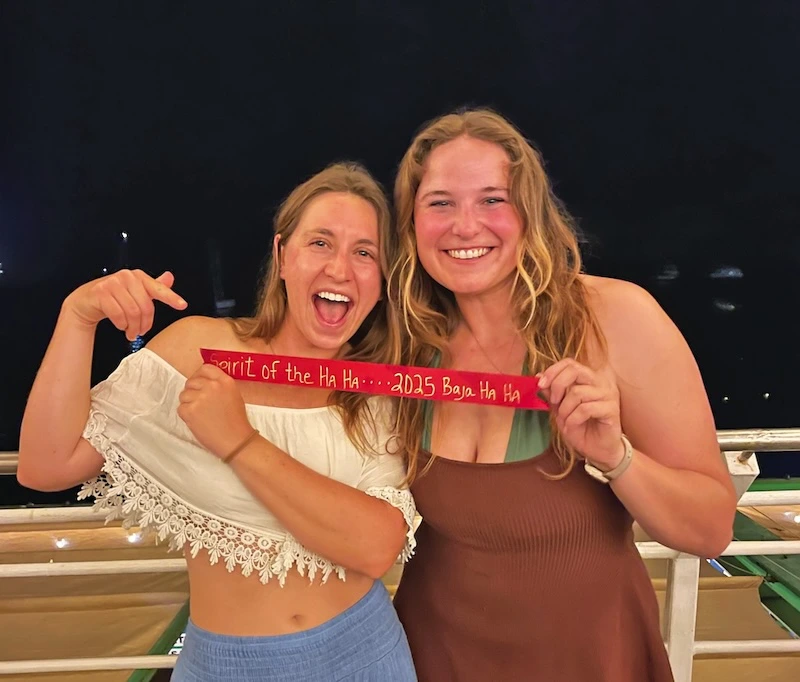
Things in Tijuana started smoothly enough. The bus was only 90 minutes late. Everyone told us repeatedly that this was excellent by local standards. After 15 hours and 630 miles of Twilight in Spanish (no subtitles, no mercy), Audrey and I stepped off into the dusty town of Vizcaíno. There was nothing to indicate that we were at the bus stop other than the fact that the bus had stopped there.
Midwinters Roundup: BYC Midwinters See RYC Boats Dominate
Berkeley Yacht Club (BYC) wrapped up its 2025/26 midwinter series on February 14 and 15, with three classes competing in the Saturday midwinter series, and seven competing in the Sunday midwinter series. Of the10 divisions that raced across the Saturday and Sunday series, eight of them were won by boats sailing under the Richmond Yacht Club (RYC) burgee.
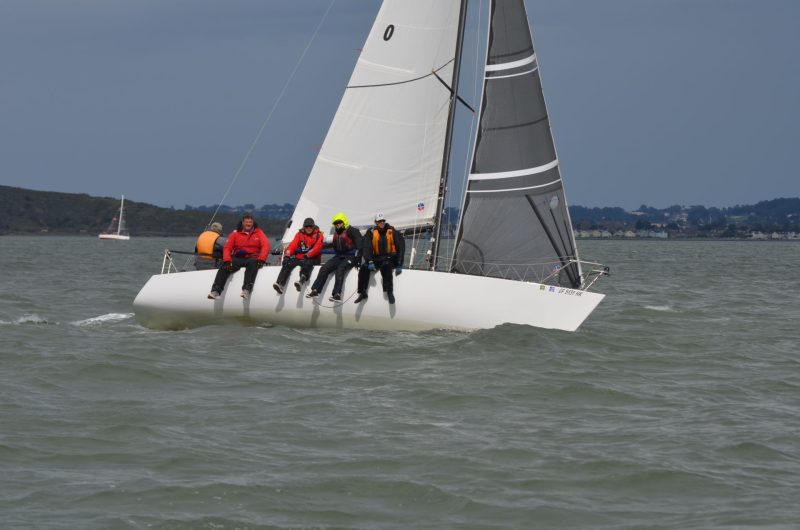
The Saturday series was composed entirely of PHRF divisions, with 28 boats competing in the three different divisions. The 10-boat PHRF Division One was dominated by John Kernot’s C&C 115 Raven (RYC) across four races. Kernot and company recorded a picket fence, giving them a net total of three points from four races (each boat was afforded one drop).
PHRF Division Two featured seven boats and was won by Hendrik Bruhns’ Olson 30 WYSIWYG (RYC). Bruhns and team won races one, three and four, and finished second in race two to claim victory in the series with a net total of three points from four races.
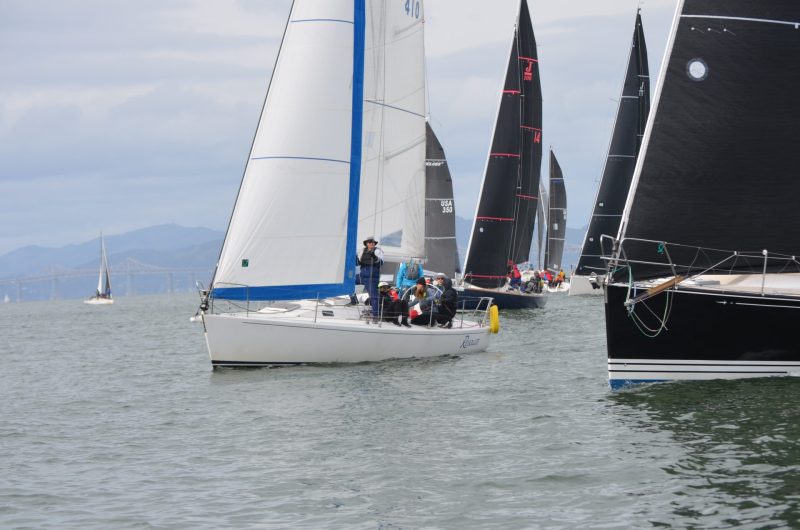
The third and final division from the Saturday series was the biggest, with 11 boats racing. Once again, there was a clear and dominant winner: Vaughn Seifers’ Moore 24 The Flying Tiger (RYC), which won races two through four after finishing second in the first race (won by Rick Raduziner’s Santa Cruz 27 Lickety Split).
The three Saturday divisions were all won by RYC boats, and all of the boats boasted a net total of three points. Averaging 0.75 points per race sure seems like a winning formula.
The Sunday series featured three one-design classes, two PHRF divisions, a doublehanded division and a singlehanded division. RYC once again was dominant, with boats flying the red and white “R” burgee winning five of seven divisions.
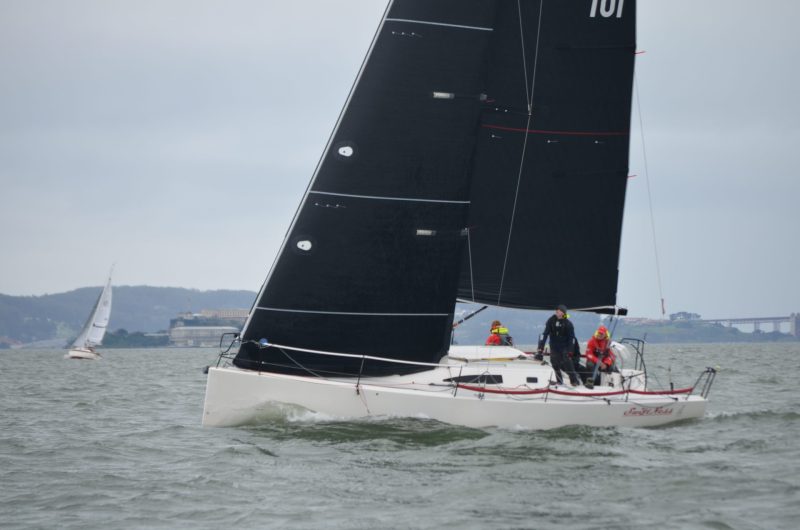
The PHRF One division was won by Nesrin Basoz’s J/111 Swift Ness (RYC), recording a picket fence. Basoz and team finished five points ahead of 2025 YRA Women’s Championship Series winner Elizabeth Henderson and her all-women J/105 crew on Chinook (IYC). Seven boats raced in the division.
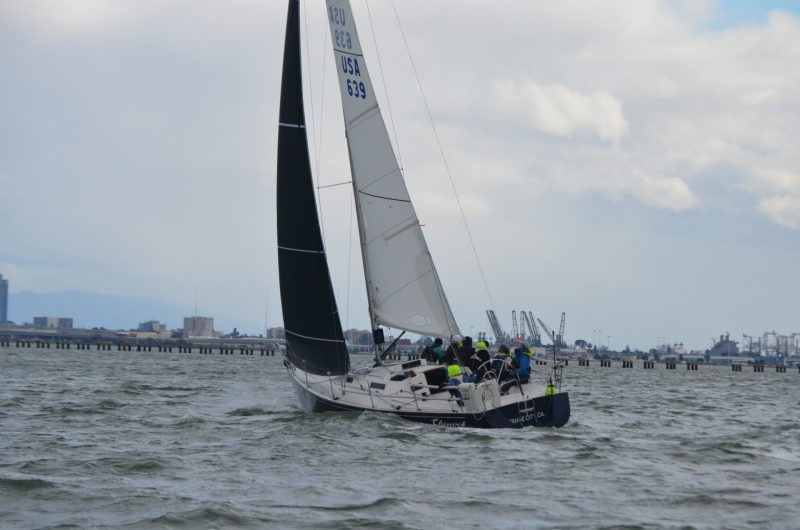
The other PHRF division featured eight boats and was dominated by Froglips (RYC), a J/24 owned by Richard Stockdale. Stockdale won three of four races, finishing second in race two behind regular Latitude 38 contributor Richard vonEhrenkrook aboard his Cal 20 Can O’Whoopass (SSS).
Doublehanded Sunday was a much closer affair, with just two points separating the top two finishers, both racing in Wylie Wabbits under the RYC burgee. Colin Moore’s Kwazy (RYC) finished with a net total of seven points, two ahead of Erik Menzel and Anna Pia Slothower’s Bad Hare Day (RYC) with nine.
Bob Johnston’s Alerion Express 38 Surprise! (RYC) took the win in the Singlehanded Sunday division with a net total of five points, having won races two and four. Gregory Ashby’s B-25 Akumu (RYC) finished with a net total of eight.
Chop Chop (White Sands YC), sailed by Matt Hamilton, won the six-boat Melges 24 class, one of only two divisions not won by a RYC boat. Hamilton recorded a net total of four points, winning the final two races of the series to claim victory.
Eric Villadsen and his team aboard New Wave (SLTWYC) narrowly won the Express 27 division with a net total of five points, one ahead of Steve Katzman’s Diane (RYC) with six. Villadsen and team sealed the series win in the final race, taking a bullet while Katzman finished second. The only two non-RYC division winners were both Tahoe boats snowbirding on the Bay.
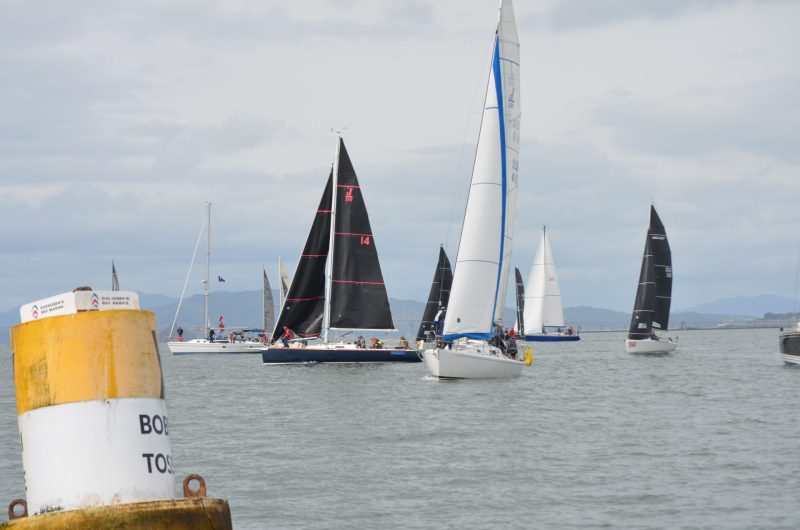
The final division of the series, the Alerion 28 class, also featured nine boats. Fred Paxton and Arnie Quan of Zenaida (RYC) won with a net total of four points, edging out 2025 Ruth Wosser Trophy winner Chris Kramer and his wife Denise aboard Sweet De (RYC) with seven net points.
With midwinters wrapped up, boats turn their attention to the increased wind speed, fleet sizes and fierce competition of the “regular season” of spring, summer and fall sailing on San Francisco Bay.
Catch up with more racing news in Latitude 38‘s March issue.
Online Archives, Used Boat Gear, and More on the Latitude Website
How often do we go to a website and miss half, or more, of what is available to us? We were thinking on this the other day, and realized that there may be sections of the Latitude 38 website that you may not yet have discovered. To remedy this possibility, we’ve put together a (very) brief outline of some of the features of our site.
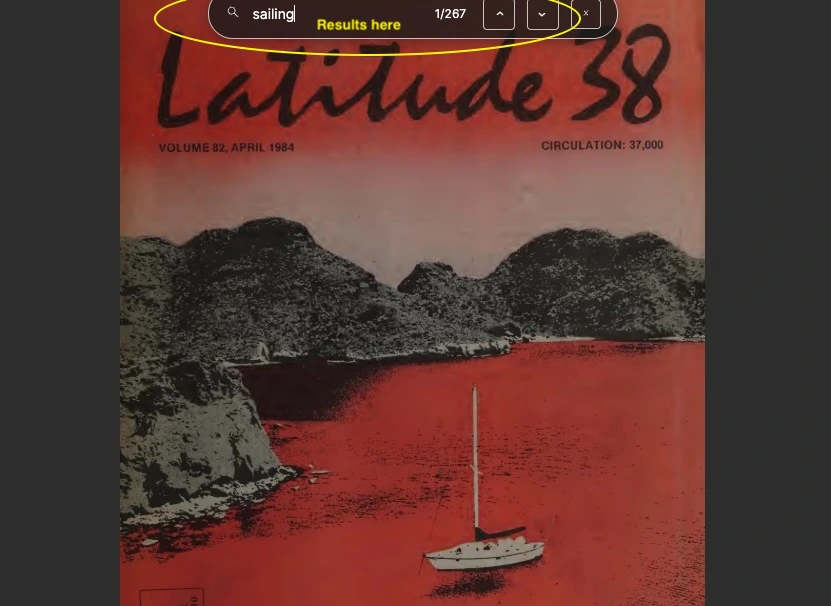
Presumably you already know the page you’re on, ‘Lectronic Latitude. Of course there’s the home page: https://www.latitude38.com/, and the page dedicated to the monthly magazine: https://www.latitude38.com/magazine/. But how about all the other cool features available? Let’s start with the magazine — we don’t have only the current month’s issue available; you can search for any topic, person, boat or event from today, right back to 1977. Here’s how:

Alternatively, if you know what year and month your subject appeared in, you can scroll down the page and go directly to that issue:
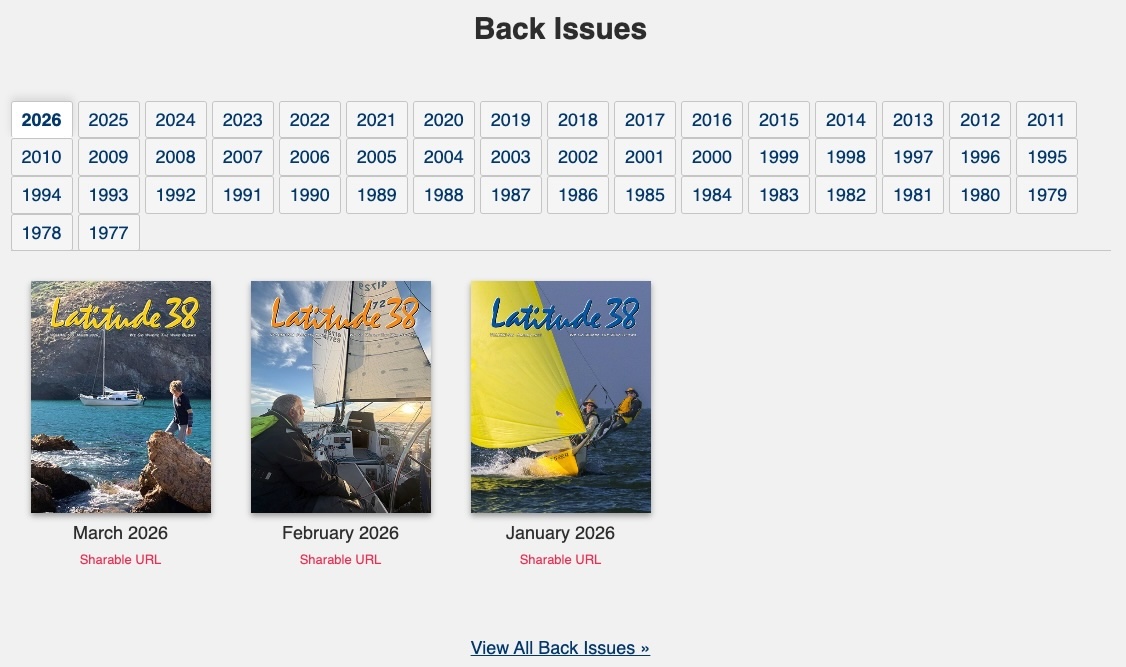
Then do a search within the issue using the little search magnifying glass at the bottom right of the page you land on; you’ll be taken to the page that contains that word, or words.

Now we want to talk about the Classifieds. You can list your boat, your sailing gear, your partnership opportunities, job vacancies, properties for sale, clubs and memberships, boats and items you’re looking for … it’s a good list! Specifically, did you know that you can list items that you’re selling for under $1,000, including photos, for free? Here’s the link to current listings: https://www.latitude38.com/advert-category/gear/
To add your unwanted boat items on the Gear page click here.
Here’s another angle. When you look at the top of every page you’ll find the basic topics you might be looking for.

But if you go to the very bottom of every page, you’ll find a more specific menu where each item will take you to its own dedicated page:
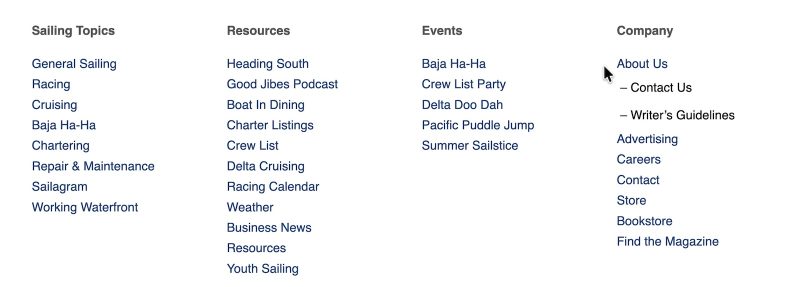
Think of the Latitude 38 website as a library where you can stroll around looking at all the topics and pick up whatever catches your eye. You never know what you might find! And if you get lost in there, just send a mayday: We’ll come find you.
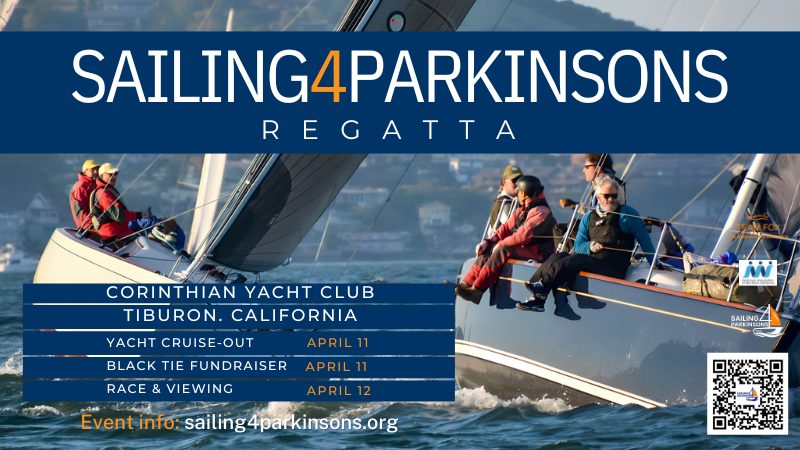
Join the Sailing4Parkinsons Regatta at CYC