

- International Racing
- Olympics
- Latitude 38 Magazine
- Current News
- Youth Sailing
- West Coast Sailing
- General Sailing
- Racing
PYSF’s Molly Vandemoer Announced as US Sailing’s Director of Olympic Sailing
This morning at 11:00 a.m. (PST), US Sailing announced a restructure in its Olympic Sailing leadership. Of note, it was announced that longtime Peninsula Youth Sailing Foundation (PYSF) Executive Director Molly Vandemoer will be the new director of Olympic Sailing.
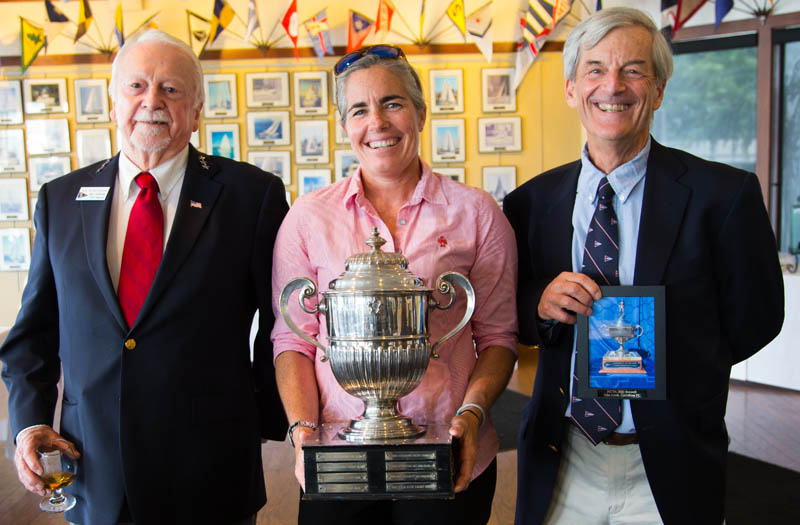
Vandemoer has been the executive director of PYSF since 2012. During this time, the program has been one of the premier youth-sailing programs in Northern California and on the entire West Coast. Prior to her role with PYSF, Vandemoer was a three-time ICSA All-American skipper while sailing in college at the University of Hawai’i. Three other current Bay Area sailing coaching giants were on the Hawai’i team with her at the time: Brent Harrill, Adam Corpuz-Lahne, and Renee Corpuz-Lahne. Vandemoer was one of the key sailors in Hawai’i’s 2001 ICSA Women’s Fleet Racing national championship.
In addition to her decorated college sailing career, Vandemoer won the 2010 Women’s Snipe World Championship with Anna Tunnicliffe. She won the 2011 Match Racing World Championship with Tunnicliffe and Deborah Cappozzi, and has a 470 North American Championship to her name. Vandemoer represented the USA in the 2012 Olympic Games in London in Women’s Match Racing. She is a regular teammate of five-time US Women’s Match Racing national champion Nicole Breault, having won the 2025 USMRC title with Breault back in August. You can hear Vandemoer speak on her sailing and coaching careers, and inclusivity in sailing, in this 2023 episode of Good Jibes.
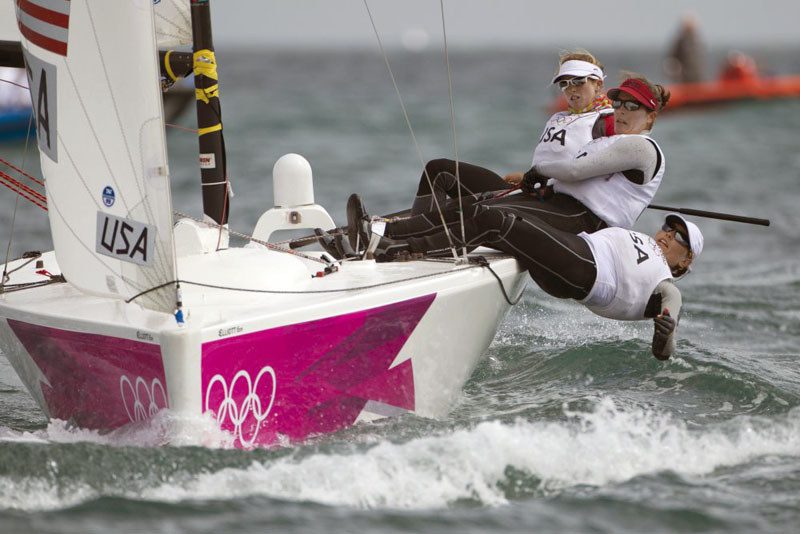
“Molly’s leadership, competitive experience, and deep understanding of high-performance sailing make her exceptionally well suited to guide our Olympic Sailing program,” US Sailing CEO Charlie Enright says of Vandemoer, per the US Sailing press release. “Her vision and expertise will be instrumental as we continue to elevate Team USA on the global stage.”
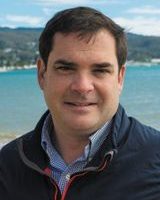
In tandem with US Sailing’s announcement, PYSF announced Molly Vandemoer’s husband and former Stanford sailing coach John Vandemoer as their new executive director. John was coach of the US Naval Academy’s sailing team from 2006 through 2008 before taking over the same role at Stanford. Vandemoer turned the Cardinal into one of the best college programs in the country before his time with the Cardinal came to an end after he was implicated in the college admissions scandal in 2019. John spoke with Latitude about his side of the college admissions scandal during this 2024 episode of Good Jibes. He has been working as a coach and head of programming at PYSF since 2019.
“John has over [two] decades of experience leading youth sailing programs at the community, college, and international levels,” the PYSF press release says of their new executive director. “He was previously the program director at Chicago Yacht Club and head coach at US Naval Academy and Stanford University. He has coached 15 All-Americans and four sailors that became Olympians. In addition, John knows PYSF very well, having coached across all classes of boats — Qubes, Optis, Ideals, c420s, i420s, and foiling — and has served as PYSF’s head of programming since 2024 where he has been responsible for all classroom and on-the-water sailing instruction and racing.”
“John’s experience leading sailing programs and cultivating world-class sailors makes him exceptionally qualified to lead PYSF into the future,” PYSF board chair Steven Kan says in the press release. “I am thrilled for PYSF to have an executive director with his experience and vision for strengthening PYSF’s programs, facilities, and community partnerships.”
“I am honored to take on the executive director role with PYSF,” John Vandemoer says in the PYSF press release. “As a PYSF coach and head of programming, I’ve had the opportunity to be deeply involved in PYSF’s culture and vision for the future. I’m excited to continue that work in a larger leadership role.”
In addition to the excitement expressed at John’s appointment, PYSF made sure to highlight Molly Vandemoer’s lasting mark on the program, stating, “Molly has provided incredible leadership to PYSF since she joined in 2012. She has grown the program significantly and cultivated a strong community of PY sailors, parents, and supporters.”
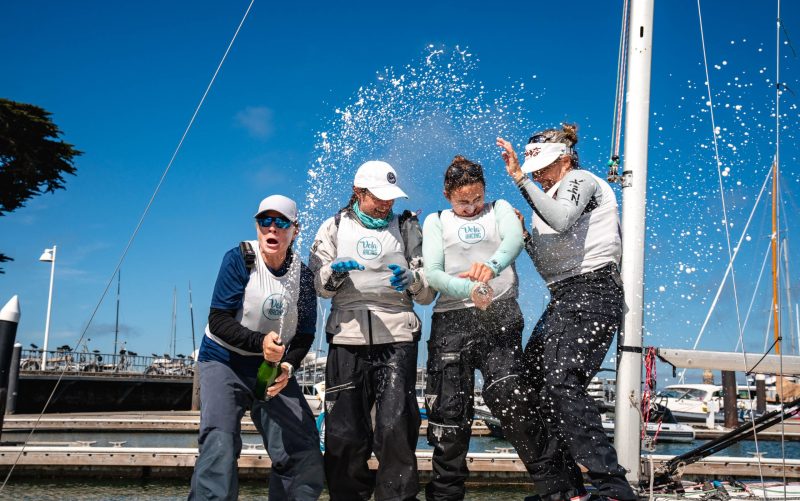
“Molly is a true leader who has developed and executed a vision that has grown PYSF into the nationally recognized community sailing program that it is today,” Kan says of Vandemoer in the PYSF press release. “It is a testament to what she has built here at PYSF that it has served as a platform for her new leadership role with US Sailing. We are grateful for her leadership since 2012 and wish her continued success in her new role.”
Today’s news is exciting for the Bay Area sailing community, with one of the local coaching giants taking on such a prominent role in US Sailing ahead of the next Summer Olympic Games being hosted just a few hundred miles down the California coast in Los Angeles.
“I’m honored to join US Sailing as director of Olympic Sailing and excited to work alongside such dedicated athletes, coaches, and staff,” Molly Vandemoer says per the US Sailing press release. “I’m committed to building a performance culture that supports excellence, teamwork, and sustained success.”
Bay Area Sailing School Club Nautique Declares Bankruptcy
It was a tough New Year’s Eve message for us and many Bay Area sailors when we learned that Bay Area sailing school and club, Club Nautique, was closing its doors and declaring bankruptcy. Over the weekend, we published the letter from Club Nautique on our Business News page, prompting the comment from reader Mark Joiner, “Oh my God, I agree that’s (sic) something steady as the sun coming up has gone by the wayside.”
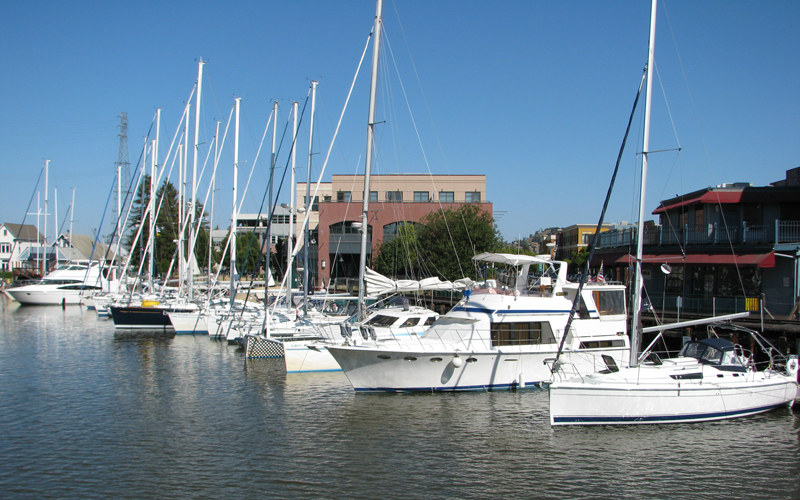
The school has been an institution on the Bay since it was founded by Don Durant in 1980. Since then, the school has taught thousands of sailors and chartered hundreds of boats on the Bay and built a dedicated community of members and instructors. Durant sold the business to Jason and Stephanie LaChance in 2020, just as the pandemic was coming on.
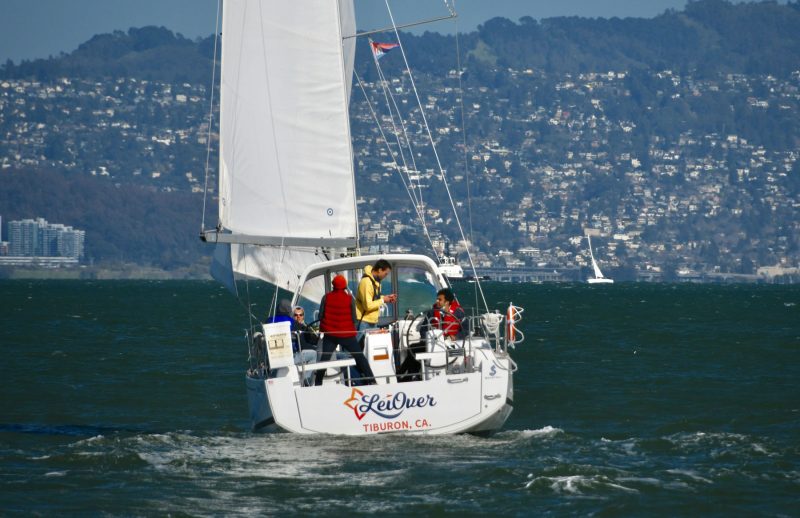
It was a difficult start, but the school continued as one of US Sailing’s top commercial sailing schools and provided more Offshore Passage Making certifications than any other school. Since the announcement came out, we’ve received many emails from instructors and members regretting the loss of the school. It’s difficult to process such a loss, though it’s not been an easy time in the sailing industry. Club Nautique has been a major dealer for Jeanneau sailboats, which started the year with tariffs disrupting the marketplace. Then, in a tragic loss, the school’s long-serving and respected general manager, David Forbes, suffered a fatal heart attack in mid-November.

We’ve heard from former CN instructor Larry Haynie, former instructor and manager Jim Hancock (now of San Francisco Science Sailing Center), former instructor Doug Teakell, delivery skipper Arnstein Mustad and many others on our business story and Facebook page, including Angela Stiller Salvante Grigas, who wrote, “So sad to hear about this. We hosted Club Nautique many times at Benicia Yacht Club.”
Arnstein Mustad noted, “Together we accomplished some great things, such as the GRAD course (GPS, Radar, AIS, and DSC). I put the curriculum together using 12 laptops and a network hub to project a student’s electronic charting work on the screen. David and Antonio (instructor) also launched a new electronic navigation course for US Sailing. CN was the first to teach it for US Sailing using tablets in a classroom environment — a complete departure from paper charts. These new courses were revolutionary in the US Sailing education world.”

Instructor and captain Matthew Sessions wrote to say, “Club Nautique has been an amazing place to work for the last few years. The office staff and instructors are extremely knowledgeable and professional, and the fleet of yachts has always been in excellent working order. David Forbes pushed me to bring out my best as an instructor/coach for our students. I’m a better yachtsman thanks to the CN community.”
Deirdre Collins wrote, “This is so sad and such a great loss for the Bay. They were a top-quality sailing school.”
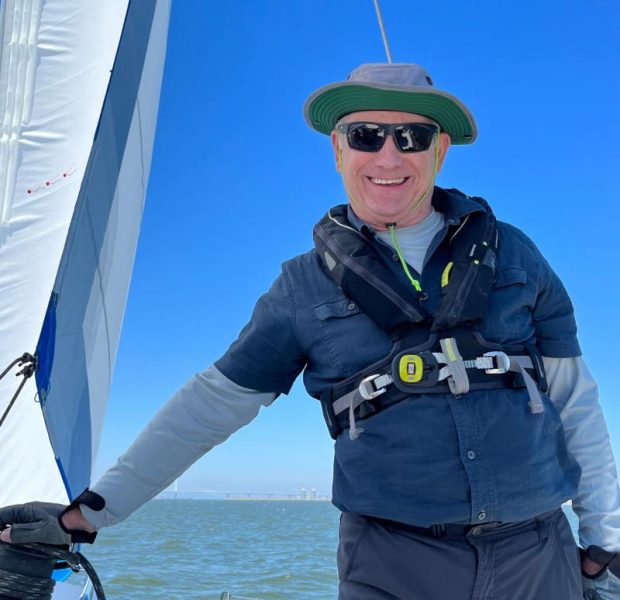
Having been at Latitude 38 for almost 40 years, we have said farewell to more than our share of sailing businesses. Through it all, we’ve always respected the people who take on the challenge of running a small business. We’ve sat with business owners through recessions, supply chain disruptions, the luxury tax, increased environmental regulatory burdens and a the full array of business challenges. Even the largest sailing businesses are small businesses compared to those on Wall Street.
The common thread connecting all of our advertising customers is a passion for sailing. The former and current owners and staff at Club Nautique were among many dedicated people we’ve had the privilege to work with in the sailing business. Times change, and it can be very difficult to navigate through the periodic squalls that flow through the business cycle. The loss of Club Nautique leaves a vacuum that, one way or another, will get filled. There is chatter online about rescuing the club, though it’s very early to know if anything like that is possible.
Regardless, the thousands of sailors trained by Club Nautique and all other local sailors know the allure of sailing the Bay that is so central to the Bay Area. Though it may not be easy, we trust everyone will find a way to get back to sailing the Bay.
Don’t Get Behind — Schedule Your Service With KKMI Today
Reflections on Cruising the Coast of Venezuela
Outside of today’s headline news on Venezuela, it can be easy to forget that Venezuela has welcomed many cruising sailors to its coastline over many years. In fact, we were among that group. We were reminded of this when we received a letter from cruiser Nick Coghlan, who wrote to us about his and his wife’s Venezuelan cruising experiences in 1988 aboard their Albin Vega 27, Tarka the Otter. We had just reviewed his book, Under Wide and Starry Skies, in our December issue when his memory of cruising Venezuela arrived. We’ll share his full Venezuelan story in an upcoming Latitude 38, but meanwhile, we shouldn’t forget how many wonderful cruising areas have been temporarily off limits due to geopolitics.

Like Nick and Jenny, we have our own memories of cruising Venezuela a decade ahead of their cruise.
Going further back, we took a year off from college in 1976/77 and sailed from Maine to Venezuela and back. There were four of us aboard a Camper & Nicholsons 35 — my brother Peter, Max Fletcher and friend Astrid Deeth. In February 1977, we spent five days or so having the time of our lives dancing in the streets of the Port of Spain carnival celebrations in Trinidad. Afterward, we managed to get a visa at the Venezuelan consulate to cruise the coast. We sailed west from Port of Spain to Isla Margarita, then to the mainland in Cumaná, then out to Isla Tortuga and then Los Roques before, sadly, turning north to head to Puerto Rico, the Bahamas and back to New England.
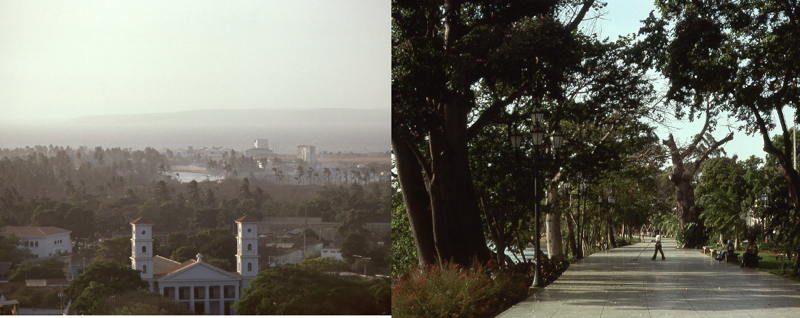
Digging out our old journal reminded us of the beauty of the place and the friendliness of the people. There was great sailing, with many anchorages, fabulous beaches and great diving. The city of Cumaná, about 160 miles east of Caracas, was a thriving city with clean, polished park plazas, and busy retail with many American cars on the street. Everyone, except us, was pretty fashionable.
There were a few signs of change. When visiting Cumaná we tied up in the industrial harbor astern of a Russian freighter. After returning from clearing in at customs we found ourselves talking with some of the Russian crew, who invited us aboard for drinks that night. That’s where we learned to drink the Russian way. We brought a little rum and they had wine and vodka. Don’t remember if there was food. All drinks were poured straight and polished off with each successive toast to whatever struck our fancy. We hadn’t had ice in weeks and we thought a huge freighter might have some. That’s not the Russian way. During long discussions on competing political beliefs, we toasted Brezhnev, Carter, world peace and every other toast-worthy cause of the moment.

Late that night, the four of us stumbled down the gangway and back to the boat to pass out until morning. We woke early to a large crowd of Venezuelans peering at us from shore. Having cleared out of customs the night before, we left early for a difficult 60-mile sail across to Isla Tortuga. The sailing was beautiful but the condition of the crew made it very challenging. On Isla Tortuga we again found a gorgeous tropical island on which to recover. More fabulous beaches, swimming and diving.
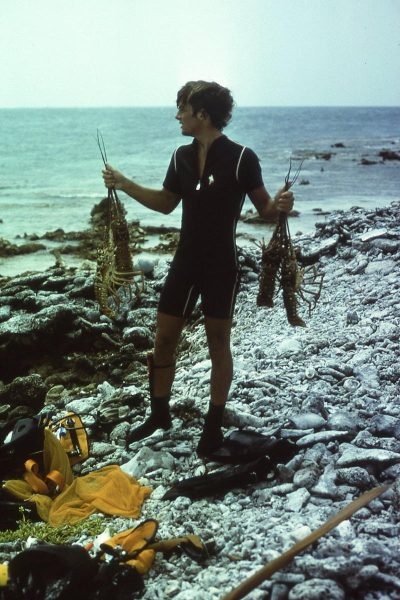
Even then, there were signs of change and indications of things to come. In 1976 Venezuela nationalized the oil industry, though it wasn’t until 2007 that Chavez seized the assets of the American oil companies operating there. And, as we cruised these offshore islands, we noted small runways with private planes and some brand-new speedboats despite the fact that there was no tourism on the islands. It’s interesting to also read a story Richard Spindler wrote about Venezuela in 2010.
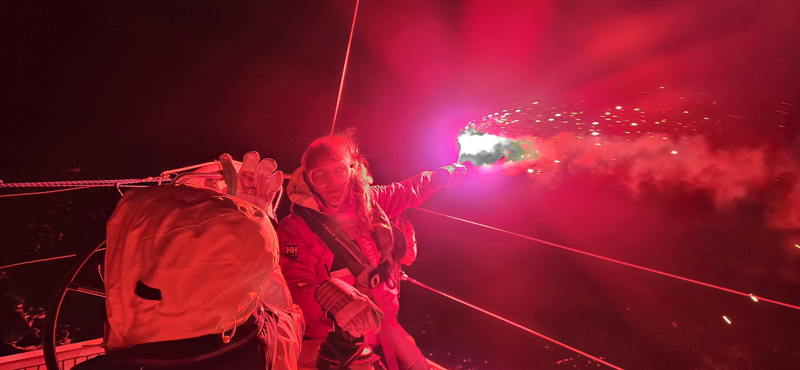
We saw only one or two other cruising boats during our two-week jaunt along the coast and offshore islands. There was chatter among cruisers of possible pirates in the area, and we had one incident when a single flare was fired at night and we wondered if we were being lured into a trap. Our running lights were not working so we were completely dark and therefore reasoned they couldn’t see us and wouldn’t be firing a flare unless they’d seen us on radar, in which case we assumed they were not in need of help. That’s not a good reaction if there were actually a boat in distress.

After a couple of days on Isla Tortuga we headed farther west and slightly north to Los Roques. We were torn regarding which was our favorite place. Isla Tortuga had some gorgeous beaches and some signs of civilization to make it interesting. Los Roques was the same but completely deserted. Just sand, palm trees, reefs and us. Why compare? They were both great. After a couple of days exploring and diving in Los Roques, we regretfully had to turn north toward home. We sailed the 400-plus-mile passage to Ponce, Puerto Rico. It was the end of our Venezuelan sojourn and the beginning of our return to civilization, though luckily we still had the Bahamas ahead.

There are many beautiful cruising grounds in the world that have been temporarily removed from cruisers’ itineraries because of local conflict. We now feel lucky to have been able to experience Venezuela when we did. In that era, many would have avoided Vietnam and cruised Venezuela instead. Today, cruisers are enjoying Vietnam and Southeast Asia.
A Sailing Dad Charters in the Caribbean
You’ve heard the stories and seen the pictures of sailing the West Indies, where three centuries ago, the real pirates of the Caribbean Sea hid treasure chests and marooned traitorous crew. I had too, and was enthralled. Ever since I started sailing more than two decades ago, I dreamed of a bareboat charter in those clear, warm, aquamarine waters, snorkeling with colorful fish I had only seen in aquariums, and sipping tropical drinks on white, sandy beaches under umbrellas.
As life went along, family demands and expenses relegated such a trip to a someday luxury. But as my kids entered high school, I became aware of their growing independence. I had to make this trip a priority if I was to share this dream with them and expand their world far beyond what mine had been at their age. Even if they were not hooked on sailing as I was, I hoped a trip like this would inspire enough interest in sailing that we could continue to share as they became adults. My wife and I started saving our money and getting the experience it would take to make it happen.
You see, I was not ready to charter a boat with only novice crew. True, I had sailed and raced on other people’s boats for more than two decades, including in some challenging conditions. (See “I’m Not Bob — The 99th Mackinac Race,” Latitude 38, September 2023)
I knew just about all the jobs aboard, but individually, not as a whole. I had seldom, if ever, captained a boat, and had never been responsible for the crew and vessel. I knew I needed to step into that role before captaining a bareboat charter.

We bought a trailer-sailer in early 2020. The boat fit our budget and landlocked location in Davis. We kept it at Lake Washington Sailing Club in West Sacramento, where our daughters had learned to sail in Sabots. Over the next four years, I learned, on a small scale, what it means to be in charge of a boat, including planning itineraries, repairing damage, maintenance, and instructing crew. I practiced launching and retrieving, docking, anchoring, heaving to, and crew-overboard drills, and my family became familiar with how to sail. Despite my self-confidence, I knew the charter companies would ask for more.
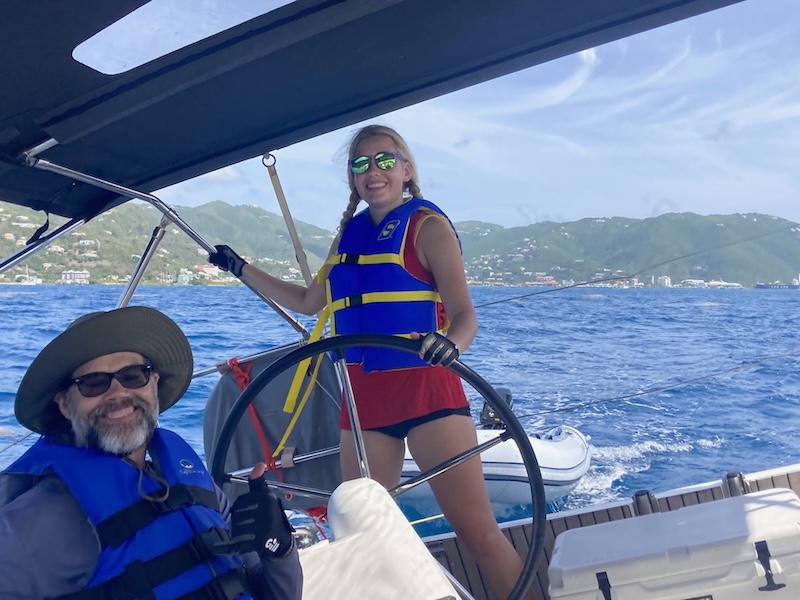
In 2024, I sold that boat and sailed aboard other people’s larger boats. I passed the American Sailing Association’s Keelboat Sailing and Coastal Cruising courses, then took the Bareboat Cruising course through Afterguard Sailing Academy in Oakland. For the next year, I led practice and fun sails with a different crew every month on the Oakland-Alameda Estuary and San Francisco Bay. I improved my skills by docking, piloting, planning, and working with people of varying skills and experience. These were the skills I would need to lead my family of unseasoned sailors in safely crisscrossing Drake’s Channel under sail and power, anchoring, picking up mooring balls, and docking.
Westwind Yacht Management — Washing, Waxing and Varnishing
Westwind Yacht Management: Premiere Yacht & Fleet services for the San Francisco Bay Area.