
Governor Newsom Mandates Curbside Pickup for Old Boats
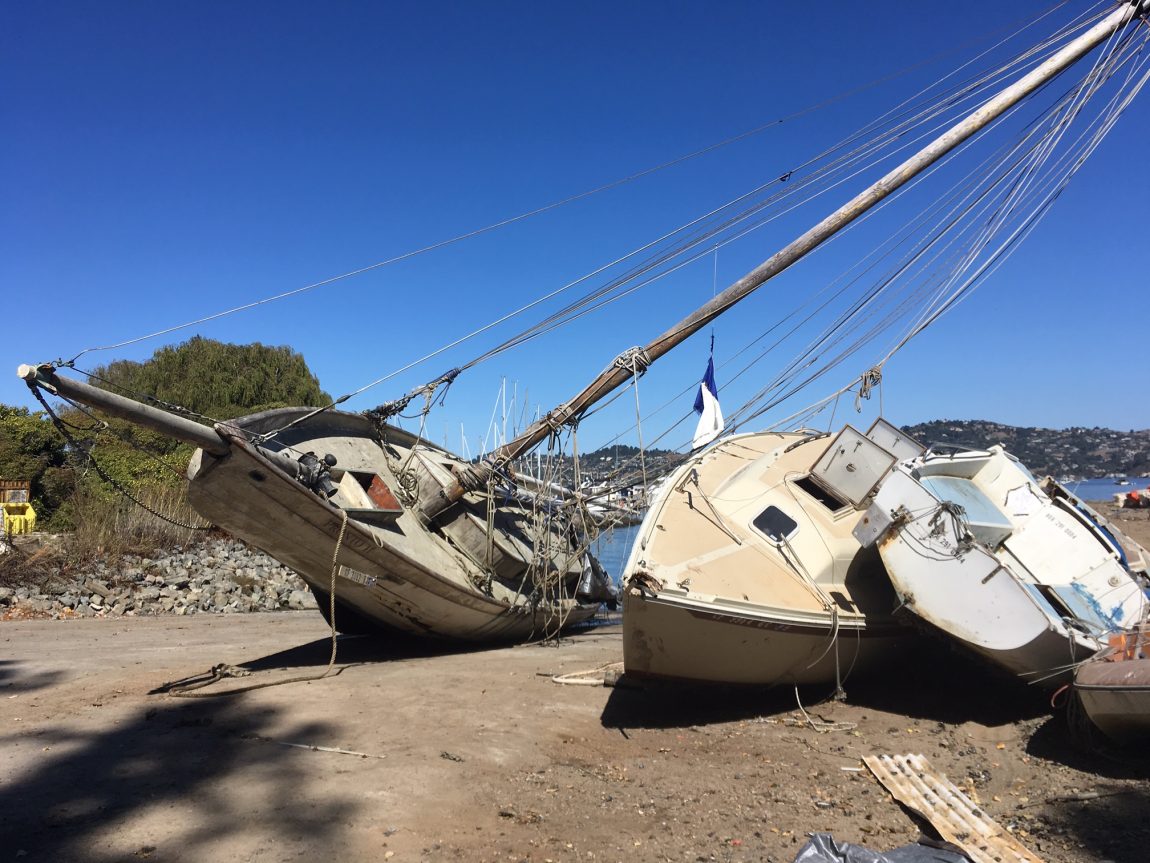
After endless years of debate about the disposal of end-of-life fiberglass boats, Governor Newsom issued an executive order requiring local municipal garbage services to provide curbside pickup of discarded fiberglass boats on the third Thursday of each month. While boat owners are relieved, local garbage collectors are up in arms, suggesting the boats are too heavy to lift, and once lifted, most won’t fit in the average garbage truck. Undeterred, Newsom said he is following the act first, plan later principle, and suggested the boats don’t have to be picked up all at once but can be removed piece by piece over several months.
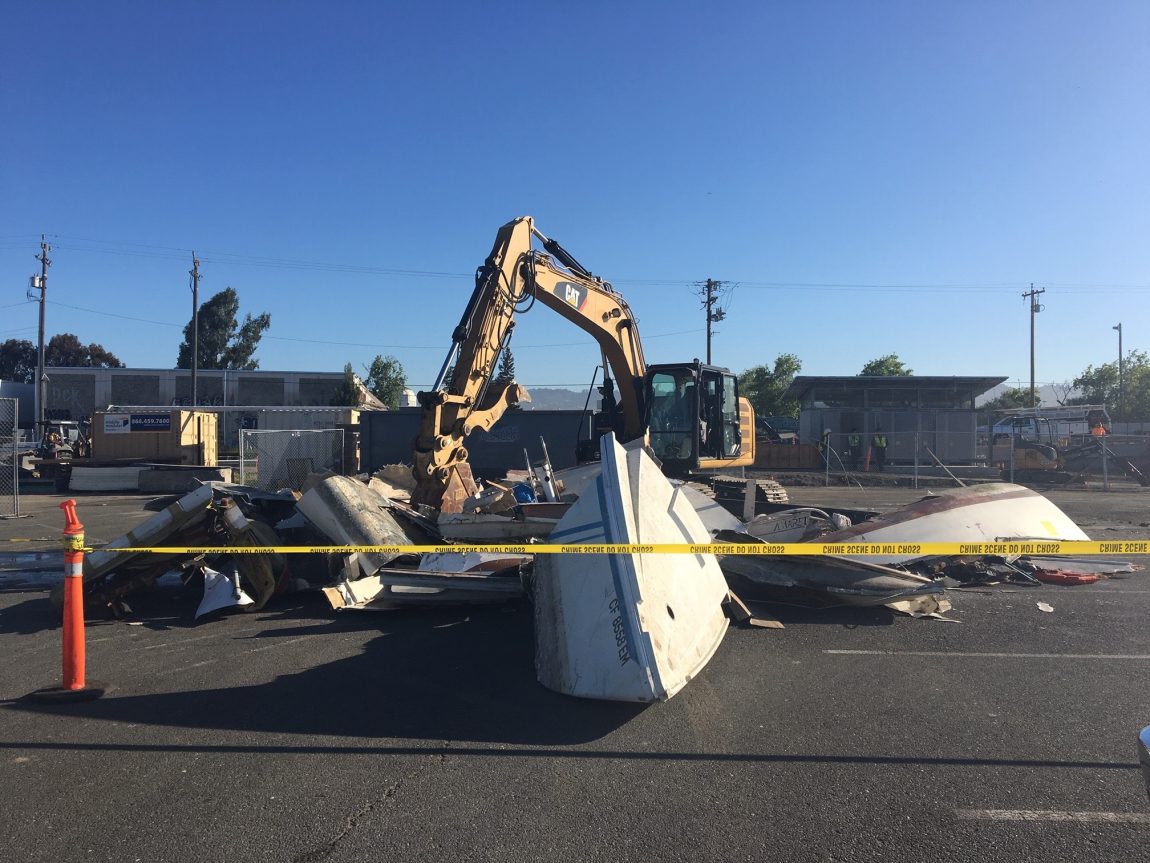
Waste-disposal experts also raised the issue of how to dispose of the collected derelict boats that would not biodegrade, alongside biodegradable household waste. While a complete plan has yet to be outlined, Newsom assured citizens that a beautiful plan would be forthcoming. He said he’s already entertaining proposals from private equity firms that will use the crushed fiberglass as the raw material for some really fantastic projects. He envisions the waste becoming a huge source of California exports to foreign nations hungry for US imports.
Newsom also noted that dramatically reduced environmental regulations mean that, if needed, waste can be dumped just about anywhere. His office stated, “Boats look pretty large, but they are mostly air on the inside, so when you crush them, they get pretty small; all of them could fit in a small canyon somewhere. Another thought is actually using them for the bed of the high-speed railway. It would be kind of ironic to have one of the slowest forms of transportation be the foundation of the fastest trains in the West.
“Luckily, the high-speed rail project is not finished, so we still have time and might save money,” he added.
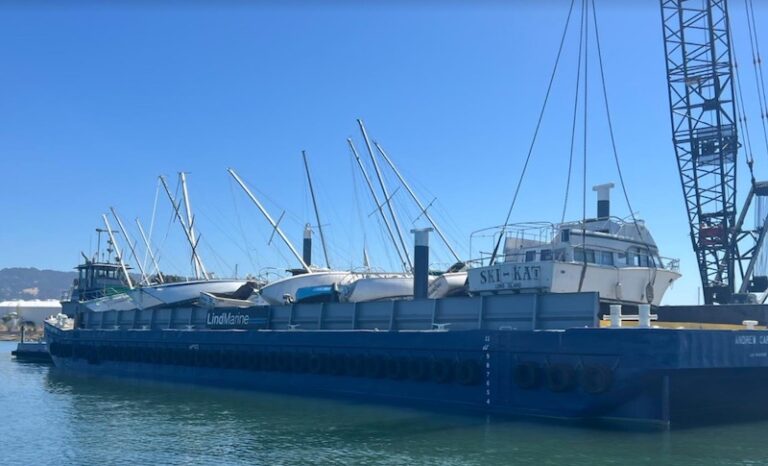
After the news was released, another proposal landed on Newsom’s desk when a mariners group suggested using the material from crushed boats to create artificial islands in San Francisco Bay. They stated, “It’s ridiculous that the Bay Area hasn’t built one new island since Treasure Island in 1937. The recycled boats could be used to build new islands, creating numerous cruising destinations for Bay Area sailors, kayakers and all boaters looking for more places to go. Crushed boats are the ultimate Bay fill! It’s the ideal trash-to-treasure (Island) solution, where we could expand Bay access by using the fiberglass to build more launch ramps and protected areas for boating. We think this is more aligned with the BCDC’s mission of promoting Bay access rather than building bike paths and park benches.”
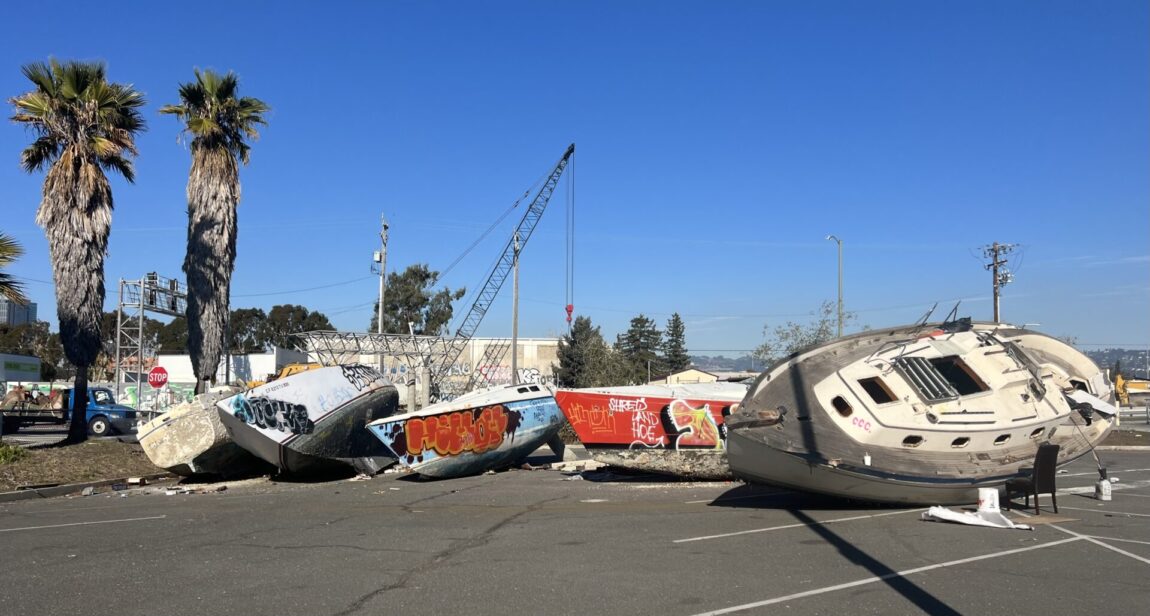
The group suggested that utilizing recycled sailboats to build updated ramps into the Bay would greatly expand the ability of residents to actually sail, swim or paddle. There was a strong sentiment that using old boats, which are already classified as Bay fill, is an ideal way for old boats to become a pathway for the next generation of sailors and boats to enter and enjoy the Bay.
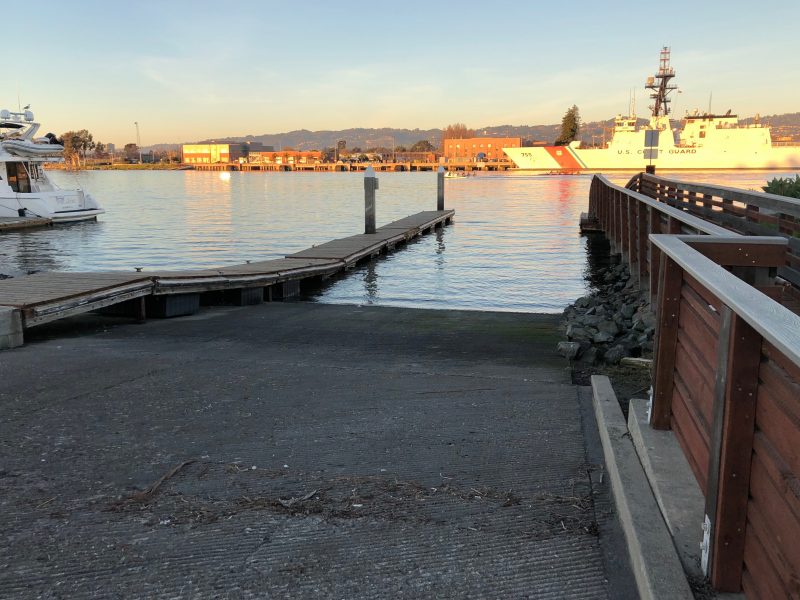
Newsom’s office finished up by saying, “We don’t want everyone getting all introspective and thoughtful about these things. Let’s get ‘er done!”
Latitude 38, April 1
Good Jibes #237: Peter Molnar on the Ocean Genome Atlas Project, With Host John Arndt
This week we chat with Ocean Genome Atlas Project (OGAP) co-founder and board chair Peter Molnar about building a high-resolution genomic atlas of the oceans. Peter is on a mission to produce a global genomic atlas of the world’s oceans, providing critical information for planetary health, evolutionary and fundamental biology, and biomedicines of the future.
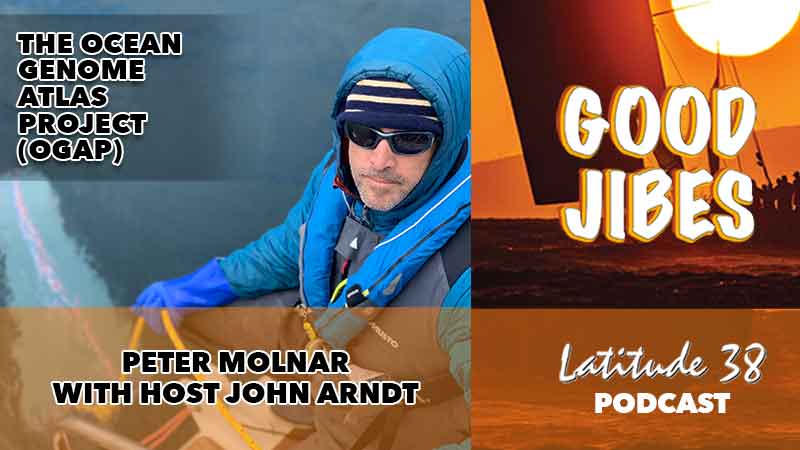
Hear how sailing brought Peter’s family to the Bay Area, why he started looking under the water, the super-cool tech behind the OGAP boats, a status report on the health of the Bay today, and what we can learn from Copenhagen when it comes to the water.
Here’s a small sample of what you will hear in this episode:
- Harmful algae blooms, the sturgeon die-off, and the fight over nutrient loads
- Starlink changes everything: real-time AI analysis in the middle of the ocean
- The birth of OGAP
- From racing on the water to caring about what’s in it
- What ocean genome data means for fisheries and the food web
Listen to the episode on Apple Podcasts, Spotify, and your other favorite podcast spots –— follow and leave a 5-star review if you’re feeling the Good Jibes!
Learn more about Peter and help out the mission at OGAPvoyage.org
Check out the episode and show notes for much more detail.
Discover Profurl
The proven choice of bluewater cruisers and professionals around the world, Profurl’s C-Series Headsail Furlers are backed by an industry-best 10 Year Warranty.
- General Sailing
- Racing
- Cruising
- Latitude 38 Magazine
- Ha-Ha
- Events
- Caption Contest(!)
- West Coast Sailing
- Commentary
Latitude 38 April Issue Out Now — No Joke!!!
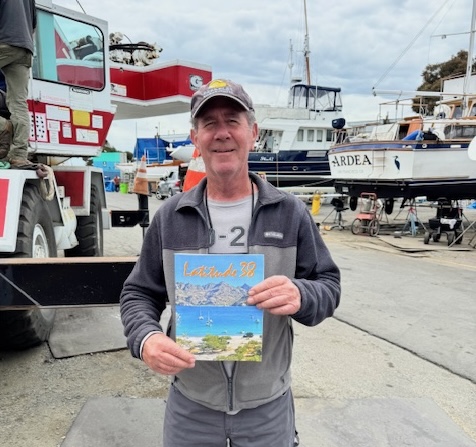
Well, it’s that day of the year again. The day when jokes and pranks appear everywhere, sometimes obvious, sometimes not. We do have some for you today, in the journals of ‘Lectronic Latitude, but this is not it! This is a legitimate post about the April issue of Latitude 38, which just happens to be available now (it actually hit the docks yesterday). If you don’t have your copy yet, here’s a glimpse of what’s inside.
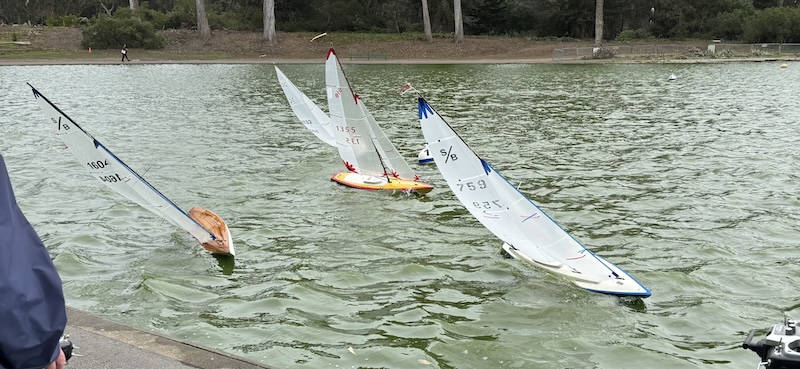
No Matter How Good Your Sailing Skills, RC Sailing Will Improve Them
What are the obstacles to really getting out on the water to race against competitors and to gain on-the-water experience? To get better? First, time. Second, money. Third, scheduling times to get a regular crew together. Here’s an answer to those challenges: competing in radio-controlled (RC) model yacht races.
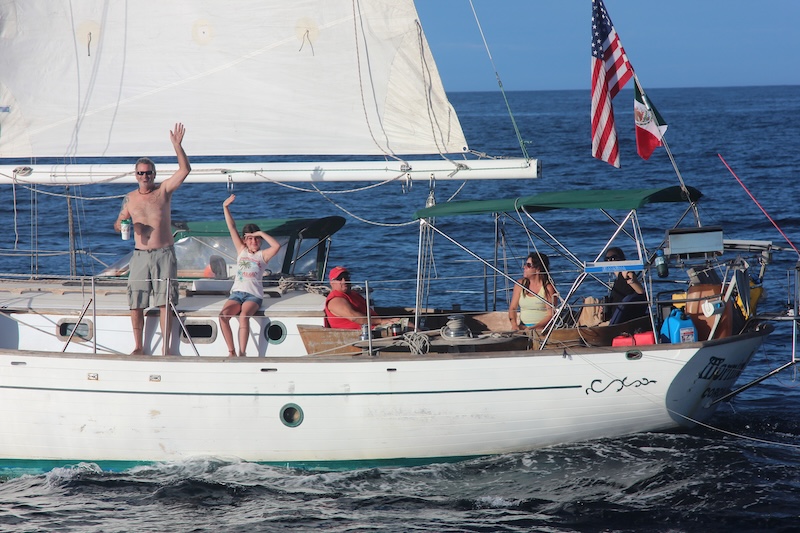
Baja Ha-Ha — Crazy Ruckus or Supportive Cruising Fleet
Prior to joining, I’d thought it was mostly a party and a crazy ruckus heading down the coast, leaving a trail of turmoil in its wake among the small communities that lie on the Pacific coast of the Baja Peninsula. I had even heard of other people who thought the same. Some were purposely traveling on either end of the Baja Ha-Ha so they would not be caught up in it.
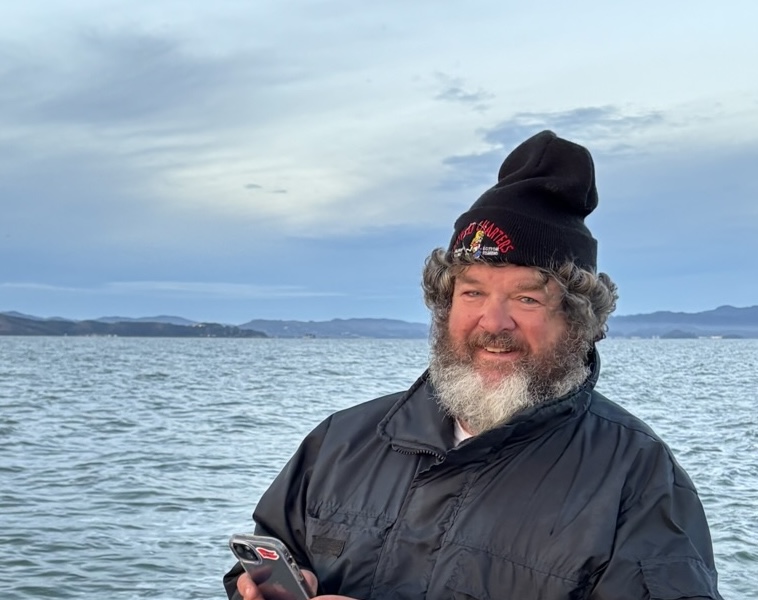
A (Mostly) Gentle Delivery Over a Graveyard of Ships
It is not uncommon for people to tell me what a terrific lifestyle I have: Getting paid to drive boats must be the best deal on Earth. Some days it is, many days it isn’t; there are days when you earn your wages. Here on the US West Coast, many of the days when you earn your pay fall between October and March. The question is when to pull the trigger and go. And it is not so much the time of year as the predicted wind and sea state.
And of course, we share our regular columns:
Letters: To Show Off Our Skills and Command of the Seas; We Were Wrong; White Elephant Deja-Vu in Berkeley?; Who Is Buying What From Who and Who Is Benefiting How?; plus many more readers’ letters.
Sightings: A Cruise Through Northern Spain; Legendary Med Cruiser Up for Sail; Sign Up for Opening Day; Death and Resurrection; and other stories.
Max Ebb: “Cash or Crash?”
Racing Sheet: In April’s edition of the Racing Sheet, two statewide high school regattas are sailed, SDYC hosts a major Etchells championship, one of the country’s elite women’s regattas, and the offshore race that was *supposed* to be the warmup for the Puerto Vallarta Race. StFYC hosted the penultimate stop of California Dreamin’. Finally, RYC hosted its annual Big Daddy Regatta, honoring Bob Klein. For this edition of the Racing Sheet, we didn’t end up with enough room for all of the articles we had planned (overeager racing editor!), so we encourage you to go check out ‘Lectronic Latitude to read even more about sailing.
Changes in Latitudes: With reports this month from Makani on the effort required to become a self-sufficient sailor; Pendragon’s post-Ha-Ha adventures; a look back at both Zihuatanejo Sailfest and the Barra de Navidad Cruise-In Week and Fiesta de Veleros; and some fun and funny Cruise Notes.
Plus, all the latest in sailboats and sailboat gear for sale, Classy Classifieds.
Lake Tahoe Tide Charts Launch Before Summer Season
This just in …
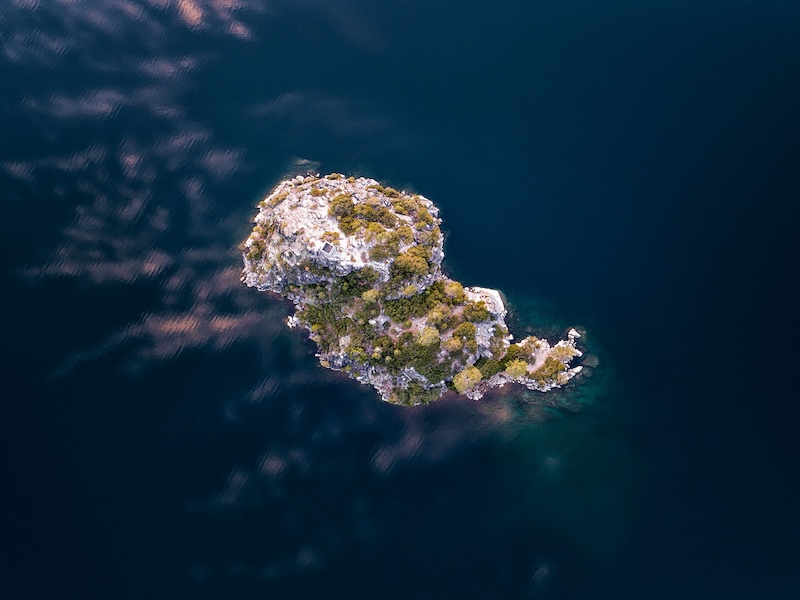
With Lake Tahoe expecting another record summer tourism season, Jetsetter Guide has launched a free tidal prediction system to help boaters, paddleboarders and swimmers plan safer outings. The tool launches just in time for a notable date: May 31, 2026 — the Sunday of Memorial Day Weekend — falls during a full-moon spring tide, creating maximum water level swings during the busiest recreational weekend of the year.
“Every summer, we see visitors caught off guard by rapidly changing water conditions,” said Dr. Marina Shorewell, director of the newly formed Tahoe Basin Tidal Research Consortium. “When you’re launching a kayak at Tahoe City Harbor during a spring tide and the water level drops six inches in three hours, that can mean the difference between a smooth return and dragging your vessel across exposed rocks.”
The Lake Tahoe Tidal Prediction System covers five monitoring stations around the lake and provides:
– Daily high/low tide times for Tahoe City, South Lake Tahoe, Incline Village, Emerald Bay, and Kings Beach
– Hourly water-level forecasts synced to actual 2026 lunar data
– Moon phase indicators highlighting spring- and neap-tide periods
“With 200 to 300 search and rescue cases on this lake every year, anything that helps people plan ahead is a win for safety,” said Lt. Cliff Marker of the US Coast Guard Auxiliary Flotilla 11-1.
Understanding Tahoe’s Unique Tidal Patterns
Unlike ocean tides driven primarily by gravitational forces, Lake Tahoe’s water-level fluctuations are influenced by a complex interplay of lunar positioning, barometric pressure differentials, and the lake’s exceptional depth of 1,645 feet, creating what researchers call a “lacustrine seiche effect.”
The new prediction system tracks conditions at five stations:
| Station | Notes |
| Tahoe City Harbor (LT-001) | Reference station |
| South Lake Tahoe Marina (LT-002) | 25-minute tide delay |
| Incline Village Pier (LT-003) | 11-minute advance |
| Emerald Bay State Park (LT-004) | 40-minute delay, dampened amplitude |
| Kings Beach (LT-005) | 5-minute advance |
“The timing differences between stations catch people by surprise,” explained Capt. Wade Poole, a 30-year veteran of Tahoe boat operations. “You can’t assume conditions at Kings Beach match what’s happening in Emerald Bay. That sheltered geography creates its own microclimate — tides there are almost 40 minutes behind and significantly smaller in amplitude.”
Parents especially should be aware,” noted Sandrine Beach, spokesperson for the Tahoe Swimmers Alliance. “That shallow wading area you scouted at 10 a.m. might be significantly different by afternoon if you didn’t check the tide tables.”
High-resolution images of tide station locations and sample charts are available upon request. Dr. Marina Shorewell (Tahoe Basin Tidal Research Consortium) and Capt. Wade Poole (30-year Tahoe boat operations veteran) are available to answer questions.
Check the tides. Wear a life jacket. Know before you go.
A Preview of Beer Can Series and April Regattas
Roll Out the Beer Cans
Although some beer can series begin as soon as possible after we spring forward for Daylight Saving Time (lookin’ at you, Berkeley Yacht Club), most Bay Area series begin in April.
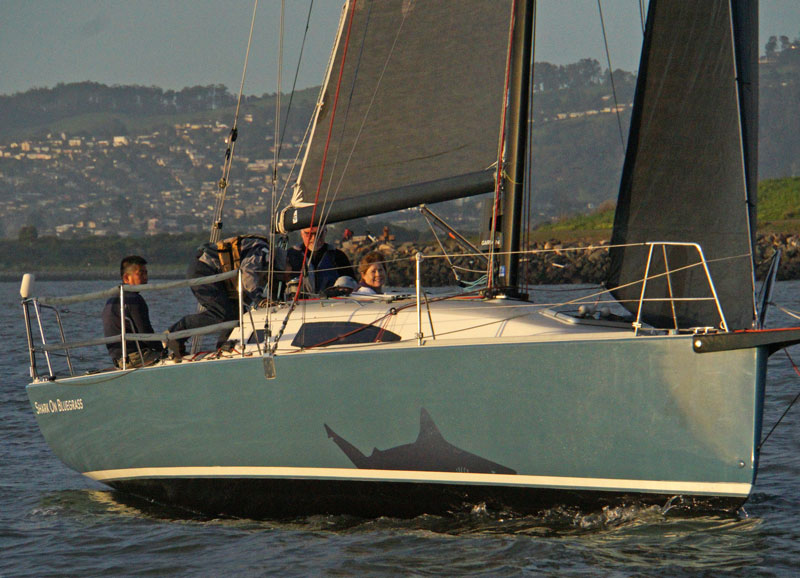
Corinthian YC writes: “Springtime not only means the weather is getting warmer and extra daylight in the evenings, but it also means Friday Night Races are back! What could be a better way to unwind from the stresses of the week than beer can racing on the Bay? The racing series starts on April 3 and runs through September 4. After the racing, join us back at CYC for dinner and drink specials, and more. We’ll also have daily trophies and first-half and second-half series winners. PHRF, non-spinnaker and one-design fleets will be set based on registrations. Registration is open.”
Marie Cunningham, Island YC’s rear commodore, notes that their Island Night races on Fridays will again participate in the Boss of the Estuary competition. IYC, Oakland YC and Encinal YC all run beer cans series on the Estuary.
Richmond YC’s usual beer can races will begin tonight and run every Wednesday through the end of September. In addition, starting on April 3, the club will host Fun Friday dinghy races every other week. “Club boats will be available, including El Toros, Lasers, Teras and more,” says RYC. “A small usage fee applies, which goes directly toward boat maintenance.”
More in Northern California
SFYC will run their PHRF all-female Anne McCormack Women’s Invitational Cup again, this year on April 4. They’re planning on two races in the Knox area.
“Oysters will be served,” at Berkeley YC’s “signature regatta” on April 11-12. Some details:
- Saturday’s racing is also #2 in the YRA’s new San Francisco Bay Series. BYC is planning two races on two courses for two perpetual trophies.
- Entrants are welcome to raft up at the BYC guest dock Friday and/or Saturday.
- On Sunday there will be a pursuit race.
- Learn more and register here.
On the same weekend, St. Francis YC will welcome Alerion 28, Express 37, Folkboat, J/24, J/88, J/105, Knarr, Star and ORC/PHRF classes for Spring Fest.
“The Rogue Rigging ACSC Spring Dinghy Regatta is happening April 11-12,” says Ryan Nelson. (ACSC stands for Alameda Community Sailing Center.) Lasers, 5O5s and Vanguard 15s are invited. Learn more and sign up here.
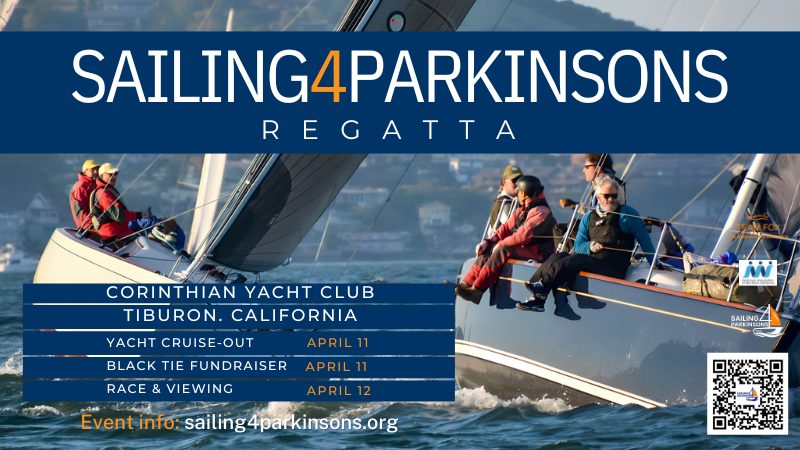
Corinthian YC will host a regatta in conjunction with Sailing4Parkinson’s on Sunday, April 12. Check out our preview of the weekend’s events in March 25’s ‘Lectronic Latitude. Then register to race here.
Moore 24 Roadmasters visit their city of origin (Santa Cruz) for a regatta on April 18-19. See https://scyc.org/regatta/hQFhAm0wzz.
Folsom Lake YC will hold their big spring regatta, the Camellia Cup, on April 25-26.
The Ocean Racing Season Opens This Month
The 47th Doublehanded Farallones Race is coming up on Saturday, April 11. The race will start early in the morning off Baker Beach, round Southeast Farallon Island in either direction, and finish off Golden Gate YC for a distance of 54 miles. “AIS transponders are required for the race, but we have alternate solutions to several equipment requirements specifically aimed at allowing smaller boats to race, such as the Moore 24 and Express 27 fleets (see the NOR for details),” says Bay Area Multihull Association commodore Truls Myklebust. “That addresses things like boats without compliant lifelines, or trailerable boats. The Moore 24 is the most-winning boat design in the history of the race, and there is often a separate Moore 24 fleet for scoring.
“Conditions vary for this race; no two years are alike, but it’s always a great adventure, and we usually have plenty of breeze for the fleet to make its way around the course. Racers have until midnight to finish, and there is a wooden spoon perseverance award for the final finisher each year. Registration and all race docs can be found here: https://www.jibeset.net/BAMA000.php?RG=T006164790. For full information on the race and its history, including race records, see https://sfbama.org/double-handed-farallones. If anybody has any questions about the race, they can reach the race committee at [email protected].”
Two weeks later, on April 25, the Yacht Racing Association will open their Offshore Series with the Lightship Race.
In Southern California
The ILCA Pacific Coast Championships sail out of Coronado YC, with a clinic on April 16 and races on the 17th-19th.
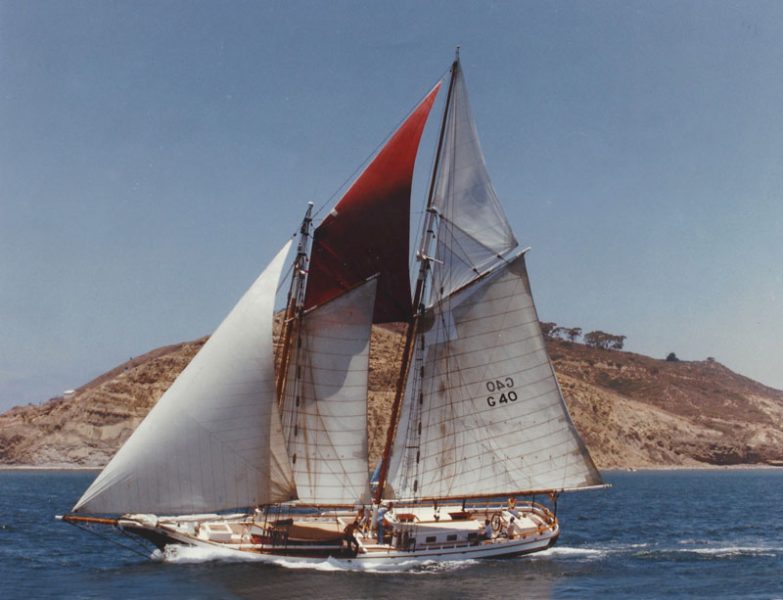
The America’s Schooner Cup will sail out of San Diego Bay on April 17. Check out our preview of that photo-worthy event in a March 6 ‘Lectronic Latitude post.
NOSA’s Newport to Ensenada International Yacht Race has a green light to start on April 24. See www.nosa.org.
The Etchells Orca Bowl, the final event in the Etchells West Coast Spring Series, will also serve as a Pre-Worlds regatta in San Diego on April 25-26. (SDYC will host the Worlds in May.)
Don’t Be Fooled — There’s More…
As usual, we don’t have room on the space-time continuum to preview all the worthy regattas and series in our region. You’ll find gobs more maritime events in our Calendar, starting on page 12 in the April issue of Latitude 38 and on our Calendar web page, including Northern California beer cans. As ever, you are welcome — nay, encouraged — to call out your favorites in the Comments section below. Also check out the annual Sailing Calendar for long-range planning and colorful ads from event organizers.
Join the Sailing4Parkinsons Regatta at CYC