

Banderas Bay Regatta Early-Bird Sign-Up Ends February 15
You may think Mexico is all about cruising, but you’d be wrong. Racing to or in Mexico can be some of the most fun and competitive sailing you’ll find anywhere. And it’s warm. March is a busy month for racing on Banderas Bay, starting off with the WesMex International Small Boat Regatta March 4–9, followed by the grand prix MEXORC regatta March 7 to 11, which is then followed by the Banderas Bay Regatta. There’s more than enough racing for everyone.
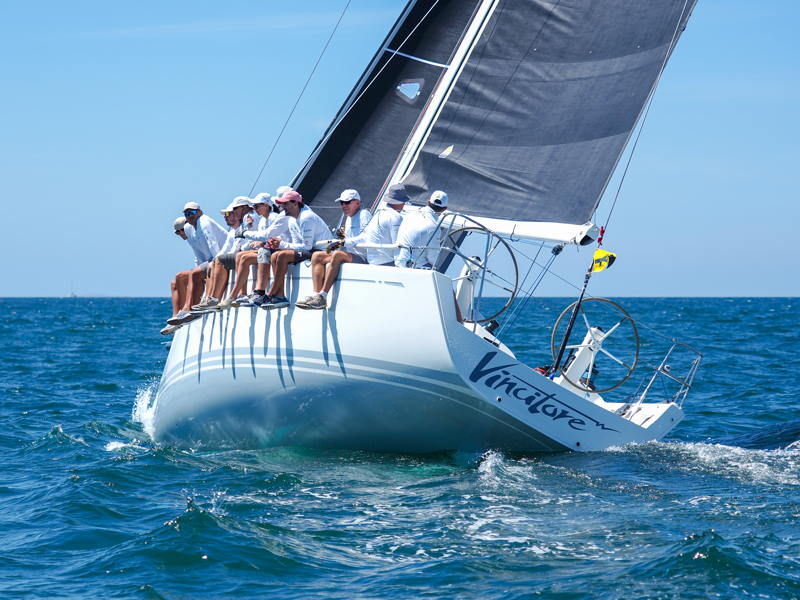
The Banderas Bay Regatta, put on by the Vallarta Yacht Club, includes competitive racing, though many cruisers will lighten ship and get out to challenge other Mexico cruisers. How do we know? Assistant Baja Ha-Ha Poobah Patsy “La Reina del Mar” Verhoeven is signed up to race her Gulfstar 50 Talion.
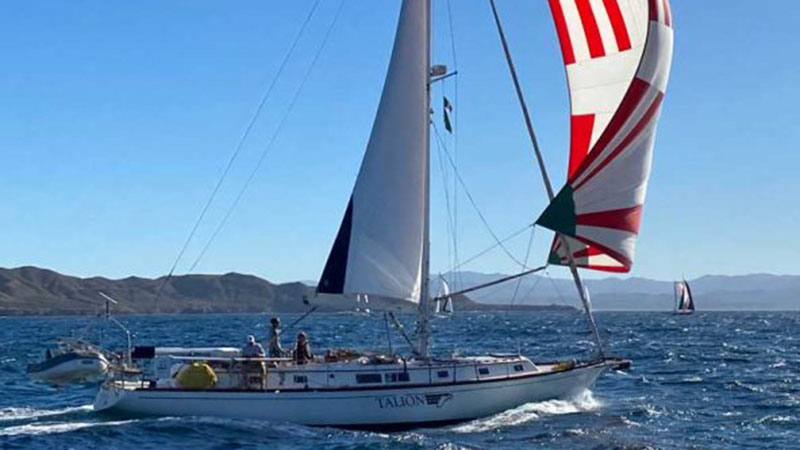
The regatta runs March 17–21, with lots of casual to competitive racing plus a full schedule of social events. You must sign up by February 15 to get the early-bird discount.
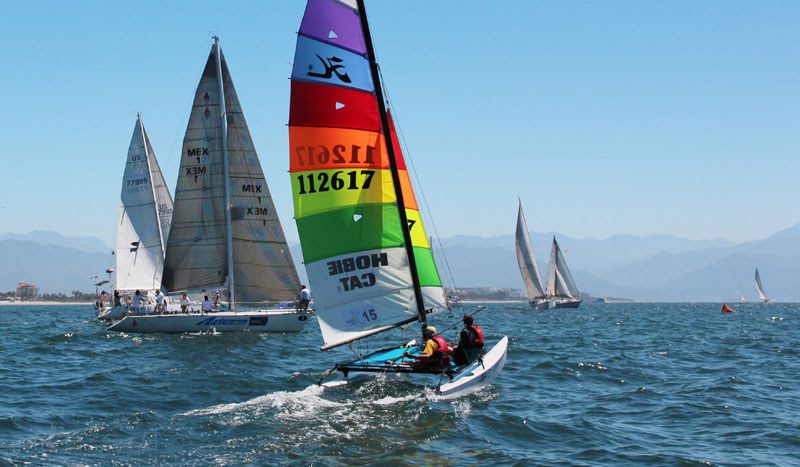
Banderas Bay features steady, warm breezes, well-practiced race committee work, and often whales, which surface to keep an eye on the fleet. If you’re heading south with the Puerto Vallarta Race or are already down there, the month of March will give you plenty of opportunity to race on one of the most magical sailing venues anywhere.
Tule Reeds and Boating — Exploring California’s Indigenous Roots
Chaan-hee Mata-Lee is a member of the yak titʸu titʸu yak tiłhini Northern Chumash tribe, a California Indian tribe on the Central Coast. As a student at Archbishop Riordan High School and someone who was born and grew up in San Francisco, Chaan-hee has never been far from the ocean. She learned to swim through the Wahine Project in Monterey, created by strong women dedicated to keeping the beach clean and to raising awareness about our coast’s waters. Her younger brother is a Makani Sea Scout. Recently Chaan-hee had the opportunity to participate in Tule Boat Day and connect with some of her ancestral lessons and traditions.
The rush of the water beneath the boat felt surreal, the wind blowing hard against the faces of those who sat and stood on the deck at 8:40 a.m. on the last day of January. As the island came into clearer view, the red paint against the beige and pale building stood out distinctly, symbols of Alcatraz’s Indigenous history. Today, we were coming to the island to once again use the space to spread awareness surrounding California’s original peoples during the Tule Boat Day event hosted by the National Park Service on Alcatraz Island.
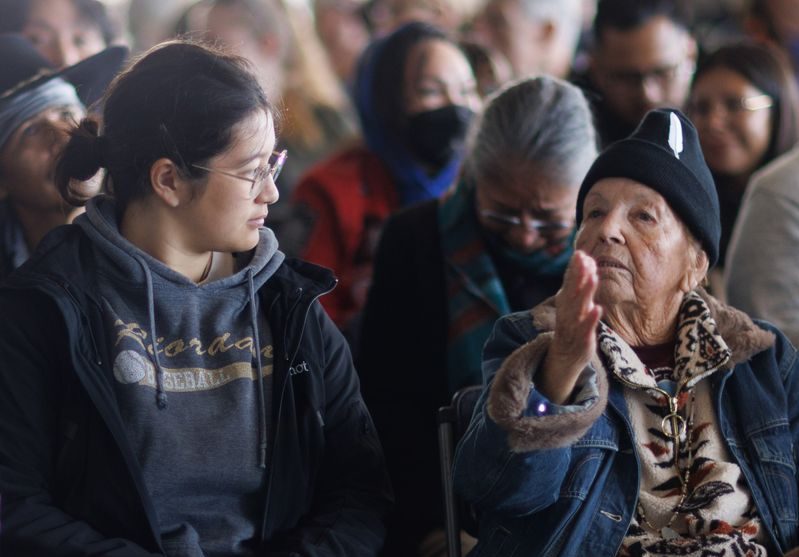
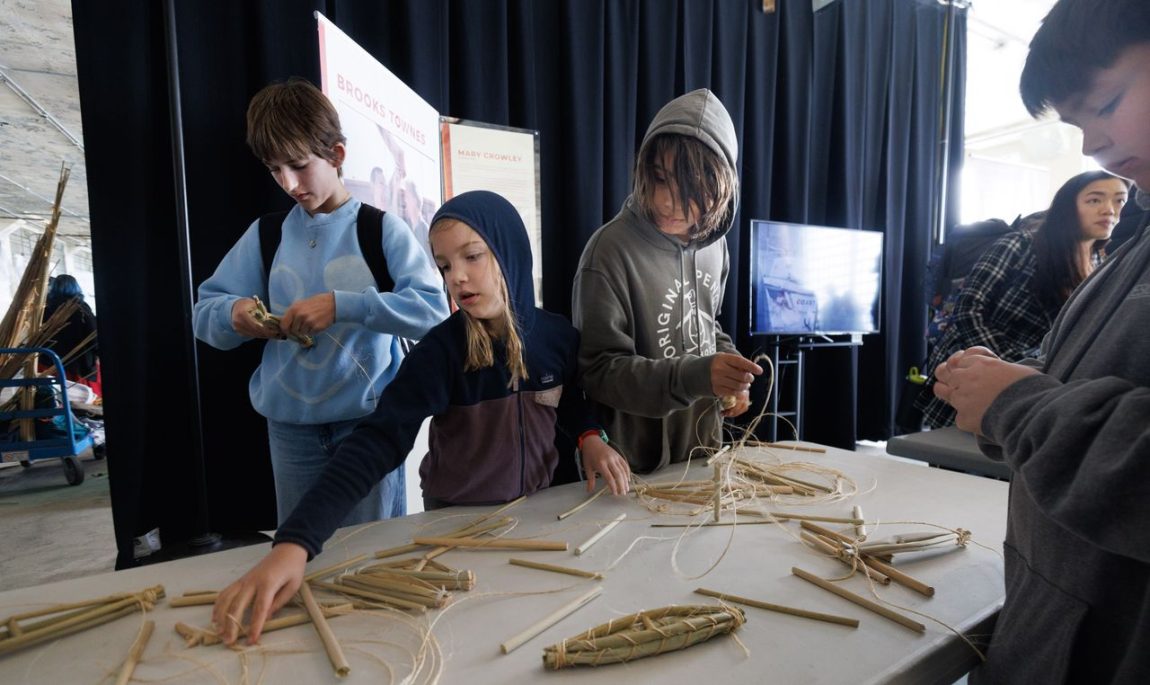
Tribes like the Ramaytush Ohlone, the original peoples of San Francisco, use these powerful reeds to create homes, baskets, nets, and fishing boats, just like the one that was brought onto Alcatraz as a part of the “Red Power on Alcatraz” exhibit. I learned from Mike Bonillas, one of the people who contributed to collecting tule and building the boat that is exhibited on Alcatraz, that tule reeds come in two shapes: triangular and round. Tule reeds are tall and strong, standing around 8 feet tall at their peak. These beautiful plants provide shelter and food, and are a key species in freshwater habitats such as Clear Lake, the oldest lake in California. More recently, the lake has fallen victim to pollution, and many tule have died. Without the precious reeds, fish and animals that need shelter and food suffer and the entire ecosystem is damaged. Tule is sacred not only to Indigenous tribes, but also to the creatures that have always depended on the plant.
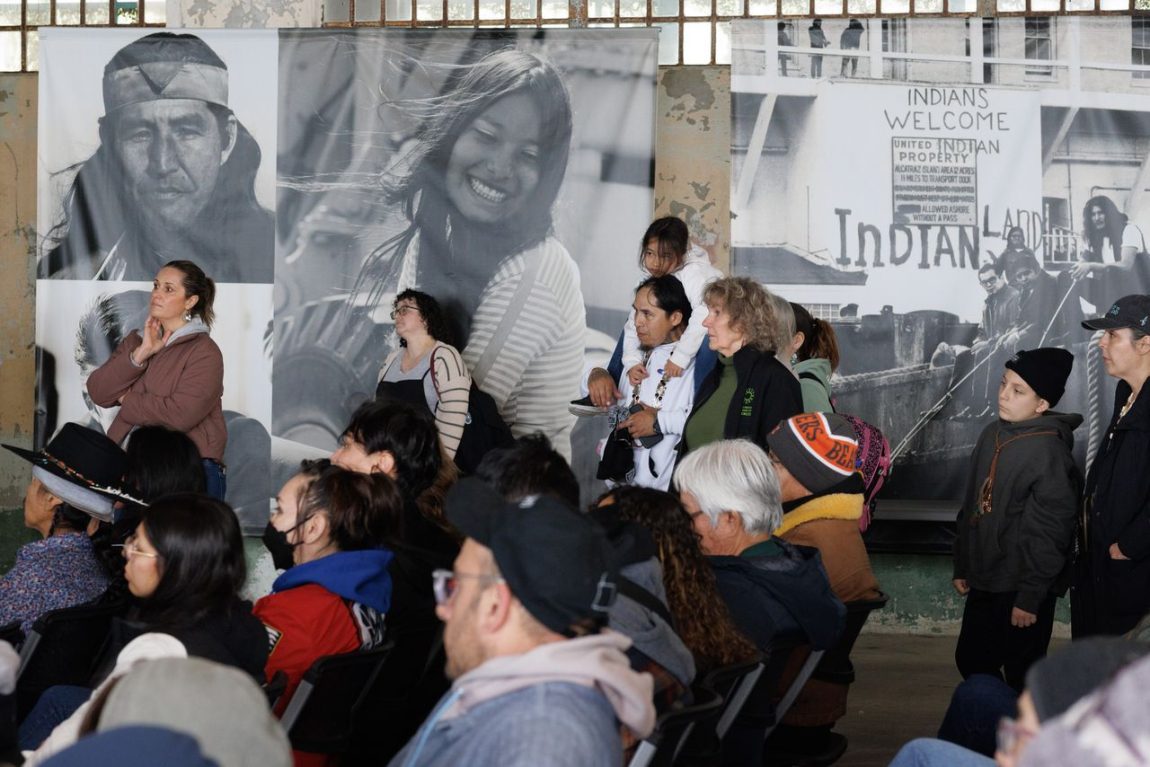
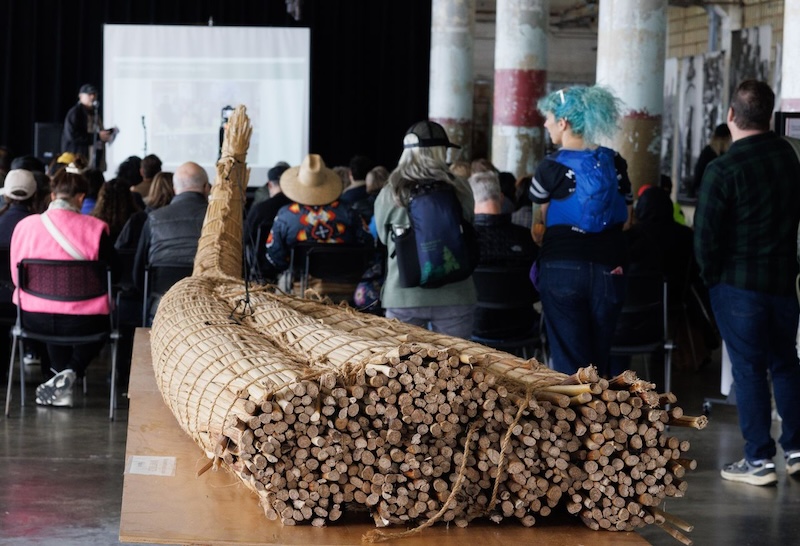
Both species of tule have hollow interiors; however the round variety is more favorable for using when it comes to constructing boats and homes. I was also told that in order to harvest the tall reeds, they are cut near the base instead of pulled up so they can continue to grow even after the majority of the plant is gone. Then the reeds are separated by length and assessed for whether the plant has been damaged or eaten by parasites. The tule is strung up into sorted bundles, transported, and then dried. Only dried tule is suitable to be worked with as it is less likely to snap or break and is sturdier. It was difficult not to feel privileged to learn so much in so little time, and to hear from first-person accounts about where to find the strongest tule reeds and the kind of respect you need to use when collecting it. That respect includes not gathering and collecting resources from areas of other Indigenous people without their consent, and making offerings to the land and peoples. I’m thankful that we continue to recognize and respect the unique stories and lives of California Indian people in San Francisco, and that events such as this can bring us together to share knowledge and build our future together.
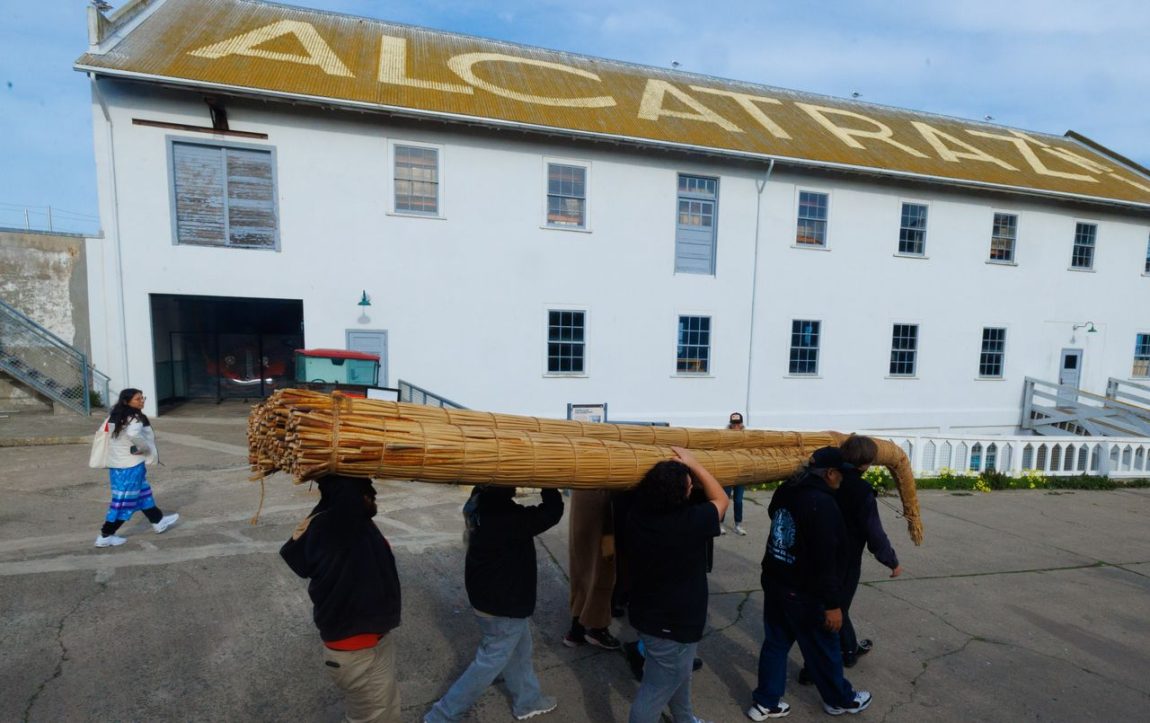
We’ve written about reed boats over the years, most recently in the February issue of Latitude 38 in which we share the story of Expedition Amana — a project aiming to cross the Pacific on a reed boat built in acknowledgment of and in accordance with the traditions of the Bay Area’s Indigenous communities. You can read that story here.
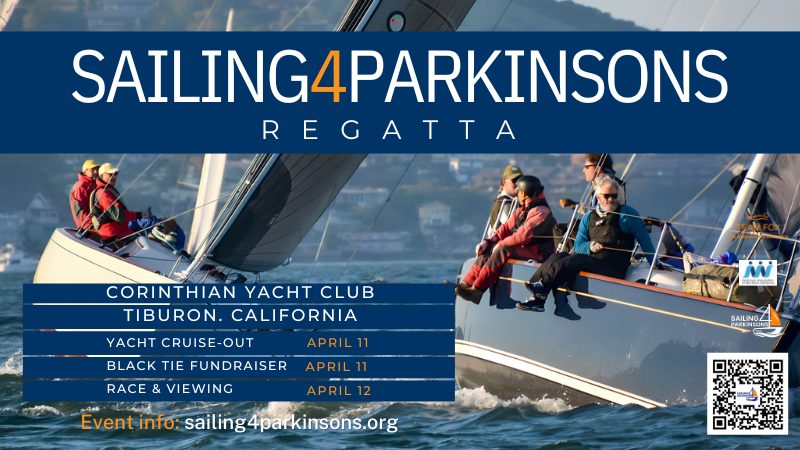
Join the Sail4Parkinsons Regatta at CYC
2025 Season Champs Features Extra Part II: SSS Doublehanded Multihull
With the February 2026 edition of Latitude 38 out now, the “Season Champions” feature is officially wrapped up. We received so many submissions from the winners of different fleets this year that we didn’t have room for all of them in the print magazine, so over the next few weeks we will be posting in ‘Lectronic Latitude the submissions that we couldn’t fit into the magazine. Today we are focusing on Drew Scott, who won the SSS Doublehanded Multihull division aboard the Corsair F-27 Papillon.
All our races this year were done as a family team, either between me and my father or my father and my younger brother. We’d flipped Papillon over the summer doing the Delta Ditch Run, and I was unsure about returning to racing after that setback. However, I think we learned valuable lessons in communication and sail handling that day. Because of this, we approached racing this season with hopes at redemption. I think it’s fair to say we achieved that goal.
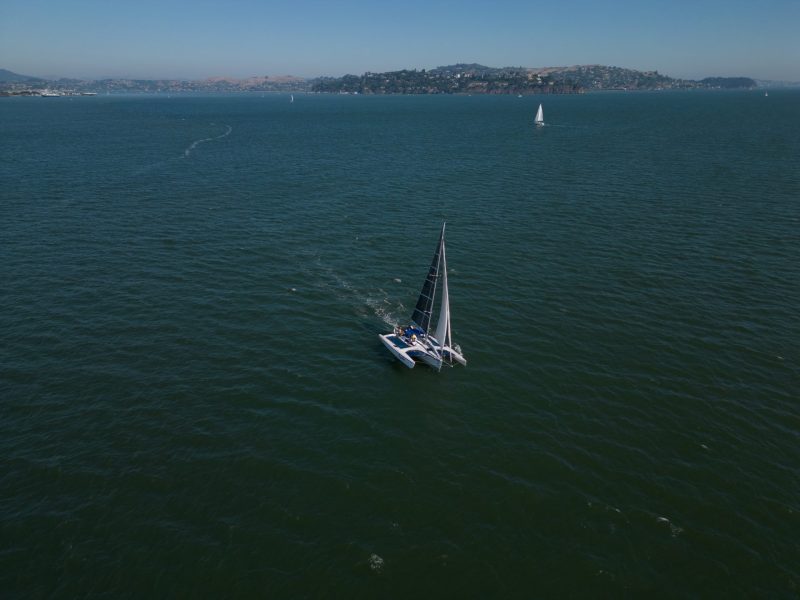
The Corinthian was our best race this year. The light wind and relatively good starts by all in the fleet made it a slow, tactical race heading over to the Cityfront. As the day progressed, the wind turned into a steadier breeze, but light pockets lingered. Spotting wind behind Angel Island, my father and I decided to turn and run around the back side over to the finish. We hoped that the speed the wind would give us would beat out the more direct shot of Raccoon Strait. The gamble paid off, and the 2025 Corinthian became our one win of the season.
Concluding 2025, I’m so proud of my little brother, who seems to be discovering a new passion. He’s shown some great maturity and decision making on the water this year, all at the age of 13. I’m grateful that I’ve had some great father-son bonding time out on the water with my dad. I’ve had so much fun this year in friendly competition with the other boats and skippers in the fleet, and I appreciate the truly special support and camaraderie within the multihull fleet.
You can read the final print edition of the “Season Champions” feature in the February issue of Latitude 38, and you can find the first two parts of the 2025 “Season Champions” feature in the December and January issues.
Got a Date? We Want To Share It With Our Community
Does your club, class or organization have an event coming up in March? Make sure you have the date in the March calendar by emailing the “who, what, when, where” and contact information to [email protected]. Beyond racing, there’s always lots happening on and off the waterfront for sailors.
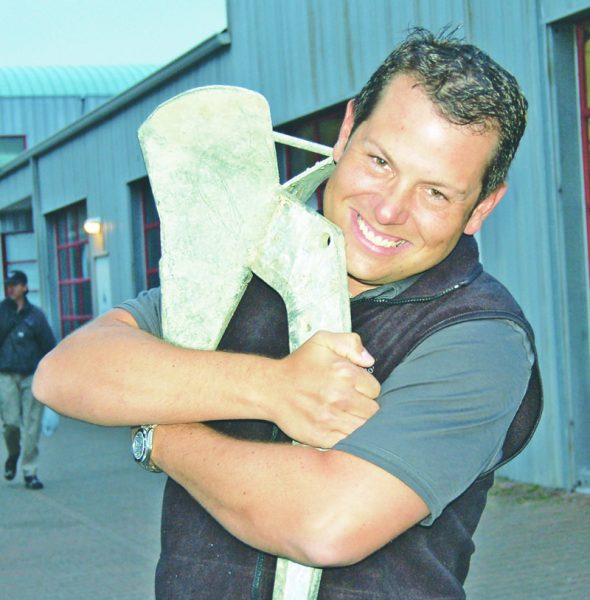
The South Bay Yacht Club in Alviso is promoting a BIG clearout. They emailed the calendar item, saying, “We have lots of nautical gear, including some older Sunfish, big boat hardware, sails, etc. We plan to have a giant nautical yard sail [sic] on Saturday, March 28, 10–6, and all proceeds will go to our Sea Scout Ship. (In the UK, I would call this a ‘Boat Jumble’; what’s the best term in the US?)” We’d say “Nautical Flea Market.” They also added it to our Free Classifieds for items under $1,000.
You’ll also find, for the racing-curious, the Intro to Racing webinars put on by the YRA, starting in early March. Racing is one of the best ways to tune up your sailing skills, though getting enrolled and learning the ropes can appear daunting. If you attend this seminar, you’ll learn how to connect with racing and find yourself doing more sailing all season long. Also for the racing-curious is the Latitude 38 Crew List Party on March 5, at the Golden Gate Yacht Club.
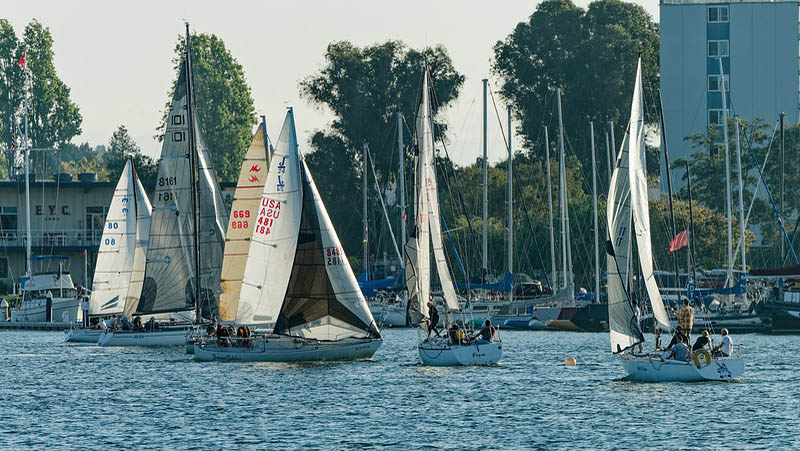
This coming weekend, February 14–16, Shoreline Lake is casting off for three days of family fun with a range of watercraft available for rent including sailboats, rowboats, kayaks, pedal boats and SUP boards, plus bicycles, scooters and more. Classes and skippered sailboat rides have also begun. Sailing classes range from Introductory to Advanced, and Racing, so anyone wanting to try out sailing can book a lesson or a ride.
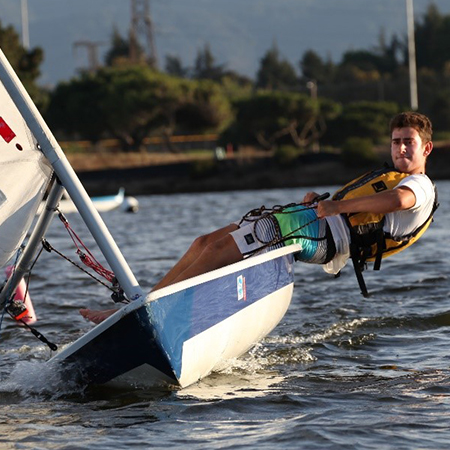
It’s also important to know that today is February 9, and the deadline to get items into our March calendar is February 10. What does your club, class or organization have going on in March? Send the who, what, when, where and contact information to [email protected]. Do you have any dates planned for March?
San Francisco on the Bay: “The List”

Dine, Drink, Smoke, Stay, Play and Shop. Discover San Francisco Bay and all that inspires those of us who live or visit here.