

Coyote Point YC Rings in 2026 With Brrrr Rabbit Race
Coyote Point Yacht Club’s 2026 Saturday Regatta Series opened in true winter style with the Brrrr Rabbit Race — a day that promised much, kept sailors guessing, and delivered the kind of quiet drama that lingers long after the dock lines are tied. Four boats, Surprise!, Svea, Paradigm, and Sweet Grapes, answered the call, with Paradigm taking on rabbit duties and setting the fleet loose into a Bay that looked far more mischievous than it first appeared.
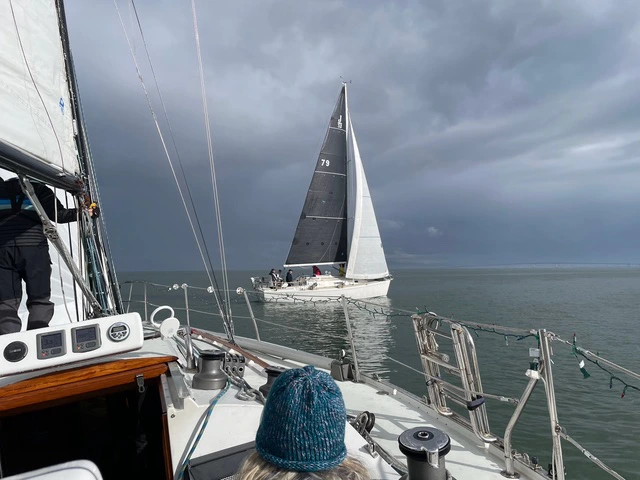
The forecast had been classic winter Bay conditions: a wide spread, hints of gusts, and plenty of reasons to keep an eye on the water and the sky. On race day, the wind ultimately stayed light and variable, but the ebb was anything but subtle. A strong outgoing current shaped the race from start to finish, quietly rewarding those who read it well and exacting a toll from those who did not. It was a day when progress came from patience, angles, and trust in the invisible river beneath the boats.
The opening legs unfolded in spare air, the fleet sliding rather than charging, searching for pressure and relief from the ebb. Near the marks, the breeze teased — just enough to reshuffle positions and keep boats within striking distance. Sweet Grapes and Paradigm traded the lead through the middle of the course, never far apart, while Svea and Surprise! stayed in the hunt, working steadily and refusing to let the front pair sail away.
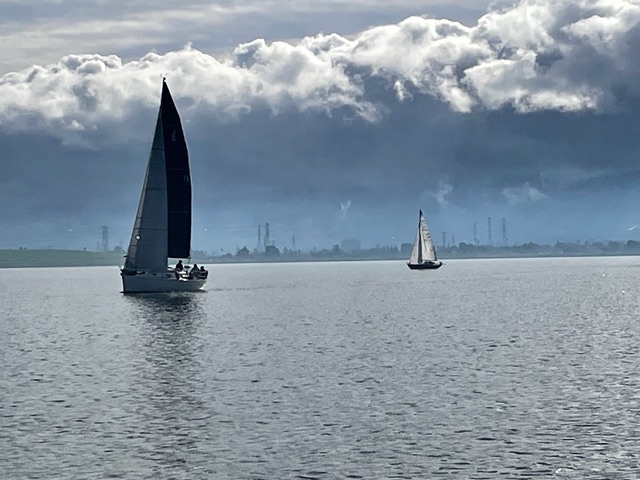
Between maneuvers, the Bay offered its own quiet spectacle. To the east, rainbows lingered in the distance, improbably persistent, while to the west the coastal range wore a gray curtain of rain. It was one of those days when winter sailing showed its softer side: cold, yes, but generous with beauty if you took the time to look up.
As the race stretched on, the breeze finally steadied enough to allow proper sailing, and the fleet committed to running the full course despite the low tide ahead. In the end, Paradigm emerged first across the line, having navigated the ebb and the shifts with care. Sweet Grapes ended her race abruptly after grounding near the channel entrance, a hard reminder that winter racing always keeps a final card in reserve. Svea and Surprise! pressed on, finishing with the quiet satisfaction that comes from seeing a long, tricky course through to the end. On adjusted time, the order of finish was Paradigm, Svea, and Surprise!
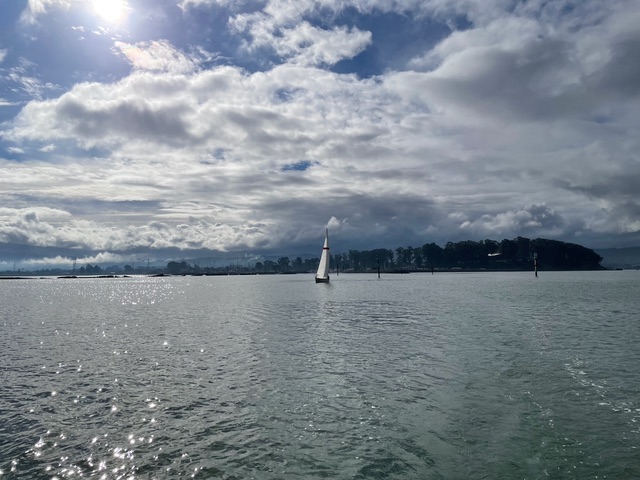
If this opener is any indication, the 2026 Saturday Regatta Series will reward attentiveness, nerve, and a love for the Bay in all its moods. Winter racing is not about spectacle — it’s about presence. And those who showed up for the Brrrr Rabbit Race know exactly why you don’t want to miss what comes next.
Don Jesberg’s ‘VIVA’ Prepares for 2026 Pacific Cup
2026 is officially a Pacific Cup year, with boats set to depart the friendly confines of San Francisco Bay for Kaneohe, HI, in early July. Many boats have already signed up, and in preparation for the race, Latitude 38 will be profiling boats and crews in the months leading up to the start sequence.
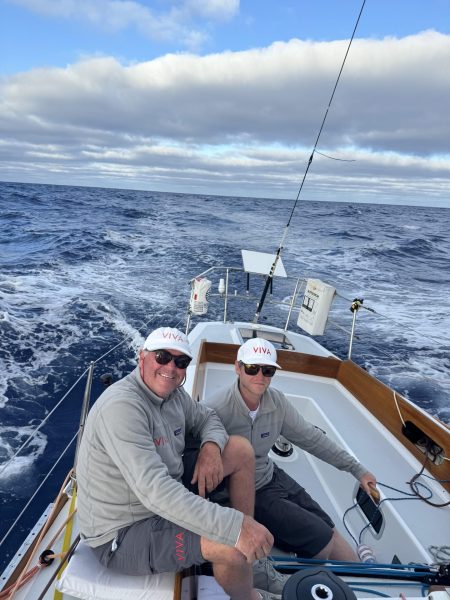
The first boat that we will be profiling is a vessel under the command of one of San Francisco Bay’s great racers, who is no stranger to sailing to Hawaii. Don Jesberg of San Francisco Yacht Club (SFYC) will be making his 10th crossing to Hawaii on board his Cal 40 VIVA.
“We got the boat in 2017 and completely rebuilt it with the goal of sailing it in the 2019 Transpac, which we did,” Jesberg tells Latitude of his team’s ride. “We found a boat in Seattle that hadn’t been screwed up too badly, and spent 18 months basically rebuilding it completely. We tore out all of the electronics, all of the electrical, every winch, and rebuilt it as if it were a new boat. It was a fun project. It’s a very pretty boat to own. I grew up around them. My dad had a Cal 33, which was designed to be the Cal 40 beater. They were very close in performance. It’s a fun boat to have that performs really well in the ocean because it’s got a long keel and a hull that looks like a surfboard. It’s perfect for the Transpac or the Pacific Cup.”
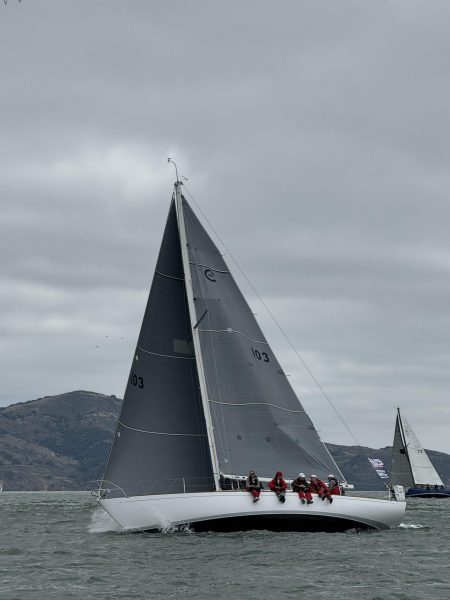
“I’ve got a son who lives in Colorado, and he said he’d come out and sail to Hawaii with us, so that was enough of an inspiration for us to put it together and say, ‘Let’s do it again,'” Jesberg tells us. “Last time we sailed to Hawaii, Sean Mulvihill joined us, and originally his son Jeff was supposed to join us also but he had a work commitment right in the middle of the Pac Cup so he couldn’t go, but this time he’s available! It’s a dual father-and-son boat, plus John Bonds. It’ll be a fun, nice sail to Hawaii, and hopefully we’ll do it in 11 to 12 days. It’ll be the 10th time that I’ve sailed to Hawaii. This will be the second time with my son.”
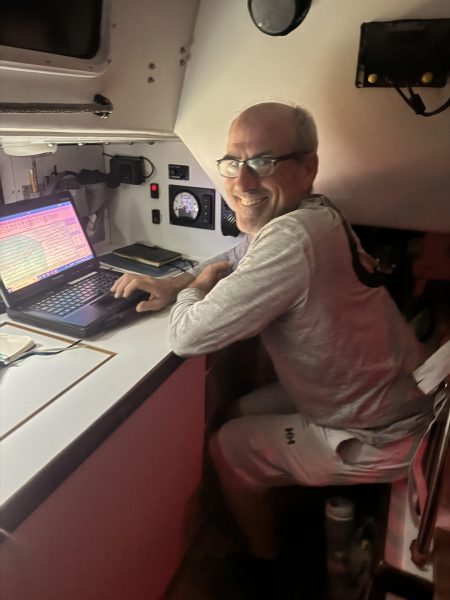
There’s no question that VIVA will have a good amount of ocean racing experience. When asked about some of his favorite memories of sailing to Hawaii, Jesberg highlighted both memories of sailing with family and friends, and dominant past wins in one-design ocean racing.
“Doing it with my dad was special,” he tells us. “I sailed to Hawaii with my dad twice. My dad did the first Pac Cup in his Cal 33 with my brother and a bunch of friends. Will and Trevor Baylis were on the boat as well. At a young age they all had a lot of fun. I did it three or four times in the Santa Cruz 70s; when we had a big fleet of SC70s, that was really fun. That was the mid-’80s to ’90s. Being able to do it in the centennial in 2004 was fun; we literally finished 11.5 hours ahead of the second Cal 40.”
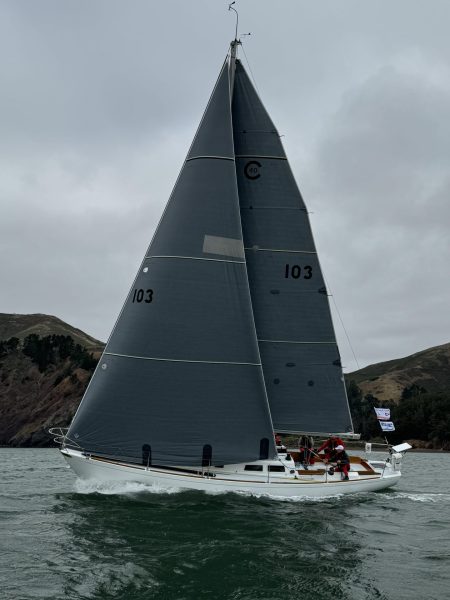
The Cal 40 isn’t the only one of Jesberg’s boats bearing the name “VIVA.” He also races a Knarr and an Etchells that bear the same name.
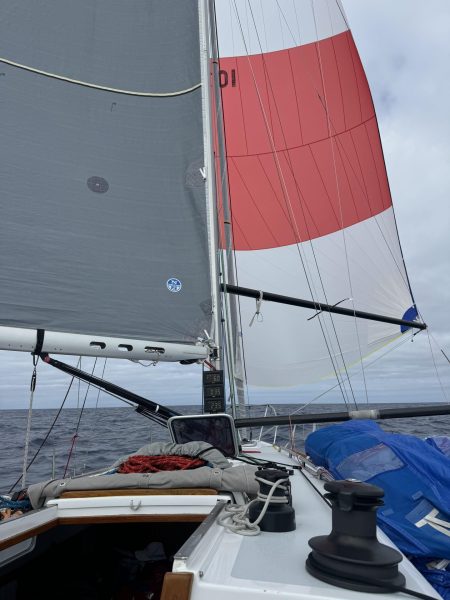
“My mother’s name was Violet,” Jesberg tells us of the inspiration for the name of his boats. “We always tried to include’Vi’ in the names of boats, because that’s what we called her. We had Etchells called Ultra Violet and Vicarious and eventually I went, ‘Hold on,’ and came up with ‘VIVA,’ with the VI for my mom, and VIVA means to live well, so it comes from my mom.”
Quality Yachts With Premium Service From Swiftsure Yachts
Swiftsure Yachts offers exceptional service, quality brokerage boats and new yachts for world cruising. Visit our website swiftsureyachts.com.
“Oh, the Places You’ll Go” — Picking Up Your Print Copy of Latitude 38
Just like printed Dr. Seuss books, printed Latitude 38 magazines will never go out of style. Dr. Seuss set a great course in his book Oh, the Places You’ll Go: “You have brains in your head. You have feet in your shoes. You can steer yourself any direction you choose. You’re on your own. And you know what you know. And YOU are the one who’ll decide where to go.…” We know that sailors interpret this quote very well, and most of the time we’re actioning it on the water. But once each month, we take to shore and put our feet in our shoes and steer ourselves toward the new Latitude 38 sailing magazine. And as we sail our way into 2026 and plan our second print magazine issue of the year (February issue will be out on January 30) we’re also thinking about all the locations around the Bay sailors can steer themselves and pick up a copy.
Latitude 38 delivery driver Bob Bodnar looks after the Peninsula route and sent in some photos of the folks he met on his run last week.
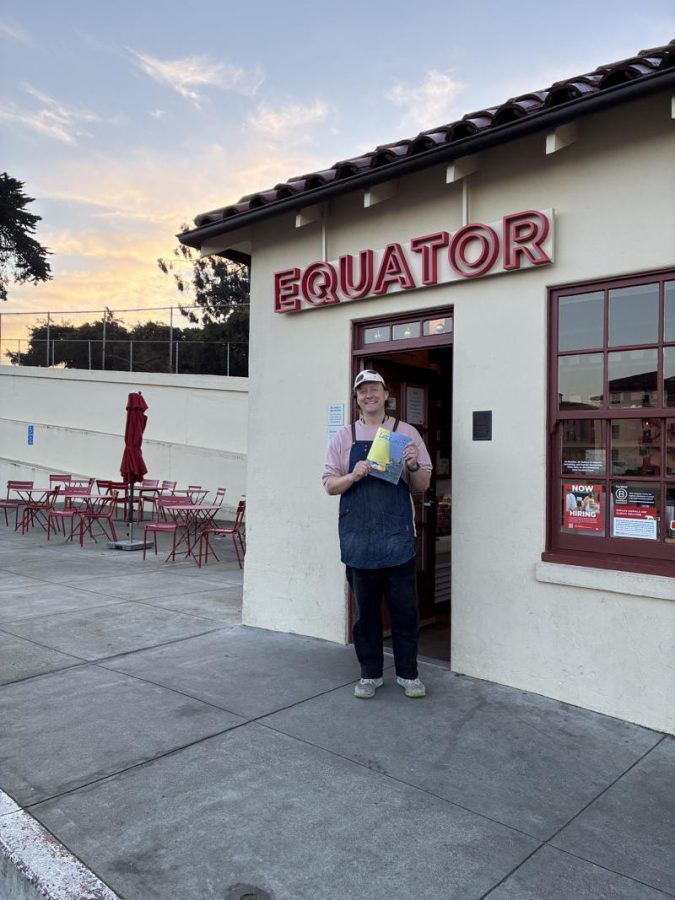
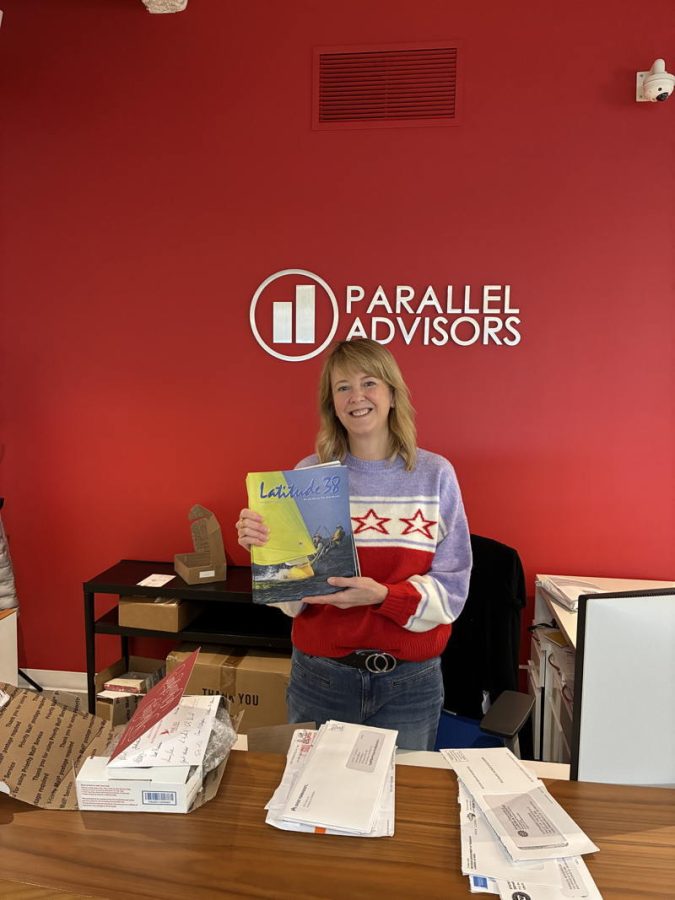
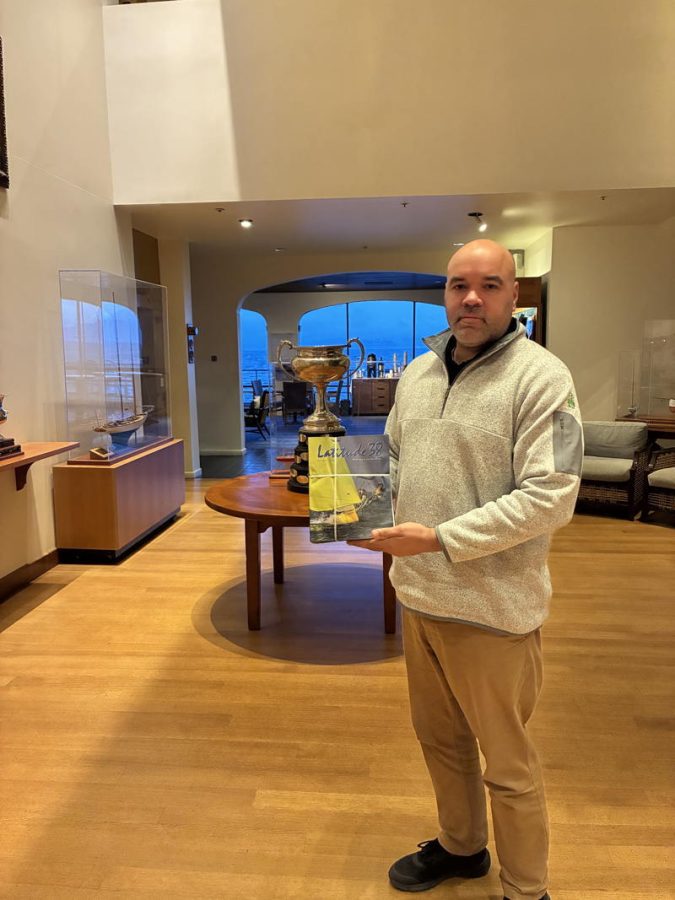
If you don’t have your January issue yet, here’s the map of all the distribution points. There’s likely to be one near you.
Of course, to ensure you have a copy each month, the safest thing you can do is subscribe to have it mailed to you. You can set that up here: Subscribe me now!
Max Ebb — A Little Book Goes a Long Way
I have been putting “stabilized binoculars” at the top of my online wish list for years. This list is readable by anyone, and I know that my close friends and family all consult these lists to better inform their holiday shopping. And yet, year after year, the binoculars of my dreams never seem to appear under the tree.
So I finally had to buy them myself. I chose an $840 German model, the Sig Sauer 16×42. It seemed like a good balance of price, quality, and water resistance. And I’ve never looked back: They are great for those of us with failing eyesight in a “spray rich” environment. Now I’m the first to spot the mark, not the last.
Ever since then I’ve had a new gift in the top position on my wish list: Bernot on Breezes, an unassuming little book on coastal wind patterns. First published in French more than 30 years ago, this book is highly recommended by some of the world’s best navigators, but even used and a little worn, it has been listed at a higher price than my new binoculars.
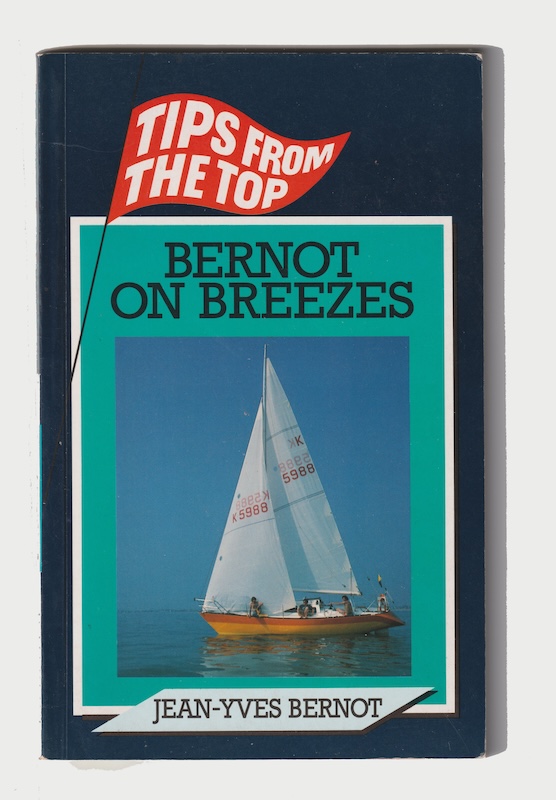
Until this year. There are suddenly a few copies available at the $150 price point. Still outrageous for an old 111-page small-format paperback, but someone who knew I needed this book had snatched one up and there it was, under the tree with my name on it.
Lee Helm, still a starving grad student, could not have spent that much money on a sailing acquaintance. It’s a dense book, information-wise, and I wanted her take on it. I knew I could find her at the University Sailing Club, even on Christmas afternoon.
“Cool!” she exclaimed when I showed her the coveted book. “It’s as good as they say it is for understanding the interactions of wind and land.”
“You’ve read it?” I asked.
“Someone that I know did something, like, sort of illegal, and I have a printout of a scan.”
“Great!” I said. “Maybe you can explain some of it to me.”
“No prob,” she agreed, and led me to the blackboard inside the damp little shack that serves as a clubhouse for college dinghy sailors, windsurfers and foilers.
“Bernot starts with the synoptic map,” she said. “High- and low-pressure systems. Air tries to flow from high pressure to low. But like, air does not have free will and does not really ‘try’ to do anything. I’ll ask you to accept that air will move from high pressure to low pressure in the absence of other forces.”
“No need to be that rigorous, Lee. Or did you end up in a philosophy class by mistake?”
Sailagram: A Snapshot of December Sailing
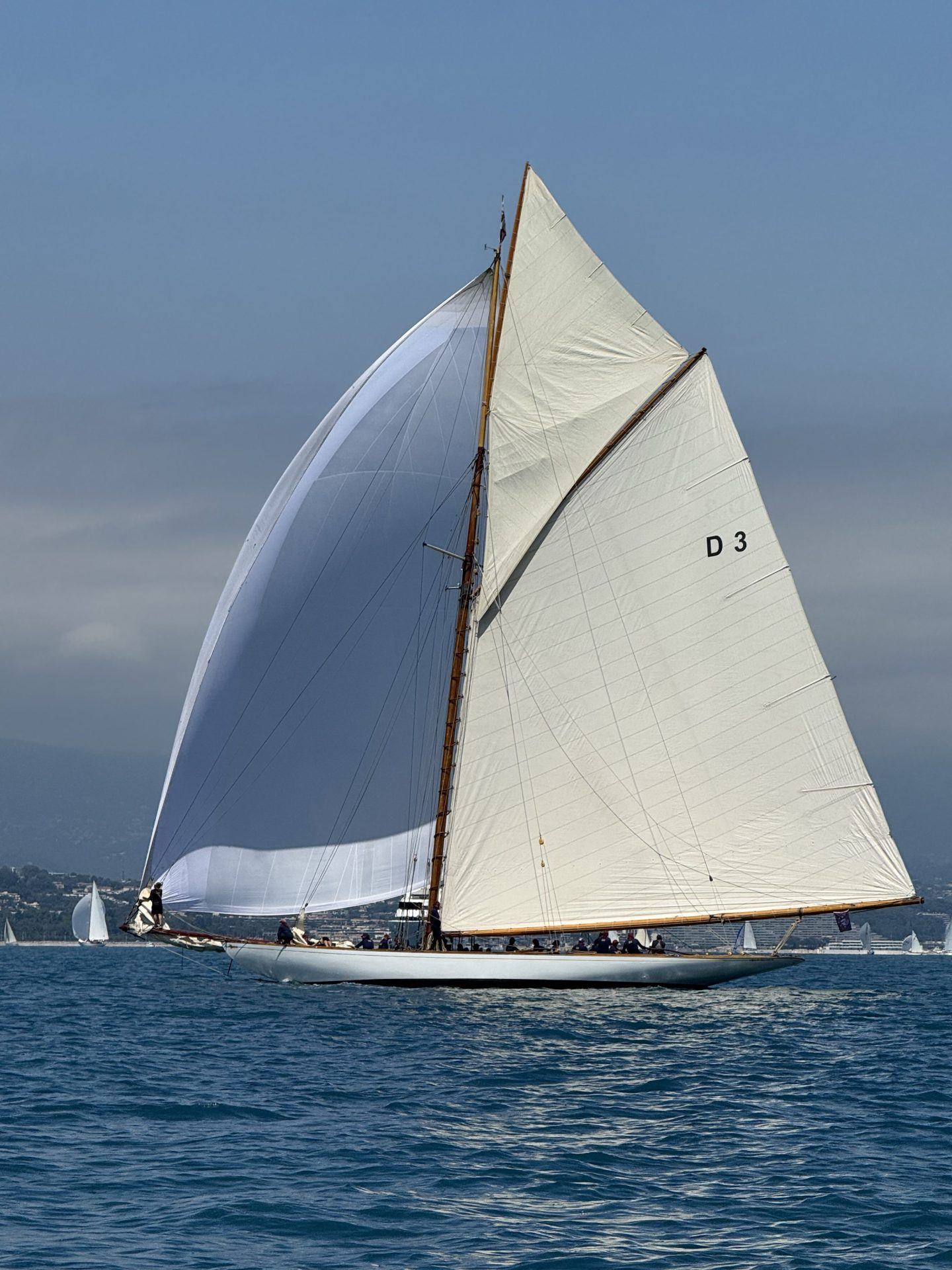
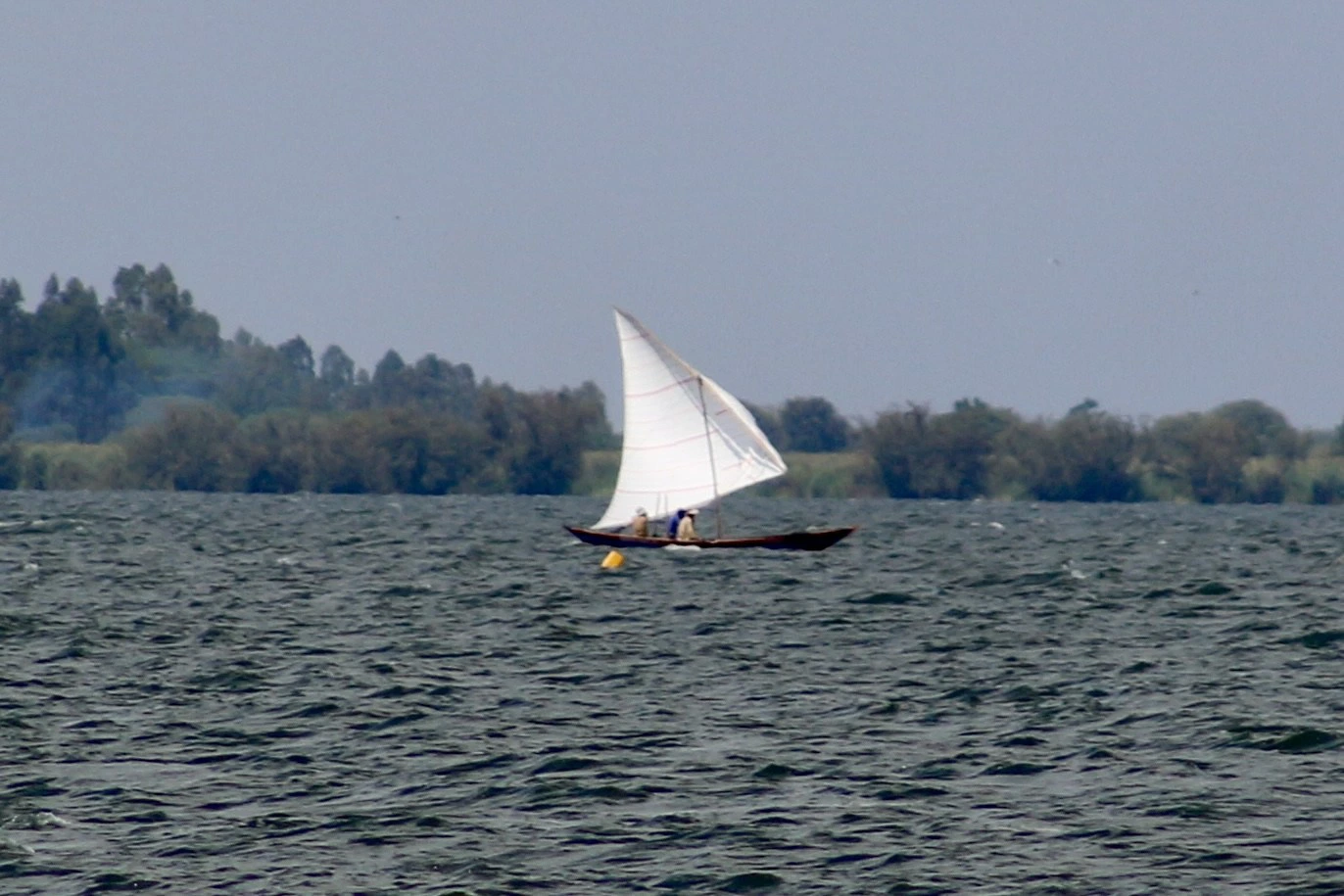
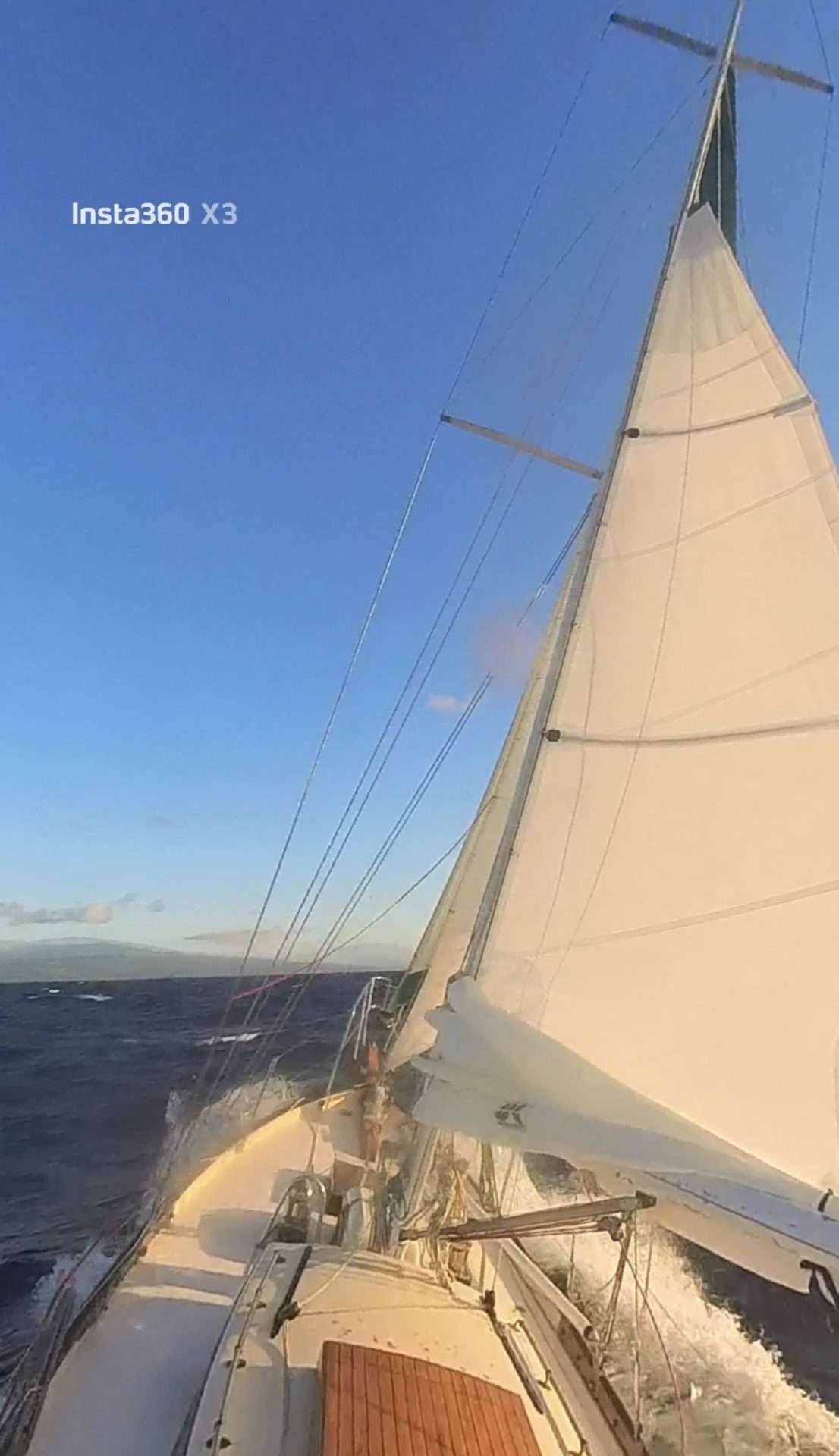
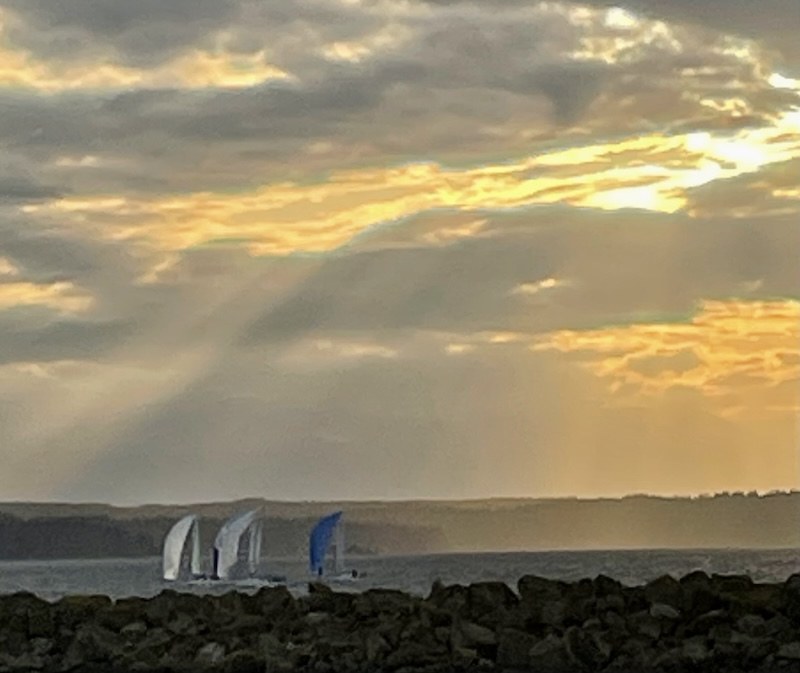
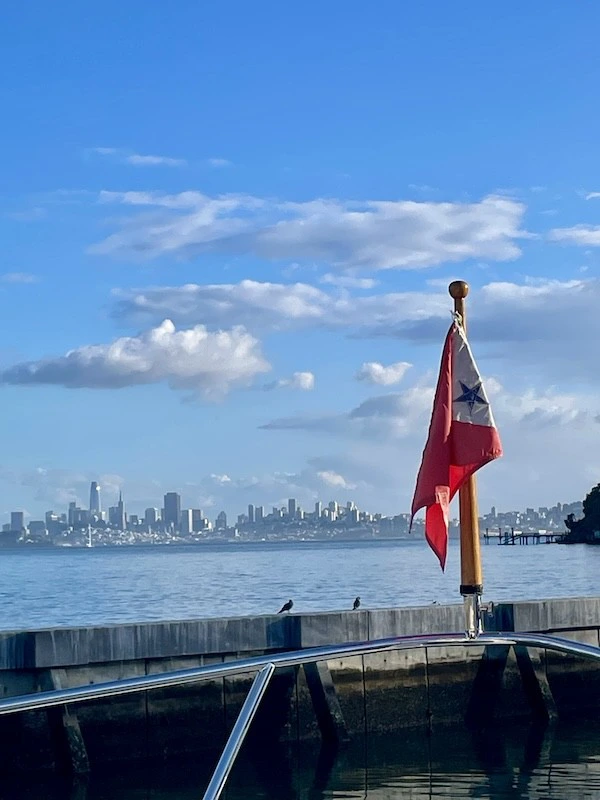
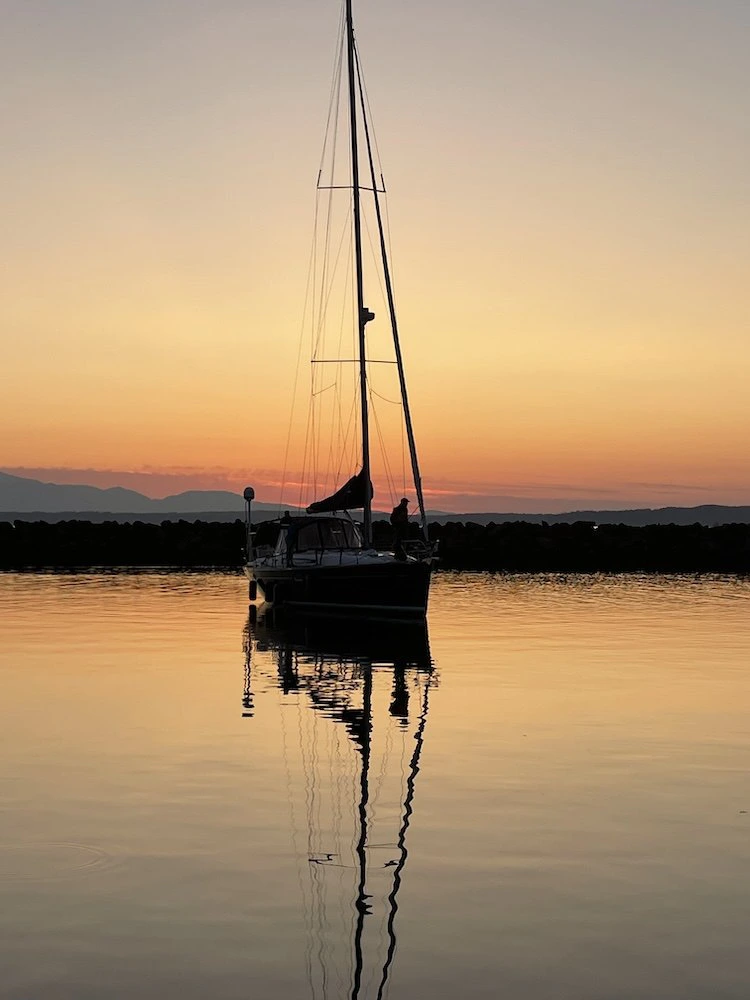
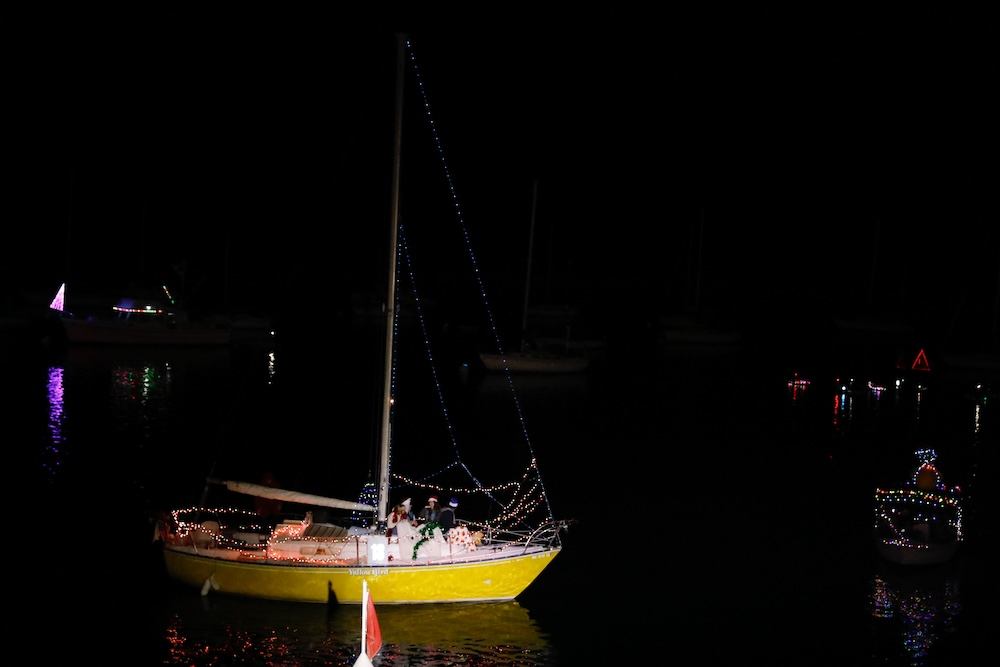
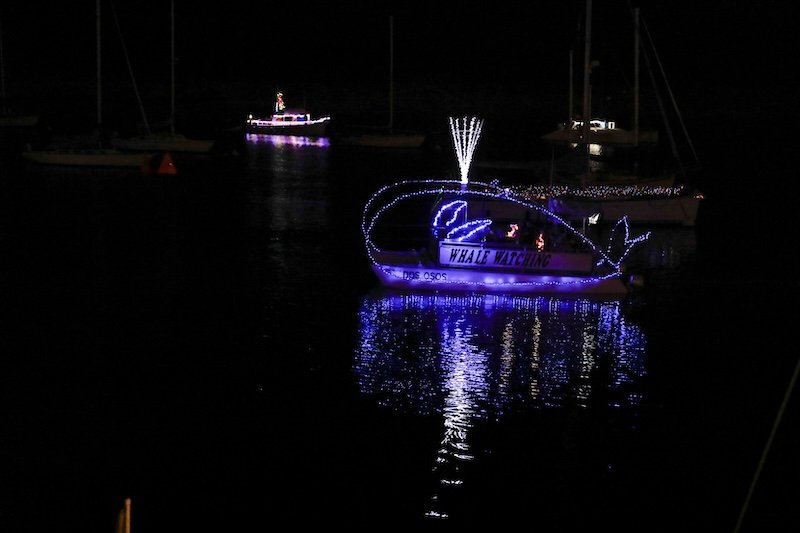
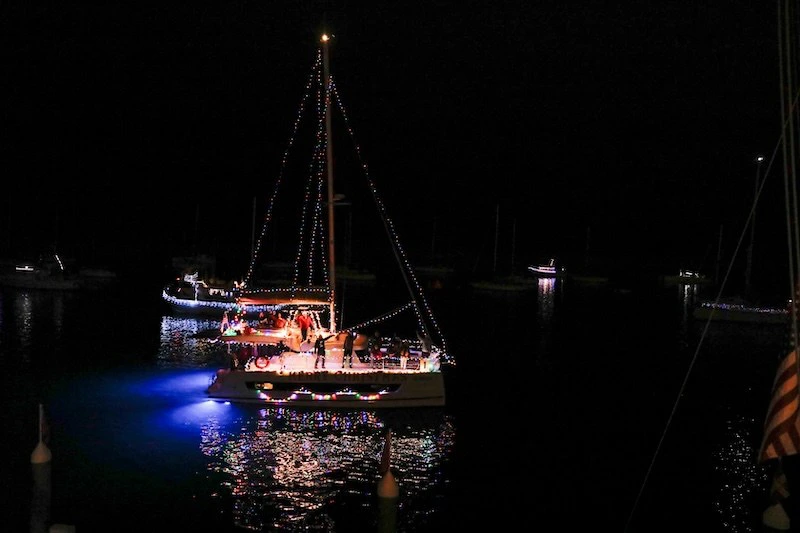
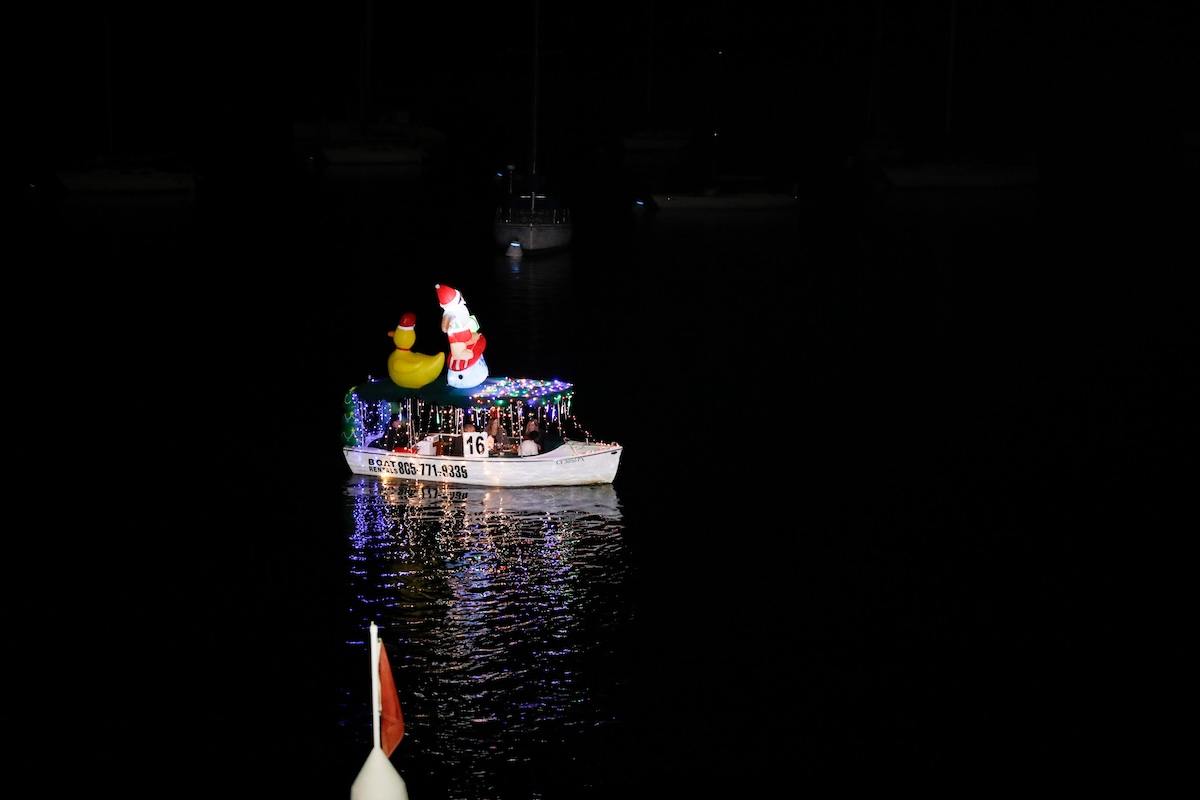
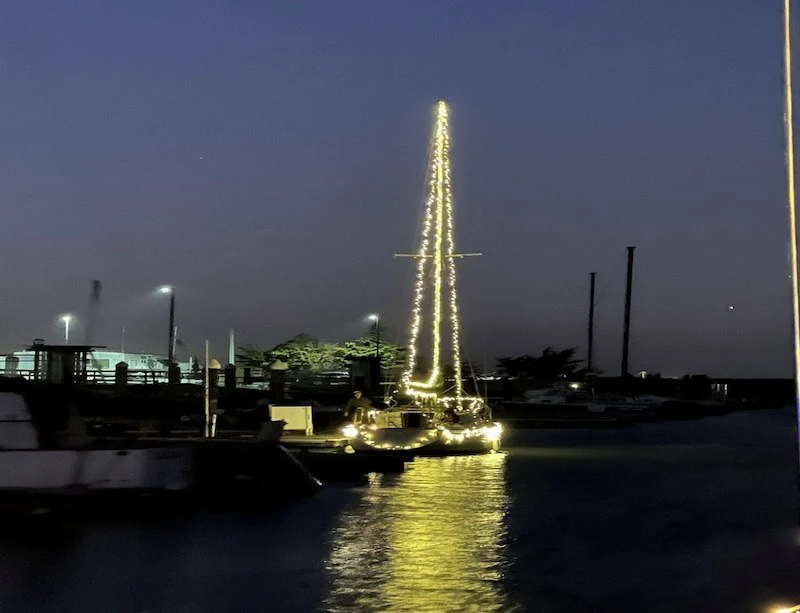
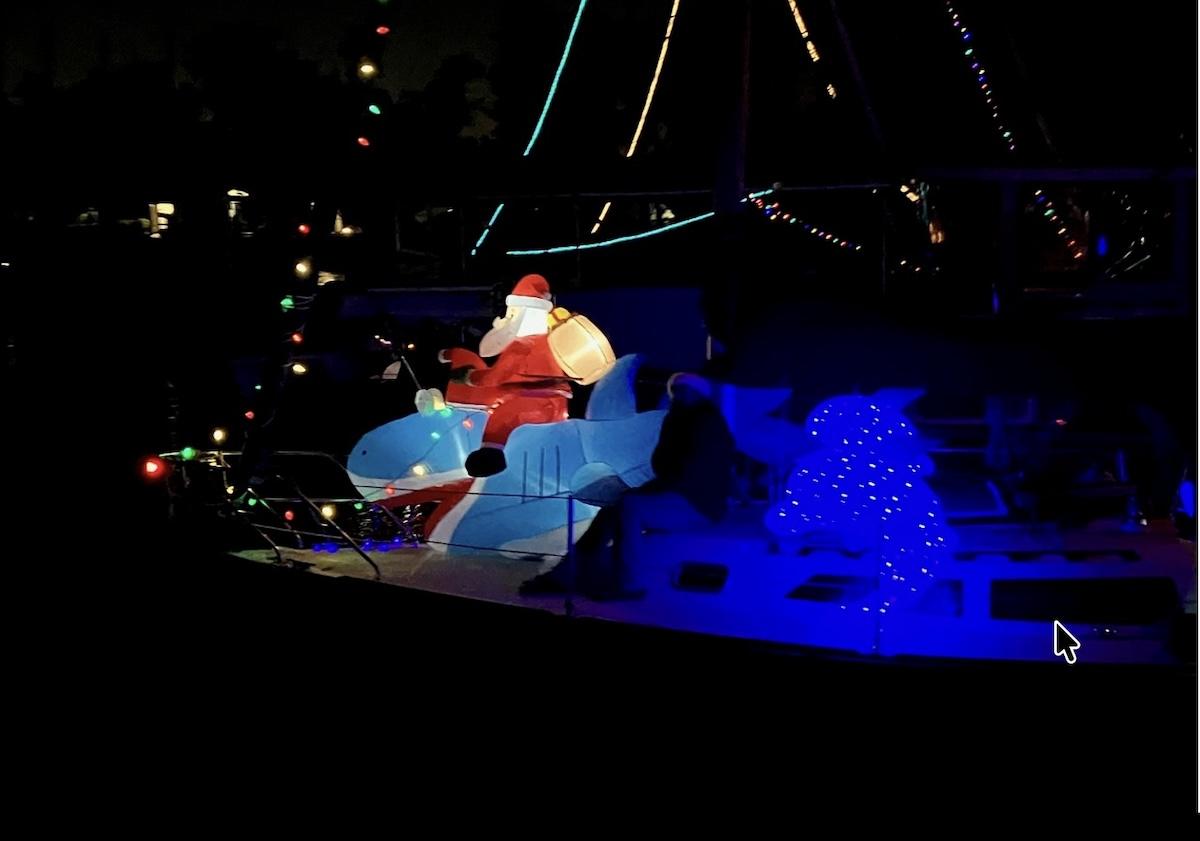
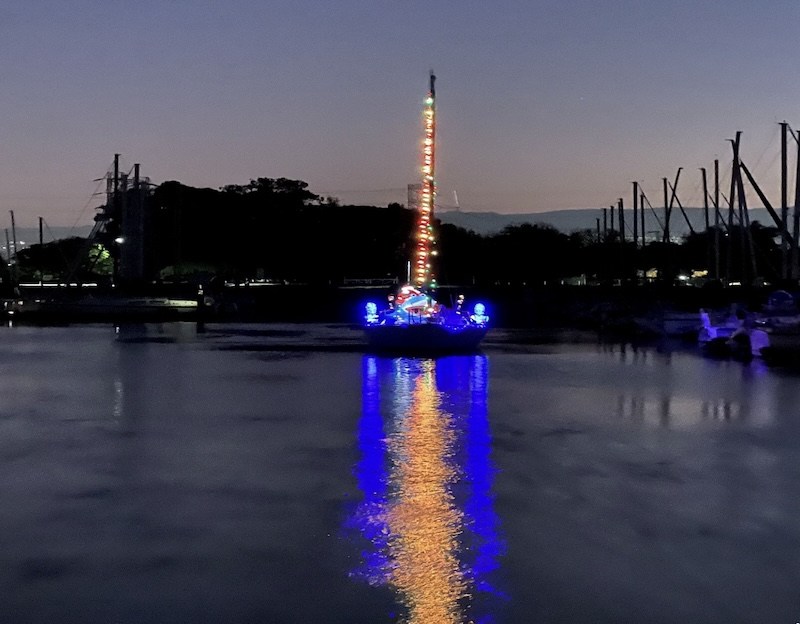
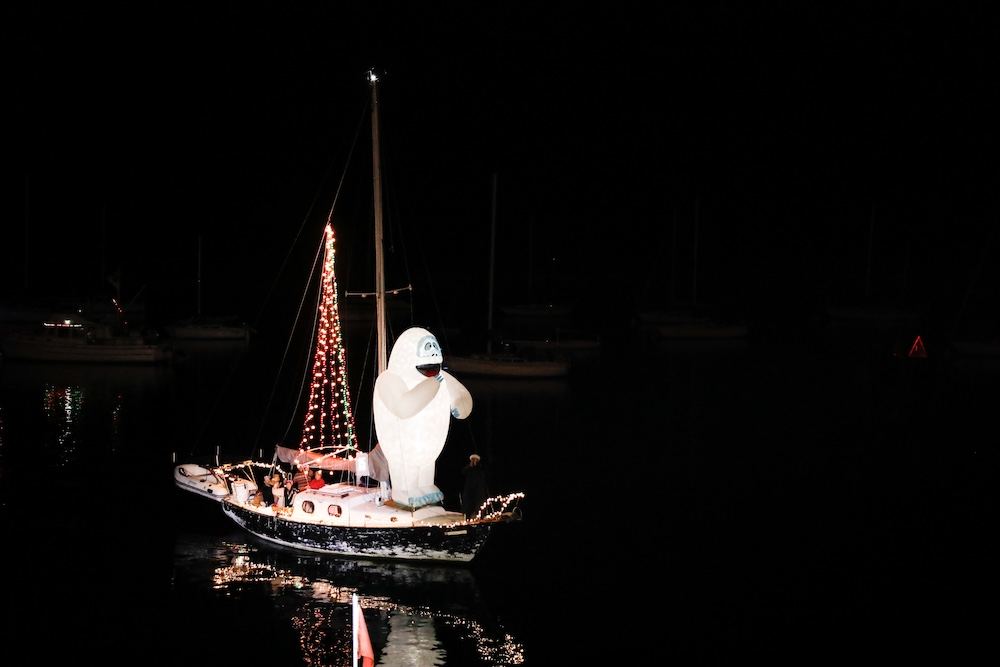
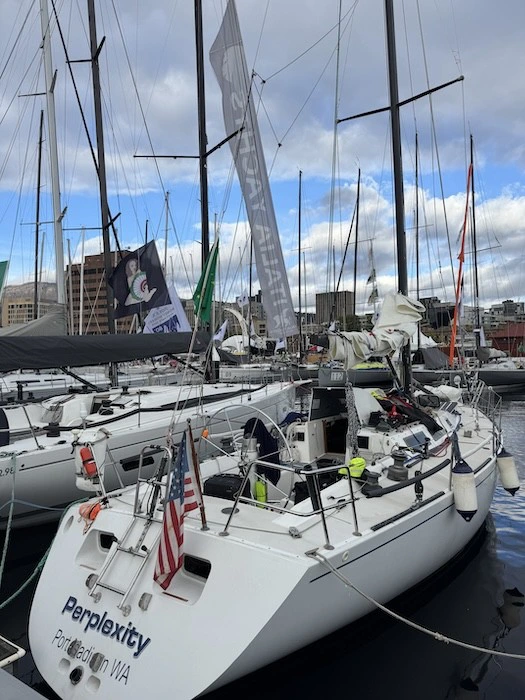
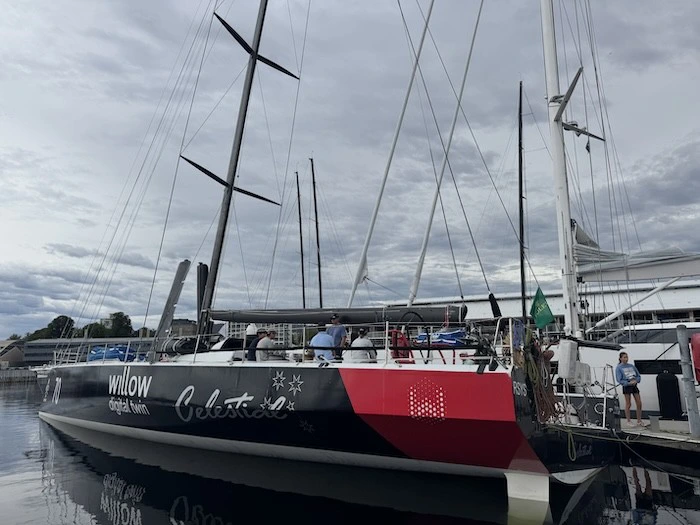
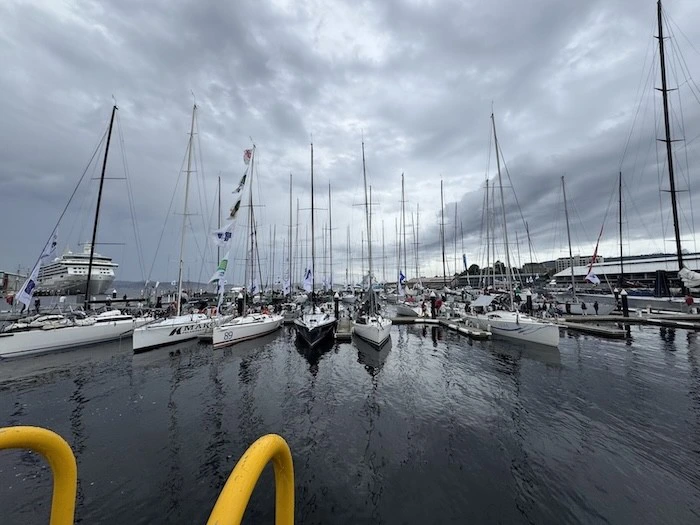
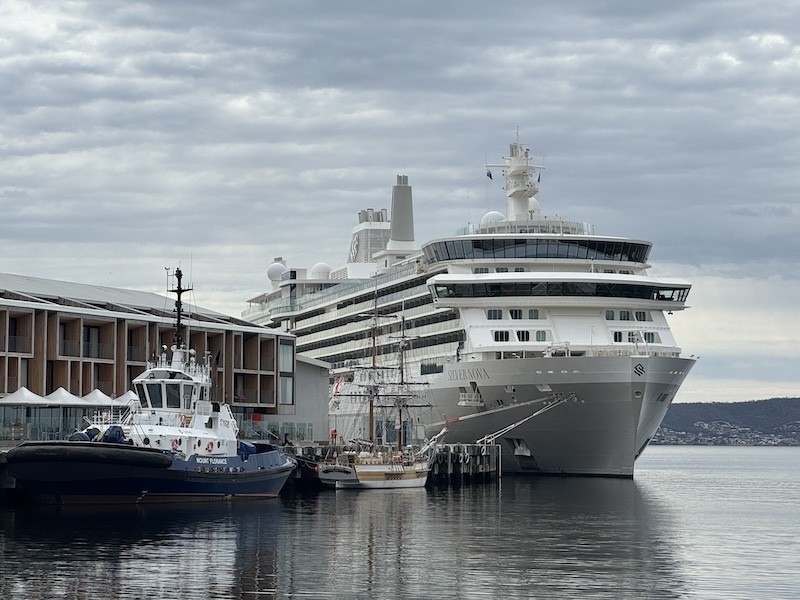
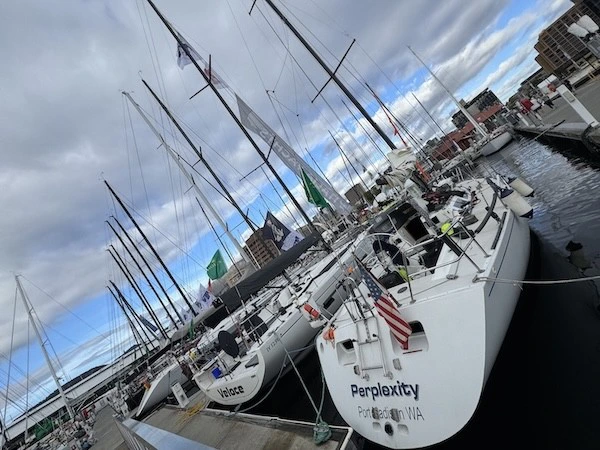
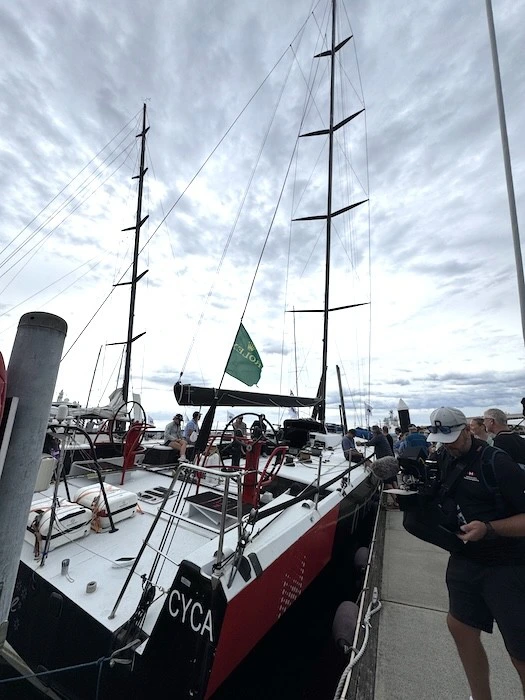
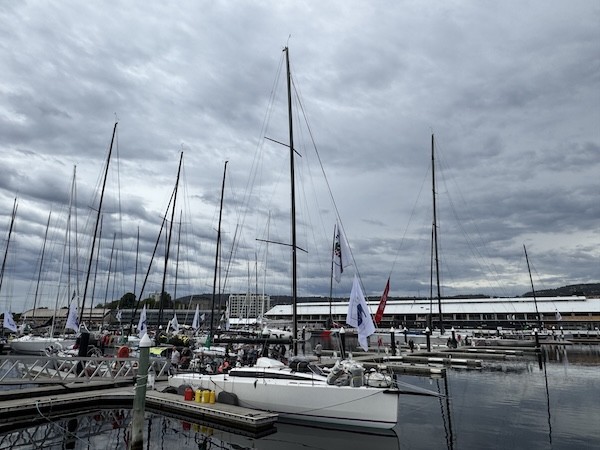
Welcome to December’s Sailagram gallery — an offering of celebrations (lighted boat parades and the Rolex Sydney Hobart Race boats in Tasmania); racing on the Bay; and a few shots of sailors doing what sailors do. We hope you enjoy this month’s gallery!
Did Your Hat Go Where the Wind Blows?

Go to www.latitude38store.com