

Reviving a Legacy: The Return of the Ladies Got Guts Race
After more than 30 years, something powerful has been brought back to life: the Ladies Got Guts Race. Originally created by Del Rey Yacht Club (DRYC) volunteers in the 1960s and dormant since the ’90s, this race was the precursor to the WOW/WAH regatta and might be the only distance race on the West Coast that requires women to steer the entire course.
The original race course was from MDR to the Isthmus. Women were required to steer only at the start and the finish. We’ve come a long way, baby!
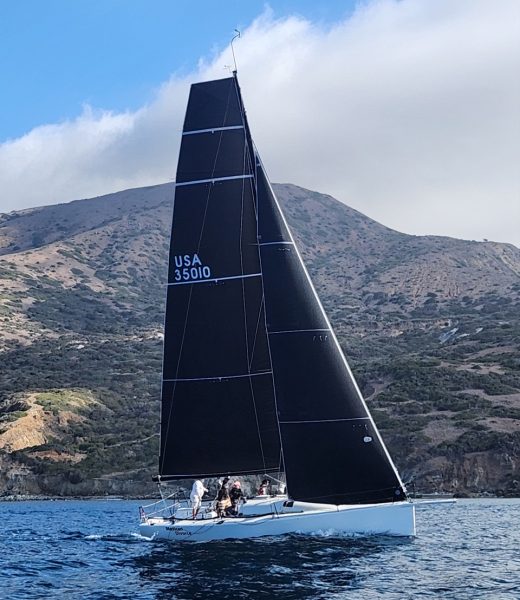
Thanks to DRYC and Women’s Sailing Association, the race was brought back this year with a clear focus: to create access, joy, and real community for women on the water.
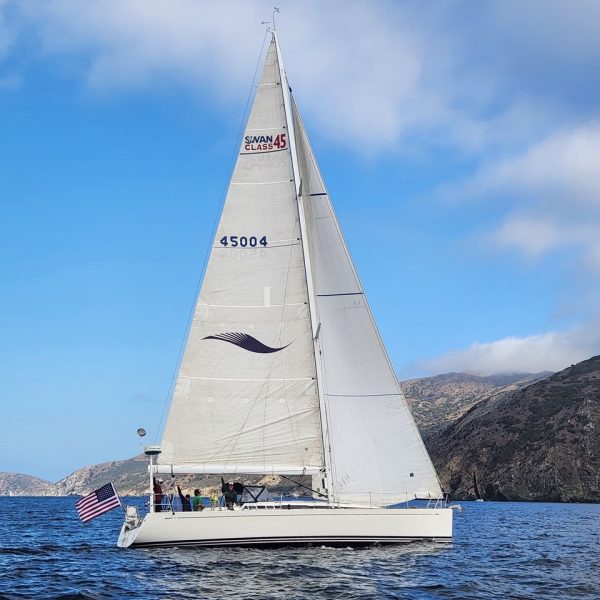
Eleven boats lined up at the start off Palos Verdes Point. Ten finished at the west end of Catalina Island, rounding Eagle Rock and sailing into Cat Harbor. No PHRF certificates, no sail numbers, no yacht club memberships required — just a willingness to show up, steer, and take part. Crews ranged from first-timers to seasoned racers, with ages spanning from 13 to women in their 70s.
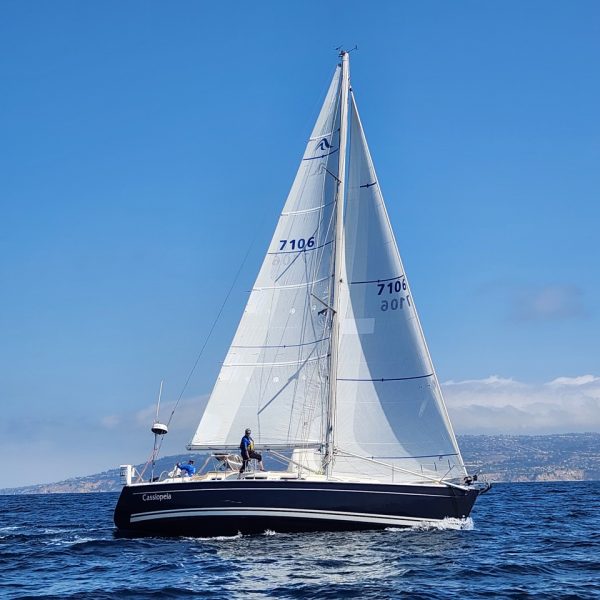
I sailed on my Hanse 37, Cassiopeia (DRYC), with three phenomenal women. We hadn’t raced together as a team before, but the rhythm onboard was effortless — trust, laughter, and deep competence. I actually relaxed during a race weekend, which says a lot.
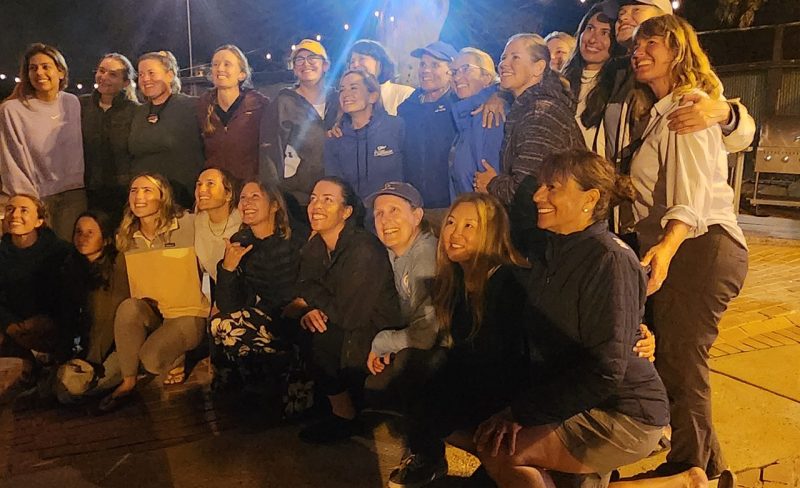
Several boats were owned and fully crewed by women, including my Cassiopeia, Katherine Phillips’s Swell (DRYC), Monica Viera’s Ofelia (DRYC), and Christina Amoroso’s Tenacious (DRYC), to name a few — and every woman on every boat had a hand on the helm. At one point, we gathered for a group photo at DRYC’s Cat Harbor station: 23 women, all of whom drove at least part of the race. That moment was a quiet kind of triumph. In most regattas, having a few women at the helm is worth noting. In this race, it was the rule — and the whole point.
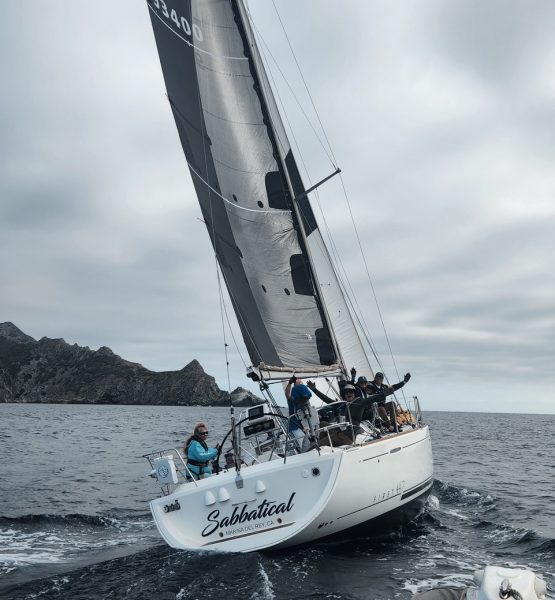
Huge appreciation to the men who stepped up by offering their boats so more women could participate, including Mark Lampert with Sabbatical (DRYC) and Neil Fraser, whose Mexican Divorce (DRYC) corrected out first overall. That kind of allyship is a big part of how we grow access and inclusion in this sport.
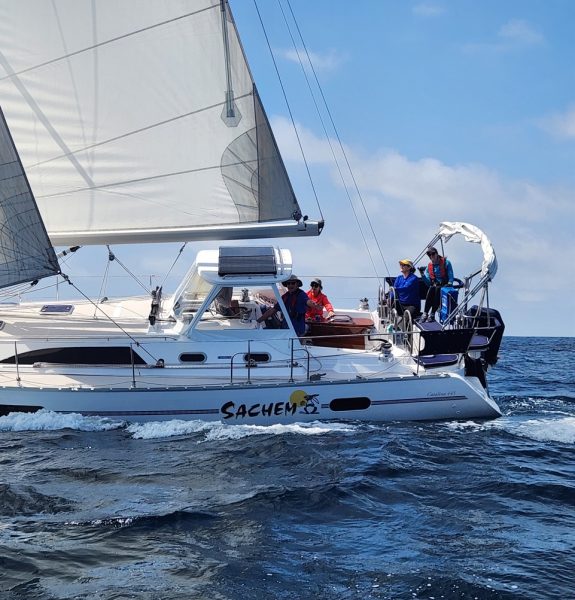
Another notable registrant included three generations of Artofs aboard their Catalina 445, Sachem (DRYC). Susan and Paul Artof did some of the early Got Guts races in the 1970s aboard their Morgan 27. This time, they were joined by their daughter Lindsey Artof, who just won the WOW-WAH regatta in August, and their 15-year-old grandson Jacob, who is a member of the US Sailing Youth National Sailing Team.
After a slow, sunny morning on the island, Cassiopeia’s crew sailed home with the gennaker up the whole way. The breeze was perfect. The boat was happy. And after the energy of race day, the sail back was peaceful, joyful, and exactly what we needed.
More than anything, this race reminded me of what’s possible when women are given space to lead, to support each other, and to just be out on the water. No one-upmanship. No performance energy. Just presence, mutual respect, and a shared love of sailing.
Full results can be found at DRYC.org/racing.
- Community Sailing
- Youth Sailing
- West Coast Sailing
- Commentary
- General Sailing
- Cruising
- Current News
- Maritime History
- Heading South
Schooner ‘Seaward’: The Quiet Legacy Behind Call of the Sea
While many Bay Area sailors admire the striking silhouette of the tall ship Matthew Turner, few realize that her “sibling,” the 80-ft schooner Seaward, was quietly laying the foundation for Call of the Sea’s educational mission long before a single plank of the brigantine was laid.
Now celebrating her 20th anniversary under Call of the Sea’s flag, Seaward has carried thousands of young people, students, and aspiring sailors on voyages through San Francisco Bay, down the California coast, and as far south as the Sea of Cortez and Puerto Vallarta, Mexico. Her story is one of vision, grit, and the kind of quiet persistence that makes lasting change.
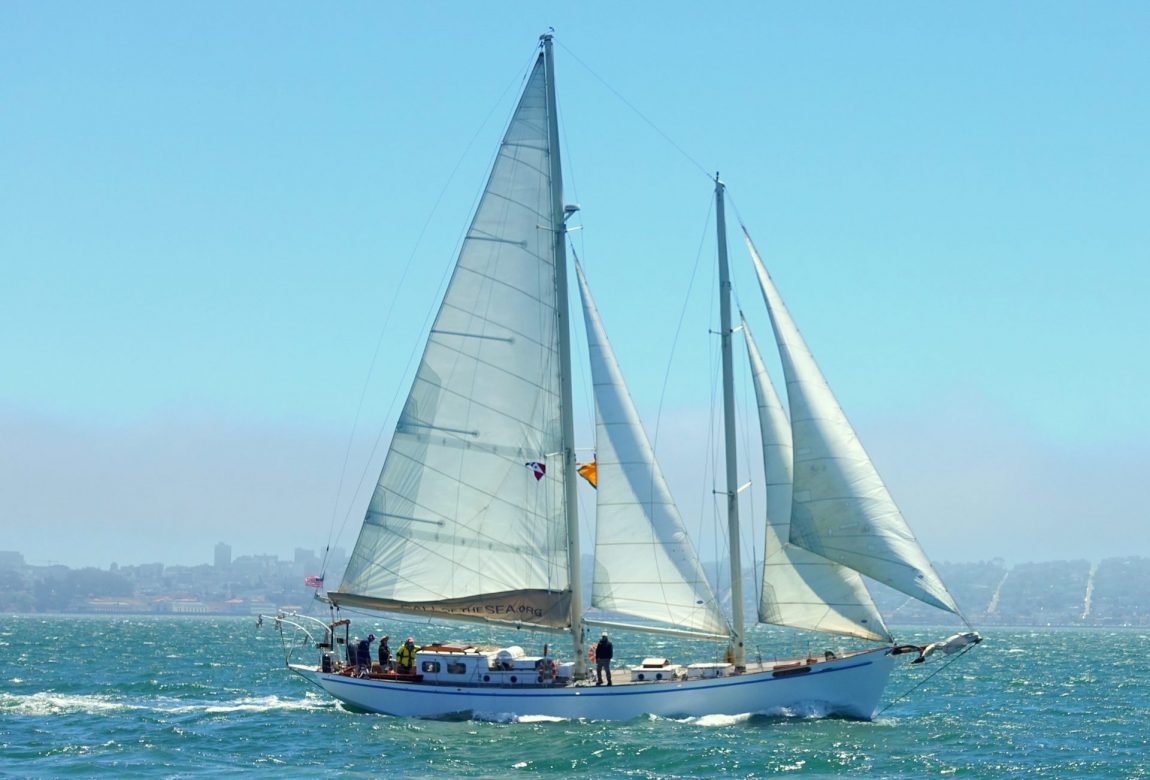
Call of the Sea founder Alan Olson began dreaming of large-scale educational voyages back in the 1980s — a purpose-built platform for youth education and offshore seamanship.
In the early 2000s, Olson joined forces with Captain Ken Neal, an East Coast sailor and former crew of the US Coast Guard barque Eagle. Together, they began a search for a vessel that could carry their vision.
The search ended on the East Coast, with Seaward, an 80-ft steel schooner built for charter and ocean passages, equipped with a Marconi rig and a reputation for reliability. She was seaworthy, roomy, and best of all, affordable.
A deal was struck, and unable to transit the Panama Canal due to hurricane season and insurance complications, Seaward was loaded onto a freighter bound for Ensenada, Mexico, and from there, sailed north to Sausalito by her new crew.
In 2006, Seaward officially began her new life as a floating classroom.
From the beginning, Seaward was more than just a ship — she was a school without walls. Call of the Sea used her to teach Bay Area youth the fundamentals of navigation, marine science, and sailing. Daily, overnight, and weeklong programs ran throughout the spring and summer, introducing students aged 12–17 to life aboard a working schooner. Students learned how to stand watch, navigate using charts and instruments, cook at sea, and take care of one another as crewmates; they learned how to be good stewards of their environment. Many had never spent a night away from home, let alone offshore on an 80-ft vessel. Seaward became a transformative space: challenging, humbling, and inspiring.
When school programs — often topping over 6,000 students for the season — wrapped up in the fall, Seaward would shake out her canvas and head south. From 2006 through 2019, almost without interruption, she made annual voyages to Mexico, typically departing right after Christmas.
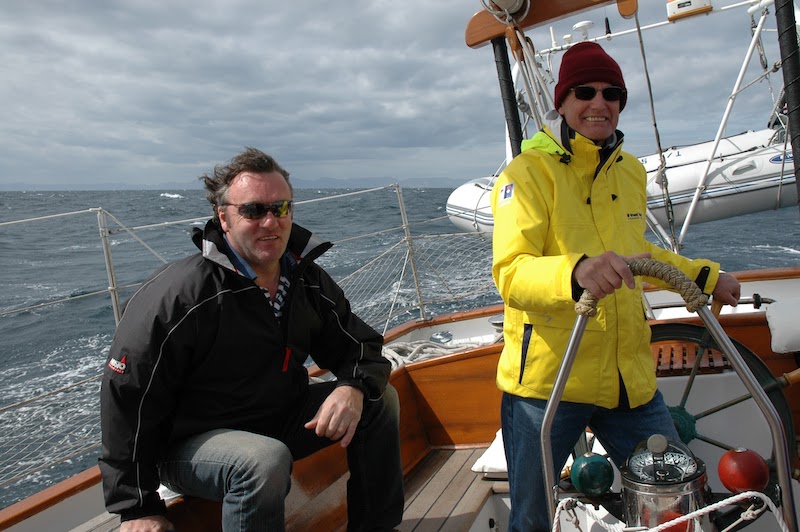
The first leg carried a crew of four professionals, and a coed team of Sea Scouts who learned offshore sailing firsthand. For these young sailors, the southbound voyage wasn’t just an adventure, it was an education in endurance, weather, responsibility, and confidence. Offshore, they rotated through watches, handled sail changes, cooked meals, and kept course on real bluewater legs.
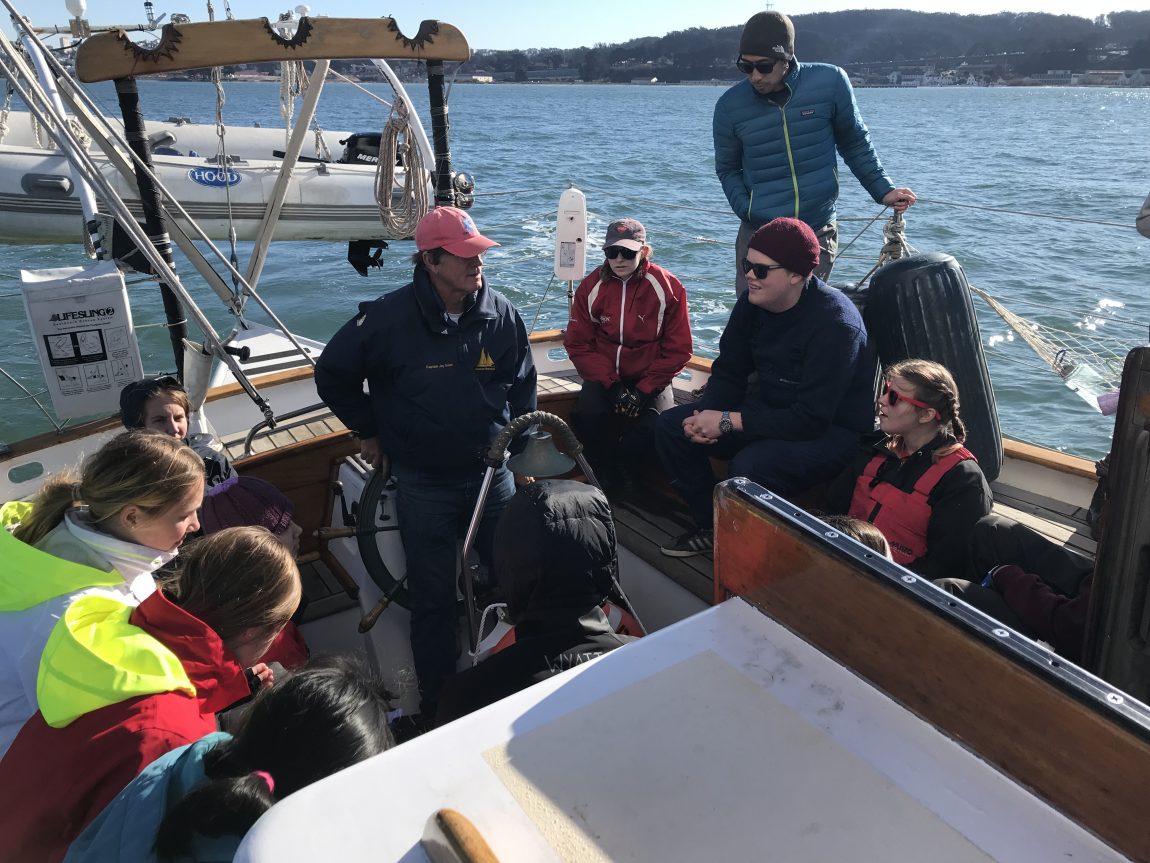
Once in Mexico, Seaward offered berths to those seeking offshore mileage, or simply a taste of the cruising lifestyle before committing to their own boats. Some came to build skills; others came to reconnect with the sea. The crew was a mix, male and female, novice and experienced, but all bonded in the rhythm of shipboard life: standing night watches under starlit skies, navigating sun-drenched passages, and anchoring in remote Mexican coves that few tourists ever see.
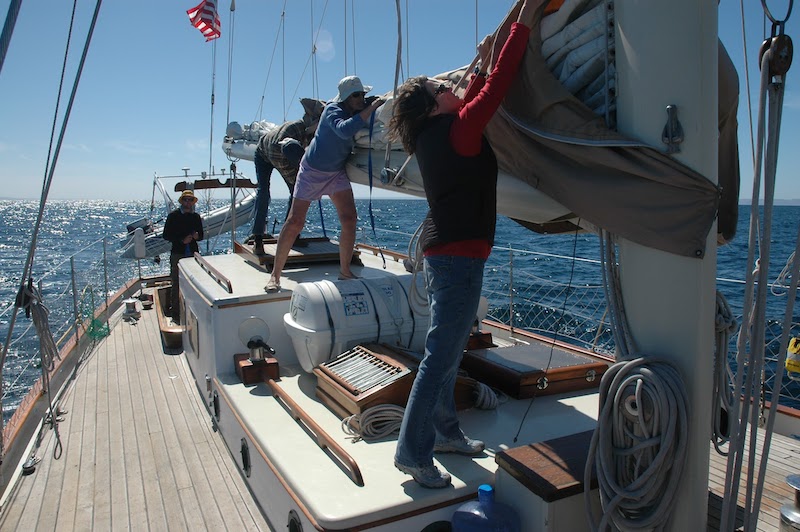
It’s easy to admire the impressive Matthew Turner — a tall ship built from scratch with sustainable timber, powered in part by the wind and sun. She represents a bold, visible commitment to environmental and educational values. But none of it would have happened without Seaward. She was a springboard that helped make the Matthew Turner possible.
For 20 years, this unassuming schooner has quietly delivered on the original promise of Call of the Sea: hands-on education, character-building at sea, and meaningful connection to the marine environment. She’s taught thousands of students, launched sailing careers, transformed reluctant teens into confident leaders, and given countless adults a second chance at adventure. And she even won the Belvedere Cup Schooner Class Trophy in 2024!
As Call of the Sea celebrates Seaward’s 20th anniversary in the fleet, the organization is exploring how best to continue using the vessel for youth and adult programs, in tandem with the Matthew Turner. Whether teaching chartplotting in the Bay or preparing students for life’s long voyages offshore, Seaward remains an essential and beloved part of the journey.
Quality Yachts With Premium Service From Swiftsure Yachts
Swiftsure Yachts offers exceptional service, quality brokerage boats and new yachts for world cruising. Visit our website swiftsureyachts.com.
S.F. Bay J/88 Season Wraps Up — ‘Ravenette’ Victorious
The J/88 season totaled 35 races across six major regattas this year. Brice Dunwoodie repeated as overall season champion with his team on Ravenette (StFYC). Ravenette’s crew were Ian Schillebeeckx, Brett Bastien, Kenneth Grayson and Dylan Farrell, and Mark Lightner toward the end of the season.
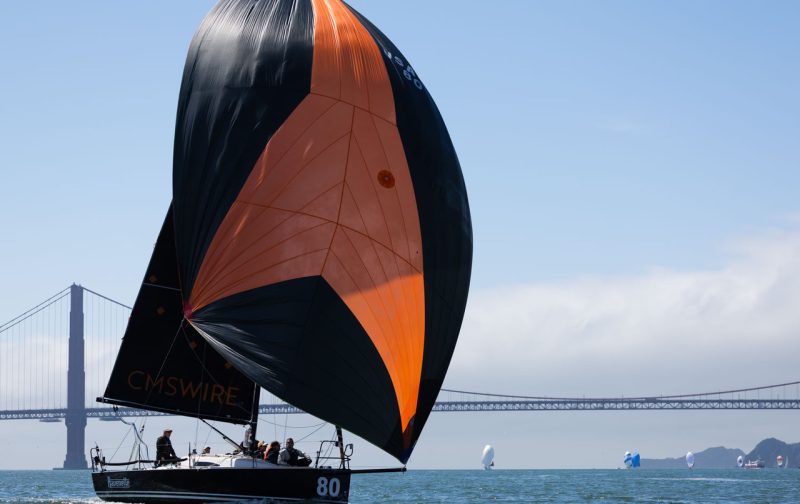
Overall, the season was hard-fought by Tom Thayer and Robert Mulligan’s Speedwell (RYC), ending up second overall. In third, Dave Corbin’s Butcher (SBYC), along with five other boats, mixed it up with the leaders. The J/88 fleet allows eight throwouts for the season in case a boat has to miss a regatta. Courageous (SYC), 2024 Rolex Big Boat Series winner Split Water (RYC), and a new boat, Trickster, are expected for 2026.
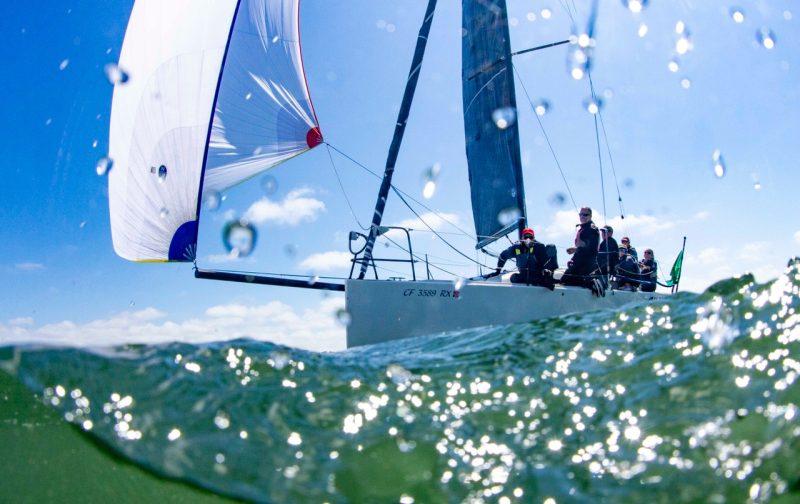
Pelagia (SSC), Fly (Modern Sailing), Inconceivable (SBYC), and Hijinks (StFYC) filled out the fleet for the Rolex Big Boat Series. Ravenette won the J/88 RBBS title, with Speedwell second and Butcher third to cap the season.
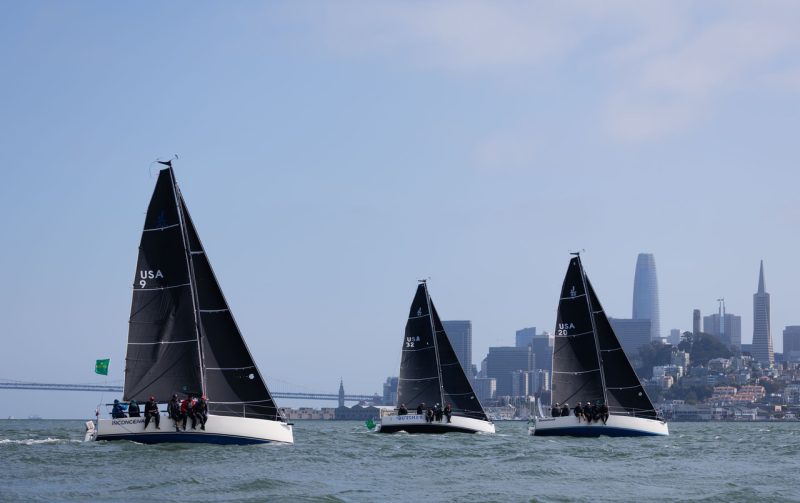
Winter one-design racing starts soon with the SYC-Regatta Pro races, but the fleet also does various winter series. We look forward to having a very competitive 2026.
The Poobah Is Continuing To Accept Entries in Baja Ha-Ha XXXI
We’ve received news that the Poobah is continuing to accept entries in his last Baja Ha-Ha, so if you want to sign up, you still can. But if you want to be included in the Meet the Fleet booklet and get a full bag of swag, your entry must be received by Friday, October 10 — that’s a week from now!
“After that date we can no longer make additions or changes to Meet the Fleet,” the Poobah says.
The Last Cheeseburger in Paradise/Ha-Ha Costume Kick-Off party is November 2, and the fleet departs San Diego on November 3.
Still undecided about doing the Ha-Ha? Here are a few photos that might whet your appetite.
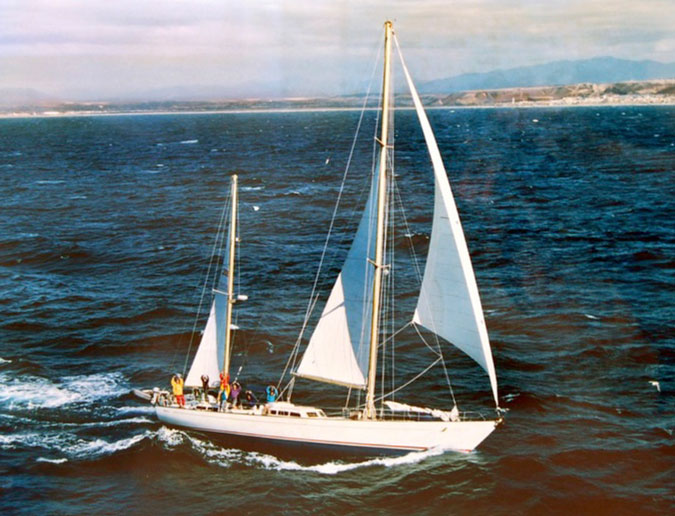
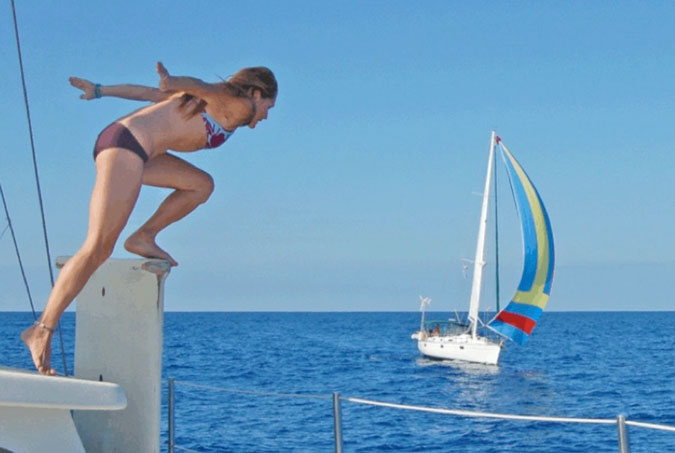
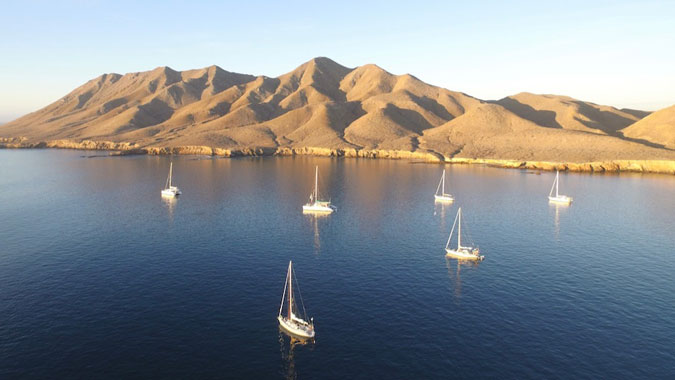
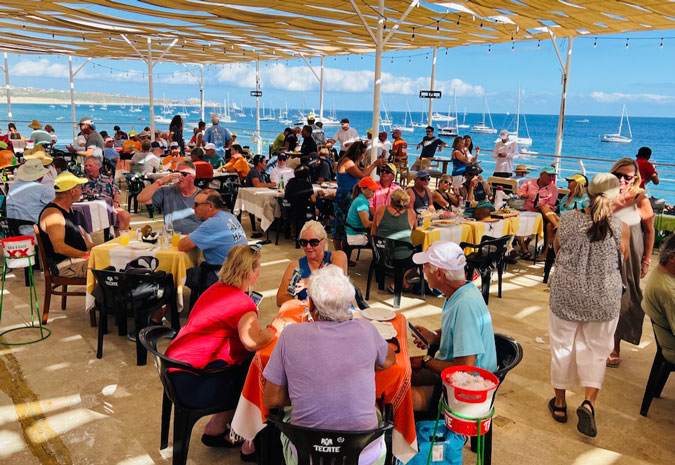
We could spend all day adding photos to this post, and we imagine you could spend all day looking at them. But the idea isn’t to daydream, it’s to get aboard and cruise to Mexico.
Sign up now for what Ha-Ha sailors say is one of the best cruises they’ve ever had. Sign up here.
And if you’re wondering who your Ha-Ha mates might be, check out some of the profiles in the September and October issues of Latitude 38.
The YRA Calendar: Share Your Club’s Sailing Calendar So We Can Help Tell Your Story
Anyone who has sailed in enough regattas, or helped run enough regattas, knows that it truly does take a village. Between the race officers at host yacht clubs, volunteers for the race committee, the sailors, of course, and weeks (if not months) of planning, each event is far more than the two to four days of racing on the water.
This is nothing new to me, a lifelong sailor, but after being in my role as Latitude 38’s racing editor for a little under three months, my eyes have been opened to another side of planning regattas that I knew little about.
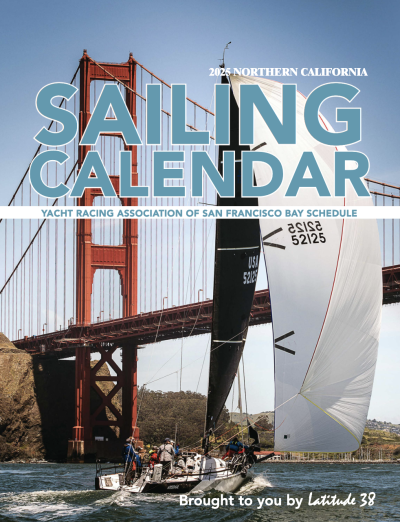
Latitude 38 and the San Francisco Yacht Racing Association (YRA) collaborate each year on a racing calendar, in which we highlight and advertise as many as we can of the different regattas and races held by various yacht clubs and class associations. Laura Munoz (head of YRA), Nicki Bennett (Latitude’s head of marketing and sales) and John Arndt (Latitude 38 publisher) have done this for years, but this year is my first time being involved in the production of our racing calendar, and it’s been incredibly eye-opening to see how much more than I had realized goes into organizing a regatta on the Bay.
Between the juggling of schedules and the need to get permits from the Coast Guard, and planning more than a year in advance, there is so much more that goes on behind the scenes than one realizes when just showing up for a weekend regatta. And that’s where my role comes in: How do we promote and cover regattas?
Sailing is such a dynamic and busy sport to cover. It’s not like being a local writer or editor covering the 49ers, Giants or Warriors, where all that really matters is one team’s game. Each weekend there are many different regattas in many different classes at many different yacht clubs around Northern California and the entire West Coast. Some events are easier for me to cover than others, as I race most actively in certain classes of boats and out of certain yacht clubs. But at Latitude, we want to make sure every yacht club, class association, and regatta gets the coverage they deserve in order to tell their unique stories.
That’s where I’ve found this year’s YRA calendar to be such a great resource; I can easily find all the dates and details for almost all of the regattas around NorCal in one place, and therefore get a far wider range of coverage than I would otherwise. I can’t do it by myself, however. If an event isn’t in the YRA calendar, unless I already know about it or somebody explicitly brings it to my attention, it is unfortunately likely to slip through the cracks. If you are a race officer at a yacht club or the fleet admiral of one of our many one-design fleets in Northern California (or along the West Coast in general), I strongly encourage you to reach out to Laura, Nicki or myself (if you haven’t already) to get into the YRA calendar. It can and will improve your participation in regattas, and will make it far easier for us to help tell the stories of your regattas.
If you are interested in publishing your 2026 sailing schedule in the YRA calendar, you can contact me via [email protected], Nicki at [email protected], or Laura at [email protected].
San Francisco on the Bay: “The List”

Dine, Drink, Smoke, Stay, Play and Shop. Discover San Francisco Bay and all that inspires those of us who live or visit here.