

The Captain Ron Phenomenon — Pop Culture Goes Sailing With a Cult Classic

There are sailing films that make you want to cross an ocean. There are sailing films that make you check your life insurance. Then there is Captain Ron, which makes buying a neglected boat and hiring a man you would hesitate to lend your lawn mower seem like a good idea.
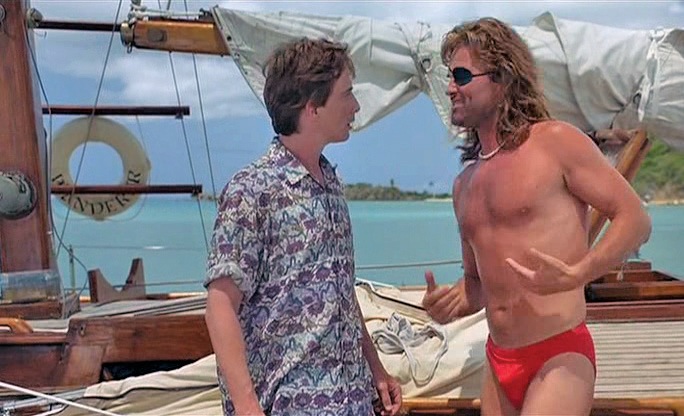
Somewhere between the first questionable decision and the last narrow escape, the sensible objections lose their authority. The boat needs work. The captain needs investigating. The family should probably go home. Yet home begins to look suspiciously like the least interesting outcome.
And that is how it gets you. You start researching boats and end up buying one, but the adventure is not included. So, Captain Ron to the rescue. You watch the movie again during a costly refit to remind yourself why you started. One day, you’re ready to sail away. When Captain Ron tells Martin Harvey he is the captain now, it feels as if he’s talking to you. Your spouse may wish to discuss the resemblance if you have already donned your Speedos.

That is quite a sales pitch for a film whose initial reception gave little or no indication it would still be revered at docks, marinas and anchorages more than three decades later. Released in 1992, Captain Ron earned about $22.5 million at the domestic box office against a reported $24 million production budget. Those figures hardly suggest a hit, although they don’t tell us what it earned over the years.
Try getting that result from a yacht brochure. Boatbuilders, brokers, marinas, sailmakers and the fellow charging $90 for a little stainless-steel thing could hardly have asked for more. Hollywood sold the dream; they got to invoice the moviegoers turned boat owners.
Where the critics saw a flop, a marine electrician might have seen repeat business. Others found inspiration.
In Latitude 38’s 2017 retrospective, reader Wayne Cederquist credited the movie with encouraging him to learn to sail, own boats, and skipper Caribbean charters. There is at least one man whose ticket price proved wildly misleading. And I suspect there have been plenty more Waynes since. It would be a stretch to attribute a generation of cruisers to Kurt Russell in an eyepatch. But it is worth asking what this scruffy comedy offered that survived the bad reviews. For a start, it made adventure feel available to people who had done very little to deserve it. Before YouTube sailing channels, here was an ordinary family stumbling into a world where plans fell apart, strangers became important, and the next island might require a change of clothes, allegiance or transportation. Nobody needed to build an audience first. The voyage could be a complete shambles without anyone worrying whether they had filmed the shambles horizontally.
There was something wonderfully tempting about that. The sea offered access to a life in which things happened.