

Foiled Again: America Is Back in the America’s Cup
The way things were looking, the 38th America’s Cup in 2027 would have been the first to run without a US entry since the schooner America first won the Cup in 1851. Now, just when we thought it was over, America slipped under the wire to pull an Easter rabbit out of the hat and enter the challenge, which will be hosted by the Royal New Zealand Yacht Squadron in Naples, Italy. The American Magic team that challenged for the 37th America’s Cup with the New York Yacht Club has sold its assets (boats and technology) to a new syndicate to be led by two-time Rolex Yachtsman of the Year and North Sails CEO, Ken Read. The syndicate is backed by entrepreneurs Karel Komárek and Chris Welch. Karel Komárek is an avid sailor and owner of the 100-ft Read-skippered maxi racing yacht V.
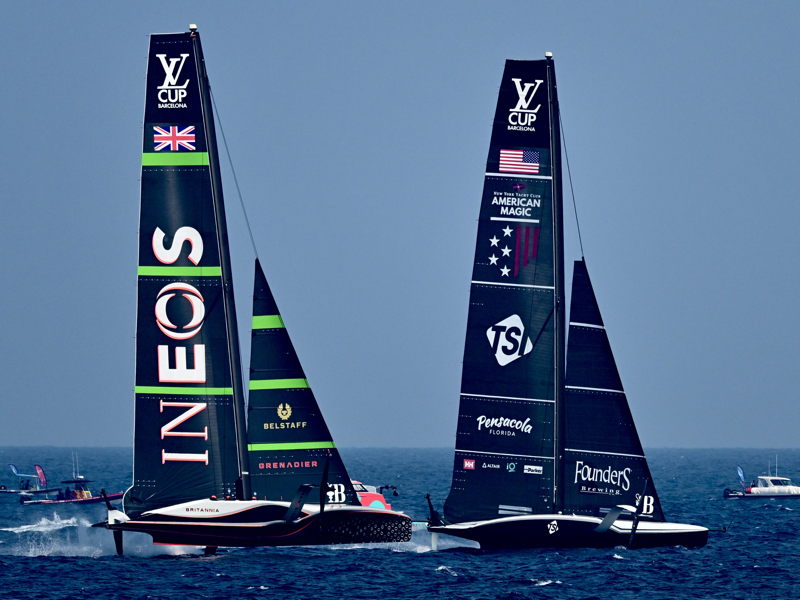
The team, American Racing Challenger Team USA, starts by having acquired American Magic’s AC75 yacht Patriot and the team’s two AC40s, which, if things advance rapidly, could be sailing in the preliminary regatta in Sardinia in about six weeks, May 21–24. It’s a late entry, but the team is apparently well-funded, with plans to be on the starting line for the 38th America’s Cup in Naples in spring 2027. The team will sail under the burgee of Sail Newport, a Rhode Island community sailing program run by Ken’s brother, Brad, that has been stupendously successful on both the local and global sailing stages.
The team will be using American Magic’s base in Pensacola, FL, to develop their challenge. It will have to move quickly to update the American Magic boat Patriot to the new rules for the 2027 match, which includes updating boats with stored power and reducing the crew on board to five.
So far sponsors, budgets, crew and many other elements of the campaign have yet to be announced, but we’ll be looking forward to at least seeing America in the game.
Historic Schooner ‘Bill of Rights’ Receives Notice of Reprieve
San Diego’s “Official Tall Ship,” Bill of Rights, has received notice that it can remain at its dock in Chula Vista. While the reprieve appears temporary, it is a sign that the ship may continue to have a home within its community. The news came after South Bayfront Sailing Association, which maintains the ship, urged the sailing community, residents and organizations that utilize the ship’s educational programs to petition for the right to stay at the dock.
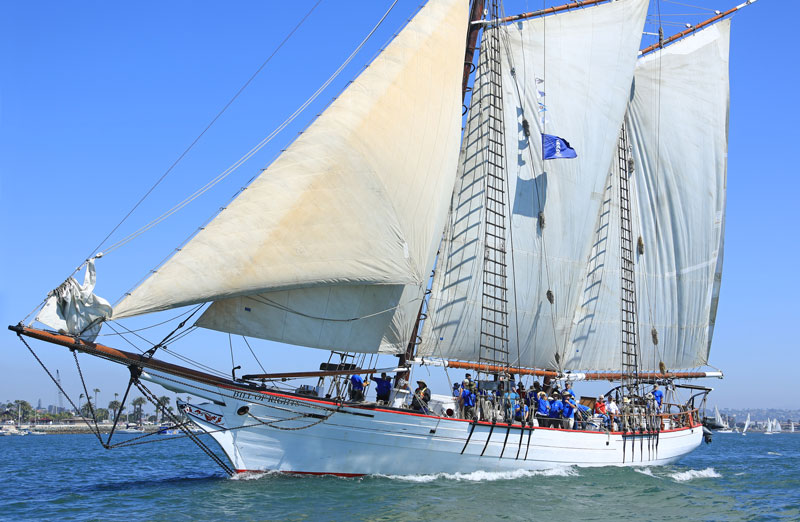
The ship has called Chula Vista home for decades and has been docked at the marina since 2013, becoming a recognizable and beloved feature of the South Bay waterfront community. The schooner has served as a floating classroom and living waterfront museum. Operated by the South Bayfront Sailing Association (SBFSA), a 501(c)(3) nonprofit organization, the vessel has hosted sea cadet training, sail-training programs, youth leadership development, boatbuilding classes, and maritime history education for thousands of participants from across San Diego County and beyond.
Bill of Rights’ captain Don Johnson told local news outlets that talks are ongoing. “We have more work to do and a little more discussions and negotiations,” Johnson said. In an interview with 10News San Diego Johnson acknowledged the marina’s decision and said the marina was “well within their rights,” and that “They’re exercising a provision within the contract.”
South Bayfront Sailing Association had been informed in March that the organization’s dock lease would not be renewed and would terminate on May 5, 2026, leaving the ship and the maritime education programs she supports without a berth.
Discover San Francisco Marina Small Craft Harbor
San Francisco Yacht Club Sails Inaugural “Sprint” Regatta
The Inaugural SFYC Sprint, held March 21–22 in the San Francisco Yacht Club’s (SFYC) fleet of RS21s, was a great success and a ton of fun for competitors! Regatta Chair Ethan Doyle developed the open sprint after competing in league-style sailing for Team SFYC last summer in Kiel, Germany, and after the success of the SFYC Youth Team that represented the USA and placed second in Spain in a similar format.
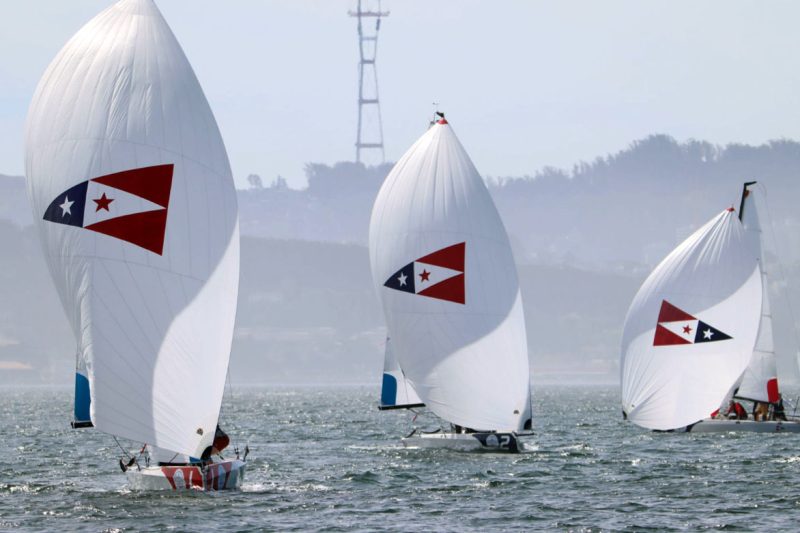
The basic concept of sprint- or “league-” style racing utilizes a matched fleet of boats like the RS21s on short windward/leeward courses, where two laps are completed in 15 minutes or less. More teams than boats are invited to compete — teams are rotated into and out of boats according to a schedule that allows for all teams to race each other the same number of times, but also for the heats to be mixed up. The rotation aspect is reminiscent of college sailing and allows teams on a “bye” to watch their competitors race.
The format is especially attractive to active racers who like competitive fleet racing, while being a more accessible option than owning and campaigning a one-design program. The racing is umpired by on-the-water judges who follow along closely. Protests are signaled from competitors with a flag, and judges assign penalty turns when they observe that a foul has occurred. This eliminates drawn-out protests back at the dock, making it much easier to leave any heated moments on the water and allowing for more enjoyable post-racing socialization.
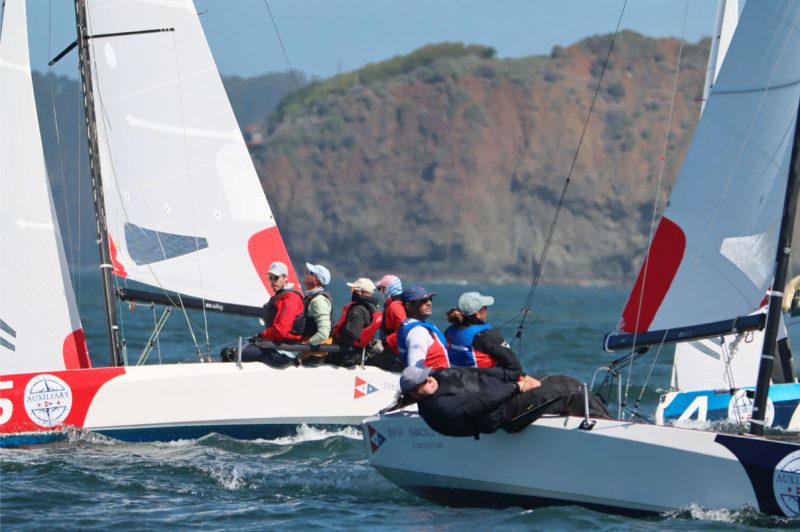
The conditions this weekend were forecast to be light, but both days filled in with “champagne” sailing conditions: warm breezes of 12–18 knots and flat water due to the building flood. The flood made the downwind legs especially lively; in some cases crews were hoisting, jibing multiple times, and dousing, all within the three minutes it took to fly from the windward to the leeward mark. Ethan reflected positively on the weekend and remarked, “We achieved the mission of proving the concept that we can run an open sprint invitational that attracts top-quality sailors. The top three spots were represented by three different clubs, Richmond, SFYC, and Corinthian Yacht Clubs, and there was participation from six different Bay Area clubs.”
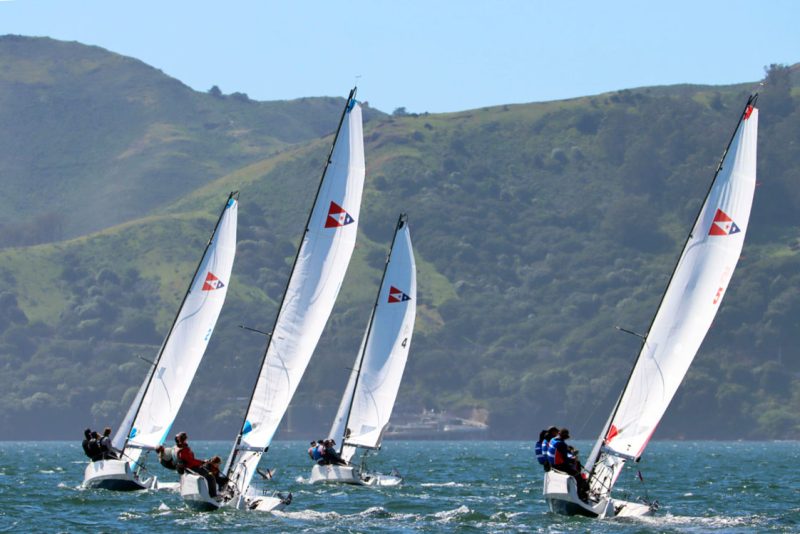
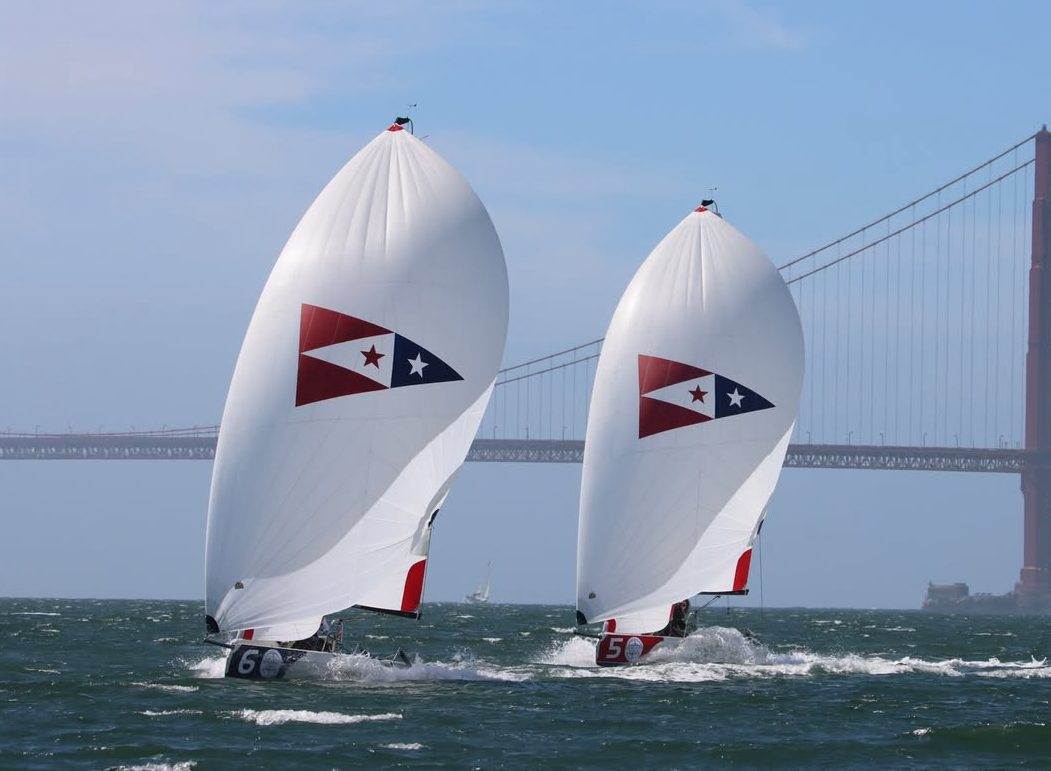
Fleet manager and regatta bosun Adam Corpuz-Lahne had the boats in top form, and the RS21s were on full display with brand-new race sails, ripping downwind with the Golden Gate highlighted in the background.
As the scoreboard reflects, Lucy Wilmot and her crew of Chris Weis, Sammy Shea and Hayden Stapleton sailing for RYC put up a commanding performance from start to finish, securing the win by 16 points over 20 races! Ethan Doyle and his crew of Ryan Lynch, Noah Barrengos and Harrison Doyle took second, sailing for Team SFYC. Nick Voss and Daniel Thielman traded off on the helm with crew Nicole Voss and Jenn Canestra, all representing Corinthian Yacht Club and rounding out the podium in third.
You can find the full results of the regatta here.
Taking a Cruise Through Northern Spain
I frequently get bunks on boats in Europe through Venture Sailing Holidays. These have been some of the most enjoyable experiences of my life. As an avid fan of Patrick O’Brian and Aubrey/Maturin novels, I felt compelled to go to A Coruña, on the northwest corner of Spain, for a 12-day harbor-hopping trip south.
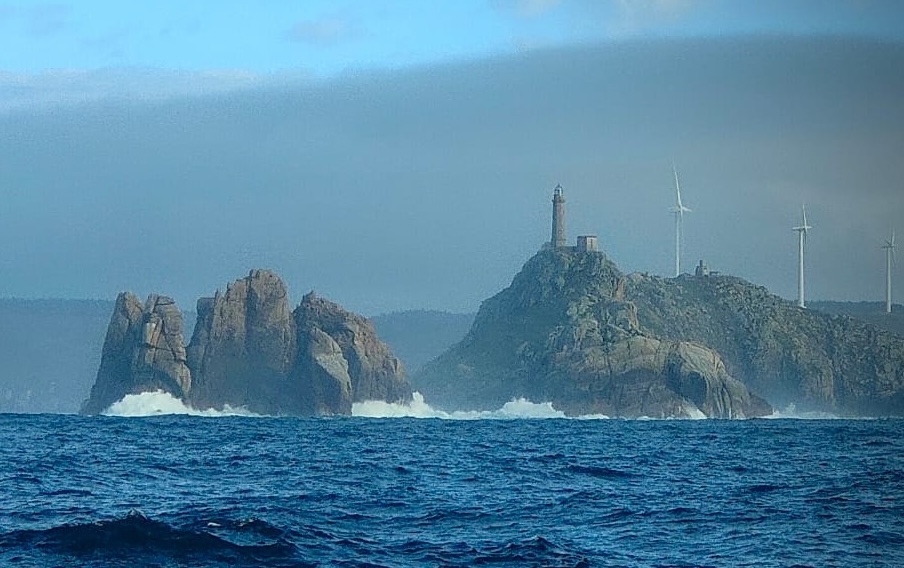
Sept. 7, 2025: I arrive after three flights from San Diego. It was a drizzly morning in this surprisingly green area. With charter starting tomorrow, I make my way out to Torre de Hercules, an 180-foot-tall lighthouse originally built by the Romans around 50 CE to guide their ships to Britain — a huge structure that was rebuilt in the 1700s.
Sept. 8: I leave the hotel and walk to the marina side of town to find Cherokee, my home for the next 12 days. Most traditional Coruña buildings are white and about four to five stories high with the balconies glassed in so they shimmer. Coruña — which is called the “City of Glass” — is a wealthy, major port of the north. I board Cherokee, a 65-ft sailboat with Dutch captain Yunke and a mate, as well as four other Dutch guests. My cabin mate, Ahhe, is a real miller who ran a water windmill in Holland for many years. The captain warns us about the orcas frequently attacking boats, and checks the app GT Orca, which tallies sightings and physical encounters.
Sept. 9: Camariñas: We depart A Coruña past Torre de Hercules under rainy skies, which develop into Force 6 with 10-foot seas. The rain in Spain does not fall mainly on the plain, it fell on us the 55 miles to Camariñas. We tack out 20 miles for a favorable angle to harbor. The boat, crew and I were OK, but the guests were not. The coast is forbidding with huge cliffs. We anchor in a snug bay for the night.
Sept. 10: Muxia. After a quiet night on the hook, we have a lively, rainy sail into Muxia across a bay of dolphins and breaking waves. I walk up to Santuario da Virxe da Barca (Sanctuary of Our Lady of the Boat), a small church facing the sea about 10 feet from rocks and filled with boat models. There are sweeping views of the rough, agitated coast aptly called Costa da Morte (Coast of Death), which yields terrific scallops in the aerated water for a great meal with Albarino vino.
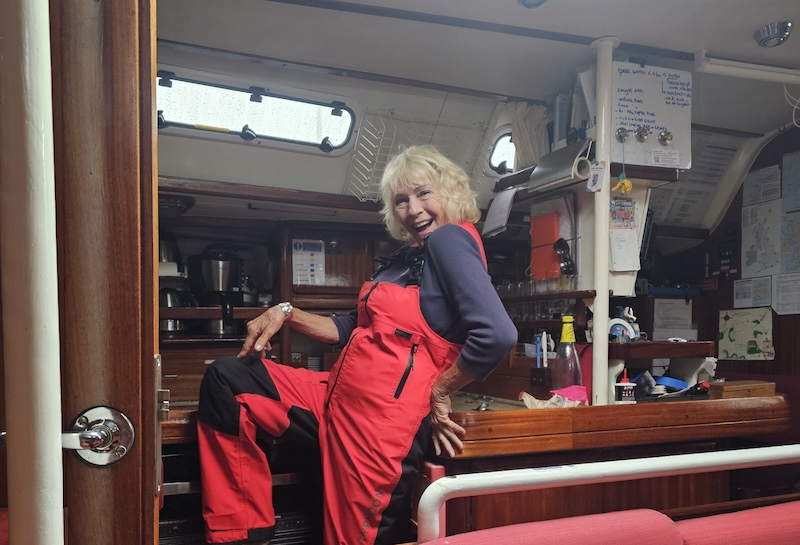
Sailagram: A Snapshot of March Sailing
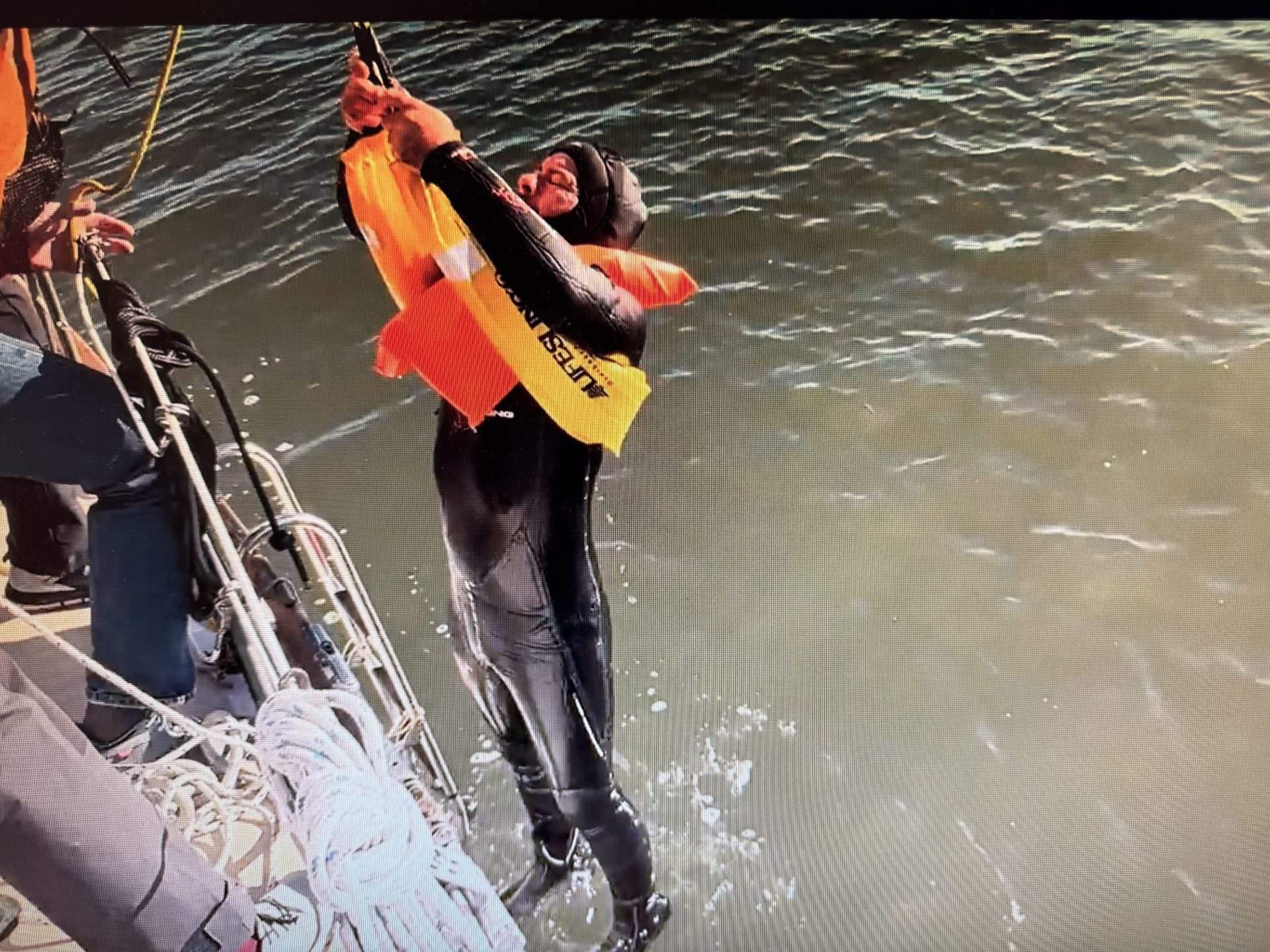
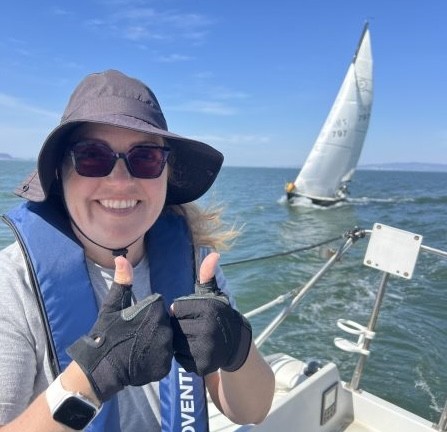
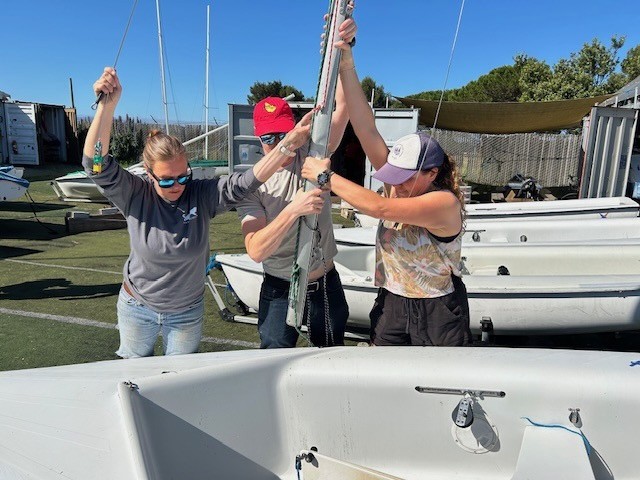
Welcome to this month’s Sailagram, where we share photos of West Coast sailors all over the coast and beyond.
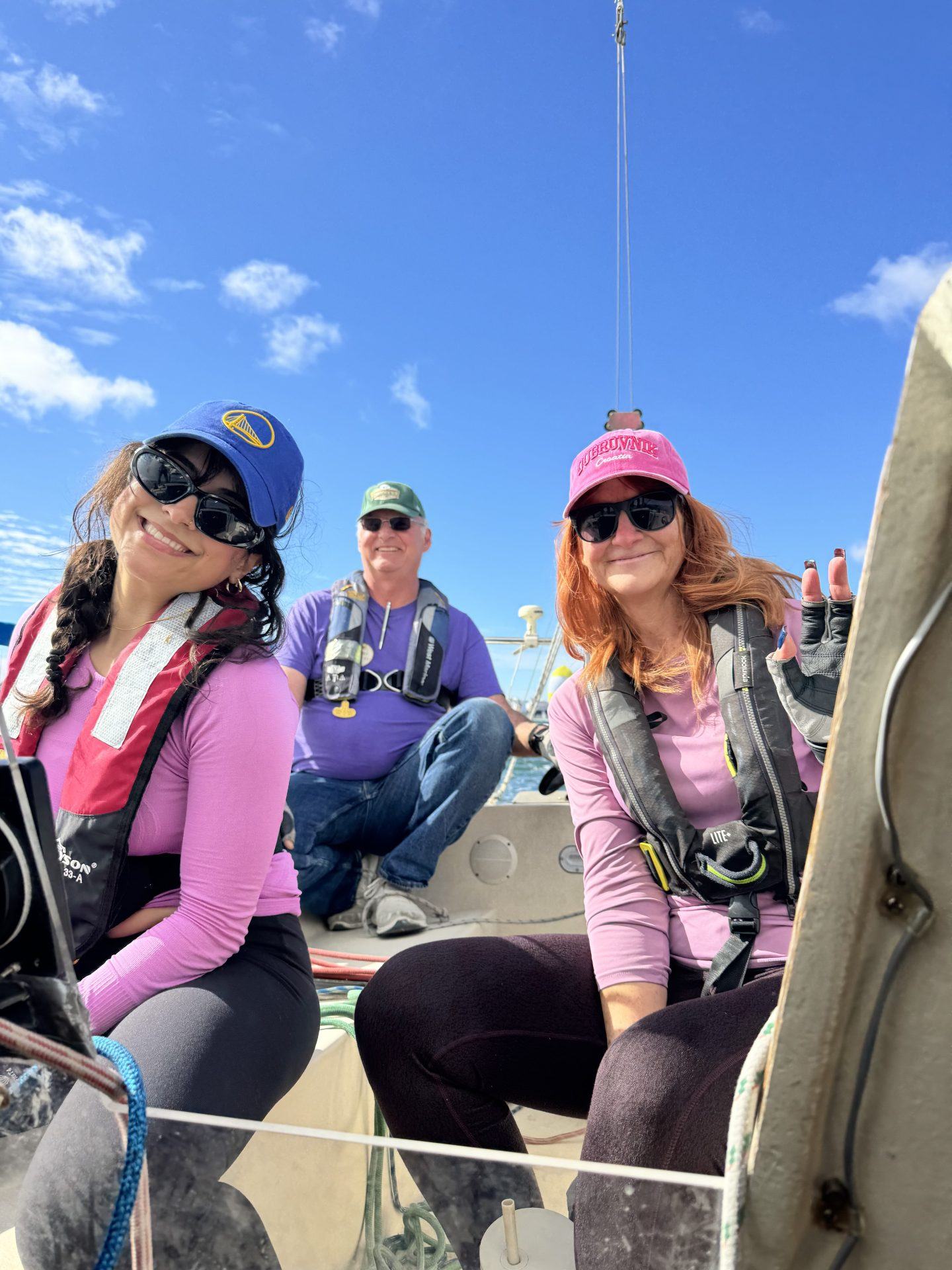
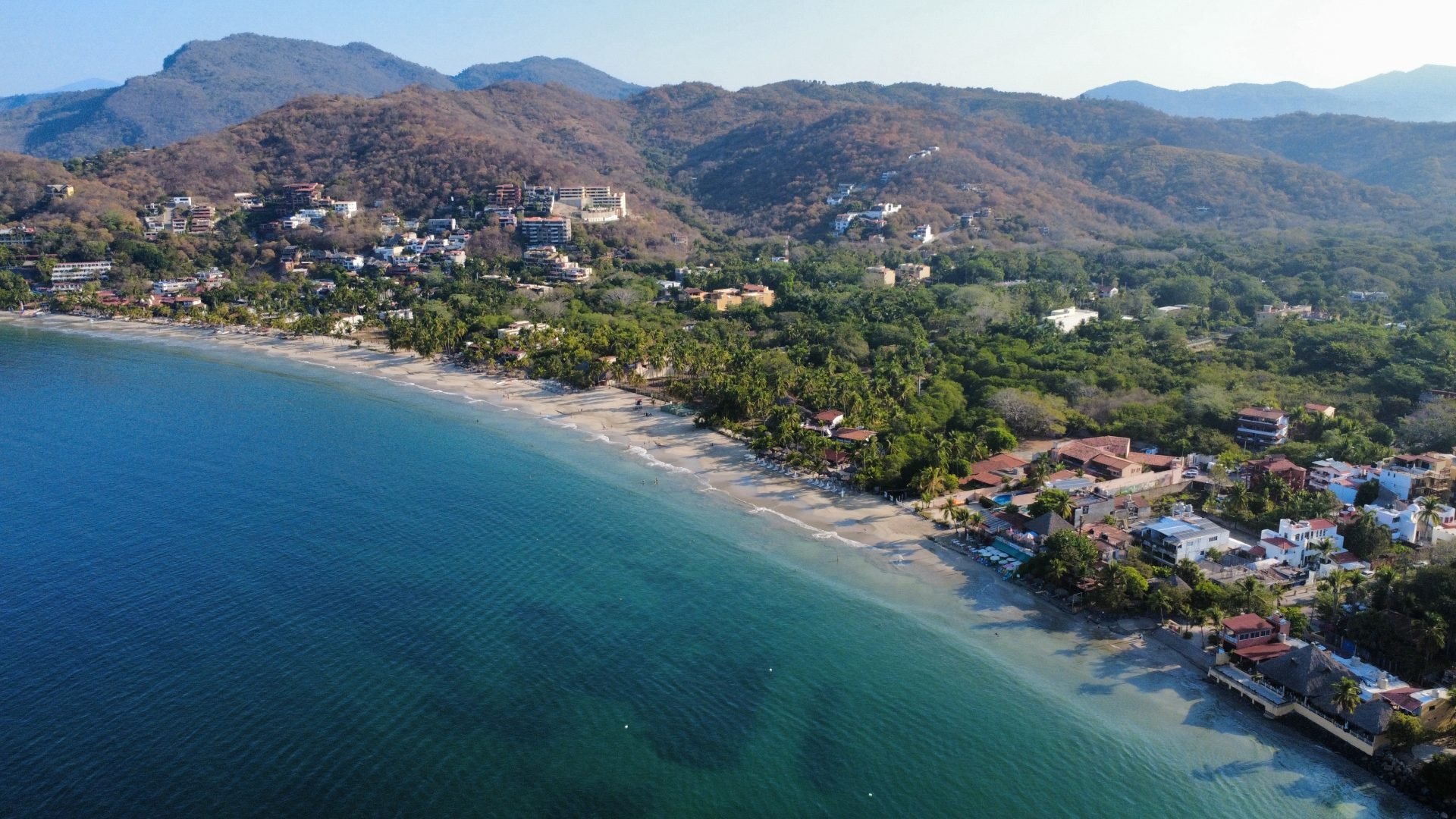
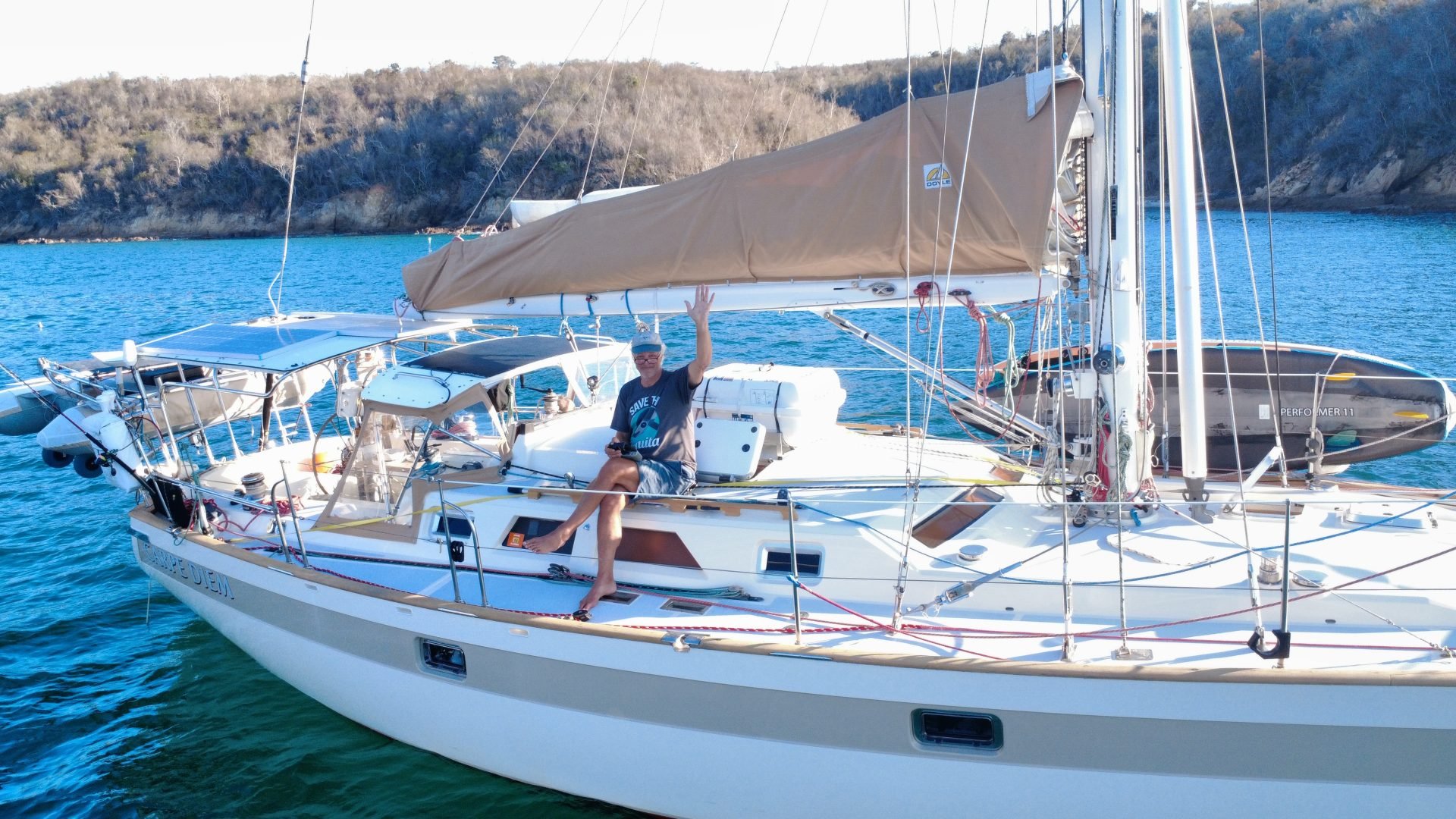
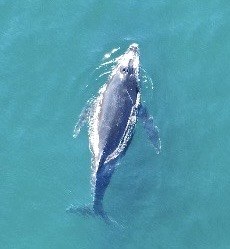
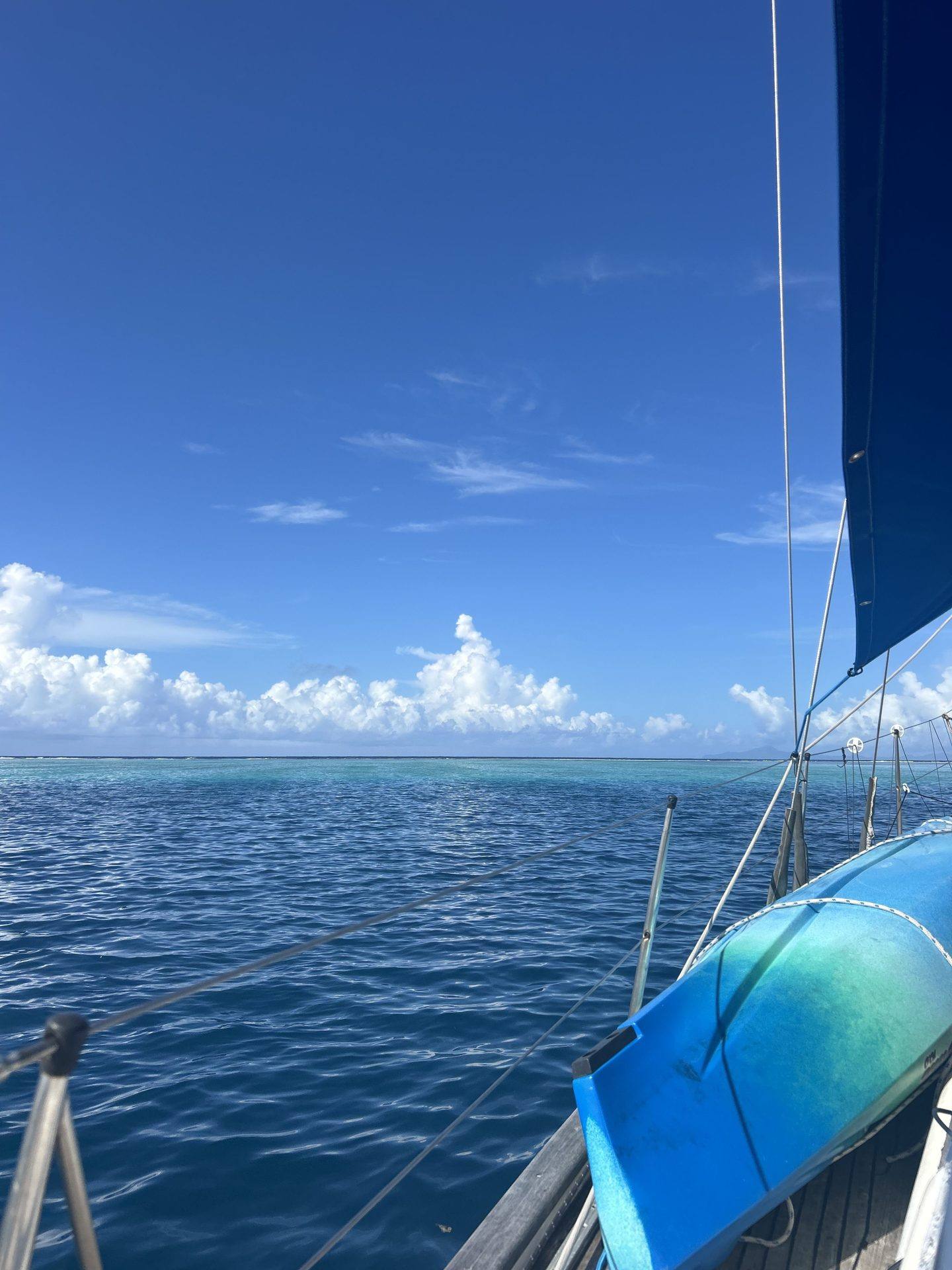
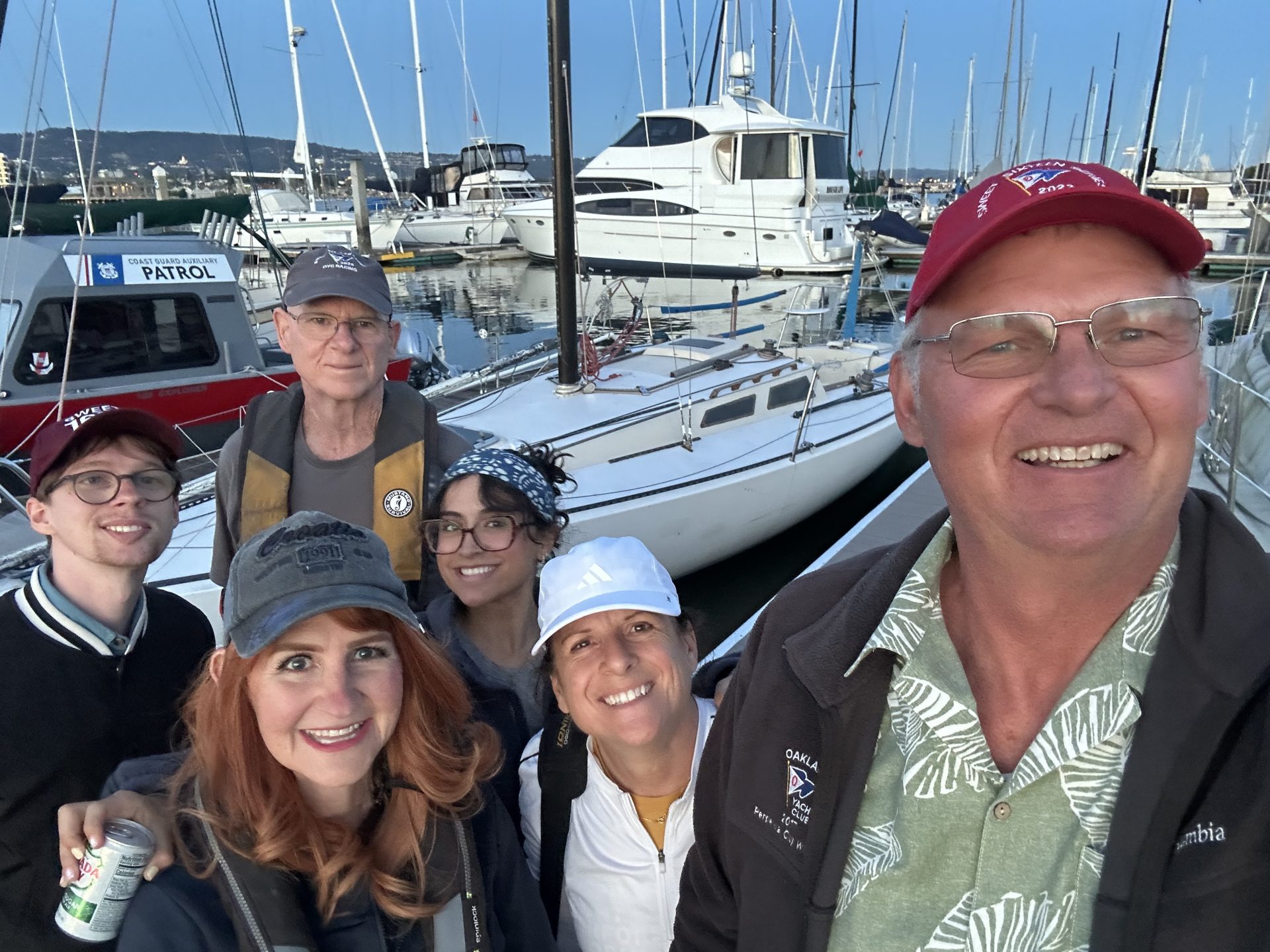
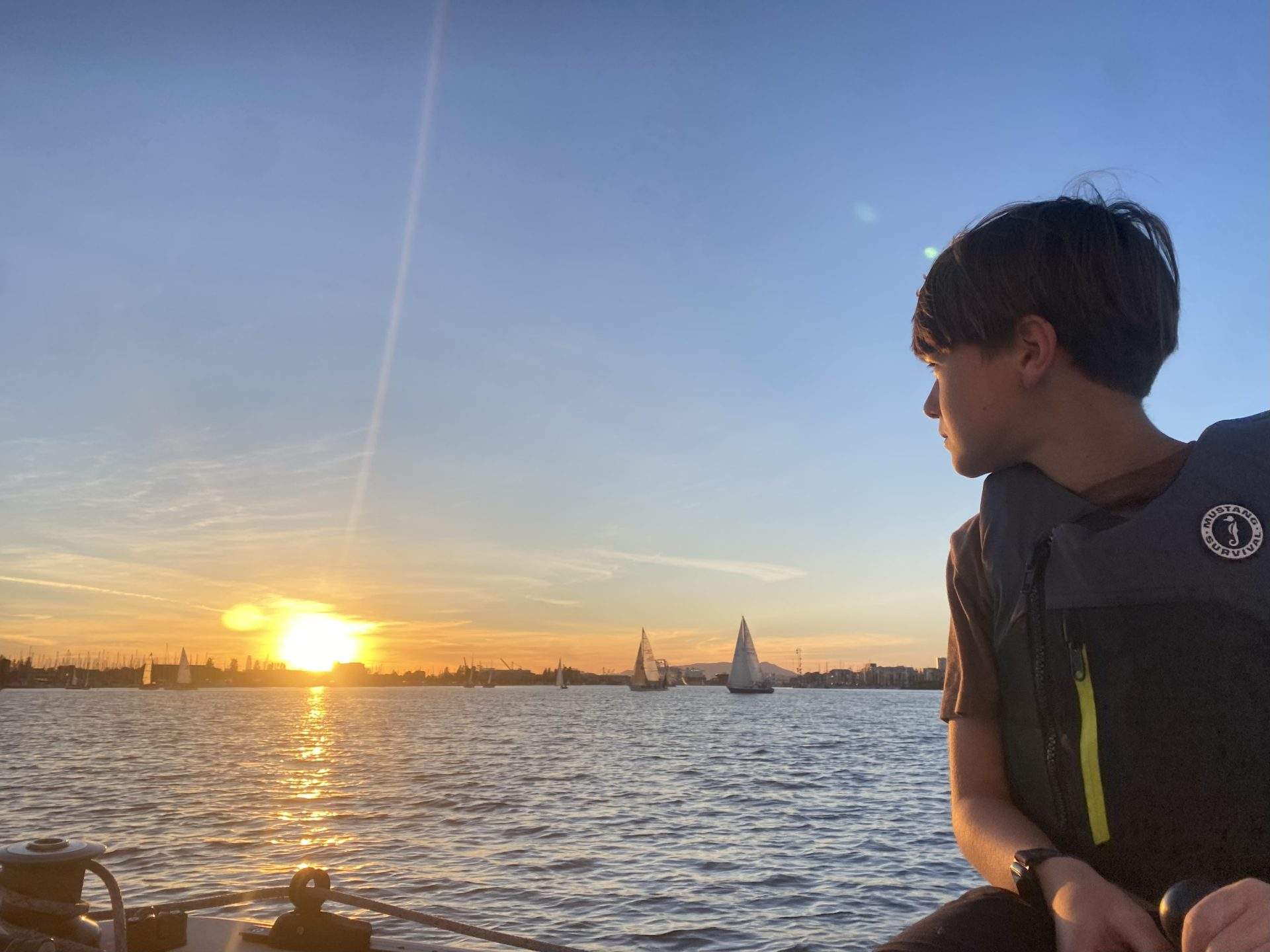
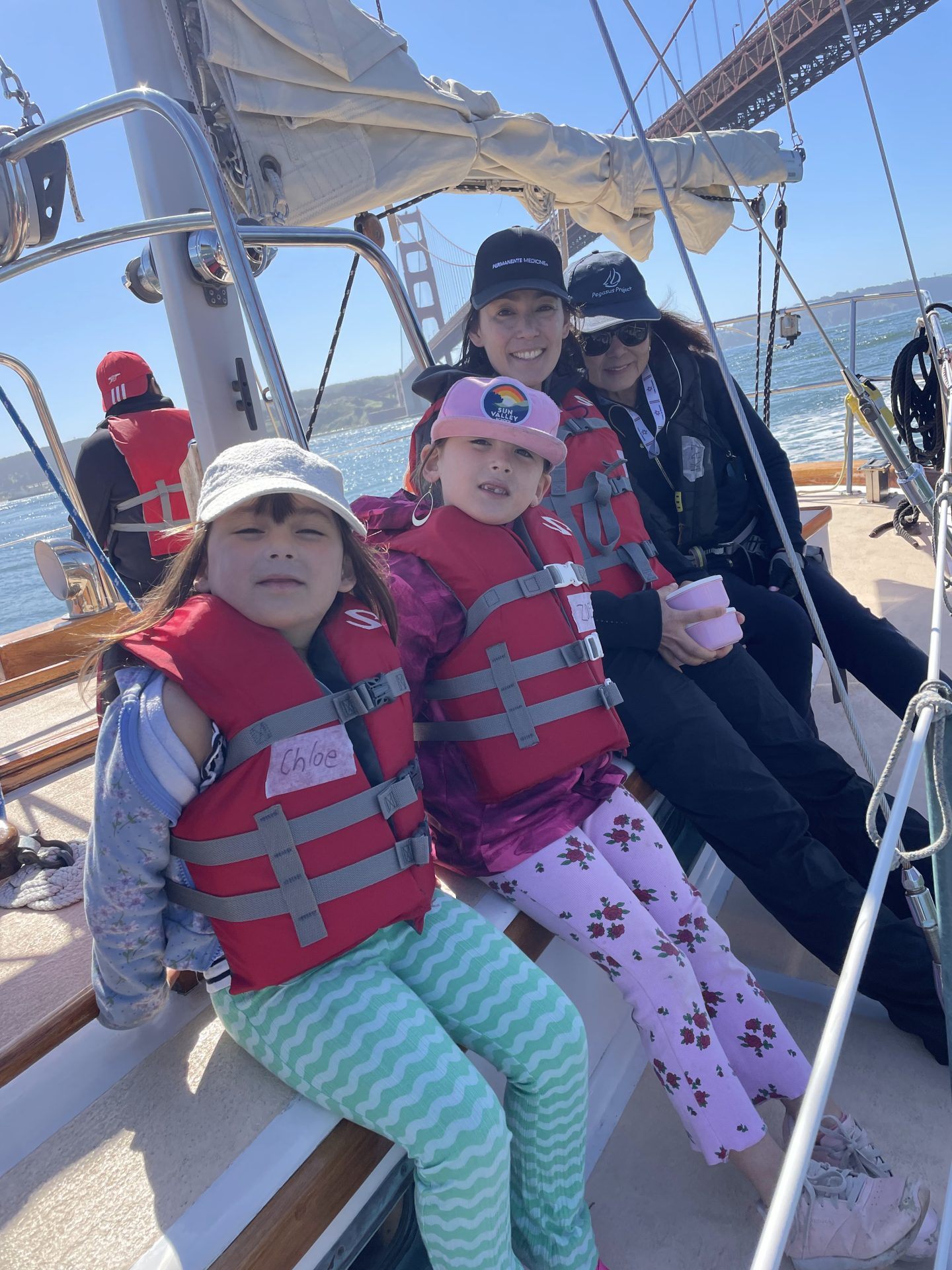
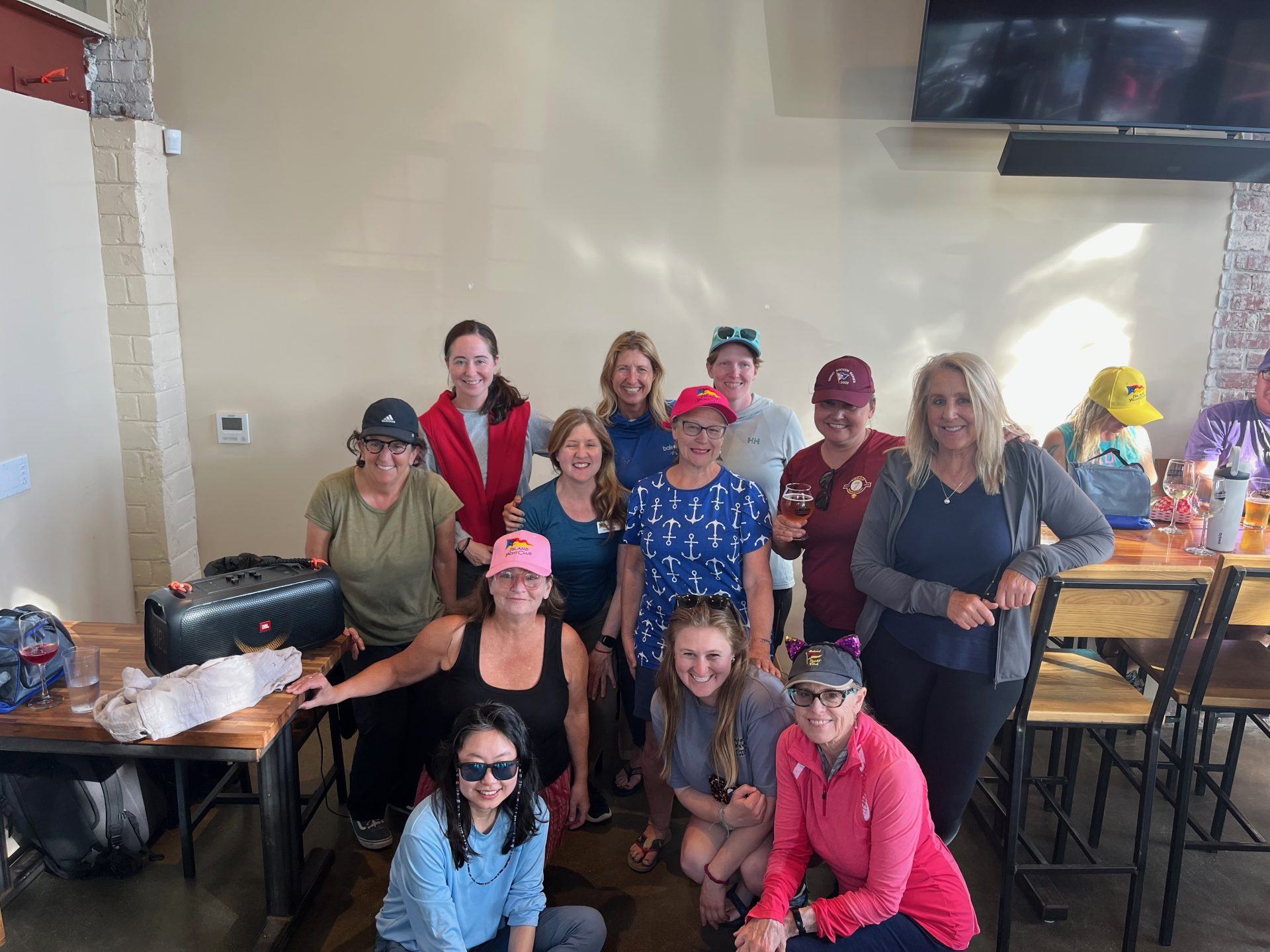
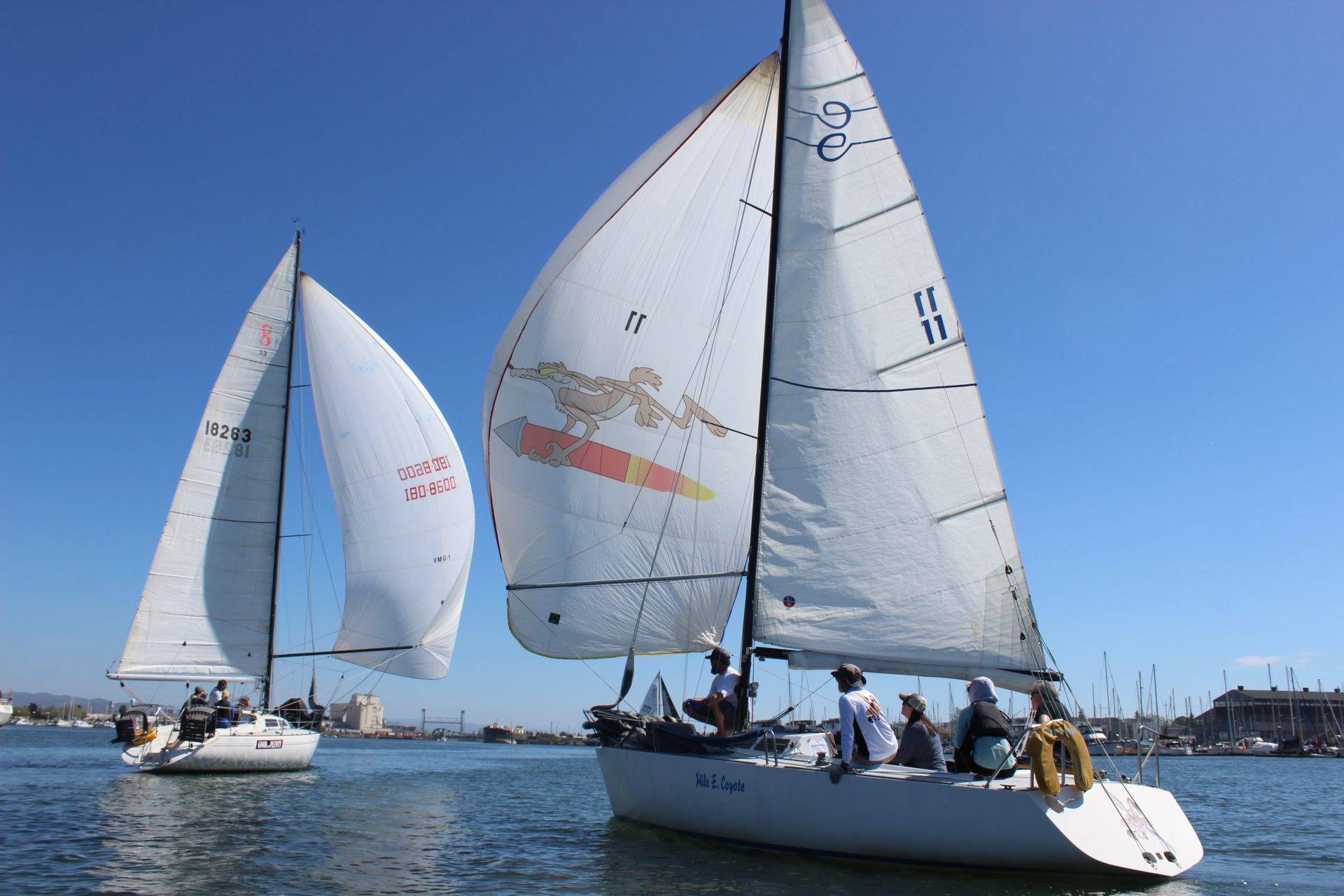
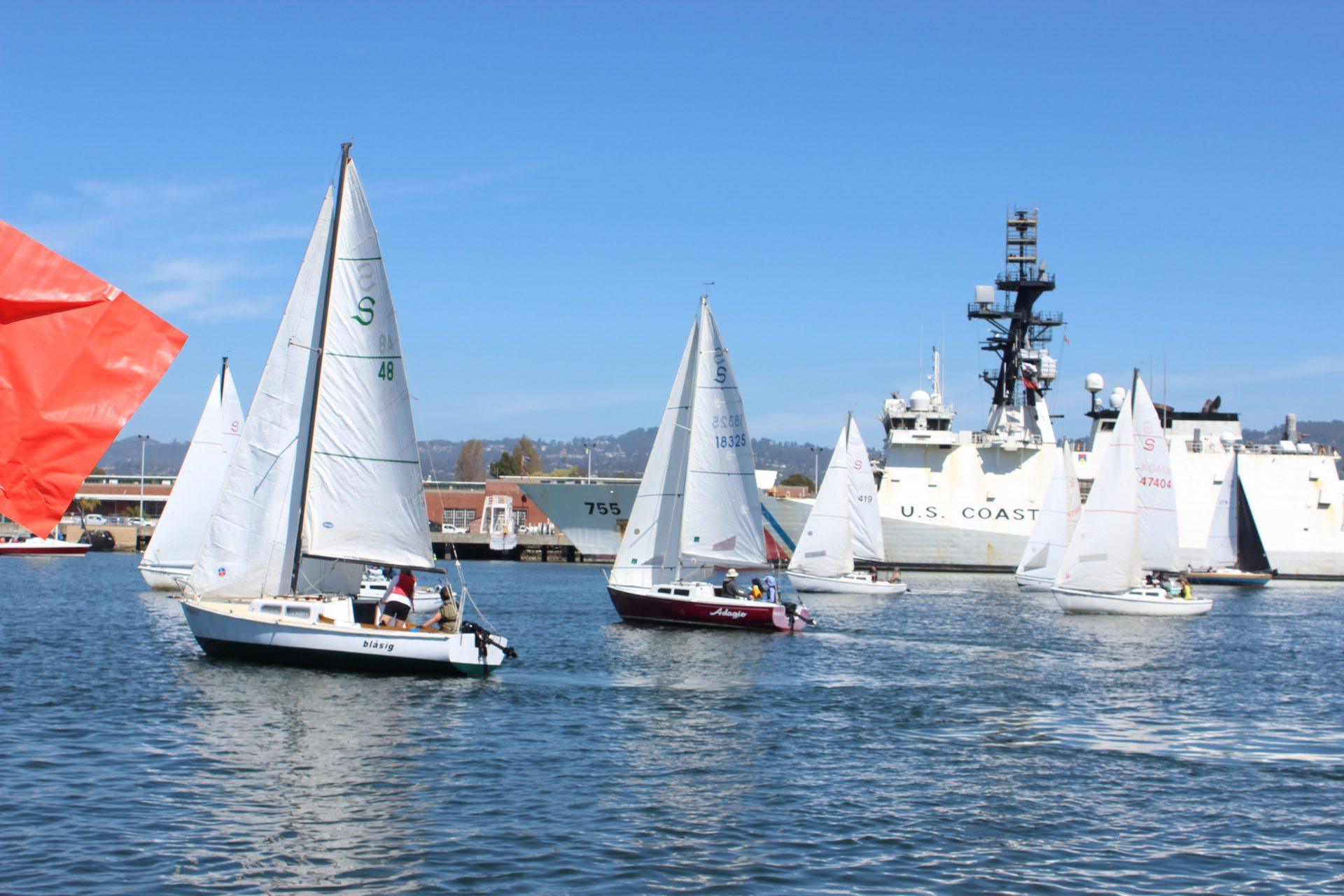
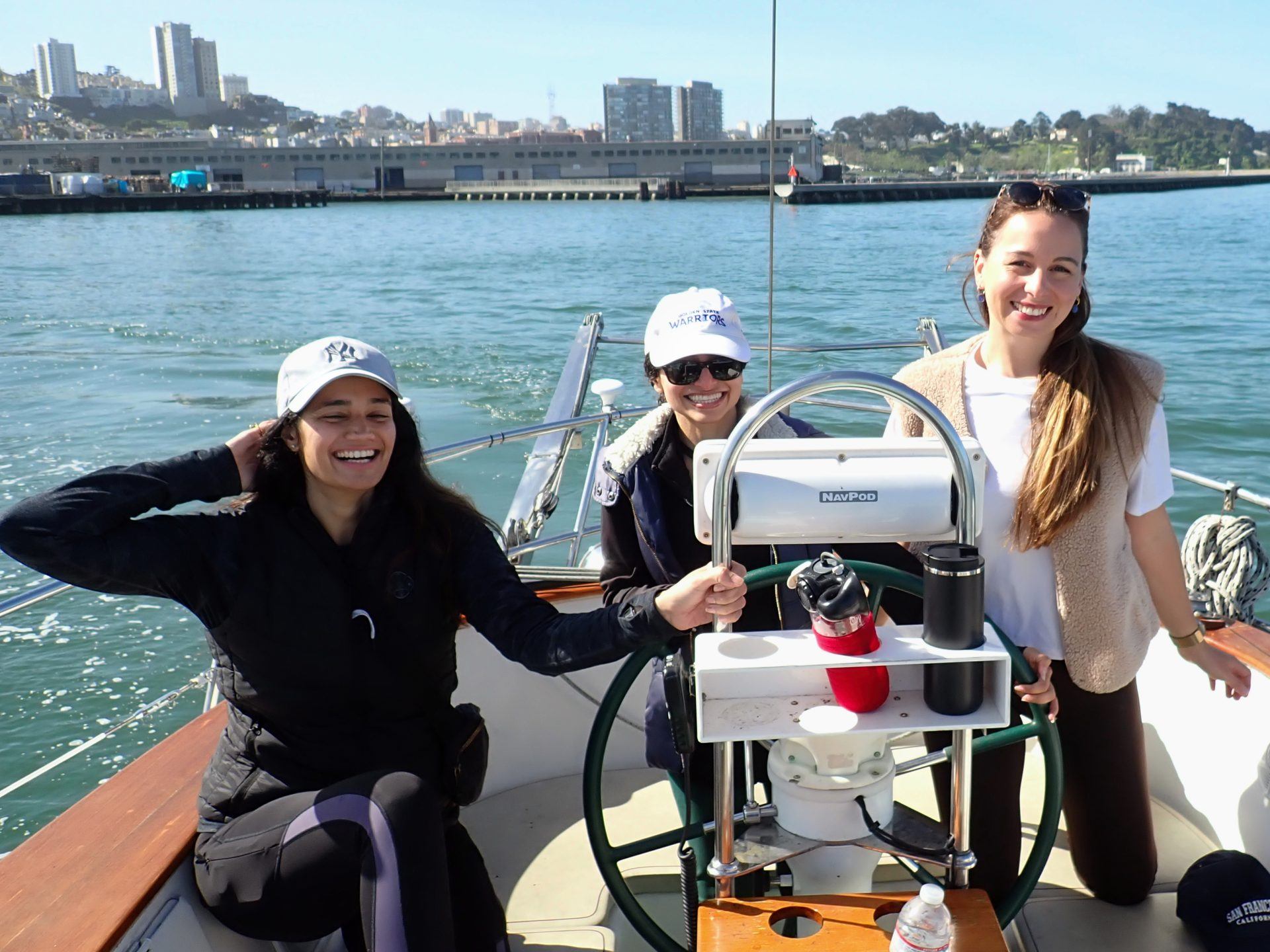
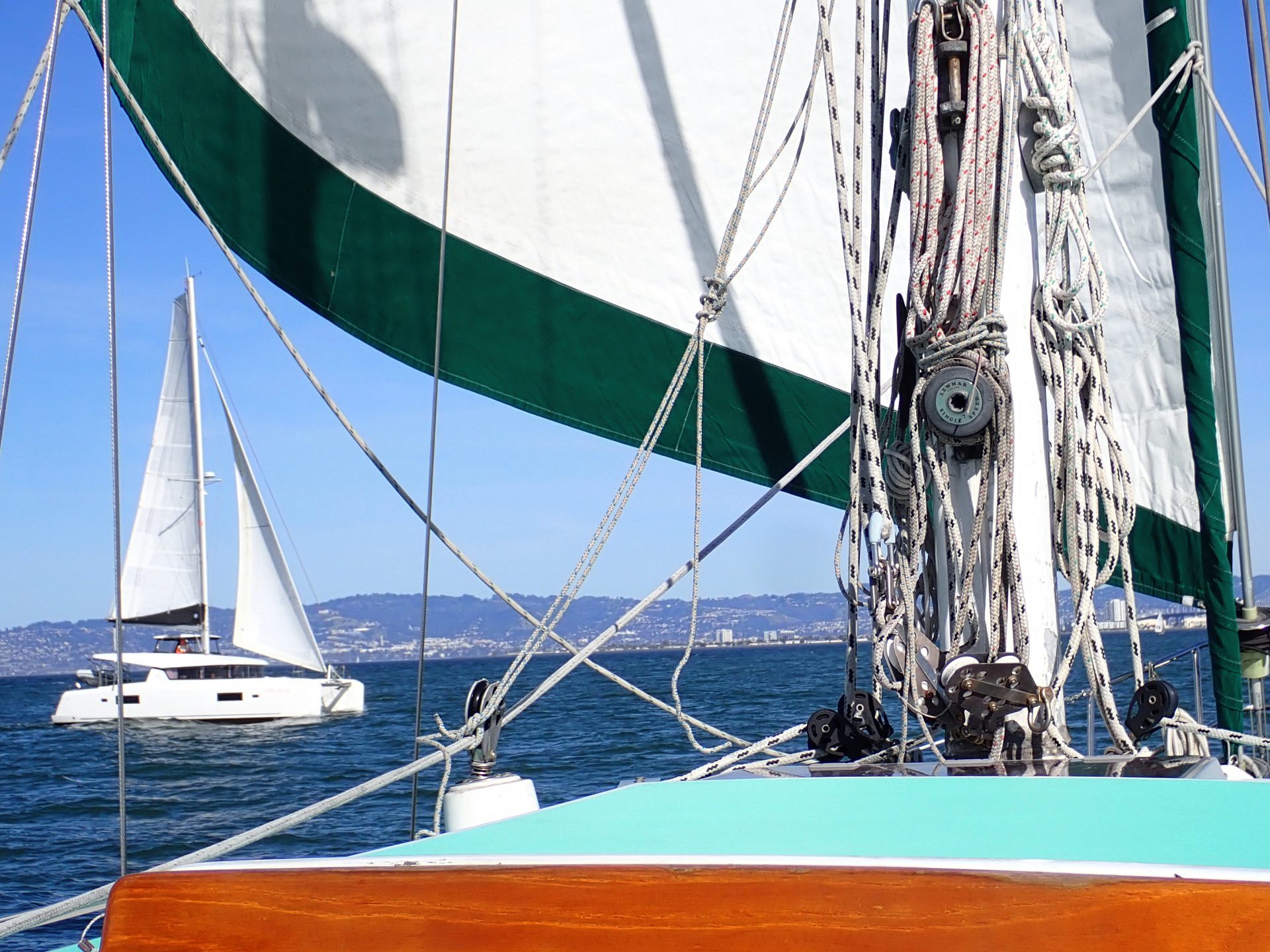
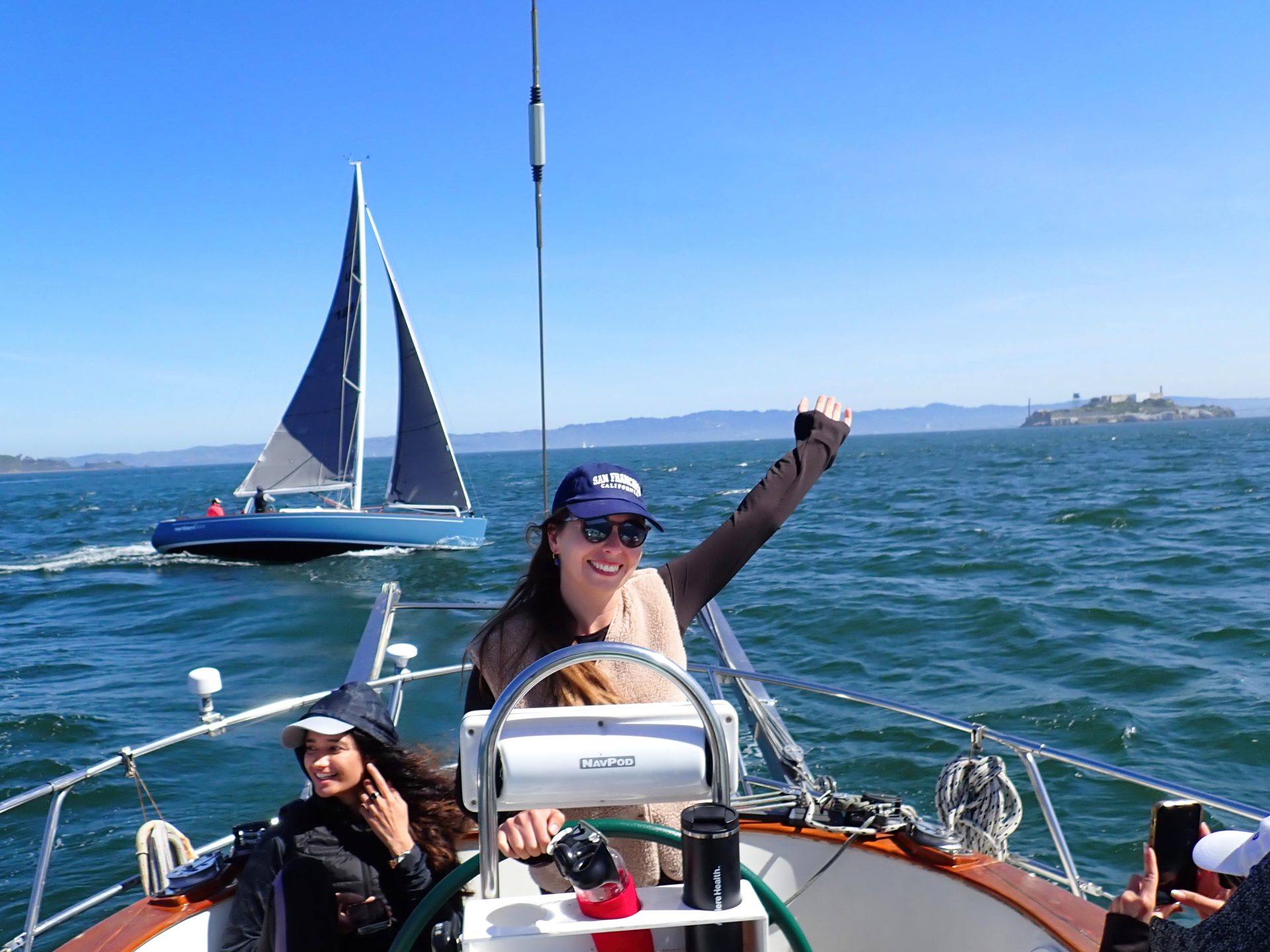
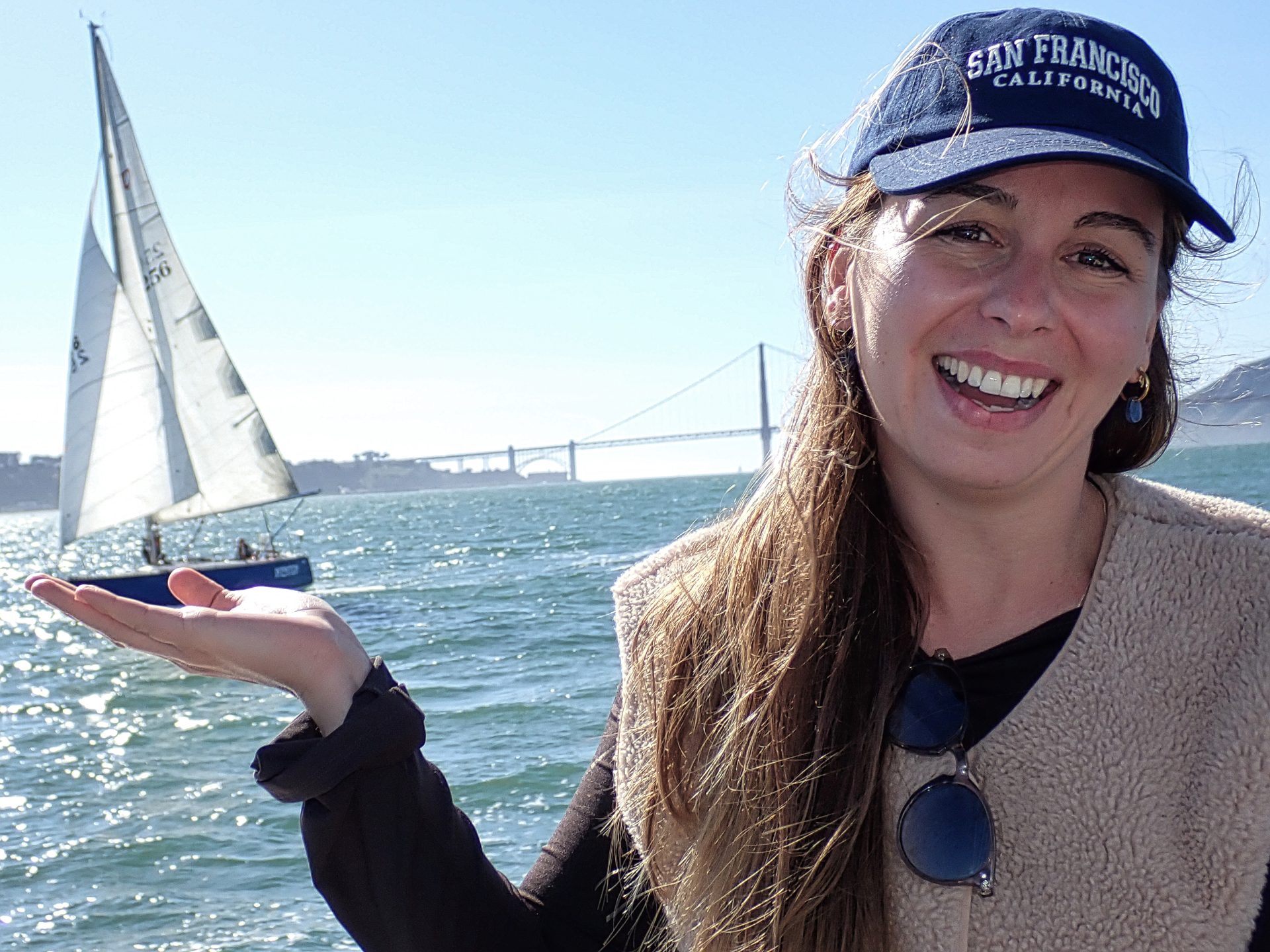
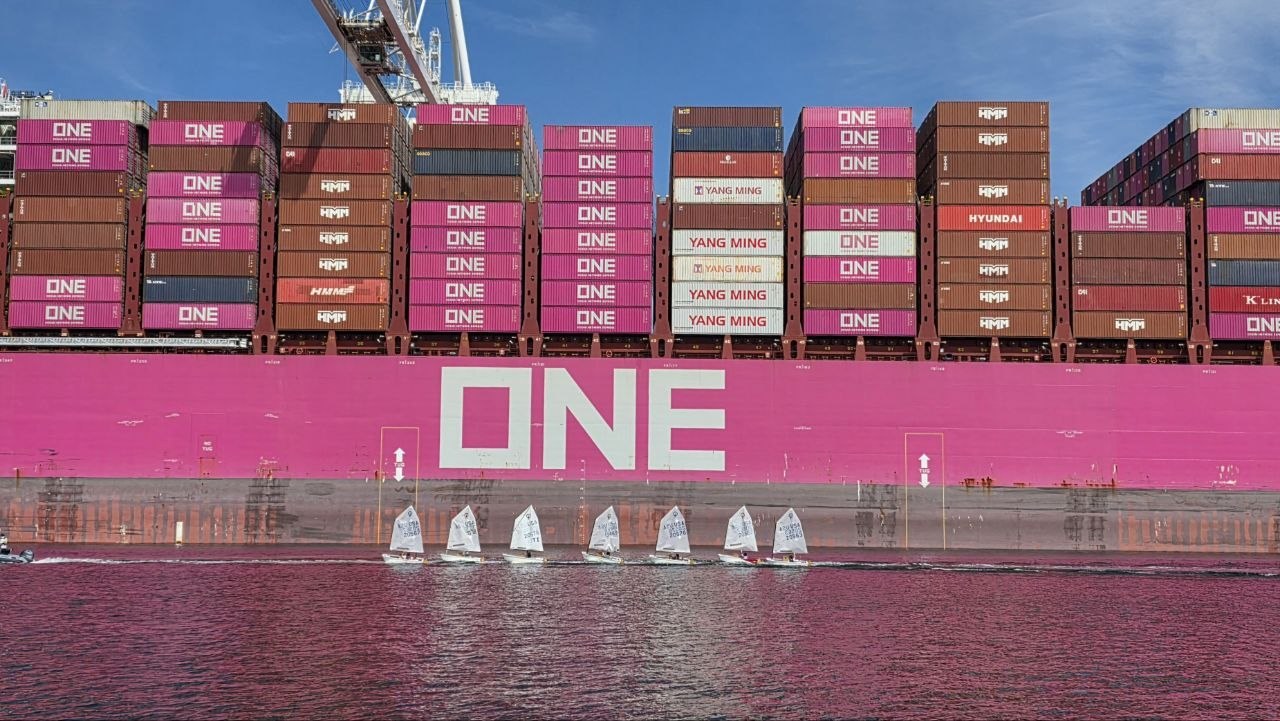
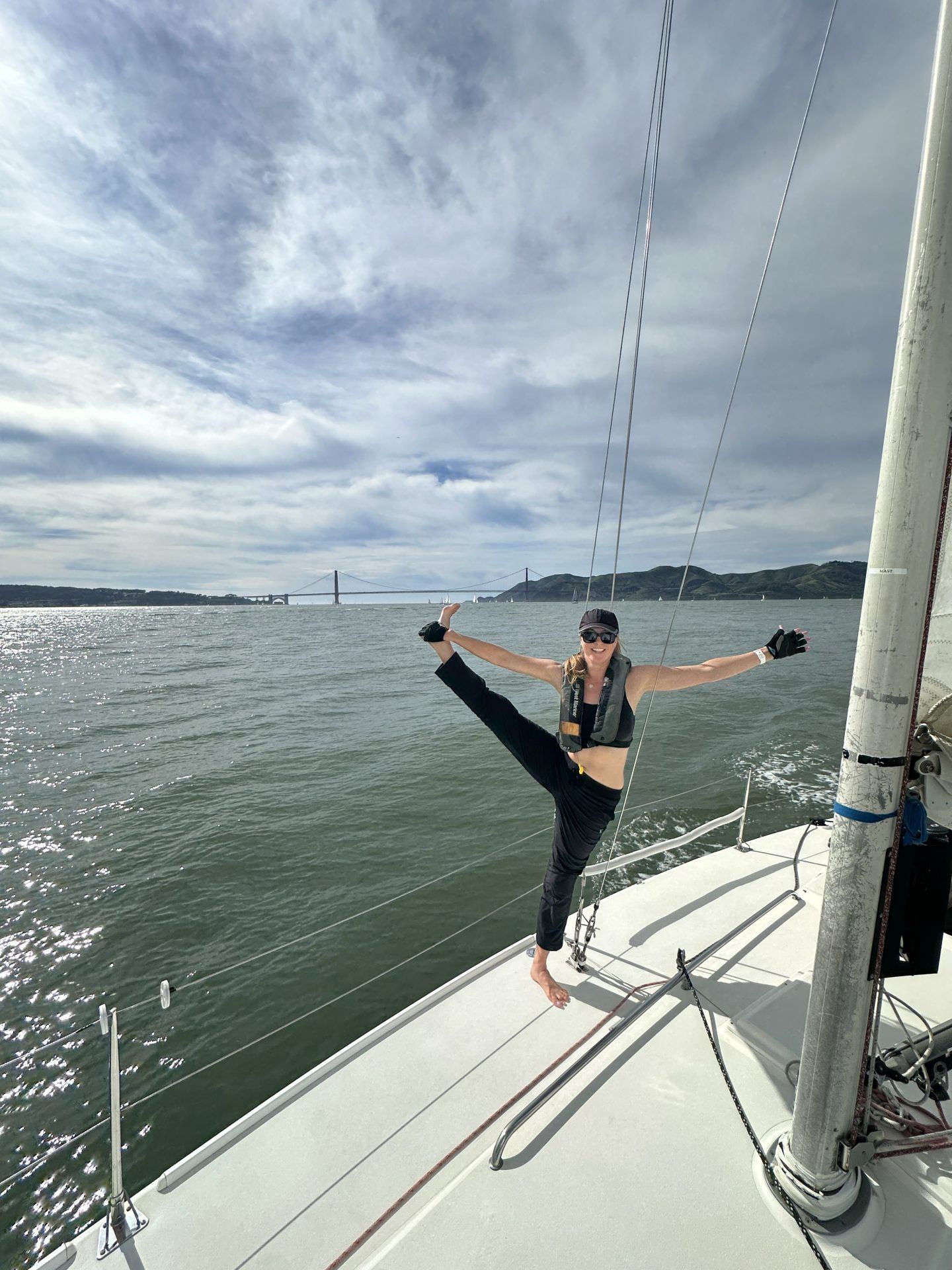
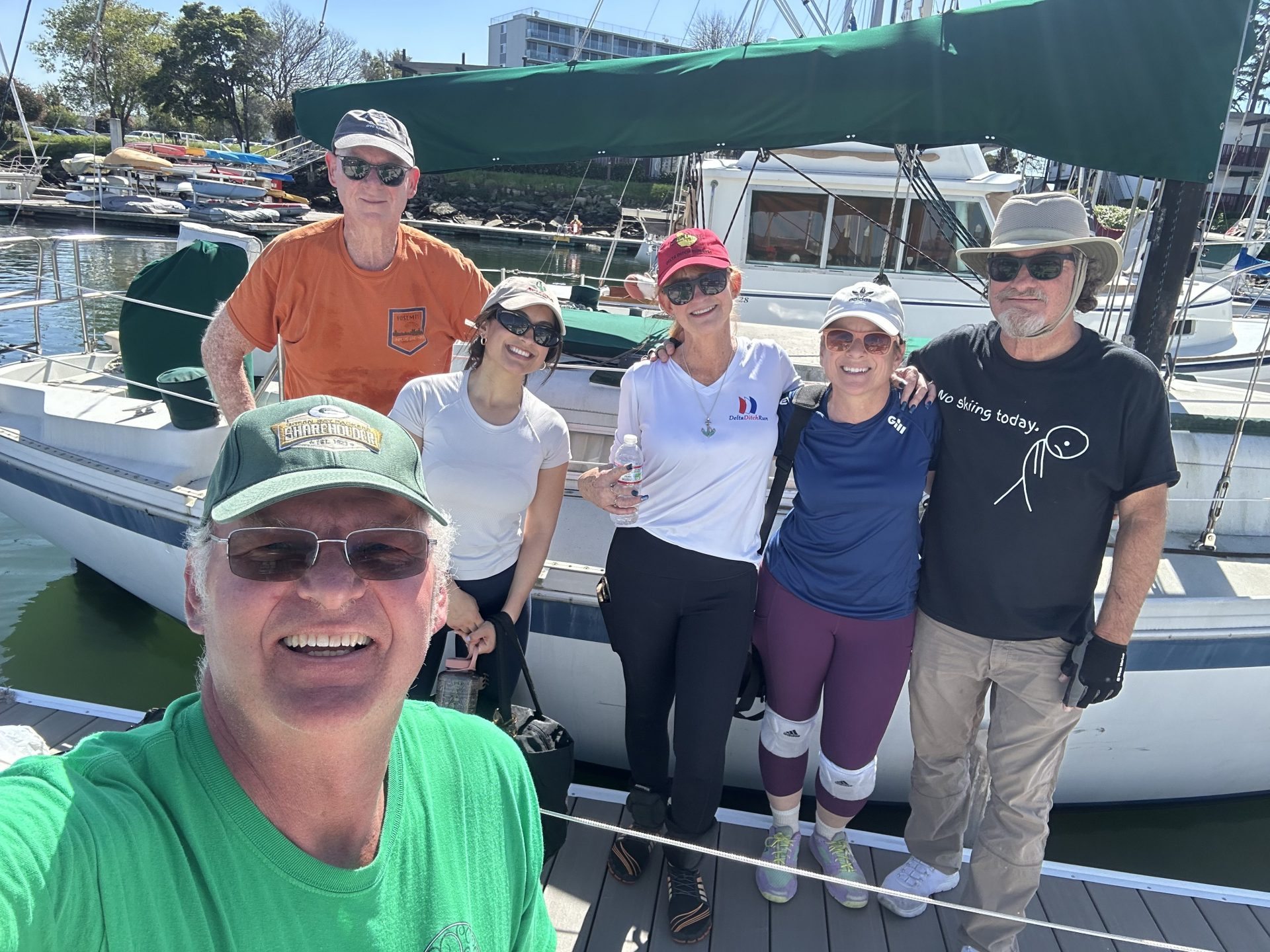

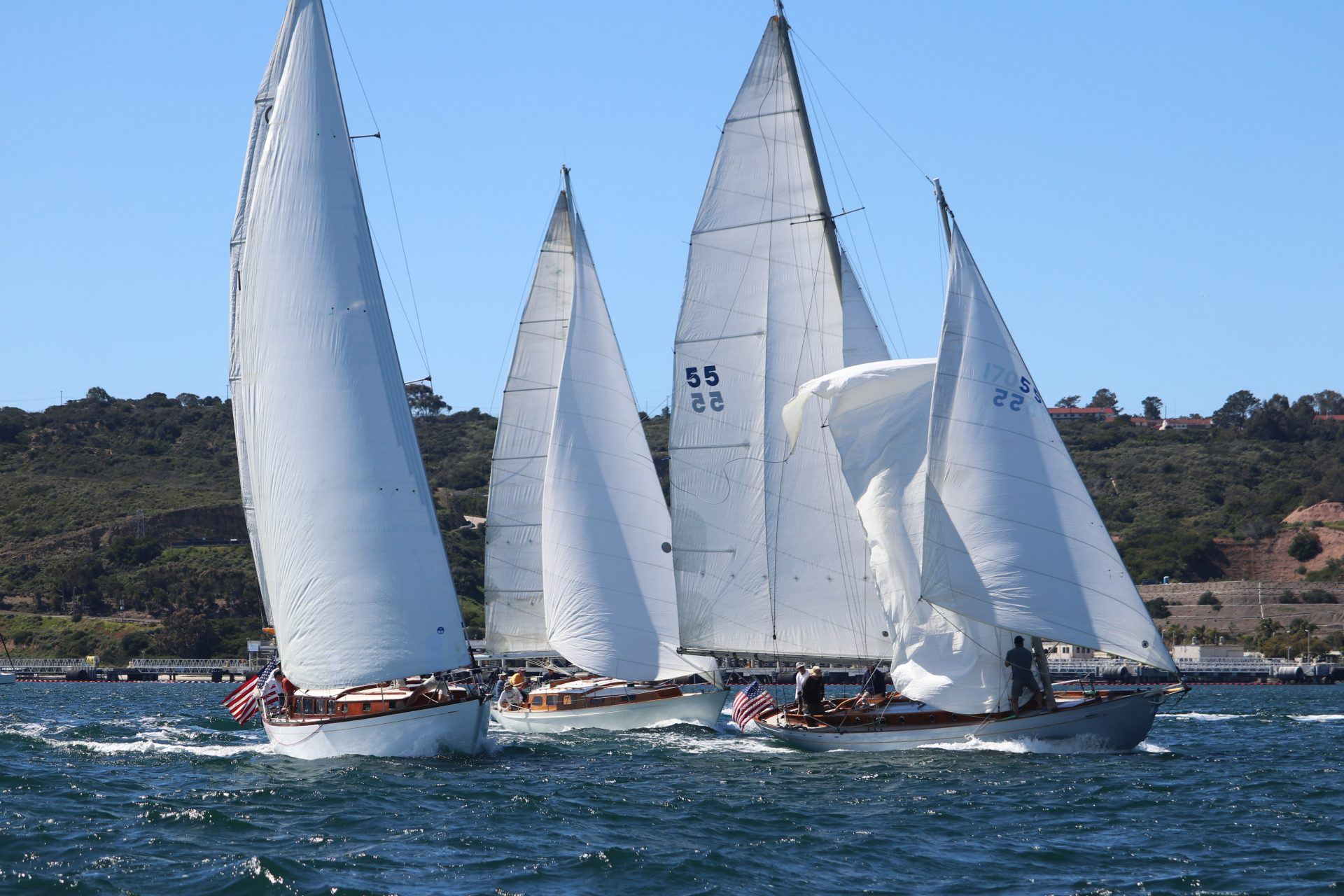
Upload your photos at Sailagram or email to us at [email protected].
Pumpout on the Go with the Pumpout Nav App
Boat sewage spreads disease, harms aquatic life & ruins water. Let’s put waste in its place. Get On Board with the Pumpout Nav app to find the nearest sewage pumpout, dump station, or floating restroom. Download it today at www.boatcalifornia.com/pumpout