

Will the SHIPS Act Revitalize Vallejo’s Maritime Industry?
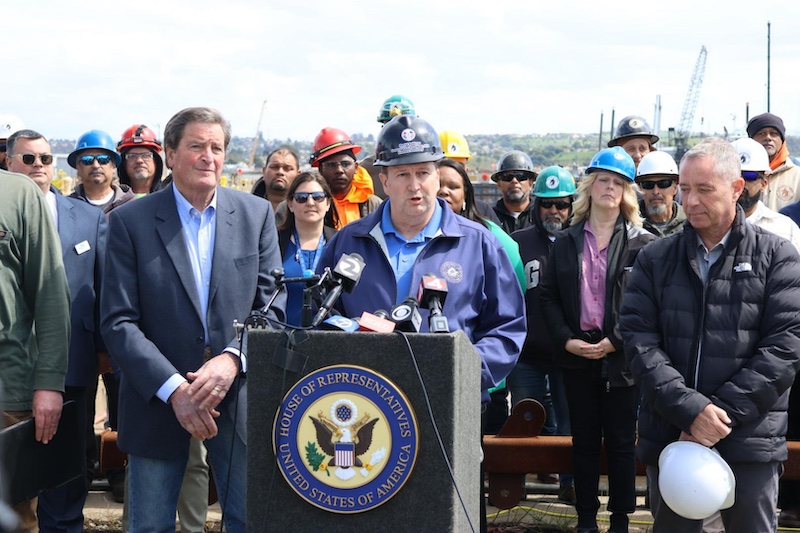
“I absolutely hope that it begins right here in Vallejo. Shipbuilding is in the DNA of our region,” Congressman John Garamendi said in an interview. Garamendi, whose district spans from Richmond to Fairfield, is sponsoring a bill that seeks to revitalize the nation’s maritime industry. Named the SHIPS for America Act (SHIPS Act), the bill will channel federal investment and oversight into the maritime sector.
“The SHIPS Act would revitalize the maritime industry in a variety of ways,” Garamendi said, primarily by investing in the maritime academies and financially stimulating the local shipbuilding industry. The stakes, he explains, are national. “We built five ships and they built 5000,” Garamendi said of China’s shipbuilding industry. “They are dominating the shipping industry and the national security issues associated with that.”
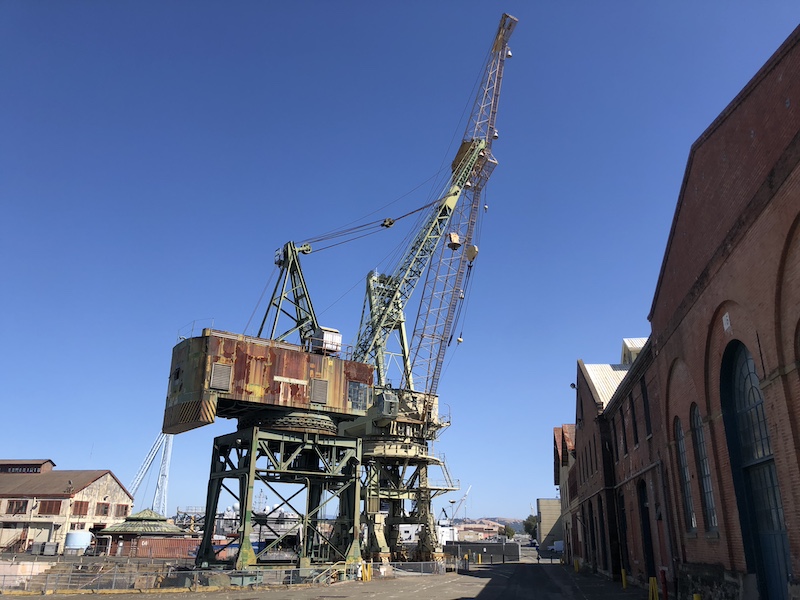
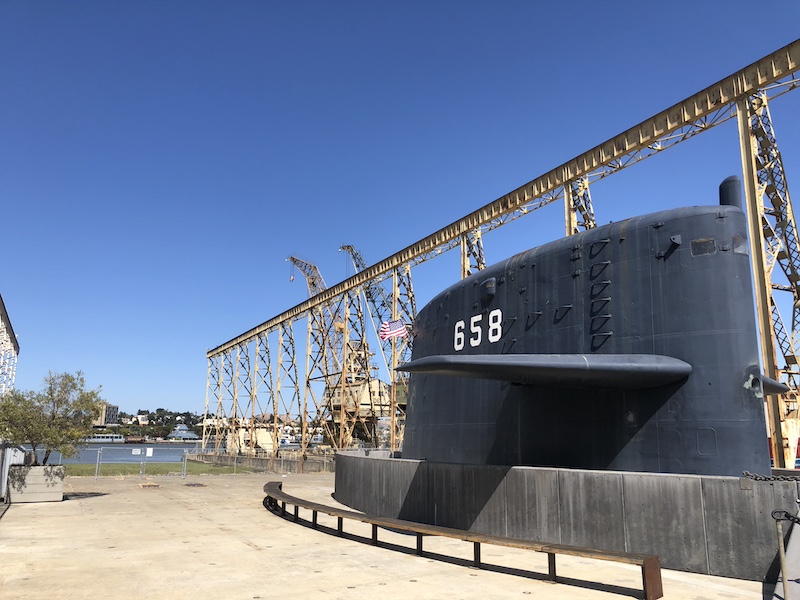
These concerns, and potential business, have garnered increased attention from local communities and big-money investors alike. One such player is the California Forever project, which recently purchased 50,000 acres near Rio Vista to build a new city and shipbuilding port. Vallejo and its leaders also feel they have a part to play, wondering how the maritime industry could return to Mare Island, which was the oldest shipyard on the West Coast before it closed in 1996.
“I support the SHIPS Act and I definitely see opportunity for us to grow our maritime industry,” Vallejo mayor Andrea Sorce said in an interview. “We are in active conversations to ensure that we make the best of the opportunities presented by this legislation.” Garamendi wants shipbuilding to come back to his district: “I think the people of Vallejo have the knowledge, the desire, and the spirit to begin addressing these problems,” he said. Shipbuilding, however, is “the one element that takes the most time, that’s going to be the most critical,” he explained. The more addressable half “are the mariners themselves.”
When asked how the development of shipbuilding and Cal Maritime would work together, Garamendi answered, “That’s easy: Mare Island builds the ships, Cal Maritime trains the mariners to crew them.”
California State Maritime University, located in Vallejo, is one of seven US merchant marine academies and the only one on the West Coast. A new training vessel, the Golden State, is expected to arrive at Cal Maritime in 2027. Provided by the US Maritime Administration, it will double the academy’s licensing capacity. A $126 million pier and upgraded electrical system are planned to accommodate it.
In an interview with Cal Maritime dean of engineering Dr. Dinesh Pinisetty, the dean said he hopes to increase the merchant mariner licensing program from its current 600 to a potential 1000 cadets.
Garamendi has said the SHIPS Act will provide funding for those educational programs. In exchange, the congressman specifically wants Cal Maritime to expand its local recruitment efforts. He believes it could be achieved if only people knew of the opportunities that the university offers, telling Cal Maritime to “put them on a bus!”
According to Dr. Pinisetty, 80 percent of cadets are male, and most come from Southern California. All the while, admissions have been diminishing, even before the COVID pandemic hit. Between the infrastructure on Mare Island and the well-trained Cal Maritime workforce, “It would be an ideal marriage,” Pinisetty said. “We can change the culture, change the economy of Vallejo, if we can bring shipbuilding back.”
While there is no expectation that shipbuilding on Mare Island will return to the former glory of its Navy days, advancements in technology and manufacturing processes could open doors for new industries.
“China has doubled their infrastructure significantly, where they can build a ship in a few months. If we are trying to compete with someone who is, like, 40 years ahead of us, we need to rely on technology and use it very strategically,” Pinisetty said. The future of shipbuilding is likely to be modular, he explains, with parts being built all over the world and assembled in large ports. Mare Island could be one such constructor, supported by Cal Maritime’s workforce.
Regardless, investment in infrastructure and industry would be required, hinging on Congress’s approval and local leaders’ support. The stakes are national, but the opportunity is local.