

Is Your Anode Aluminum or Zinc?
A recent issue of International Boating Industry reminded us of the important difference it makes to have your zinc anode replaced with an aluminum anode. Zinc is the metal used by your diver when he replaces the sacrificial anode on your prop shaft. The result of using zinc instead of aluminum is high concentrations of toxic zinc in marinas — the toxin cadmium can be detected as an impurity in zinc. Cadmium is harmful to humans, and to marine life. The EPA website says it causes “adverse effects on growth, reproduction, immune and endocrine systems, development, and behavior in aquatic organisms.”

The good news is there’s an easy, less toxic replacement. According to IBI, aluminum will do a better job than zinc, it can cost less, and it also weighs less for easier handling and shipping as well as reduced weight aboard. They also claim aluminum lasts up to 50% longer than zinc.
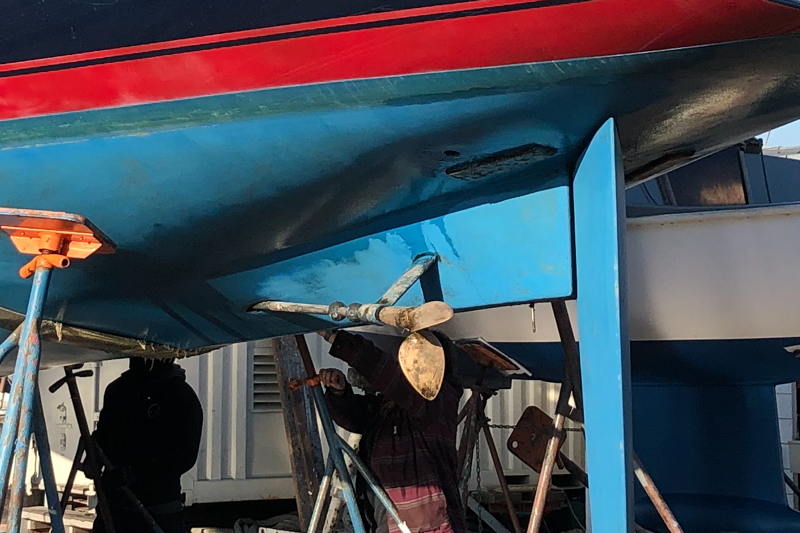
Next time your diver or boatyard says you need new zincs, you can call them by their proper name, anodes, and ask them to make sure your new anodes are aluminum.
Indeed I got that same recommendation a couple of years ago, switched to aluminum, and have seen great performance — plus the satisfaction of not contributing more to water pollution! I also switched the antifouling to be non-toxic silicone (Hempel) and that, too, has worked out really well.
I’ve always heard aluminum zincs should only be used in fresh water and not for salt water applications. Has anything changed?
A quick google shows that aluminum anodes do indeed work in salt water.
I assume that an anode made of aluminum will not protect a sail drive made of the same aluminum.