

Episode #252: Captain Maggie Hallahan, Wrenn Holloway, and Pismono Mata-Lee on Gashouse Cove, With Host John Arndt
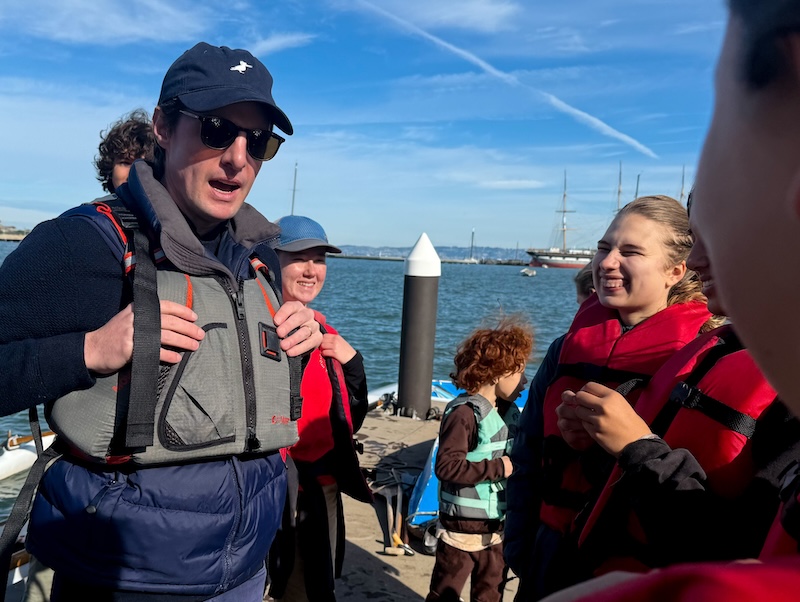
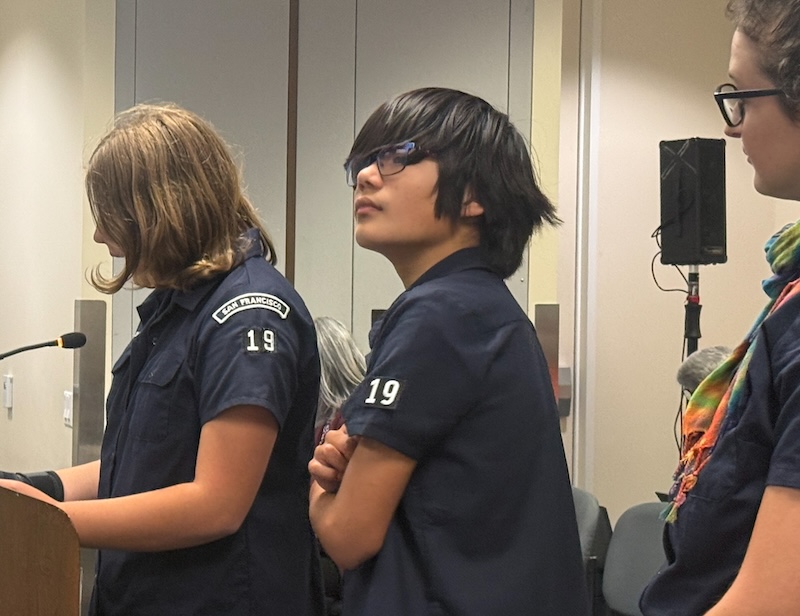
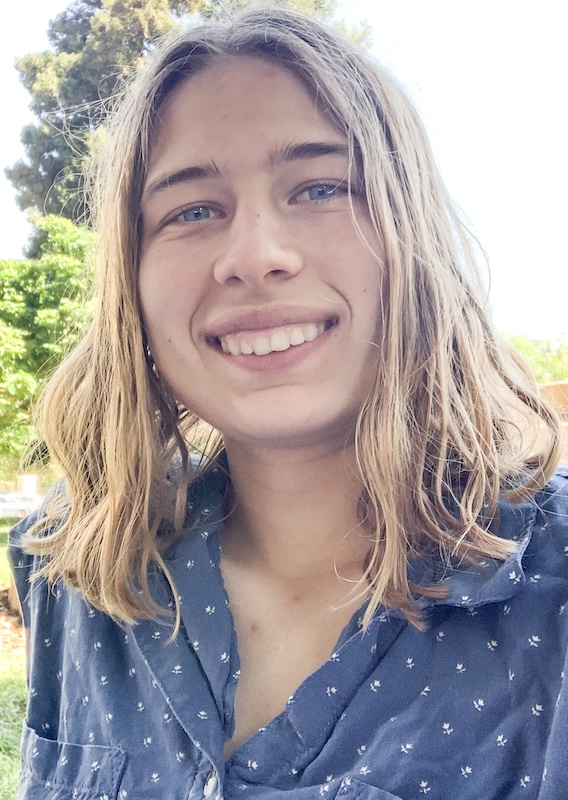
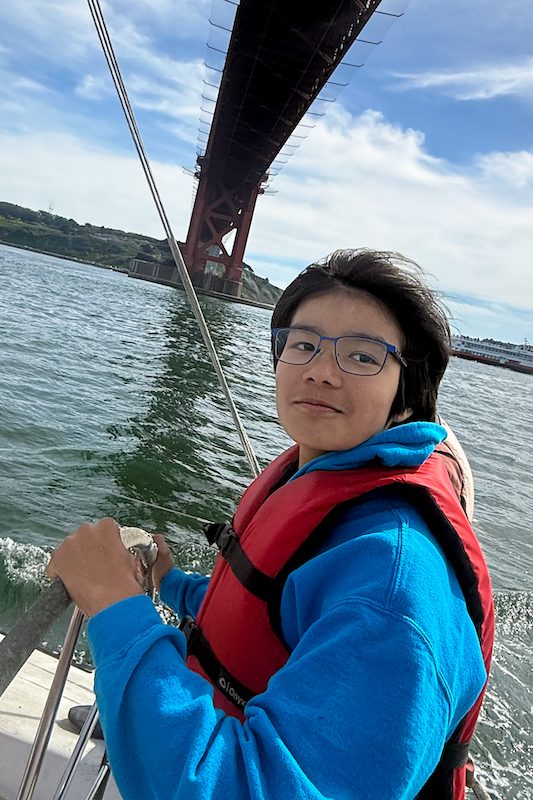
This week we chat with Captain Maggie Hallahan, Wrenn Holloway, and Pismono Mata-Lee of the San Francisco Sea Scouts about what’s going on at Gashouse Cove. The team is fighting to keep the city’s last remaining marine fuel dock for recreational use by the boating community.
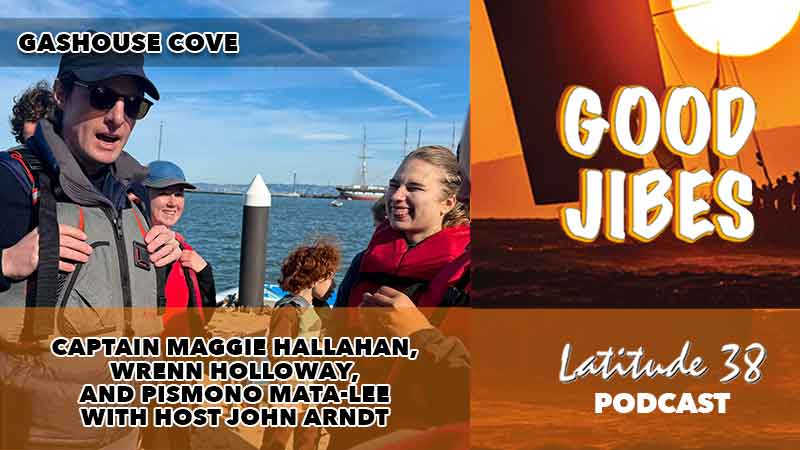
Tune in as the trio chat with Good Jibes host John Arndt about how they’re testifying to city officials, why you should consider becoming a Sea Scout, the fun trips and experiences the Sea Scouts offer, and how we can preserve access to the Bay.
Here’s a small sample of what you will hear in this episode:
- What’s at stake at Gashouse Cove, and what a toxic cleanup and a permit from 19 years ago have to do with it
- What the Sea Scouts have been doing to fight for access
- Whale reporting protocol — the Whale Alert app and why the ships often don’t slow down anyway
- About the couple who sailed around the world from this same dock on a 24-foot plywood trimaran in 1976
- Upcoming two-week summer cruise with 40 kids sleeping on the wooden floor of a 30-foot whaleboat all the way up the Delta to Stockton
Listen to the episode on Apple Podcasts, Spotify, and your other favorite podcast spots – follow and leave a 5-star review if you’re feeling the Good Jibes!
Learn more at MHPV.net and here: “The Fight To Save Gashouse Cove Fuel Dock”
Check out the episode and show notes below for much more detail.
Show Notes
- Captain Maggie Hallahan, Wrenn Holloway, and Pismono Mata-Lee on Gashouse Cove, with Host John Arndt
- [0:14] Welcome to Good Jibes with Latitude 38
- [0:54] Welcome aboard Wrenn Holloway and Mono Mata-Lee, Sea Scouts from SSS Viking, and Captain Maggie Hallahan, Sea Scout leader and Gashouse Cove advocate
- [2:43] How Wrenn and Mono got into Sea Scouts
- [5:07] What’s at stake at Gashouse Cove, and what a toxic cleanup, and a permit from 19 years ago have to do with it
- [9:02] The last public fuel dock in San Francisco is used by police, sheriff, and fire department, but is off-limits for touch-and-go landings by anyone who doesn’t own a slip
- [13:41] What the Sea Scouts have been doing to fight for access
- [15:54] Would you like to sponsor Latitude 38? Email us to learn more!
- What The Sea Scouts Need
- [16:21] BCDC permit decision expected November or December, fuel dock closure targeted for January 2027
- [19:08] What San Francisco Parks & Rec actually wants to build
- [21:25] The Sea Scouts need a CEQA lawyer, more volunteers, and community pressure to force a new environmental impact report
- [24:45] Upcoming two-week summer cruise with 40 kids sleeping on the wooden floor of a 30-foot whaleboat all the way up the Delta to Stockton
- [28:11] SSS Viking wins the national Sea Scout flagship award
- [30:32] Check out our Classy Classifieds at Latitude38.com
- Fun with the Sea Scouts
- [33:42] Wrenn wants to race to Hawaii someday,
- [34:10] About the couple who sailed around the world from this same dock on a 24-foot plywood trimaran in 1976
- [35:37] Whale reporting protocol — the Whale Alert app and why the ships often don’t slow down anyway
- [39:31] If you want to help preserve public access at Gashouse Cove, visit MHPV.net and https://www.latitude38.com/lectronic/fight-to-save-gashouse-cove-fuel-dock/
- Check out the July 2026 issue of Latitude 38 Sailing Magazine
- Make sure to follow Good Jibes with Latitude 38 on your favorite podcast spot and leave us a 5-star review on Apple Podcasts
- Theme Song: Pineapple Dream by SOLXIS
Transcript:
Please note: this transcript is not 100% accurate.
00:03
It was kind of scary to step into this new space, but I really fell in love with it.
00:14
Ahoy and welcome back aboard the good ship, Good Jibes. My name is John Arndt I’m the publisher of Latitude 38 and the host of today’s episode of good gybes, a podcast to help you experience the world of sailing through the eyes of West coast sailors. And that also includes rowers, sea scouts, and many other people who live and enjoy around the bay itself on the shore of the bay or however they get in on and uh about the bay. And this episode is
00:43
Brought to you by Latitude 38. It’s the magazine for West Coast sailors since 1977. And that means our 50th anniversary will be next year.
00:54
So today we have some special guests. We have some sea scouts from the San Francisco waterfront uh who have been paddling out on the bay, have been enjoying the bay from Fort Mason, but also helpfully trying to preserve access to the bay with San Francisco city authorities, I’ll call them. You can clear this up for me. uh so with that, I’d like to welcome you aboard and say, so you guys can introduce yourselves.
01:20
Thank you so much, Sean. Thank you for having us. My name is Wrenn Holloway. I’m a San Francisco Sea Scout. I’m part of the Sea Scout ship, the SSS Viking. And I’ve been a member of that ship for about two years now. Fantastic. My name’s too long to go over here, but you can call me Mono. Mono. I’m also part of Sea Scouts and well, boats, trains and music are kind of all I think. Yeah.
01:48
That was great. Well, welcome aboard. Great to have you here. And Maggie, do you want to introduce yourself as well? Or I’ve got a little bio. My name is Captain Maggie Hallahan and I’m a Sea Scout leader and I grew up here in San Francisco. I started boating in Aquatic Park, but this gas house here is where I first got my beginning.
02:14
to get on bigger sailboats. And that’s because there was a public dock and there was a big vibrant ah in the eighties and nineties, a vibrant small boat community that would just take you out on the water and teach you. So here’s our next generation. And they can kind of tell you about some of the research that, cause we’ve been at this for a year and a half ah and they have a lot of research and it’s, you know, we’re really looking for more help and more community to get involved. So.
02:43
Yeah, great. Well, I’d love, yeah, no, I’d love to hear more about that. And before a little bit, before you have a couple of questions too is like, I’d love to understand how did you guys end up in the sea scouts? Like where were you before you were sea scouting and getting on the bay and how did you find sea scouts? I originally started out in the maritime camp, basically sea scouts, but for younger kids, uh, it’s, it’s kind of a, like a sort of gateway into sea scouts and
03:13
And back then I was really interested in steam ships. One might say even more so than I was interested in railroads. So I got into Sea Scouts and well, that’s it. The rest is history. is great. Yeah. And how about you Ren? How did you get in there? I joined Sea Scouts a little after I’d like first moved to San Francisco about two to three years ago. It was.
03:41
You know my first step into like making friends in the city and like stepping into a new community and trying something new. Yeah, and I have since fallen in love with it and voting at the community that comes with it. No fantastic. Well, of course we love to hear that. Cause we’re big fans of that and well actually should ask how old are you guys? I’m 16 and I’m 12 though. Unfortunately turning turning 13 couple days.
04:11
Unfortunately, you don’t want to get older, you’re Peter Pan? Yeah. You know, it’s cause to celebrate. No, that’s great. Well, we’ve covered a lot of sea scouts through the years at Latitude 38, too. And there are tons of sailors who started out as sea scouts and ended up sailing around the world or sailing around the Bay. Terry Klaus being one that we did his story a while ago. owns the 102 year old schooner Brigadoon, and he started out.
04:39
I don’t know, 70 years ago, maybe, uh sailing as a sea scout on the bay and has been sailing Brigadoon for 49 or 50 years here on the bay. And so it’s an amazing how many people have come from sea scouts and are now regular sailors, boaters, whatever on the bay. And so it’s a real group of people we appreciate here, Latitude 38. Yes, but now you’ve been out on the bay, you’ve got access to the bay, but also
05:07
you’ve hit some barriers or problems or things that are getting in the way of more kids or people getting in the bay. And I think that’s some of what we wanted to talk about is what’s going on there at Gas House Cove, um which includes what toxic remediation, maybe the gas stock has been threatened about removal or enclosing, but maybe where should we start that conversation? Well, how about Mona, why don’t you describe what we’re looking at? Cause we were, where are we? So right now,
05:37
We’re right at Gas House Cove. And as you can see that line, well, as the podcast can’t see, to us, there is a lining. We estimate it to be about 50 feet wide, 70 feet, well, not tall, but in length. That is the cleanup area. That is where they’re setting up a new quote unquote community center and yeah, community doc.
06:07
No, community center. Sorry, tripped over in words. We want a community center, but SFRP is saying they’re going to put a community dock here, but it’s not really. And community dock right where the toxic cleanup is? Yep. They plan to like try to dredge and clean the area, but that process can be a little iffy. Yeah. seals around.
06:35
right over yonder again podcast can’t see this but we can right over there next to Fort Mason is the fuel talk that is what we say that they need to tear down to make this happen because they needed to hit modern marina standards in quotes and that is not a that is not a they’re trying how I’m tripping over my word so let me just say this yeah
07:03
They’re trying to bring the fuel dock up to modern marina standards, which is an unidentified term. Pretty simply, they’re trying to bring it up to a criteria that doesn’t exist. Well, mean, are they trying to bring it up or, or I, my understanding, and of course these plans change every time. uh This is what the news is. It’s hard to keep track of it here, but, but I thought they were trying to actually eliminate it. But is the fuel dock part of the upgrade to modern marine standards or is it?
07:33
part of just a removal. basically SFRP has said to BCDC the reason they can’t keep the fuel duct there is because the modern marina design standards and they also told that to the California Water Board. when the Harbor Safety Committee, so WWrenn last summer spoke with the Harbor Safety Committee with other Sea Scouts and they have been doing an ad hoc investigation.
08:02
And they’d be, SFRP submitted the document of what they think that this modern marina design standard is. And that would be 145 foot wide channel going to the fuel dock. But currently the fuel dock is? It’s eight and a half feet away from like, it’s eight and a half feet deep currently.
08:32
Yeah, so basically at low tide, it’s eight and a half feet draft. ain’t great, but since I haven’t drafted in 38 years, most boats, you can see this sailboat over there and most boats do get in to fuel up. And there’s also a pump out in there. And it’s 167 meters away from where this cleanup is. So they could easily keep the fuel dock where it is even when they’re doing the cleanup.
09:02
So that’s what the news is, is basically is that we did an article on that. The Harbor State Committee. And we should tell listeners SFRP means San Francisco Rec and Park Department, right? Recreation Park Department, because they manage the harbor and that’s the San Francisco Marina East and West harbors, is that right? Yeah. And while that is parks and recs,
09:29
plans for it. We would really like it to become a community hub, especially for youth to be able to uh go out sailing and have all of these really cool programs to encourage voting within the community in a way that’s accessible for everyone regardless of social status or like monetary gain. Because currently there
09:53
several yacht clubs, but yacht clubs themselves are very expensive and therefore not very accessible to everyone. Yeah, yeah, yeah, yeah. No, that’s I think that’s one of the things, of course, we are concerned about and why we love talking to you, because I think the land along the shoreline that provides access for everybody is getting reduced everywhere. It’s a San Francisco, but it’s it’s a problem up and down both coasts of the US. But every little corner like this one really is precious.
10:23
for that access. You guys now, um are you using the gas dock these days as a boating access point or is it not, is it off limits or how do you use the dock now? Mono and our Makani group tried to use the dock a couple of weeks ago to do a touch and go. And we got a letter from the harbor master of San Francisco, Rec and Park saying there is no legal touch and go.
10:50
There is two pump outs, but if you want to pump out, just come pump out. You cannot drop passengers off and you can’t pick up passengers. So we were denied to have another boat come pick us up. And it really, I had to really change things out that day because there’s no more public touch and go here in SF Marina. then the, the fuel dock. Yes. Yes. Do you remember how the fuel dock used to be?
11:17
So you know where the uh lift is there at the pool dock? Well, the public dock that’s under there has really fallen apart. it’s condemned. So they haven’t fixed it up. 19 years ago, San Francisco Rec and Park did receive in 2008 a permit to fix up that area, but they never fixed it up. And they’re using the same permit to decommission it. And so that lift no longer works.
11:46
ramp that dock doesn’t work. the fuel dock now is told by SFRP, SF Marina that they can’t, no public can touch and go there now. And none of their docs can. So we have an official letter saying that it’s illegal and we would be violating property if we came onto anyone who doesn’t own or rent a slip or is a member of the St. Francis or the Golden Gate Yacht Club. They cannot use this Marina at all.
12:16
And that’s really sad because we used to do it all the time. So when you’re getting onto the Viking or boats, like where do you access boats right now? We have a base and an access point out of Aquatic Cove right now. But Aquatic Cove is, Aquatic Park is about like 150 meters. Right to East. Yeah.
12:44
Okay, huh. you know, I was thinking, because I saw your video, you guys were in a city hall, or I forget what room it was, you were testifying on behalf of the Cove here and trying to help preserve Gas House Cove, which looked great. And I was thinking though, because we try and cover this story everywhere, but, you know, one of the problems is all the city halls and every sort of administrator of all these waterfronts, their offices seem far from the Cove. And also they seem like
13:11
they don’t get on the water. But do you know if anybody you’re talking to about this issue in city hall or the port of San Francisco or the wreck and part to apartment to any of those people sail or any of those people? did try to go through city hall quite a few times. We met with like the deputy mayor last year and had a presentation, but so far we haven’t been able to like get any solid feedback from them.
13:41
Yeah. Or action. Yeah. I mean, it’s a thing you’re young. The planning process takes a long time. But yeah. So what is the next step for you guys in trying to help or what are the things that you go from here to help get access continued at Gas House Cove? So last year, WWrenn spoke at the Harbor Safety Committee with several
14:09
Sea Scouts and this year, Mono did. let’s just say, Mono, what did you share recently to the Harbor Safety Committee about what was so important about the fuel here? Well, what’s important about this fuel dock is, well, just not maybe the fuel dock itself, but it’s who uses it. Because this fuel dock is dependent on for fueling by the police department, sheriff, fire department.
14:36
And those are all some pretty important organizations and you have to go pretty far elsewhere. Like 30 miles, 30 miles. East Bay, 15 days miles or so you have to. So, so this is the last one. then, uh, last one in San Francisco.
14:59
The last gas and diesel. There’s no other fuel dock at this point. There might be one that reopens at the Port of San Francisco and then tell them about our experiences at Clipper Cove. There’s also, think one. Yeah, There is a fuel dock in Sausalito, but the water there is very shallow. So a lot of vessels cannot access that area. And plus it’s just.
15:25
really far away, which makes it sort of inconvenient to constantly travel back and forth to get fuel. Hey, listen up. We hope everyone is enjoying listening to the stories of West Coast sailors on our Good Jives podcast. We’ve heard lots of great feedback from the 150,000 listeners who’ve tuned in over the last couple of years. And if you have a marine business, we’d like to give you an opportunity to connect with them during upcoming podcasts. If you’d like to be a sponsor of future podcasts, you can email
15:54
Attitude 38 to learn more about how your company can benefit from sponsoring good gybes. What kind of timeframe are they thinking about as far as is there a decision or a date that some committee is going to make a decision whether this gas house cove fuel dock stays open or closed or? They’re trying to close it by January 2027. January 2027. Okay, so half a year. Yeah. Yeah.
16:21
They’re just waiting for the BCDC permit to do that. so BCDC says that they’re in the design phase now, so it’s not completed, and that they’ll be looking at it somewhere in November or December. And then it will go to the full BCDC committee. But, what’s really sad about this is SFRP is doing this internally because they’re using a permit from 19 years ago. So they haven’t had to go to any other commissions except the regulatory groups.
16:51
and the water department, they just want to get this cleaned up. They’re not caring about the rebuild. We want to get it cleaned up too. Yeah. You don’t want to be sailing, swimming, rowing in dirty water. And they have been doing cleanup down by Pier 41, Pier 39. mean, there is good cleanup being done by PG &E. that correct? Or contractors?
17:15
Yeah, we’ve all gone down there and taken a look as they’re cleaning it up. Do you remember Mono down there at Pier 45 and they have that big cleanup down there? And basically what Port of San Francisco did is they didn’t get involved like, oh, give us a whole bunch of money upfront and then we’ll do the cleanup. The Port of San Francisco was really smart about it. And they said, PG &E, we’re going to actually give you the property for a temporary time, this submerged land, and we’ll let you do all the work.
17:44
So at first they, guess they thought it would be about $300 million, but by the time they finished PG &E estimate is saying, people are saying that it’ll be about $600 million to clean up from Pier 45 all the way to Pier 39. But PG &E is handling it. they do everything and then they rebuild it exactly the way it was. So that’s what we want here is we want PG &E to do all the cleanup and rebuild it the way it was. That’s not a lot to ask.
18:14
But SFRP is just basically making it like nothing. And then they’re taking an extra, you know, 50, $60 million to fix up the West Harbor and dredge and do some other build out, not in this Harbor, but in another Harbor, which is a different property. Actually. That’s how SFOV is a public trust that is built for the public to have access. it’s the, oh, it’s the last lift.
18:40
Over there, it’s not working now, but it is the only lift in all of San Francisco for the public. Right, right. And what’s uh SFRP? What is their vision for Gas House Cove slash the East Marina at this point, as far as you’re understanding? if they were to get their project and do it as it’s currently planned, what would be there? They’re trying to…
19:08
turn it into like a kayaking and like standing pool area Stand-up board area which is it’s not safe because there’s also a sewer outfall that dumps directly into this Cove Which they have no plans to like fix or clean up thus far Yeah To go in that They’re allowing like board activities is
19:37
surfboarding and such. And those are all activities where if you make a mistake, you might touch the water, it’s forbidden to touch the water. But oh no, you can do this stuff where it’s a high risk of, they’re putting people at a high risk of doing something that they declare forbidden. Yeah. And to be clear, it’s not actually a sewer outfall, it’s a storm outfall, but may include
20:05
sewage, I guess, in serious winter rains or is that, mean, but yeah, is really stormwater outfall. It’s sewer though. is treated sewer water in storm drain. So it’s called the Laguna outfall. It’s super easy to look up and you can see the specs on it. And you can also, we have a lot of photos and details. I mean, it’s hard to, know, this is
20:28
all, you know, their first podcast, right? And we’re just standing here. So it’s hard to just kind of remember all the details, you know? Yeah. You know, it’s basically really complex because you have the water board involved. You have, you know, Army Corps is going to be looking at this BCDC. there’s so many agencies that it’s really easy for SFRP to say it can’t happen to be rebuilt, but it can happen. And they’re just not, you know, sharing the real information, which is the fuel dock is at eight and a half feet.
20:58
draft, low tide, and it can stay operational even when the cleanup’s happening. And SFRP doesn’t even talk about that. um So we have some stuff on, if you just put in Gas House Cove Sea Scouts, we’ve got a couple things on a site. I’m a volunteer, by the way. I’m a boat captain and volunteer teacher. So I have a website and we have a page on there with a lot of photos and descriptions and things like that.
21:25
What we’d really like to do is find uh a lawyer or somebody who knows about CEQA because they’re using a permit from 19 years ago and that shouldn’t be allowed. We’d like them to do another environmental impact report and we could utilize some help. Like we need more people helping us actually. Yeah, we can put your website in the show notes and stuff on the site. you know, I mean, think all of us who’ve ourselves, of course, Latitude 38 and all our readers,
21:55
Many who have been Sea Scouts have enjoyed access to the Bay and it is a diminishing resource around the Bay. So I think trying to keep these places open and accessible to more people, which I will have to make a note because I’m a Yacht Club member. There are a lot of expensive Yacht Clubs, but there are a lot of really inexpensive ones too. And I think that also run great junior programs and youth programs. And it’s a broad spectrum of things. I…
22:23
I do think, you know, yacht clubs could definitely be inaccessible to a lot of people, but I also do know there’s a lot of, you know, very inexpensive ones that just depend on. Yeah. So you know how everyone’s standing in line to get access over there at Cal Sailing in Berkeley? Yeah. Yeah. That type of thing, it would be so ideal over here, you know, where volunteers could help teach and in an informal way, that’s what Gas House Cove was. And I think that that
22:50
format would be fantastic over here. Yeah, no, I there isn’t any access in the Bay for, you know, people who just want to start up and they don’t know, you know how to get around or meet anybody. Right. Yeah, no, absolutely. Well, actually, that’s another question. But for Wrenn and Mono, like you’re Sea Scouts and you’re going to school uh and your friends know what you’re up to. them they want to join you or who? How do people find out how much fun you’re having and why they should do it?
23:20
Uh, some of my friends have actually joined in Sea Scouts. There’s one friend of mine, Alexis, she actually recently joined Sea Scouts and she’s enjoying it just as much as the rest of us. And then there’s another friend I’ve got, Audie. Uh, he also heard about this and he plans to join for a summer camp, but I don’t know if he’s going to have a permanent stay. Yeah. Yeah. It’s very reasonable. You know, it’s only a hundred dollars a year at Sea Scouts. So, and we’re all volunteer.
23:49
We started here at the San Francisco Marina in 1915 during the Panama Pacific Expo. 1915. Yes, the Panama Pacific Expo. And then the base was built right after World War II. So the Sea Scout base is over the water right there in Aquatic Park. So there’s a lot of swimming and boating activities and we have our own floating dock and our own small lift that still works.
24:15
And Ren, how about you and your friends? You’ve just moved to the Bay Area, so you’ve been making friends through Sea Scouts, but maybe you’ve got friends at school that are kind of wondering what you’re up to in your afternoons or weekends. I’m homeschooled actually. you are? Okay. is like a major uh community outlet for me. I’ve made some of my best friends through that program, and I’ve got to meet a whole bunch of cool people and go many cool places.
24:45
oh We’re about to go on our two-week summer cruise, which is up the Delta all the way to Stockton and then back. Wow. And this is on the Viking, right? Is that you’re going to two-week cruise up the Delta on the Viking? Yeah, we do it with our brother ship Corsair also. we bring about, this year it’s going to be like four to five boats total. And we’re just, you know, going to do that trip. Have you done it before or is this your first time?
25:15
Yeah. met last year. It was about 40 kids in total plus adults chaperones. Yeah. Yeah. Yeah. And so, and so we’ll maybe tell a little bit more about it because that sounds like a ton of fun. Uh, but this is an open rowing and sailing vessel, right? You, you, do you row it and sail it up there? And how does it, how do you get your boat up there with him? How many kids are on it when you’re going up? Our main boat Viking is a 30 foot whale boat that sails.
25:44
Uh, it used to be an old Navy life boat, but it was donated about 85 years ago, um, to the sea scouts and we’ve had it since recently. just got it back from repairs actually. Uh, so it’s up and new. has a brand new paint job. It’s gorgeous. had a lot of donation money came in, including St. Francis Yacht Club helped us out. Yeah. Um, you can have about.
26:14
10 to 15 people at most on that boat. And how many people can sleep in it at night? We sleep in it every night during the summer cruise and we can have about, let me think this through. that was my next question. Like where do you sleep? You spread sleeping bags out on, I mean, it’s not really, it’s not a decked over, you don’t really have a deck, right? You’re on seats and you flop in there.
26:44
Yeah, we have our yeah, just like the wooden floor of the boat. And then we lay down sleeping pads and sleeping bags and I’ll sleep next to each other. Oh, fun. It’s awesome. Yeah. And the Delta is fresh, nice swimming water, too, right? It’s a little murky at times, but it’s really cooling. It’s really fun to go in. Yeah. Yeah. And you go all the way to Stockton on the boat and back all the way to Stockton. Yeah. Wow. Do you have a favorite stop along the way that you remember from last year?
27:15
That’s power squadron Island is pretty cool. Uh, it’s this Island in the Delta that we stay at for like three days. Yeah. Yeah. Really fun. go blackberry picking and make a pie. oh Sounds great. I picked my first Blackberries here the day today, but, they’re coming out. Um, I actually talked to someone, uh, this morning who is going to cruise the Delta leaving on the 14th. Yeah. I think the 14th, the whole, the
27:43
Cruising Club of America is cruising up the Delta this summer and he’s never been up there. So uh you may have some neighbors. When do you go up or when do you start your cruise? We start our cruise last week of July into the first week of August. So we will be leaving on like the 26th or so. had you ever been boating at all before you did doing sea scouts at like?
28:11
No, I moved from Colorado, which doesn’t have water access like here. So it was kind of scary to step into like this new space, but I really fell in love with it. Yeah. Oh, no, that’s great. Well, I love hearing that. yeah, there’s not a lot of sailing in Colorado. And we even, my seascoatship even won the national flagship this year. I think we wrote about that. Yes. You won the national. And how do you go, how do you win that? What’d you do to win it?
28:40
We, have to submit to demonstrate that you do a certain amount of activities related to sea scouts, a certain amount of community service in the voting community, a certain amount of time on the water and running events and such. year we did a video submission to demonstrate all of that. Yeah, it was great. Okay. Great. And if you were like going to share this podcast with everybody, you know, who doesn’t boat, why, why should they join sea scouts?
29:09
What would be so fun? Like, why? Why would you say on this podcast to let other kids your age know that there’s a great opportunity on this little patch of land that remains for access in San Francisco? Yeah, but why should they get there? The Scouts themselves are very kind and welcoming. They’re very educated. They’ll teach you what you need to know. The boats are beautiful and we get to go out on the bay almost every week and sail.
29:36
Uh, we have so many cool trips. get to go to things like Coast Guard Island and, uh, we do regattas every year, which we compete with other Sea Scout ships in events like knot tying and rowing and such. Uh, and that’s a lot of fun. Yeah. Great. No, it sounds good. What about the ocean? You ever seen whales out there or what? What have you seen while you’re on the bed? Whales, seals, porpoises, all kinds of stuff. Yeah.
30:02
Yeah, it’s amazing. It’s amazing. It’s right there at the edge of the city. Yeah. Hey, good Jibes listeners and Latitude 38 readers. Have you looked in our Classy Classifieds lately? It would be impossible for us to know how many boats have sold to new owners over the last 45 plus years of publishing Latitude 38. But we’re sure they have helped countless people realize their sailing dreams. Every month there are new boats listed that will fill someone’s sailing adventures.
30:32
If you have a boat you want to sail or are looking for that next boat in your life, the pages of Latitude 38 will surely have something to suit your fancy. Pick up a magazine at a local marine business or visit our classy classified pages at latitude38.com to find boats, gear, job opportunities and more. Then tell us your next sailing story. Hey, Mono, and how about you? Are you doing the summer cruise too or is that what your summer look like?
31:00
doing a week of Sea Scouts as a summer camp and oh god. You have to be 14 to do it so he’s learning a lot about it but the McConnies is our middle school group and they’re the ones that are also doing a lot of public speaking and for me as a leader it’s just amazing to me how smart these 10, 11, 12 year old, 13 year olds are, how they have it figured out and how brave they are to public speak in front of the
31:29
California State Lands Commission, the Harbor Safety Committee, the Deputy Mayor. You know, I’m an adult and it scares me, so I’m pretty proud of him. He’s working with our summer advocate. We have a youth advocacy group that because we’ve been fighting this for a year and a half and he’s he’s one of the strong members with that because it’s his second year and he’s been very brave and has a lot of the details down.
31:54
Yeah, well, Mono, actually saw that because Maggie sent me a video of your of you guys testifying in front of was that the Harbor Safety Committee. And I did watch watch that, which was terrific, because we all need voices speaking up for those that can’t speak, which are like docks, lifts, waterfront, whales and porpoises and all that. You know, somebody’s got to remind the people on shore what goes on out there off our shoreline. So, yeah, yeah. If it’s not a community that’s out there.
32:24
then who’s going to speak for all this beauty that is living in the water? was it? Let me just after testifying or while testifying, what’s your reaction to doing that and sense of, I don’t know, do you get a feel for what they’re thinking or did they have questions for you or what? How did that go? The Harbor Safety Committee did write a letter to BCDC and he spoke for that at the Harbor Safety Committee and then the
32:52
uh California State Lands Commission since this is a public land trust and in the land trust it says that this should be used for aquatic purposes. We’re asking the California State Lands Commission to talk with San Francisco to live up to this public trust. And they said really good things to you after you spoke, right? The committee was very impressed. Yeah.
33:17
Well, I, yeah, I’d add my voice to that. I was impressed too. Thanks for speaking up, you guys. um Great. And glad you’re also getting onto the Bay. It’s really fun to see the Viking out there when it is and to know, you know, these things are still providing access and more making more friends on the Bay and around the waterfront. If you’re keep sailing and do more sailing, you got any thoughts of what you’d like to do next with sailing?
33:42
You know, there’s a whole bunch of boats that just started racing yesterday and the day before, and they’re racing to Hawaii from San Francisco. You know, you could probably do that in a couple of years. I could. Yeah, that sounds so fun. I just love being on the bay. Yeah, we’re here right now at San Francisco Marina, and we were just looking at some of the pre boats before, you know, like they’re still taking off from here. So we just looked at the line start line and everything. Yeah. We’re just talking about the trip to Hawaii that people are on. Yeah.
34:10
Yeah, great. I should also send you a link. We wrote a story about a couple who left and sailed around the world starting in Gas House Cove. We have a picture of them on their 24 foot plywood trimaran. So even smaller than the Viking and the two of them sailed around the world back to San Francisco in 1976. They left from, we did a podcast with them actually, or with him. And yeah, it’s an amazing adventure. It started right there on that little dock.
34:41
No, wonderful. It was really nice to, you know, preserve that history and memory. Yeah. Yeah. Well, and, and, uh, preserve it and make sure it’s part of the future. Yeah. Yeah. Well, um, well, this has been great, but yeah. Yeah. Mona, you got any other thoughts or maybe what you’d like to, when you get off the train for the day and jump to the Bay, what you’d like, what you’d like to do when it’s time to go do some more sailing.
35:09
Angel Island is definitely a fun place. Yeah. You’ve been you’ve been over there in the boat? Several times. I get that over the beach. Build random piers that get used once by a single inflatable dinghy and never again. Yeah, there’s always work to be done to improve these things. Yeah, were out there in the middle of May.
35:37
at Angel Island and we saw four whales. Oh really? They all got to practice calling it in on the radio to VTS and then we observed and marked down the vessels that weren’t slowing down. Ah, okay. Well maybe you want to just tell us about that protocol when you see whales and you call VTS. How do you do that or what are you supposed to do? Acquire a whale sighting. This can be difficult if the whale does not want to show up.
36:06
Step two. I think go to an app, is it? we go to Whale Alert app and we use the little crossbar in there because it has it’s no one it has a really good crossing to find out your latitude and longitude. We find out exactly because it’s not where you’re at right it’s over there right so we use part
36:36
And we use a digital lab whale alert. We find out the exact latitude and longitude and then what? So anyway, after you do that, you call VTS, you report the whale sighting and. Yeah. How do you call VTS and who the heck is VTS? Just maybe some listeners don’t know. Channel 14, I think. about you? Yeah.
37:04
We did a tour. We got a tour at Vessel Traffic Services recently. Do you want to tell them about it? We got to see all about how they work on the inside. And that’s at the top of Yerba Buena Island? Is that right? AIS. That’s how they report whales. I’m talking over my words and my brain now. Yeah, it does too much sun. But basically,
37:32
We can see AIS, you know, when we’re on our boat and we can see the latitude and longitude of the whales. uh we can also call the captain of the boat and we can, you know, give them a call on radio and ask them, you know, bridge to bridge, tunnel. Yeah. So we also, but they often don’t hail, they don’t respond, the captains don’t respond.
38:02
to it. But VTS does go and send it out to everybody and we can hear it on the radio. And step four, congratulations, you have successfully reported a whale. Now you just have to wait for all the ships to not slow down. That’s one of the tricky things. Yeah, being a ship captain is tough out there because they got to keep moving and they also got to avoid the whales and it’s a it’s a busy tight quarters in the bay when you’re out there.
38:31
Little easier to maneuver around when you’re on the Viking or the Corsair. Yeah, we haven’t hit a whale with the Viking. Sea Scouts have not hit a whale. can tell you that. The is three times bigger than the Viking. I would be surprised if the Viking. You saw whales when you were coming back from the, when you were going to Sausalito. saw whales doing the crossing from, she,
39:01
Tell them about the weekend with the boat show. Oh yeah. There’s a wooden boat show that’s held over in Sausalito every year. And we brought our boat over there uh last year. And we got to see Ed this year and we got to see whales as we were uh going across. Yeah. It’s, always amazing to be in the bay and see a whale surfacing or a whale tail or diving. It’s incredible. So.
39:31
Well, I think that that sounds like a great thing you’re doing to help support the Cove in the Bay and get kids access. Thanks for doing that. mean, anything you want to add before we sign off here as far as the gas house Cove or go stay with us if you can help or want to volunteer. Thank you so much for having us. Yeah.
39:57
Well, great. Well, thank you for uh working to preserve access to the Bay and testifying in front of those people. And and really, you know what? If you want to send us a few pictures of your summer cruise up the Delta, we’d love to write a little story. So take some take some pics of your camping, your friends and your adventure, because that’s that’s the kind of sailing story we like to share at Latitude 38, because at the end of the day, all this bureaucracy you’re dealing with is just a way to end up enjoying the Bay Area and sailing.
40:26
So that’s the reason we do it. Awesome. Well, thank you. Thank you. All right. Well, thank you, Mono and Maggie and Wrenn and stay in touch. And we’d love to see hopefully how progress continues and hope you stir up some help to uh keep the access. Thank you so much. We really appreciate you. We love reading your magazine. Well, thanks so much. We love to hear that too. Keep reading. It’s always good for you. Almost as good as sailing!