

Episode #246: Gerry Gragg on Being a Latitude 38 Ambassador, with Host John Arndt
This week we’re joined by Gerry Gragg to chat about his lifetime of sailing with stories covering near and far from the Bay Area. Gerry is a Latitude 38 Ambassador who has been a fan of the magazine for over 30 years, and credits it with shaping his sailing career.
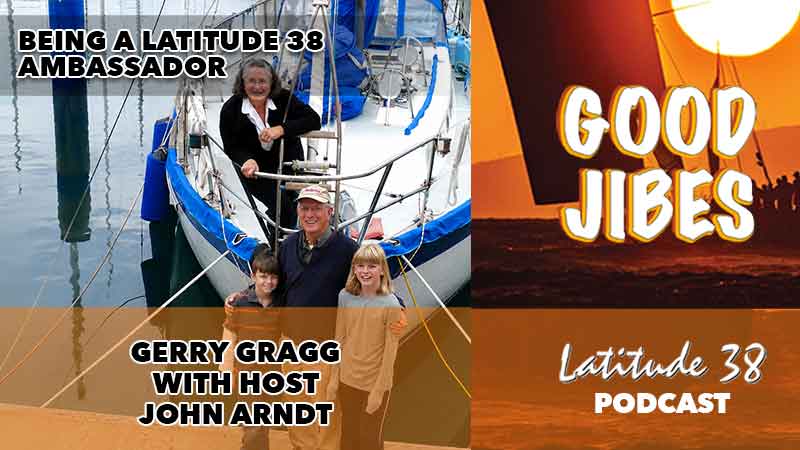
Tune in as Gerry shares with host John Arndt stories from how learned to sail and race, how he and his wife, Darby, sailed left out the Gate and never looked back, his favorite memories from many years in the Med, how they learned Spanish and Italian, and why sailing volunteers are so crucial to teaching the next generation of sailors.
Here’s a small sample of what you will hear in this episode:
- Getting into sailing at 40
- Crossing the Atlantic with two hired professionals and 15 crossings of experience between them
- COVID ends six years of living in Italy after 62 days quarantined in their apartment
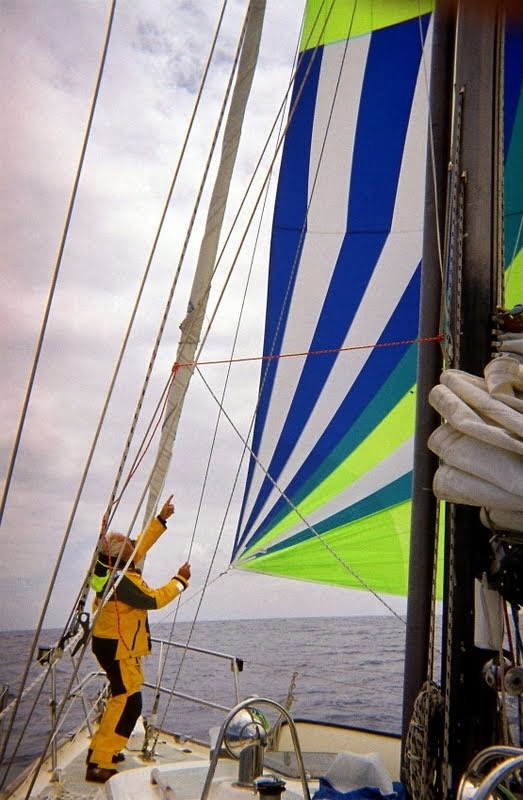
- Surfing at 17 knots under spinnaker all night and earning the nickname “Pops”
- Five years prepping the boat in Alameda
Listen to the episode on Apple Podcasts, Spotify, and your other favorite podcast spots — follow and leave a 5-star review if you’re feeling the Good Jibes!
Learn more about Gerry here: https://www.latitude38.com/lectronic/latitude-ambassador-sports-basement/
Check out the episode and show notes below for much more detail.
Show Notes
- Gerry Gragg on Being a Latitude 38 Ambassador, with Host John Arndt
- [0:14] Welcome to Good Jibes with Latitude 38
- [0:42] Welcome aboard, Gerry Gragg!
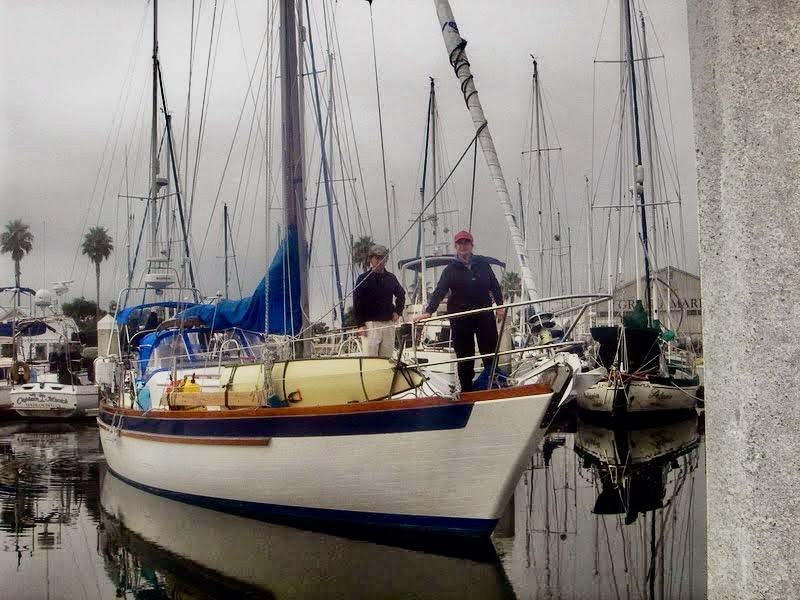
- [4:00] How a Latitude 38 Christmas gift subscription led to a 7-month boat search matrix and buying a Passport 42 sight-unseen in Vallejo
- [8:00] Getting into sailing at 40 and joining a Tartan 10 crew on Lake Michigan
- [10:23] Surfing at 17 knots under spinnaker all night and earning the nickname “Pops”
- [14:41] The transition from racing with five athletic crew to shorthanded cruising with his wife
- [19:52] Five years prepping the boat in Alameda
- [20:36] Are you thinking of sailing to Mexico or across the Pacific? Latitude 38 has a resource page called “Heading South” & the “First Timer’s Guide” to help you prepare
- Sailing and Business Vision
- [26:42] Unexpected friendships in Guatemala, Spanish immersion in Antigua, and a nerve-wracking panga escort through the breakers into El Salvador
- [31:50] The pivot at Panama: skipping the Pacific and Caribbean to sail to the Mediterranean instead
- [34:42] Crossing the Atlantic with two hired professionals and 15 crossings of experience between them
- [39:36] Check out our Classy Classifieds at Latitude38.com
- Going Through Changes
- [40:35] Three years in the Med
- [45:22] COVID ends six years of living in Italy after 62 days quarantined in their apartment
- [47:16] Coming home boatless, joining the Coast Guard Auxiliary as a vessel examiner, and finding a new mission around keeping water out of the boat and people out of the water
- [48:42] Becoming a Latitude 38 ambassador — visiting marinas, yacht clubs, and sailing schools, and getting deep into the Bay Area’s youth sailing programs
- [53:52] The safety message that never gets old
- [57:39] Gerry’s ambassador role is open for someone to carry forward, and a 30-year association with Latitude 38 that started with a subscription in Chicago
- Check out the June 2026 issue of Latitude 38 Sailing Magazine
- Make sure to follow Good Jibes with Latitude 38 on your favorite podcast spot and leave us a 5-star review on Apple Podcasts
- Theme Song: Pineapple Dream by SOLXIS
Transcript:
Please note: this transcript is not 100% accurate.
00:02
It wouldn’t be possible to teach young people sailing without this huge network of volunteers.
00:14
Ahoy! It’s time to cast off with another episode of Good Jibes. Have some more fun sailing. I’m John Art, the host and publisher of Latitude 38 and host of today’s episode of Good Jibes, a podcast where we explore the world of sailing through the eyes of West Coast sailors. And it’s an episode brought to you by Latitude 38, the sailing magazine for West Coast sailors since 1977.
00:42
And today we’re happy to welcome aboard Gerry Gragg, a West Coast sailor who started in Chicago, but moved west, cruised to the Med, and has subsequently been working as a Latitude 38 ambassador and has all kinds of stories from his own sailing life and our own local waterfront. So welcome aboard, Gerry. Thank you, John. I appreciate you having me. Yeah, terrific. Well, great. Great to have you here. And I guess again, you know, we’ve gotten to know each other through your
01:12
running around in the waterfront and being at our parties, crewless parties and lots of fun things. And I just really appreciate what you’ve done for Latitude 38 and for sailing in general. And so it’s been fun also to learn a little bit more about your own sailing story before you started passing out magazines and doing all these other things. But to kick off, I wanted to hear maybe one of your sailing stories.
01:40
and then we’ll dig into a little bit more of how you got going and what you’ve done. Why don’t we begin with my association with Latitude38, which actually began in Chicago as a subscriber. love to hear that. So I’m kind of unusual in that respect in that I was not. I was a Midwest subscriber to Latitude38 because my wife and I had decided after…
02:07
having me in the racing environment aboard the Tartan 10, which was a family day sailor designed by Tartan that became a popular one design class in the Great Lakes in Chicago, Detroit and Cleveland. But so I had was nearing the end of a 16 year uh racing association with that T-10 fleet in Chicago and the last 10 of which
02:36
I had a 50 % ownership in the boat. The Tartan 10 is a pretty stripped down bare bones boat with a two cylinder diesel engine and not much else. So we began talking about going cruising in retirement and that conversation led us to begin first subscribing to Cruising World magazine. Yeah. And
03:05
We began, you know, trying to see what that cruising life was like through reading articles from people all over the world. And then my daughter, who lives out here in the East Bay while we were living in Chicago, sent me as a Christmas present a latitude 38 subscription. And I began reading Latitudes, the latitude section of the magazine where people were like
03:34
cruising world, but people were real people were writing in about their cruising experiences. I began and then of course, I went back to the boat ad section of latitude and start building a matrix uh of features and boat length and trying to sort out what to buy that would be a suitable cruising
04:00
So that process took seven months, uh John, of building up that price matrix. And ultimately, I found a For Sale by Owner uh ad for a Passport 42 that was located in Vallejo at the time. And so uh I made contact with the owner. I had my son-in-law run up there and take a video of the boat.
04:27
and uh flew out the next weekend from Chicago to and bought the boat on that Saturday that I flew out. So my cruising experience in the bay began, you know, somewhat impulsively. I wasn’t sure I was going to buy the boat when I flew out here, but I liked the video that my son in law sent me of his interview with the owner that was pretty comprehensive.
04:54
Five months later, we kind of separated. We were managed to cut our ties from Chicago and move out here and began uh sailing that boat on the bay. ultimately shortly after we moved out here, we moved the boat down to Grand Marina in uh Alameda, who was uh an advertiser of our inside cover uh now. And uh that’s where I got the boat ready to go cruising. Wow.
05:23
Well, no wonder you’re such a great ambassador. Look at these stories you got about Latitude 38. I didn’t know all that, but yeah. that’s interesting. The Tartan 10, of course, we know well, or at least I do, because there’s a number of them on the bay. We just had one in our classifieds that was available for free. And it’s gone now, so I hope it’s in good hands. But it’s funny, too. Classifieds are always so great. And of course, looking through the pages of Latitude at Boats for Sale,
05:52
for brokers or the classifieds for all the writing and words we’ve written through the years. Now that we have great data on so many things, the classifieds continue to be one of the most read sections of our magazine. Well, I still look at the boat ads. Yeah. uh You know, uh one of your brokers runs five pages of ads that are well done by him and by Latitude. And I look at every one of them.
06:21
Well, Pacific Sea Craft was a brand I looked at to go cruising on. The boat was that the Pacific Sea Craft price points were just out of reach for me, I think. And and they still amazingly remain hold their value over time. So that was kind of my first choice. But I was very happy with the Passport 42 that I got because it was.
06:47
lovingly cared for and only was an 81 boat that only was sailed for like five months a year. And then when winter came, winter by California standards, the owner hopped in his RV and and just put the boat up and not mothball, but he just kept it in the water, but didn’t use it. So I had low engine hours and low usage on the boat when I bought it in 2000.
07:16
Very nice. Well, you were also a pioneer like video shopping for boats is seems like a current thing, but that was quite a while ago that you got a video, an interview and a tour of a boat. That’s a common sales practice these days. didn’t know. Yeah. and also I raced Friday night races over at the Corinthian Yacht Club where we have three very competitive tartan tens.
07:39
um that are all well-sailed and do a great job and still win a lot of races. So the Tartan 10, despite its early roots in the Midwest, they’re still quite active on the Bay here and still winning races. So. Oh, good. I didn’t know that. Yeah, no, there’s three of them here that do well. So.
08:00
But let’s see, one to jump in, starting with a story and how you got into sailing or like if early adventure in sailing that sticks out. well, I got into sailing rather late. My dad had a twin engine sport fisherman in the Chicago arenas for the time that I was in junior high school and college. But… uh
08:27
When my wife and I moved out with our young family to Chicago, uh we went down to that harbor and hopped in the Ping with the Chicago Park District, provided penguins for us to learn how to sail, you know, small boat sailing. So we were in that harbor sailing around the harbor, doing little bit and 12 foot prams. But then as time went by, our kids uh
08:57
We’re in high school. My wife got into retail management and I wound up sitting home alone on weekends and at age 40 and decided to try sailing by joining a couple who had moved up from a soloing. Which sails with a crew of three to the Tartan, which normally sails with a crew of five, except for the longer distance races goes to six. So.
09:27
I joined, I got on their brand new Tartan 10. uh They were uh really good sailors. The woman, Karen uh was at the helm and David was the master of sail trim. And they took me under their wing and taught me for six years as crew on their boat, how to sail a boat. Our big event in Chicago is the Chicago to Mackinac Island race.
09:55
sponsored by the Chicago Yacht Club. It sends 300 boats for 330 miles uh up to Macklin Island at the end of Lake, up at the northern end of Lake Michigan. And uh it’s a race that has a little bit of everything. uh Ted Turner has raced in this race and uh it can be maddeningly short of wind. the year that we… uh
10:23
we set the record for the fastest time, we got up there in 36 hours. So to cover 330 miles in 36 hours gives you about an average speed of nine or 10 knots. 10 knots. We were going 17s for a while down, know, with the, this was a spinnaker sail from start to finish. And, a Tartan 10.
10:51
Well, yeah, when you have a boat being pulled through the water by very thin spinnaker sheets at 17 knots, it uh was hair raising. Particularly the jibes at that speed with the waves, which grew in size, of course, with southwest wind. By the time we got up to the north end of the lake, the waves were pretty big. And uh so we were surfing down the waves and had to deal with the chute collapsing.
11:21
And, uh but you know, so I think one of the, my learning experiences taking the helm at night in that heavier uh with that surfing phenomena where the chute begins to collapse and you need to head up just enough to keep the chute taut, you know, filled.
11:51
and yet not complete a turn. Not wipe out. Not wipe out, Not wipe out. Swing up, complete the turn and go over the top of the wave. I think I, and I had, I was probably on our boat the fourth best helmsman. So when I had to take my turn, uh had the best helmsman sitting next to me.
12:17
kind of giving me tips on what to do and because he didn’t want me to roll the boat over either, right? Yeah, sure. In the middle of the night with three guys sleeping below. I got that was such a valuable learning experience after three hours, my three hour shift, I stayed on for a second three hours with him continuing to give me tips on heavier downwind sailing and
12:46
And that gave me confidence, John, I think to… It was kind of my initiation and heavier downwind at night. You know, I said, okay, big waves and how to manage it without the boats swinging, you know, going out of control. So I think that was a confidence builder for me uh and uh gave me the confidence and plus the what…
13:15
The sailing one design makes you pretty uh attentive to sail trim. So as we began approaching the decision to go cruising, I think I felt comfortable with the sailing part of the boat. The big challenge for my wife and me, or for me, was going from a crew of five pretty athletic guys. I was 10 years older than the next youngest guy. So…
13:43
I got the nickname, earned the nickname Pops for that reason. And uh so that, but the challenge of dropping down to where my crew was my wife on a boat that was 10 feet longer, more complicated, heavier was mean meant that I had to really, you know, you have to rethink the sail plan and basically single-handed sailing. So much more conservative and you.
14:13
less concerned about boat speed. Although I remain vigilant on sail trim. Even on a little night I would tell my wife, you know, if we’re the wind is shifting, you know, when I was going down to sleep, uh I say, okay, the wind is clocking over here. You need to stay on top of that. And she’ll say, you know, if we go four knots for the three hours you’re down there rather than five knots, who cares? And so.
14:41
I think I had a hard time convincing my wife to maintain trim during the middle of the night off the coast of Guatemala, let’s say. And she had a hard time convincing you to care less. Right. Yes. There was a little bit. She said, nobody’s watching. It’s the middle of the night. We’re out here by ourselves. uh And if we can maintain four and the telltales are not where you
15:09
I think they should be then. So what? So we had a little bit of that. Yeah. Well, that’s so. So, you were trying to say, could you just move the jib lead forward to block holes in the track? she wasn’t going to do that. Yeah. Well, that’s fair enough. We’re cruising, I think. But what was your wife’s sailing experience prior to going off on all of this? Well, that’s an interesting question. She we kind of had an all male approach to sailing the boat in Chicago. Yeah.
15:39
But so she would get on, she would be invited to sail on other Tartan 10s that were in our fleet. ah Particularly when I moved on, when I moved from the couple’s boat that I was on for six years to the second boat where we were kind of all male most of the time. ah She would then, that couple would invite her on board. So she would… uh
16:05
often be racing against me. And of course, our crew would try to make sure I didn’t have to go home and defeat to my wife, who was on another boat that might beat us. And they were actually better sailors than we were probably. So I think my wife got the benefit of Karen and David’s teaching and good sailing skills when she raced with them. So when she grew up on Long Island, on the North shore of Long Island Sound was comfortable in uh
16:34
small boat craft of all types. She lived in the town next to Port Jefferson on the North Shore of Long Island across from Bridgeport. So she had, from childhood on, she had spent out on Long Island Sound and various watercraft. Not necessarily sailing boats this big, but so comfortable on the water.
17:02
That’s great. Well, comfortable and he went out racing and returned to go racing. So enjoyed it enough to continue racing. then obviously this thought of going cruising. How did you guys get to that conversation and feel like that’s something you wanted to do as a couple? I think we uh I would categorize it as a very romantic notion that people have. Not totally romantic in the sense that we had actually
17:29
owned and sailed this Tartan 10, but it was a short season in Chicago of four months. So we began reading Cruising World Magazine, and Cruising World took the reader to different parts of the world, just as Latitude Section takes readers to different parts of the world from letters that come in.
17:59
And some of that, it just really interested us to do that. So we’re sitting in Chicago trying to figure out what boat to buy, where to buy the boat. In other words, where should be the starting point of our cruising. And we decided on the West Coast rather than East. We decided on ultimately after some professional review of employment options on San Francisco, which was a good fit for me.
18:27
I sold my business in Chicago, but then we came to San Francisco to sell the same equipment for an agency like mine that was headquartered in Los Angeles. the job the reason when you decided to start on the West Coast? that driven? Or you like the West Coast as a place to live in general? We had visited my daughter once a year in Piedmont here in the East Bay.
18:56
I had no particular love of California. mean, a midwesterner really doesn’t understand California’s weather until you get out here and live it. And we never spent long enough in the Bay to appreciate the beauty and the recreational opportunities that the Bay had. So I would say we came out here because the boat was here. I was able to get a good job, a good sales job here.
19:24
then my wife got a good job too. So we were able to relocate and rent during the five years from when we bought the boat till we actually retired and left from Grand Marina. And then just had decided to go out the Golden Gate and turn left. uh we, John, to be honest, did not plan, we did not plan, we gave ourselves two years.
19:52
Oh, really? Okay. We will try this for two years. Both of our employers really wanted us to come back if we changed our mind. So we knew we had employment back here if things didn’t work out. Yeah. And uh but so as we got further down the Mexico coast, after that two year period, we got pretty far south of Mexico.
20:18
And then we decided, well, we could make a go of this. We finally figured out the costs and the maintenance and service and marina anchoring options and decided to continue south.
20:36
Latitude here. Are you thinking of sailing to Mexico or all the way across the Pacific or maybe even further? We just heard from Joanna and Cliff saying, my husband and I subscribe to Latitude 38 and enjoy the Good Jibes podcast regularly. They went on to say they’re headed to Mexico in the fall and will continue across the Pacific to Australia. However, they’re looking to simplify all the choices they need to make to prepare. Of course, there’s tons of resources out there, but
21:03
Latitude38 does have a page on our website called Heading South and we also have Latitude38’s First Timers Guide to Mexico available to read online on the Heading South page or a printed copy that is available to purchase in our online store. There’s a lot to know, but Latitude38.com is a good place to start.
21:25
During your five years of working and owning the boat, uh I’m just curious, did you put anything unique or different or what did you do to upgrade the boat? And I’m thinking of cruisers who are getting ready to go now. Obviously Starlink was not an option, but are there things that you did to the boat? Yeah, well, that’s a great question. We were in an apartment in Alameda, rented a condo in Alameda, and of course the boat was at Grand Marina in Alameda.
21:54
So we decided to move off the boat, clean the boat out, I should say, put things in storage, completely stripped it out. And then we did a series of upgrades that began with rewiring the boat. We rewired the boat completely using a retired union electrician from San Francisco who was the past president of the Passport Owners Association. uh
22:23
He had a passport, 42, that he had rewired. so we rewired the boat. Perfect. We built up the infrastructure of the wiring, I think was essential. We went to Swedish Marine, was for refrigeration. And he’s still, Andrew Johansen is still active. And uh
22:49
is a distributor for Latitude and we went to Liam Dao, LTD Marine, who was a Vietnamese of the Wizard on electronics. So he did all of our electronic work. Our instrumentation after rewiring, but he did instrumentation. Yeah, he did all the instrumentation. He did the single sideband radio installation. He did the battery monitoring equipment. uh
23:18
What’s a single said band radio? I people ever got that dates me, uh I called it out. And then we did, uh you know, we did just these guys are still around. It’s pretty amazing. We went to Robin at Hood sales. uh Yeah. And so we had quite new sales on the boat with Robin’s guidance. He then got us connected to a rigger. So we.
23:46
did put new wire in the boat. uh I had a good diesel mechanic that we put, uh re-piped the fuel system, all new uh hose on the diesel, put new Raycor filters in, the big double filters that you can change on the fly with. So you did some serious work here. This is, this was, it’s a nice solid boat, but you definitely started pretty fresh. Oh yeah, so we did new refrigeration.
24:15
new electronics, uh new wiring. We completely painted the boat when it was stripped out. we painted all the interior surfaces and new lifelines and new radar. yeah, I should say, another contractor that we found was a blessing was uh two young men, a brother’s team that did stainless tubing, welding and all the.
24:43
They had a scheme of creating a basket. We began from starboard gate around to the port gate. We replaced wire with one and a quarter inch stainless tubing. And that that tubing job, we created a basket for the life raft so that we just needed to pull a pen in the basket. The basket would drop down and drop the life raft on the water. Didn’t carry the life raft on top of the cabin.
25:12
which I could never figure out how an aging couple could get 105 pound life raft into the water from a cabin top. So it’s worth thinking about. We got our life raft from Sal’s life raft over in Alameda. And he had shown us this arrangement on a valiant this basket arrangement. So we put that in and that connected the radar arch that we
25:41
previous owner already had. So we had good radar and uh arch. And then I put uh outboard motor bracket, fish cleaning table and swim ladder that we could swing down from the port gate all done for $5,000. So all the stainless tubing. $5,000 back then. It’s clear you were not going to be surfing like that Tartan 10 when you had all that on board. No.
26:11
We depressed the water line probably a couple of inches by the time we left. Safer and more comfortable. yeah, great. So you, after a couple of years in Mexico, decided, did you tell your employers, you know what, we’re not coming back? And then what did you decide to do? Well, we kept going south. By this time, we’d read some cruising guides and we’d read quite, you know, we’re trying to read about people’s experiences that are ahead of us.
26:42
uh So we went uh from Mexico, were in southern Mexico, we jumped down to Guatemala, met a wonderful family just by accident in the Porto Quito Harbor, which is a little finger dock, but is also a cruise ship terminal right next to it. And so a cruise ship would come in and the woman that was handling all the local native vendors uh
27:10
spoke English and I was looking to get the fuel dock open so I could refuel and she said, well, I’ll help you with that. And one thing led to another and we became friends with, she wanted to see the boat. She couldn’t believe that my wife and I were living on this boat. So she said, when I come see your boat. So that created a friendship in Guatemala. They lived up in Guatemala city. We ultimately spent time in Guatemala and learning.
27:38
Spanish up in Antigua, an immersion course that we took there. Fantastic. Then we moved uh down to El Salvador, where uh there is a marvelous uh upriver, I’ll call it marina, but it’s a buoy field uh in an estuary nine miles in from the coast. uh It’s a beautiful compound. uh
28:09
owned and operated by the 14 top families in El Salvador. And there’s a 5,000-foot landing strip for airplane. There are rental cottages that are air-conditioned, modern cottages, maybe 14 of those. And there’s a full-service boatyard that takes care of a fishing fleet of like 12 boats, you know, big boats. oh Commercial fishing.
28:36
Commercial fishing, not pangas. uh So uh we went in there uh for two months. uh Get in there, you actually, you go to a waypoint offshore, about two miles offshore, you are looking in at an unbroken series of breakers and you phone the marina and they send a panga out to lead you through the breakers.
29:05
And then they you down for about two miles between the breakers on your left and the beach on your right. And you’re in about 30 feet of water. There was a trough there that but it was I would admit it’s nerve wracking because yeah, I’ve seen pictures of people going in and out through those breakers. It looks a little hairy. It is. You don’t see the path until.
29:30
You just have to trust the Panga is going to take you get you through and you do you got us through. So that was El Salvador. We met in uh San Salvador, the capital. We met a woman running a hotel that had a coffee roasting operation here in Fremont in the Bay Area. So we got to know a lot about coffee and coffee roasting and in El Salvador. We spent maybe two months there and then.
29:58
From there we went down to uh Anchorage off of Honduras but did not go ashore in the Gulf of Onsaka and then down to Nicaragua to a marina in Nicaragua that was operated by another Bay Area uh native. He’s a Nicaraguan citizen but he had a consulting business here on energy power from underground hot water that’s a volcanic geothermal.
30:28
So El Salvador and Nicaragua are trying to develop a way of converting that under high temperature hot water to steam to electricity. And so he’s operating the marina there. we watched a super, we spent a New Year’s Eve there on his beach. And then from Nicaragua,
30:53
We went down to Costa Rica and that began an 11 month sequence of anchoring with very little marina engagement because Costa Rica has a couple of spectacular marinas that are uh home to sport fishermen that are there for big game fishing. But it wasn’t a place that we wanted to spend a lot of time because there wasn’t a lot else there.
31:21
Just what year was this that you were doing this? we’re. was, I’m going to say 2008. 2008. OK. And then I guess just to get the time frame we’re looking at, because you went for a couple of years, but then decided to carry on. And just what was the total length of your cruising before you sold the boat eventually? Well, in 2009, we decided we got down to Panama.
31:50
Panama is a decision point. We decided in reading magazines in an offshore island from Panama, we read Cruising World about that had cruising the med. So we read that magazine said, you know, let’s not cross the Pacific. Let’s not go into the Caribbean. Let’s go to Europe. And we thought, well, we can see Europe by staying on our boat. couldn’t afford to go to hotels. But we thought we could.
32:19
go sail the boat to the Med and live on the boat while we saw Europe. was working out despite where the jib lead was set or and your former employers were long forgotten at this point. Yes, they were. Yeah, we were by this time confident that we had spent quite a bit of time, you know, quite a bit of time. We had worked hard to learn Spanish. We took another
32:47
pretty serious course in Panama. But then we, because of timing, Jen, we did kind of something that’s gonna sound strange. There’s a high pressure area that sits over Texas in January that with the clockwise winds create 12 to 14 ways in the Gulf that come down to Panama and those coastal countries.
33:16
We did not want to go through beat end of the wind and that kind of wave to get to Fort Lauderdale, which was our chosen point of departure for the Atlantic crossing. So we went back up to Golfito uh to get our boat put on as deck cargo along with other sport fishermen that make this commute back and forth between the Pacific sport fishing and then
33:46
Florida sport fishing and so we joined maybe five other sport fishermen as deck cargo out of Golfito in Costa Rica. So we had to take our boat from Panama back up to southern Costa Rica, put our boat on a freighter and then in six days he had our boat in Fort Lauderdale. Yeah, yeah. That was our point of departure. Yeah, great. yeah, so that will there’s a lot of boats that get shipped by boats. ah In fact, uh
34:16
We’ve got the Baja HaHa coming up, seven star uh Yacht Transport just signed up as a sponsor for the HaHa this year. They definitely ship a lot of boats. Obviously some of these legs are pretty challenging and obviously can beat up the boat and the crew pretty If I’m going to get the boat ready to cross the Atlantic, I didn’t want to beat it up with a two-wood upwind slog up to Florida.
34:42
So then you get to Fort Lauderdale and then did the two of you sail it up the East Coast and over to Europe or what? How’d you get to Europe? Well, then we got into uh our insurance. You know, we submitted our plan to our insurance company to get their blessing and uh they said no, we didn’t have the skills uh as coastal cruisers to cross the Atlantic. Really? And so I uh hired a captain and uh
35:12
and he had a guy that he wanted to come with us as navigator. then I had to kind of, normally they would ask me to hire three paid people to take the boat across and let me ride along. But I qualified by submitting my experience and my sailing resume to them. They let me be that third crew person with them. had enough confidence. And so…
35:39
We had, and they had 15 Atlantic crossings between them. So they got away. I the benefit of an advanced sailing seminar on my own boat. And the way we split up, I took care of all the operational aspects of the boat. This one gentleman, Pete, took care of all the navigation. then uh Ted Boudry, the captain, took care of boat speed, you know.
36:06
He decided what sails we’d have up when we’d run the engine and we basically had a target speed of five knots and ran the engine whenever we needed to to maintain five as a minimum. Yeah. Yeah. Did you put a lot of extra jugs of fuel aboard? No, we didn’t. Fortunately, the passport had 200 gallons of fuel. That’s a healthy amount. two, two 75 gallon tanks and
36:36
225 gallon. Wow. And then did you do the hops to Bermuda Azores and over or? Yes. Yeah. Okay. Unfortunately, we had our damper plate and our transmission disintegrated about 26 miles outside of Bermuda. So we had kind of a Bermuda Triangle experience. Almost got out of the triangle. We quite make it. So we had to sail into St. George Harbor right at dusk. Fortunately, the wind was out of the east and
37:05
we were able to just sail in and head upwind and drop anchor and backwind to main to kind of set the anchor. And uh then began the task with the help of Bermuda Radio put us in touch with a transmission contractor that uh sort of got us put back together again. But with the transmission out of the boat and I’m taking in the Perkins 4108 taking away the
37:35
rear engine mounts in the engine. So the engine is up on wood blocks. Our Honda generator cracked out with a bad exhaust valve. So we had to keep the boat powered up with solar panels during that time of repair. So radical idea back in those days. Well, that kept us going. And then we got the transmission put back in. And I was a little nervous about
38:02
the skill set of these guys. uh But uh I brought 10 gallons of transmission fluid with us for the next trip to the Azores and it turned out the seal that they had put in the transmission leak. So at a rate of like five ounces per day. So we’re adding uh transmission fluid all the way over to Spain. Oh dear. Oh wow. And you did you stop in the Azores as well?
38:30
Yeah, we stopped in uh Puerto and we painted our square. Oh great. So Bella has got our names and we added my wife’s name because her project management skill allowed us to get there in the first place. yeah, and then so we were there for three days. uh It was uh
38:54
It’s a very busy time because there were only two months that boats travel east on May and June. And so we were rafted off and rafts of four to five boats oh in the harbor. So, wow, fuel and provisions and everything was kind of tough. But uh I was used to the rafting because that’s what the T-10 fleet in Chicago. And uh we then took off and then had light air all the way to Portugal. So pretty much motored all the way to Portugal.
39:24
Very nice. then… fight pressure and… And there were no orcas biting rudders at that time. That’s the recent development.
39:36
Hey good Jibes listeners and Latitude 38 readers. Have you looked in our classy classifieds lately? It would be impossible for us to know how many boats have sold to new owners over the last 45 plus years of publishing Latitude 38. But we’re sure they have helped countless people realize their sailing dreams. Every month there are new boats listed that will fill someone’s sailing adventures. If you have a boat you want to sail or looking for that next boat in your life, the pages of Latitude 38 will surely have something to suit your fancy.
40:06
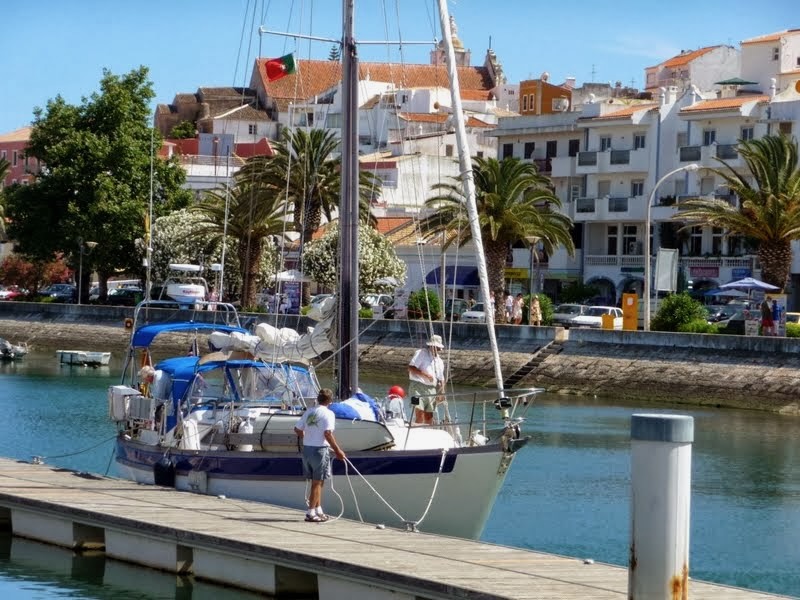
pick up a magazine at a local marine business or visit our classy classified pages at latitude 38.com to find boats, gear, job opportunities and more. Then tell us your next sailing story. So how long did you spend in the Med? Well, I we were there three years. We got there in 2009 in Lagos, Portugal. We then went down and spent a winter in Gibraltar and then we spent a winter in Barcelona.
40:35
And then we headed over to Italy and it was uh in an anchorage on the East Coast of Sardinia. Then we met another US boat that was heading back and the other they were heading back to the States. And they gave us the Marina recommendation that we wound up spending two years and down in a town called Gaeta. So we originally we went into Rome for a week because we went to the Astia Marina.
41:05
We went in for a month because our daughter was flying over with her family and wanted to join us for sightseeing in Rome. But the marina was surgy as many coastal marinas are in Italy. So uh we had trouble managing with med boring, keeping our bow off the concrete dock. uh We wound up heading down to Gaeta and spent the winter there and then spent the remaining two years.
41:33
Got to Guyetta in 2010 and then uh shipped the boat back to the States in 2013. So by yacht transport, general at a Fort Lauderdale. So again, we chose that option rather than uh sail it back. Oh, okay. So, and when you were in the Med, were you in summers, were you out cruising the islands or I guess Guyetta is a great port, but any other favorite ports that you visited while traveling?
42:03
Well, we had two clocks we had to kind of manage. One is you have a 90 day clock and you as a non-EU citizen, you have to kind of keep an eye on that. Right. So Italy oh and we decided to get formal permission to stay status in Italy by taking out a residency visa while we were there. So that kind of took the clock off us. But you have an 18 month clock on a boat. So you have to move the boat out of the EU every 18 months.
42:31
OK, and Western Balter, for example, we went down to check into Morocco and then left Morocco to go to Spain. And then so you’re going back into the EU. So does that mean you only have to be out for a day or? Yeah. Yeah. OK. And then you get another 18 months. Yep. So from Gayette, we dropped down to Tunisia and uh to Hamamat on the coast of Tunisia. And we’re there for days. And then we went over to Malta.
42:59
Yes, in Malta for two weeks and Valletta was beautiful. And then we began, we went up to the southern coast of Sicily at Marina dei Ragusa is a big 800 boat marina in there on the southern coast. And we were there and then we did a circumnavigation of Sicily and I had a number of favorite beautiful spots in Sicily that we enjoyed a great deal. uh
43:29
But I don’t think we came away with a favorite. All sounds. Yeah. Malta, all those places. The pictures I’ve seen, it’s all beautiful. Did you get a chance to em polish up your Italian now that you were so good in Spanish? Oh, we actually had an interesting question. We had to clear it. There are many words that are the same in both languages, like the number four. It’s quattro quattro.
43:55
And a lot of the verbs are the same, like to buy and to sell are the same. But we decided when we started learning Italian that we had to clear out and forget the Spanish we’ve learned and uh focus on Italian. So we took five years in Galletta. wound up because we went after selling the boat in Florida in 2014. We went back to live there until 2020. And we decided to that so we took Italian lessons for five years.
44:25
Okay, because we were never in uh an immersion environment, only Italian being spoken, we never got fluent. But I would say the international, we got up to international language competency is graded by A1, A2, B1, B2, C1, C2. So there are six classifications. And I think my wife got to B2 and I was kind of between B1 and B2. She had been fluent in French. So
44:53
She wanted languages faster and better than I did. And so I put her on the radio when we were coming into Italian and Spanish ports, because she would be able to talk to the harbor master to get our slip assignment and get that worked out a little better than I could. Yeah, great. Wow. you did. So that was like three years of cruising the Med before you brought your back. And then you went and just decided to live in Italy.
45:22
as land bound people for six years after that. Yeah. So we came back here when COVID hit Italy. We just and we were quarantined on our apartment for 62 days. ah We could and we couldn’t leave the apartment together. We could only leave one at a time. So it was a pretty serious uh health situation in Italy and our kids were over here. They didn’t speak Italian. They had good jobs that they would be disruptive to leave.
45:51
to take care of us if we got sick. So we decided to leave Galletta because of COVID and began the struggle of trying to book airlines from Rome back to San Francisco. took us, I don’t know, we decided to come back in March and it took us till June before we were able to get a flight on Lufthansa on our way to San Francisco. had an airplane tickets at $785 a piece.
46:21
And we wound up spending 4,100 a piece for economy seats to Oh, you’re kidding me. To get back from Europe during COVID, there were limited airline options. we just had to get back because we felt we never did get COVID. We didn’t get it then, and we didn’t get it now. Wow, lucky you. Yeah. But yeah, I think airline tickets are almost that price again, it seems these days. uh
46:49
Yeah, so you came back to the Bay Area and boatless, but I know you’ve been involved in the Coast Guard auxiliary and helping out. What kind of things did you do when you got back? Well, I got back and we got back and I decided I wanted to find a way to share my knowledge of boating uh with other recreational boaters and
47:16
I looked at the role of the Coast Guard Auxiliary and their vessel examiner uh function as a way to do that. And the vessel examination that the Coast Guard Auxiliary performs on a boat ensures that a boat complies with minimum regulatory requirements, but it does not make the boat safe and it doesn’t make the people that are on the safe. So I became in…
47:45
after a couple of years of doing that and worked with some great people on the Coast Guard Auxiliary as a wonderful people. decided I wanted to try to find another way of interacting with boaters uh to try to get that message across. What I call the two-part message of how to keep water out of the boat and how to keep people out of the water. uh
48:13
What that boiled down to, John, is good practices. There are good practices that can’t, for maintenance and good practices for safety of people on board that can’t be regulated. And uh those good practices are found, are taught in the sailing schools in the Bay Area. And uh when I saw, again, I’m back thumbing through latitude and saw the ad for ambassador.
48:42
As you know, as you and I have discussed, the Ambassador is kind of a loosely defined function for going around and meeting in my first year uh points of distribution for the magazine. Yeah. Covered a lot of the same accounts that I had been in touch with with the Coast Guard, marinas, yacht clubs, sailing schools uh to do our vessel examinations. so
49:09
And then in this past year, John, I’ve, uh I think with you as an inspiration to try to get broadened latitudes contact with young sailors. I’ve made contact with most of the youth sailing programs in the Bay area. And I’ve just been very impressed with the quality of volunteerism that exists in these programs, uh which
49:38
It wouldn’t be possible to teach young people sailing without this huge network of volunteers. There are no paid positions in any of the youth sailing programs that I’m aware of other than for instruction. I mean, we have to pay, and it’s a good summertime employment to pay young kids, high school kids to…
50:04
There’s a lot of great high school and college sailors who come and that’s their summer job and and you know program directors. But as you say, there’s a ton of parents and others that take on all kinds of roles to make their youth programs at all the clubs around the Bay Area and everywhere work and uh it’s it’s been. It’s been fun and I think I’ve well I I haven’t been really able to share what I know necessarily except.
50:34
If I’m out on the water on a boat, I know how to stay out of the way and I kind of understand what’s going on. I’ve so I’ve been a guest of a number of organizations out of the water and everyone has been wonderful. Latitude has got such a great reputation that I have been welcomed at all of these organizations. And everyone has been very forthcoming and sharing.
51:03
their goals, objectives, their challenges. uh And uh to the extent my mechanical engineering background allows me to write about them, you’ve been kind enough to publish some of these articles that describe these programs. I think that’s how we first got acquainted when you sent us a story about your Coast Guard auxiliary boat inspection efforts. And that was great too, because
51:31
I mean, all these things that we do write about and try and cover, it’s sort of an impossible spectrum of topics and things we try and keep up with. And so definitely appreciate you uh sending the stories. And also it’s been amazing to have you out there with these youth sailing programs and, you know, seeing the dads and the moms who are all helping the programs and also uh Cal Sailing Club, is getting whatever, a hundred to 200 people there on their open boat week.
52:00
stand line an hour ahead of time for a 20 minute boat ride. Yeah. But and then talking with the people in the line, I take magazines and go down the line and suggest that they read about sailing while they’re standing in line to go sailing. So we have fun with the people in the line and and yeah and then and then everybody that comes off their their free sail.
52:26
are very enthusiastic and they want to continue it. I think Cal sailing provides probably the lowest cost entry to the sport in terms of access to a 15 foot sailing dinghy with a jib and they’ve got instructors that teach people the basics and they keep a tight leash on them for their early sailing and that uh Berkeley
52:54
uh Emoryville lagoon area there. And then as they get schools developed, they can get up to bigger boats and sail out into the bay. Yeah, yeah. Well, uh it’s a great program. We had an article not too long ago about a couple that met there at Cal Sailing Club and bought a, I forget what kind of boat now, Islander 36 maybe, and ended up sailing from here to France on it and started on a 15 foot boat at Cal Sailing Club.
53:23
Definitely people can go far after that first thing you start. It’s interesting too, you say, to keeping uh the water out of the boat and the people out of the water. Today we got a little story that’ll be coming up at one o’clock, Electronica Latitude, about the skipper of uh Santana 35 Ahi, uh who ended up overboard with two of his crew in the duck ship race a week ago, or Saturday. Just got hit by a wave, broke a boom, quite a dramatic thing, but everybody okay.
53:52
But for all the safety and stuff that everybody’s learned, mean, things are way safer than they used to be. Equipment and obviously rescue devices and communications. So things worked out fine, but you know, it still happens. You got to be ready for anything. You don’t know what’s going to put you in the water. I’m only going to put my life jacket on if it gets rough. Yeah, that’s like you’re only going to fasten your seatbelt if you think you’re going to be in an accident. You know, you don’t know when you’re going to be in an accident.
54:22
You don’t know what’s going to pop you into the water. You just don’t know. So you got to have a life jacket on. And I found that uh the racing, the big races probably do the best job of getting boat crews set up to sail safely, but they don’t address necessarily all the boat requirements. The insurance companies kind of do a job of addressing that. But I think the sailing schools today,
54:51
And the number and the quality of the sailing schools that are available for people to learn these things is greater now than it was when my wife and I went sailing. We wound up talking the course sequence through the power squadron back then on Coast Guard Island. ah But now modern sailing and trade winds and Cal Sailing Club and uh Spinnaker and a lot of these organizations are now teaching
55:21
people how to do the right thing and stay safe. Yeah, it’s amazing. Our actually our podcast from last week with is an instructor from Spinnaker sailing in uh Mountain View or Redwood City rather. And she’s planning to sail race around the around the world, but North and South around the Americas on a 52 foot aluminum boat. uh You know, this is and she’s a sailing instructor. So there’s there’s a lot of great skills out there, which are amazing. And I
55:49
It’s also fun. We’re almost writing a story. There’ll be out one today about West Marine, which is declared, unfortunately, you know, Chapter 11 bankruptcy uh for hopefully just a short term reorganization that will get it back onto a more solid footing, which, though, unfortunately, makes you think sailing is it has declined. There’s not as much participation. But when you go to Cal Sailing Club uh and go to these youth sailing programs and everything else, you just see this.
56:18
amazing enthusiasm for sailing. it’s conflicting often some of the commercial messages with the actual activity that is happening when new sailors discover the bay and the waterfront that’s right here. is. It’s the magic of the tiller in one hand and the main sheet in the other. And I think they all start in these basic smaller boats. uh
56:45
once they get that feel, that connection between sheet and tour, then the rest, that’s the basic building block. think if they, once they get that and the light bulb goes off and says, wow, if I figure this out, I can go from here to here, point A to point B and learn how to do that. And that creates the fun. Well, as you said, that’s how you started with 11 foot penguin.
57:11
which only has a tiller and a mainsheet and it’s a little cat boat. we actually, we, my family has an old one on the main. I think it’s in the 100, like number 153 or 147. uh Hasn’t been in the water in a bit and it’s getting time to gussy it up again and get it sailing. Anyway, well, Gerry, uh this is, this has really been great. really, uh you know, it’s always fun to learn more of people’s personal sailing story.
57:39
It’s been fun working with you and appreciate your attention to the waterfront and to Latitude 38 and being an ambassador for us as well. And just so people know, Gerry has told me he’s not going to make this a lifetime project. He would love to have someone pick up some of his ambassador duties, or all of them. So we’ll make this a recruiting call. Tough shoes to fill, but you’ve done a really great job.
58:06
helping us get in front of more people and get the magazine in more people’s hands. So it’s been fun. I’ve enjoyed the association, which began back in Chicago in the 90s. Yeah. And you’re here 30 almost 30 years later, John. So it’s it’s pretty amazing that our association has covered that many years. But I’m not I’m not alone. I have many readers have that 30, 35 year association with latitude and
58:35
uh And thank you for having me today. It’s been fun sharing my little slice of the sailing world. I read about this woman that is doing the northern latitude circumnavigation. I feel, okay, those are people that are in a different class beyond uh my skill set. Well, that’s the thing. I think as you say, a tiller in a mainsheet is…
59:02
the simple pleasures of sailing and other people go to much more extreme things. And you found a happy spot in the middle of that too, racing and then in the meds. So right in the middle. Wherever. Yeah. Whoever feels right for you. So well, Gerry, thanks so much. Yeah. Fantastic. Great talking to you and thanks again. We’ll be in touch soon. All right. Thank you, John!