

How To Get Into Racing Part 3: The PHRF Cert and Finding Crew
Over the last two articles we talked about getting a ride on a race boat and eventually getting your own boat to race. Maybe you have had the boat for a while and want to start racing it. Either way, now that you have the boat, let’s get it racing.
We are going to assume it is in reasonable shape with all its parts. Unless your sails are unusable, what you have is probably OK for the first season.
Unless you plan to sail only one-design you will need a PHRF certificate. You can get one through YRA at yra.org. It is a pretty straightforward process, especially if you have a production boat. If what you have is unique, there are forms to fill out to let the PHRF committee know about your boat.
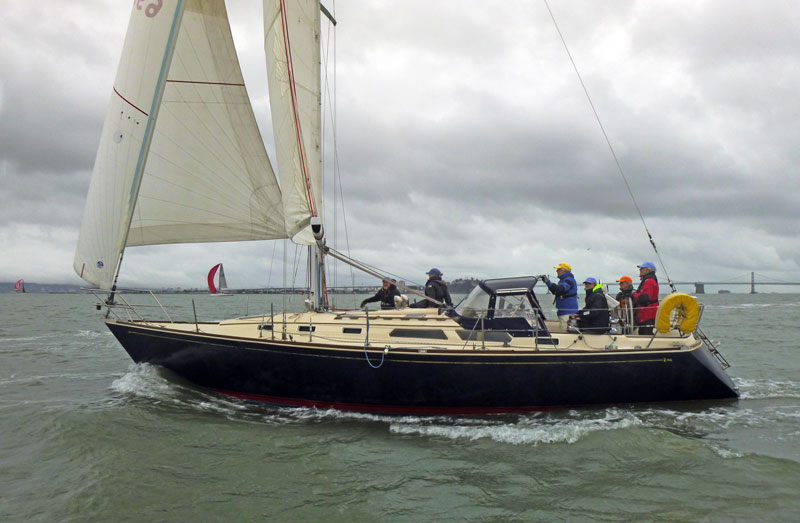
Recruiting, training, and retaining crew is by far the hardest part of campaigning a boat. Wrangling crew can be a pain, but it’s also an opportunity to develop lifelong friendships with people you enjoy hanging out with. Start with the folks you sail with on OPBs but don’t poach crew from other boats. See if there is anyone they know who might be a fit on your boat. Do a post on the Latitude 38 Crew List at “Skipper Looking for Crew” or search the listings of crew looking for boats. Join a yacht club, if you are not a member of one already, and network there. See if any of your non-sailing friends are interested in trying it out.
Once you have crew, treat them well; you can’t race without them. If they don’t have fun they won’t come back. Avoid yelling at all costs, and make sure the beer is cold. Do your best to schedule races in advance and do the races you have scheduled, except in an emergency or really bad weather. You won’t find reliable crew if you are not a reliable skipper.
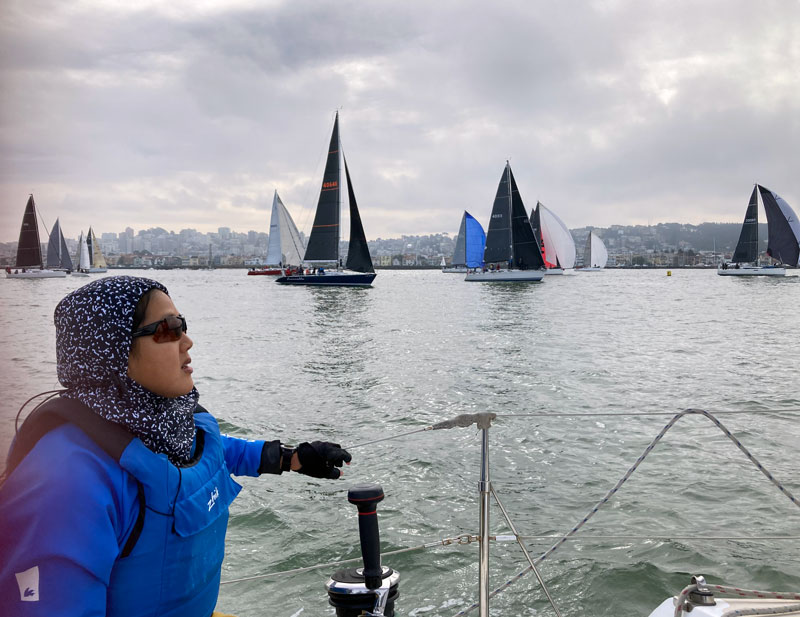
Get the crew out for a practice or two and make sure everyone knows their role. Don’t forget to do crew overboard drills. On race day, try to be the first boat out and practice every maneuver you might do that day. One of my goals in warmup is to do more tacks and jibes before the race than we will need to do during the race, especially if you have new people or people in unfamiliar roles.
You have been racing for a while so you should know the racing rules. If not, learn at least the basics. The important part, how to keep from hitting another boat, is only 10 pages and 23 rules.
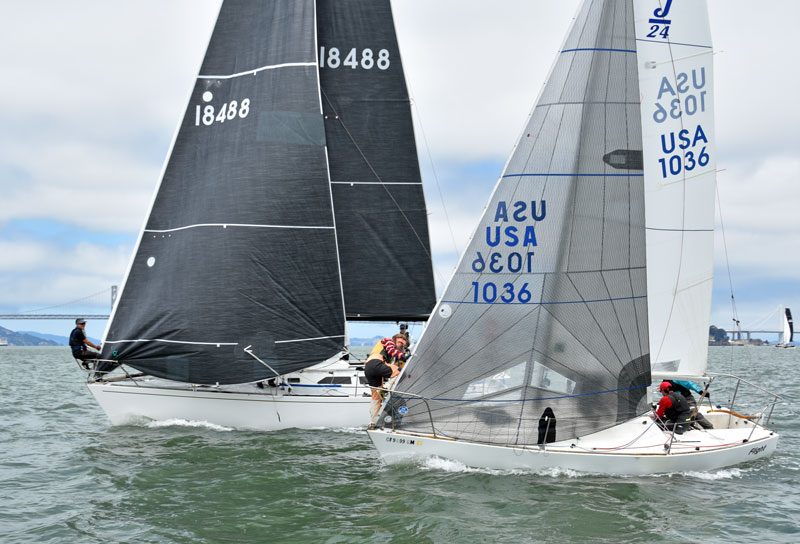
The last thing to do is to sign up for races. Many of the weeknight races are free, but you still need to sign up. Weekend races usually cost something to help cover the cost of running the race. The Notice of Race will tell you all the things you need to decide if you want to do that race. The Sailing Instructions will contain all the details about the race, like the start time and location, courses, and any special rules. You should read both carefully and have another crew member read them as well.
Take it easy on your first few races. Don’t be too aggressive on the start line. Your priorities should be nobody getting hurt, no damage to the boat, everybody having fun, and learning something new. Doing well in races will come with time.
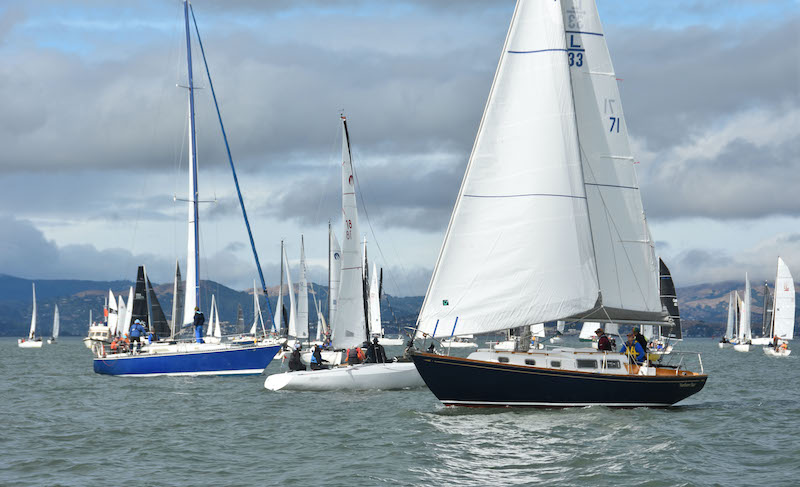
Very sound advice for new boat owners !