

Episode #258: Ainsley Parramore on Building Confidence in Youth Sailors, With Host John Arndt
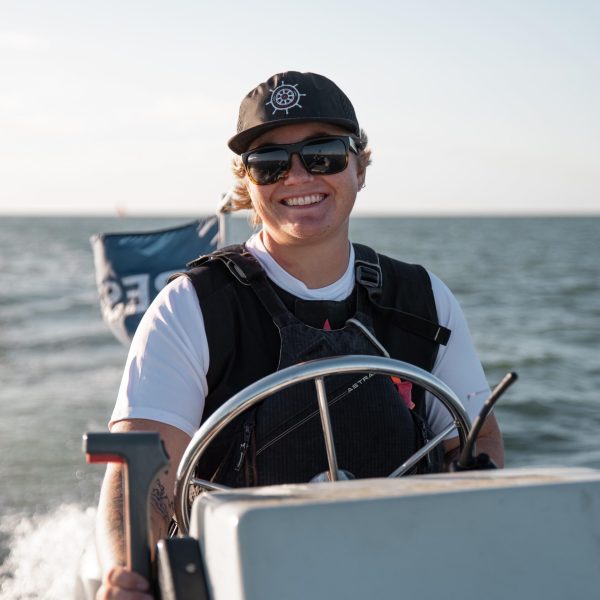
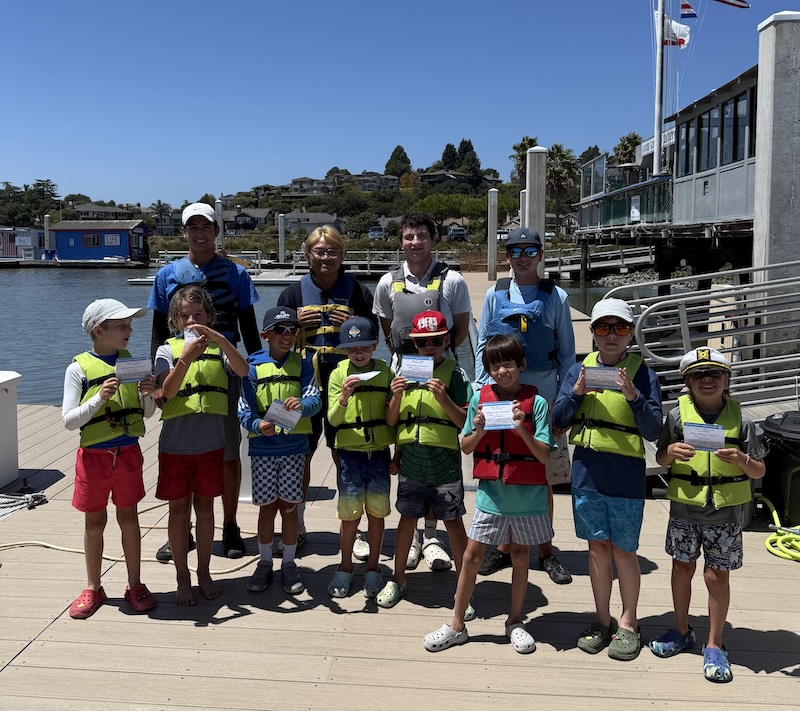
This week we catch up with Ainsley Parramore to chat about building confidence in kids through sailing. Ainsley is the Program Director for Sailing Education Adventures (SEA) in San Rafael.
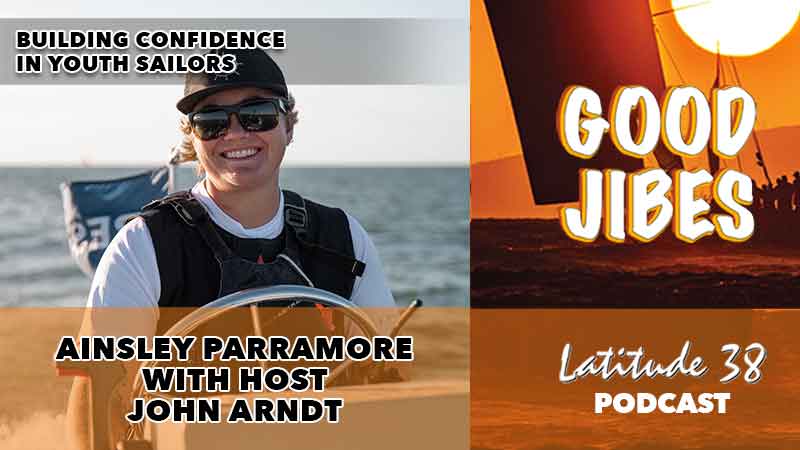
Tune in as Ainsley shares with host John Arndt, the stories about her first encounter with the grittiness of sailing, the perks of small boat racing, how to approach sailing as a career path, the sailing lessons SEA teaches to kids, and how sailing can thrive as a hands-on activity in the age of AI.
Here’s a small sample of what you will hear in this episode:
- Northern California’s first neurodivergent sailing camp
- Six of ten core instructors are San Rafael High School students
- What sailing teaches kids
- Growing up in a small boat racing family in Annapolis
- The sailing scar story
Learn more about Ainsley at SEAsailing.org.
Listen to the episode on Apple Podcasts, Spotify, and your other favorite podcast spots — follow and leave a 5-star review if you’re feeling the Good Jibes!
Check out the episode and show notes below for much more detail.
Show Notes
- Ainsley Parramore on Building Confidence in Youth Sailors, with Host John Arndt
- [0:14] Welcome to Good Jibes with Latitude 38
- [0:48] Welcome aboard, Ainsley Parramore
- [2:14] The sailing scar story
- [7:25] Growing up in a small boat racing family in Annapolis
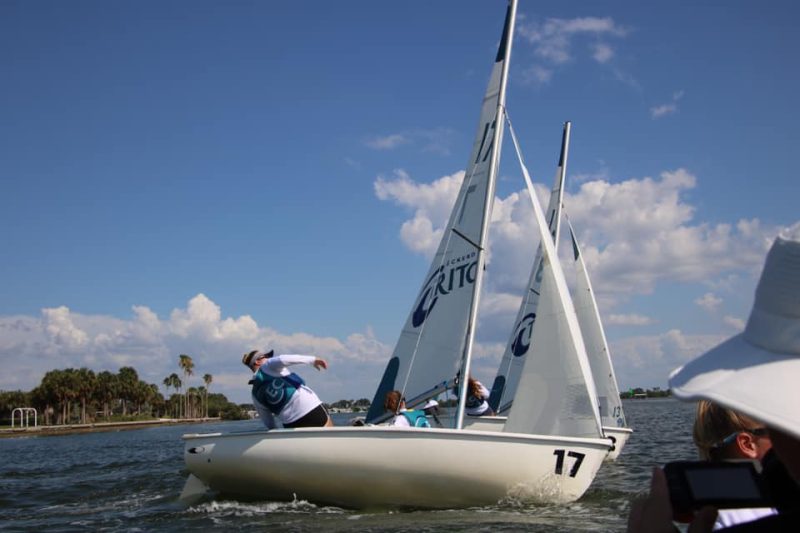
- [12:41] Four years sailing at Eckerd College in Florida
- [15:48] Check out our Classy Classifieds at Latitude38.com
- All About SEA
- [16:16] From St. Pete boatyard to Caribbean charters to assistant coach at Eckerd to Peninsula Youth Sailing
- [18:43] What SEA does to open the door to sailing for Marin County kids
- [24:27] Six of ten core instructors are San Rafael High School students
- [27:43] Why word of mouth works, and why parents are hungrier than ever to get kids off screens and onto the water
- [30:33] Want to sponsor Good Jibes? Email Latitude 38 to learn more
- Youth Sailing
- [31:03] What sailing teaches kids
- [36:49] What drew Ainsley to California
- [40:32] Coaching Tam High and Marin Catholic sailing teams at Sausalito Yacht Club
- [44:47] Breaking down the barriers of sailing’s country club stigma
- [51:00] Northern California’s first neurodivergent sailing camp. SEA partnering with Spectrum Sailing for an April 2027 camp
- [52:29] Learn more about Ainsley at SEAsailing.org
- Check out the October 2026 issue of Latitude 38 Sailing Magazine
- Make sure to follow Good Jibes with Latitude 38 on your favorite podcast spot and leave us a 5-star review on Apple Podcasts
- Theme Song: “Pineapple Dream” by SOLXIS
Transcript:
Please note: this transcript is not 100% accurate.
00:02
I think sailing is a perfect playground for kids to build confidence in themselves and their capabilities.
00:14
Oh, hi everyone. We’ve got another weekend ahead. It’s a Friday afternoon. So it’s time for us to cast off for another episode of Good Jibes. My name’s John Arndt. I’m the publisher of Latitude 38 and the host of today’s episode of Good Jibes, a podcast to help you experience the world of sailing through the eyes of the West Coast sailor. And it’s brought to you by Latitude 38, the sailing magazine for West Coast sailors since 1977, which if you do the quick math means we’ve coming up to our 50th anniversary next year in April. So.
00:44
Amazing, looking forward to that.
00:48
And today’s guest is Ainsley Parramore, the program director at Sailing Education Adventures in San Rafael. Welcome aboard, Ainsley. Thanks for having me. Great to have you here. Great to have you teaching kids in the neighborhood. Yeah. Terrific. Though I looked at a little bit of your bio, but you can share some more. But I guess you grew up as an East Coast sailor on the Chesapeake Bay in Annapolis, where I’m headed in a couple of weeks for the Annapolis Boat Show, because I’ve gone to that every year for 30 years, but which is…
01:18
fantastic show and always visit our friend Mary Ewenson in the Spin Sheet Magazine publication because they’ve got a great crew of people there and sailors. So they’re always fun to visit and an amazing show. so understand that before, you know, sailing education adventures, you grew up in a sailing family, went and sailed at Eckerd College in Florida, taught at Edgar Town Yacht Club, and also were
01:46
program coordinator at Peninsula Youth Sailing in the South Bay. So you’ve got a lot of good sailing background and teaching experience and would love to learn more about that. But before we jump into that, just maybe want to have you pick out a sailing experience, a memorable one, something that stands out in your sailing background. I have many different sailing experiences and I was kind of racking my brain on which direction I wanted to go down. But I think the one that
02:14
sticks out the most and I have a scar from, lives on my hand. So I figured I should probably tell that one. So like you said, my parents were sailors. I grew up in a very big sailing family growing up in Annapolis. You’re kind of surrounded by sailors. So my dad, his side of the family, his parents meant sailing and a lot of sailors have come from his side.
02:42
And he would build boats in our garage when I was growing up all the time. So I’m very familiar with, you know, doing a lot of sitting in a boat and holding things for him and having him create things in our garage. And one of the boats that my parents would sail when I was a kid was a thistle. The thistles don’t really exist in the Bay. They honestly wouldn’t do very well in the big breeze and chop.
03:09
But we, my dad would build thistles all the time and I would sail them with him ever since I was a little kid. But there was one boat that he had built and he was really confident in it. And we were taking it to its first regatta in Annapolis. I was maybe 14 or 15 years old, I think. We sailed the whole regatta, boat was totally fine. No issues at all. It was great.
03:36
Um, and a big important part about the thistle is it has a very heavy dagger board. Um, it sits on rollers and they’re about 50, 60 pounds, I believe. They’re very, very heavy. And we sailed the whole regatta, no issues. My dad is really, really proud of the boat and he’s feeling very accomplished with the way he had built the boat. Um, I think we’d actually won the regatta and we’re sailing in back to the dock and we’ve got the spinnaker up.
04:05
we’re on like a really beautiful tight reach and we’re coming into the dock and my dad said, all right, it’s time to put the centerboard down or yeah, put the centerboard down and we can start to pack the boat up. And so as spinnaker’s up and we are just ripping into the dock, I go down and I go to put my hands on the rollers and I can’t get the centerboard down because you pretty much put the rollers on the back of your hand here and you kind of roll it back.
04:33
And it’s just not going, it’s not going. So I’m putting a lot of effort in there. Turns out the way that my dad had sanded the inside of the centerboard trunk was not square. was, both sides were not parallel. It was more of a V. And so as I’m trying to roll it back, I eventually scooch it off a little bit more and the roller falls on top of my finger and the whole centerboard just like slams right on my, on my left ring finger.
05:02
And we christened the boat with a lot of blood that day. Ouch. And my dad was like, no, it wasn’t the centerboard. was your fault. Like, you know, he’s, he’s like, no, no, no, I wasn’t the boat wasn’t the issue. And so, you know, we, we eventually get to the dock and I’m like, I think I need stitches. We derig the boat, get in the car, go to the hospital. We get to the ER. Lo and behold, the doctor who was the doctor who gave me my stitches was an old crew of my dad’s.
05:31
and she gave him such a hard time about it. It was so funny. wasn’t funny at the time, I bet you were. at the time, I mean, she she was giving him a pretty hard time and it was funny after I had my finger numbed. But yeah, yeah, yeah. That’s you know, I have a similar memory carrying a boat up some stairs, a turnabout, which is a starter boat in New England and my brother and I walking and my dad in the bow and.
06:00
My brother slipped and sort of fell in the full weight of the boat went down. We went onto me and I wasn’t ready and my finger ended up between a rock and the boat and off to the emergency room. went with the same kind of christened. So I’ve got a sailing scar on my hand. Similarly, I’ve had took a few stitches and still have a scar. But those are small boat things that make memories. Exactly. Exactly. I will never forget that. Yeah.
06:28
I, yeah, I mean, I think a lot of people have a few boat bites, uh, as do bike riders or mountain bike riders, et cetera. Everybody, if you get outdoors and be active, you’ll probably carry some memorable moments there like that. Yeah. Yeah. Great. I mean, this’ll sail. You know, that is not something you see on the Bay much Richmond yacht club might’ve had someone there sail a small boat day, but I, I also think there’s a pretty good fleet in mission Bay, San Diego. Yeah. They’ve, know,
06:57
With that kind of small boat sailing, doesn’t happen as much on San Francisco Bay, although we’ve had some amazing 505 worlds and various other small boat regattas, which are just amazing when you see them, especially on the city front here. So great. So you got off on a racing and small boat sailing start. Thistle is a three man boat, is that right? Two, three person? Yeah. And then did your family cruise at all or were you a small boat racing family?
07:25
We are a small boat racing family. Both of my parents are incredibly competitive people and we are almost exclusively dinghy sailors. When I was very young, my parents had a J30 at one point and it slowly went to a J24, J22. The two of them would sail five-os together when I was a kid and my dad’s dad was a key architect in a boat called a Jet 14.
07:55
Oh yeah. And I actually, it’s funny, I have, but I have the sketches of his boat designs hung up right here on the wall. So it’s very cool. we’re, he helped develop it or design the jet 14 and that’s sort of this like shape, think, or albacore type of shape, as I recall. Closer to an albacore. Yeah. It’s a two person boat. It’s skinnier than the, than the Thistle is. And it has a smaller main sail shape, but
08:25
Yeah, yeah, we have a regatta named after my grandfather. It’s called the Paramore Regatta. Unfortunately, the Jet 14 is kind of teetered off. There’s still a few clubs that have them in, I think, Ohio. But other than that, there’s not much of a presence of that boat anymore. Yeah, yeah. Well, think, yeah, it’s amazing because, course, with Latitude and a lot of the coverage we give to the sailing world is what’s going on out here.
08:53
We just had Rolex big boat series. There’s boats cruising to Mexico in the next few weeks. But it does seem like the small boat scene gets a little bit forgotten. People imagine that people, when they’re young, have youth sailing, and they grow up and buy a laser, and then maybe a 420, and then a Fistle or whatever. But eventually, they get a Catalina 36 or something big and cruisy. But it’s amazing how many sailors actually just love the dinghy life.
09:23
and getting wet and being close to the water and that small boat racing scene. And I don’t know if your family had a J30, was there anything that sort of got them to turn around and start getting smaller again and stick with the small boats? I think, you know, it’s a combination of constantly having to find crew, which is my dad is a huge laser sailor, and that’s one of his biggest, his biggest reasons for being a laser sailor. He’s like, I don’t have to find crew for anything.
09:51
and have to deal with all the logistics behind that. But I think my family, and I believe in this as well, is, you know, I just, we all really like kind of a reactive boat and we like being able to do things quick, you know, being much more physical and just having those immediate kind of reactions whenever you’re doing anything in a boat. I think we often, I know I do get kind of impatient in big boat sailing and we’re like, come on, no, I’m.
10:18
It shouldn’t take me 10 seconds to head up. Like it should be quick. Yeah. Yeah. Yeah. Yeah. Well, think, yeah, no, I think that’s that’s an interesting thing because in a way I think the, sailing industry has promoted get bigger, get bigger, get something. You everybody needs a bigger boat. And I think as you do that can be more comfortable, more protected. There’s some, some certain advantages to it obviously gets more expensive, but you also disconnect more with this sort of activity of sailing.
10:47
And I think when I look at people your age and others, they like my daughters, like being in the water or like skiing or any other physical activity, small boat sailing is more like exercise, athletic, energetic, and not a ride, so to speak. Of course, if you’re in Rolex big boat series, it’s pretty intense and pretty active. Definitely. Yeah. Yeah.
11:13
No, that’s great. It’s fun. And I feel like it’s also a little bit more accessible, which is kind of tie into the nonprofit work and SCA is like, you know, smaller boats are just cheaper. They’re easier to maneuver. They’re easy, you know, less space that you need to pay for. don’t need to pay for a slip. You know, and like my family, we were never really, we were never members of a yacht club. We were always a part of, I grew up at Severn Sailing Association. my parents,
11:42
got married at West River Sailing Club. you know, like we, we’re kind of, we’re, we’re not going to go on a family vacation because we need to buy a new rudder. Like that’s kind of how our, our family was. so, you know, the bigger the boats, you know, just the more expensive it can get. And I think for us, we just, we really enjoy just being on the water and having it be something that’s accessible. So smaller boats make that a little bit easier.
12:11
Oh, definitely. Yeah, definitely. I mean, that’s and that’s kind of how you ended up teaching sailing and you sailed through college and maybe just share with us a little bit about the college sail sailing experience and how that kind of worked for you. Because I think people forget there’s a real college sailing circuit out there. You get into varsity teams, you have real competition between colleges. I think that a lot of our readers, they grow into it through later in life or in bigger boats and didn’t do the college thing. But maybe.
12:41
How does the college thing go? I loved my four years of sailing in college. I think I learned not only how to be a better sailor, but just how to be a better person. Yeah, I grew up sailing. did high school sailing in Annapolis and knew a few friends who were sailing in college. Annapolis isn’t like this anymore, but at the time Annapolis would get very cold and I would do frostbite sailing where we’d have to break up the ice in the basin before they go sailing.
13:10
I had pretty much sworn off ever having to wear a dry suit ever again. was like, I’m not going to sail in the cold. so a friend of mine who was two years older than me, he had gone to a Eckerd College, which is down in Florida, has a beach on campus. they had a pretty good sailing team. I really enjoyed the school and really liked the team and the coaches there. So I ended up going there and
13:36
really just had a really wonderful time. I was a women skipper by the end of my college career. I was all conference. I had taken the team to nationals pretty much every four years, except I graduated in 2020. So we didn’t have a nationals my senior year, but you know, it was really, really great. And I think being able to be a student athlete and flying up to
14:02
Boston every weekend or occasionally, you we did the Harbor Cup at Los Angeles Yacht Club. Really cool, special treat to do. Yeah. You know, it’s a really cool experience and it gave me a really great community of people that I’m still pretty close with to this day. And it’s just fun. know, I back to my my small boat love, you know, the optimum college race is about 15 minutes long. And so, you know, it’s very, very quick.
14:31
Every start matters so much. Every little tactical move that you make is really impactful. So I kind of liked that pressure. And I think, you know, we were, we, Eckerd is a varsity program. So we’re treated just like all the other sports on campus with the athletic department, but college sailing, I, I teach, I’ve been working with high schoolers for a few years and I always tell them, I’m like, it doesn’t have to be this big, serious.
15:00
you know, commitment, right? Like it can be if you want it to be, if you want to do workouts three times a week at 6 a.m. or if you just kind of want to go sailing. Like there’s a lot of variety in college sailing, which is really, really cool. There’s something for everybody.
15:18
Hey, good jobs listeners and Latitude 38 readers. Have you looked in our classy classifieds lately? It would be impossible for us to know how many boats have sold to new owners over the last 45 plus years of publishing Latitude 38. But we’re sure they have helped countless people realize their sailing dreams. Every month there are new boats listed that will fill someone’s sailing adventures. If you have a boat you want to sail or looking for that next boat in your life, the pages of Latitude 38 will surely have something to suit your fancy.
15:48
Pick up a magazine at a local marine business or visit our classy classified pages at latitude38.com to find boats, gear, job opportunities and more. Then tell us your next sailing story. No, that sounds fantastic. So then you graduated and you’re sort of on a sailing career path. Was that a thought all along? You’ve been teaching sailing through college. Does it feel like you’re still young, you’re still doing it, but…
16:16
So you’ve got a lot of choices ahead, but is it feeling like a career path to you as far as the sailing world? It is, it is. I think with my most recent position at SEA, it’s starting to feel a little bit more like a career. You know, I graduated college. I was sort of just working at St. Pete Yacht Club managing their boat yard. Then I took a brief stint down to the Caribbean and I worked on charter boats in St. Thomas and in St. John. That was a fun little
16:46
blip, you know, something fun to do, but not necessarily a long-term goal of mine. And ended up coming back to Florida, was a college coach. coached, was the assistant sailing coach at Eckerd for three years. And then I kind of wanted to, you know, switch things up a little bit. I’ve always wanted to live on the West coast and got a job at PYSF being their program coordinator slash just all around coach.
17:16
I was doing that, which was really, really wonderful. And I really enjoyed my time there. And, but ultimately I think I’ve been wanting to shift out of coaching and do something a little bit more directory and, um, you know, something that’s a little bit more on a career path that could be transferable to any other kind of job that I’m interested in. So this position opened up at SEA. I’ve been the program director there for about 10 months now, and it’s been.
17:44
just I’ve learned so much. It’s insane how much I’ve learned and how much I’ve enjoyed my time here. And I’m really excited to kind of grow this organization. Yeah, no, it’s great. It’s been a great program. I think a bedrock program to the Bay Area youth sailing community. And I think, you know, for our own neighborhood here, it’s really I’m in Marin. So I know the program and Jane and everybody, the founders, and they’ve just done a fantastic job. But of course, sort of
18:13
hearts into the youth sailing in general, because anybody who’s providing access and showing kids and adults how to get off the land and onto the Bay is a good program. so, what’s maybe what’s the difference? I think one thing I do think about you’ve got a very racing background. like the name sailing education adventures, because there’s a lot of youth sailing. That’s very racing focused, but adventures. There’s a lot of talk about adventure sailing beyond just focused on drills and racing in that.
18:43
aspect of it. How does SEA work in that world? Yeah, that’s one of the biggest learning curves that I’ve been dealt with with this job is having to transition out of the racing mindset, which has honestly been very refreshing. It’s a really cool way that I feel like I’m looking at sailing from a completely different lens right now. I see SEA as an organization that is the door opener.
19:12
Right? We’re just opening the door. We’re opening accessibility to everybody in Marin County and Northern California to what sailing is. know, so primarily our summer camp is kind of our bread and butter. That’s where we can capture a lot of people and really open the door for them. you know, we keep our prices low. try to, offer tons and tons of scholarships and we try to make as many inclusive opportunities to get as many kind of people just
19:41
aware of sailing, feeling comfortable in the water, learning the fundamentals. And the vision that I have for SEA is for us to really kind of harness that adventure side. I’d love, you know, one of our staples that we’ve been doing for years is in our summer camp, our campers for one day of one of their sessions, they will sail to Red Rock Island just on the other side of the Richmond Bridge.
20:07
Oh great lunch there, right? Really? I’m gonna be on the beach there on the north end of fun. Yeah, it’s super cool. And so they’ll do adventure sales like that. They get to check out the Marin Islands and really kind of bop around. I think where Santa like that San Rafael San Pablo Bay is it’s really protected and it’s really great for kids to explore and you know, go around and check out a lot of things and be able to sail there as well. I think one of my
20:36
plans that I’m going to be implementing this summer as well as doing a little bit more adventure outside of sailing. So incorporating some more kayaks, paddle boards. My long-term dream is to teach kids how to wing foil. Uh-huh. Right. Are you a wing foil-er yourself? I am not a winger. I kite, but I don’t, I haven’t, I haven’t gotten to winging yet. Yeah. Um. Only so much time. Yeah. And kiting must be, I’ve not kited, but it looks pretty fun too. Yeah.
21:06
No, winging, I’m jealous of everybody at Chrissy Field. I really want to get out there. Yeah, it looks awesome. A lot of kites still out there too, but definitely the winging world has kind of expanded rapidly. that’s very cool. Have you ever read a book called The Fish Patrol by Jack London? No, I haven’t. It’s a quick little read. He’s, of course, a legendary sailor author from the Bay Area from the early 1900s or late 1800s.
21:36
He patrolled San Pablo Bay and that whole area there at age 16 or something like that as a fish warden kind of thing. And there’s some pretty fun adventures he had as a sailing fish patrol guy by the San Rafael Canal and the islands right there. And he’s got a good adventure. It’s like a 90 page book, a quick read, and it will give you a different picture of that little piece of water and geography that you’re sailing around. It’s really, it’s a fun story and a true story.
22:06
As much as any author, you know, I don’t know what I wasn’t there, but I think it’s a great it’s a great story. Gonna be fun to read for you to sort of because it talks about those little islands off the brothers islands there offshore from from San Rafael. Well, that’s great. So what kind of boats do you sail out of and what Marina do you sail out of? Where are you actually located? So we are primarily located at Loch Lomond Marina right behind the Andes market there. That’s kind of our
22:36
That’s where we host the majority of our classes. We also have some classroom space and a little bit of storage at Marin Yacht Club. We primarily use that location just for summer camp. We have zest, the RS zest, which we store there. We have about 10 of those. And one of our bigger classes, our basic youth summer sailing camp is host out of Marin.
23:03
Yeah, well, I know also right next door there, the San Rafael High School, I think still has a gym class, right? Phys Ed class in lasers out of the San Rafael Yacht Club, right? Yeah, yeah. I connected with TJ, the teacher there, and she had me come do a like a motivational speech for all of her kids in that class. And I think I got some of their attention. It definitely was a
23:30
a little tricky at first to get them excited about sailing when you’re, it’s hard, you know, it’s hard to get excited about sailing in a classroom. It’s way easier when you can get out on the water. In her class, they take lasers out and they actually get kids sailing, which is cool. Yeah. No, that’s great. mean, I’m more curious too, as your marine career, know, sailing career choice. I don’t know if you saw the New York Times had a interview with San Rafael High School students about, I don’t know, three weeks ago about
23:59
maybe if they might not go to college per se, but actually explore the marine trades or the trades in general, electrical, whatever mechanical welding. And it was with high at San Rafael High School kids. And it was kind of interesting because I think with this age of AI, there’s a lot more interest in maybe hands-on careers when you’re actually out in the real world is maybe computers seem less attractive. I don’t know if you’ve seen that, but maybe I’ll send that your way. Cause I think sailing.
24:27
is a great career or slash the maritime trades along our waterfronts here? Totally. Yeah. Yeah. We have a lot. think six of our 10 core instructors that we have all go to San Rafael High School. And I’ve really been talking to them about how they can make this a career. One of our, we help them pay for their level one, their US sailing level one certification. I’ve
24:56
really been trying to hammer into their heads about like, this is an actual job path that you can go on and there’s a need for it. Like we, I don’t know how I stumbled upon this amazing organization that has almost too many instructors versus, you know, a lot of other yacht clubs and sailing organizations all over the country are struggling to just get anybody to teach sailing. And, you know, I have the opposite problem. I have too many. But, you know, it’s really cool. And I’ve,
25:26
been trying to share with them that I’ve been able to turn this into a career and I’m very fulfilled and you know, I can live my life and it’s great. So underwater. Yeah. Yeah. Well, maybe just describe the San Rafael Canal because I cruised up there to the San Rafael Yacht Club a couple of years ago. I think this Bay Area is known as a lot of a day sailing area where you go out from your Marina sail around. It’s gorgeous. And there’s the Golden Gate Bridge, but there’s not like
25:54
Chesapeake Bay, so many destinations. You know, there are not so many islands and coves, but San Rafael Canal, when I sailed all the way up to the San Rafael Yacht Club, it was amazing. Sunny, warm, beautiful. so that was an intriguing thing to rediscover. I hadn’t been up there in a while. But so what’s it like sailing in the San Rafael Canal area? I think it’s champagne conditions, honestly. I think it’s really great.
26:22
The further in you get on the canal, shifter the breeze can get. But, you know, I think when it comes to teaching kids how to sail a nice protected area like that is just perfect. Yeah. You know, they have a choice where they can kind of go up the canal or they can go further into the bay. And it’s pretty shallow the all around up until you get to, you know, the shipping channel by the Richmond Bridge.
26:47
So, you know, it’s nothing is too daunting. And I think the biggest obstacle that we found is just tide. Oftentimes, if that’s really low tide, where you have to kind of postpone sailing and we can’t get boats in the water. But I think that I think the canal is just a perfect place for kids to learn how to sail. Yeah, no, it’s it’s really beautiful out there. And, you know, you’ve got Loch Lomond Marina, then Marin Yacht Club and Santa Fe Yacht Club and
27:13
You think of this little narrow water and then 101 surf sports down there, which is getting everybody out in SUPs. It’s a pretty active little channel of water, is really great. How about collecting and getting students? Is it hard to get people to come aboard and find kids or lots of parents? Or what’s the interest level these days from the area you’re teaching in? We have a pretty high interest level. This summer, we were sold out of almost every single class that we had.
27:43
which was really, really cool. And I’m going to be doing a lot of restructuring for next summer because we have so many counselors and we have a lot of facilities. And, you know, I now have a summer under my belt with some knowledge of what the program needs and how to properly run it. So, you know, I think there’s a lot of him, there’s a lot of room for growth that we can do, but we have, you know, a lot of these kids in San Rafael and just in Marin in general.
28:12
They all know each other. I think word of mouth is our, on our website, word of mouth is the best way that everybody finds out about us. So, you know, we have a couple of kids who have a good summer experience and then that gets shared with other families. And, you know, our interest level is quite high. We have a lot of people who are wanting to sail. And I think as kind of, as you said, like with AI, the way that AI and computers and tech is just infiltrating everything.
28:41
with kids these days, think parents are really wanting to get their kids outside and have their kids learning all of the amazing skills that sailing teaches. And my ability to promote that in Marin County is just getting more and more visible. And yeah, we have a lot of hungry parents and kids wanting to sail. So it’s great. Well, that’s great to hear. I mean, the program, don’t know. I can’t remember what year it’s been was founded, but it’s been around.
29:09
30, 40 years, maybe some. 50. Yeah. 50. Okay. Yeah. So. And I’m the first full-time program director that SEA has ever really had. So, you know, Jane founded it and they’ve had program directors in the past, but they’ve all been part-time. Yeah. And so, you know, I’m really loving the ability to have 40 hours a week just to dedicate to SEA and do the…
29:35
things like Latitude 38 and apply to grants and try to get us enough funding and enough of the ability to just keep afloat and keep getting kids in the door. Yeah. Do we get magazines to you so that you can hand them out and maybe it can be a reading lesson as well? Because we should make sure your kids and grownups are getting the magazine. Are we getting them there to you all right? I don’t think they’re coming directly to us. I think Safe Harbor, Atlock Woman might be getting them. But yeah, we’d love to have some.
30:05
Yeah, no, we’d love to have kids, you know, because that’s the other way to get kids off a device. Give them something good to read. Yeah. That’s, know, that’s why think everybody shouldn’t. Parents generally don’t want their kids on devices all the time. But of course, parents, they’re just mimicking their parents often. Exactly. Yeah. So we try and stay off my own device as well. It’s hard. Hey, listen up.
30:33
We hope everyone is enjoying listening to the stories of West Coast sailors on our Good Jives podcast. We’ve heard lots of great feedback from the 150,000 listeners who’ve tuned in over the last couple of years. And if you have a marine business, we’d like to give you an opportunity to connect with them during upcoming podcasts. If you’d like to be a sponsor of future podcasts, you can email Latitude38 to learn more about how your company can benefit from sponsoring Good Jives. Yeah. So what, so.
31:03
I guess the lessons that come from sailing that you’re teaching these kids, what kind of lessons are they getting from that? And is there a curriculum goal as far as what kind of lessons you want kids to walk away? Besides just having to steer and sail a boat, what else is integrated into the lessons? Yeah, yeah. think the biggest thing in all of my teaching that I’ve ever done in sailing is building confidence. I think sailing is a perfect playground.
31:32
for kids to build confidence in themselves and their capabilities. think, you know, there is every summer camp I’ve ever worked at, there’s always a handful of kids who scream and cry and they’re scared to capsize and you know, but they, I’ve managed to get them to overcome it every single time and they walk away happier and more confident in themselves. And I think that is something that I have instilled in our counselors and with all the kids that I work with is,
32:00
giving them the tools to succeed and giving them a structure in which they’re able to safely test those limits and see how far they can push themselves, get a little bit uncomfortable, and then overcome whatever fear that might be. And that is a core value, I think, of my teaching and what I’m trying to bring to SCA and try to relay to my counselors as well is set up a safe barrier, set up a safe playground for these kids to kind of do all of this.
32:30
you know, a safe and responsible manner, but also let them push their boundaries a little bit and see how far they can go. Because a lot of the times, you know, kids can do way more than they think they can. And it’s if we can give them the tools and the capability to go do that while being outside, learning hands on skills, doing teamwork, you know, enjoying just the beauty of San Francisco Bay, I think it’s just a win win. So, yeah. Oh, that sounds great. I mean, I have a vivid memory of that.
33:00
taught sailing in my college summers. And one of those college summers was when the movie Jaws came out. And I remember one little boy, petrified. parents signed him up for sailing and the water was full of white sharks, even though it really wasn’t. This is in Maine. And I had to sail around with him just clinging to me in my lap as we sailed our little boats. But eventually, he’s now a windsurfer, scuba diver, water guy.
33:29
ran into him like five years ago or eight years ago. It’s so funny. that I think, yeah, I mean, think for anybody sailing the bay, being able to get the skills and get feeling safe and confident is really what you want to do. And it’s obviously helpful in the bay and in life in general. that’s really great. Yeah, I’ve honestly been really impressed. I teach high school sailing at Sausley Dohya Club in the Fall and Spring as well.
33:59
I have been very, very impressed with the confidence that the older kids have, which has been really cool. mean, growing up in Annapolis, it really wouldn’t get above 15 knots often. was usually like, I’m much more comfortable in light, light air. And you know, if it got up to 15, 20 knots, then you know, I’d start to get a little nervous when I was their age and I would get a little overwhelmed with big breeze, but.
34:27
these kids in the Bay, that’s just all they know. It’s really, really cool to see how confident they are and see their capabilities and just like, they’ve already got that confidence because this is all that they know. So really being able to take that and run with it is cool. Yeah, I know. that’s, of course, that’s the other thing. If you’re thinking of winging or kiteboarding off of Chrissy field and it can look pretty terrifying out there. And yet there’s people just sailing off to chase a tanker down in a good wake.
34:56
or do whatever and of course swimming in the middle of the bay all the time and just chop in a heavy breeze and it’s just a playground. Yeah, yeah and that’s honestly I haven’t really kited out of Chrissy Field yet because I’m nervous. You know it’s a lot of current, it’s a dangerous place. you want to have confidence but having a little nervousness is not a bad idea, there’s a balance there because you just…
35:24
There have been a few people dragged out under the gate as the wind dies in an evening, something like that. So yeah, you’d want to have a little bit of that nervousness always. How about just when you’re not teaching sailing in the program, what other kinds of sailing have you done around the Bay? are you recreational or racing or crewing on anybody else’s boat? I unfortunately haven’t. You know, it’s an unfortunate side effect of
35:51
working in this industry is you actually don’t get a whole lot of time to sail on your own. I’ve done the occasional Monday night match racing at St. Francis. Other than that, I’m often working on the weekends and can’t really commit myself to sailing a regatta. And also I’ve only been living in California for about a year and a half now. So I’m still getting to know people out here and kind of build a community.
36:19
So it’s not like when I was living in Florida in Annapolis where I would be on a regular crew list and would typically get hit up. I’m still getting to know people here. So I haven’t sailed as much as I’d like to, but. Yeah. Well, I think we’ll let a few people know. It sounds like you’ve got a lot. If you’ve been racing thistles on Chesapeake Bay, that’s a very competitive world course in college and all of that. Sounds like you’d be great crew. I’d love to sail. All right.
36:49
We’ll let people know that sounds that sounds good. Yeah, right across the bridge from your Richmond Yacht Club is a great small boat sailing club, so there’s a lot of good small and big boat, of course, but but they’ve got a great small boat programs over there. And I guess you’ve loaded with boats right in your neighborhood, right on the estuary there. Yeah, wait, sorry. Remind me what what got you to look at California after being East Coast Sailing and all those connections? But what what drew you out here to the West?
37:16
I really, I always wanted to live in California. That was kind of a life dream of mine. I had been living in Florida for nine years and kind of needed just something to get me out here. And I had connected with John and Molly Vandamore who had hired me. They brought me out here to work at PY. And so, yeah, I initially just kind of blindly moved here. I didn’t really know anybody who lived in Northern California.
37:42
All of the, spent one summer coaching at Alamitos Bay Yacht Club when I was in college. But other than that, I had never been to San Francisco. I just wanted to kind of branch off and do something totally new. And you know, it’s, it’s just worked out wonderfully. I’ve got a huge group of friends. I’ve got this amazing job. Um, and yeah, that’s great. Yeah. Well, you know, I think that speaks to what sailing when it teaches confidence. Go for it. So you did. Yeah.
38:10
Yeah, no, I’m very, very lucky to be out here. Yeah, yeah, no, I I grew up sailing in Boston, the East Coast and came out here 40 years ago or so now, and it’s a great move and it’s amazing place to sail, of course. The Bay has got breeze. It’s so scenic. It’s just a gorgeous piece of water to be able to sail on and always fasting to try and race in the currents and the breeze and the shifts. It’s really a spectacular place.
38:37
And of course we’re also on, we’re in latitude 38 here. And so is Annapolis, Maryland, just about on latitude 38. I always go back and marvel at the Annapolis Boat Show because on the map for the Annapolis Boat Show and the show program, says latitude 38 in the middle of it. And I’m like, how do we get to sponsor the whole boat show? But of course it’s the restaurant that’s right there. That’s called latitude 38. Yeah. That’s funny. I didn’t know that. That’s a cool, cool.
39:06
Well, it’s a relatively new restaurant. It’s only been there for, I remember the first year they put the restaurant name in the program and I thought they’d made a mistake. Like what, why is our name in the middle of the Annapolis Boat Show program? And then I realized I got back there. There’s a restaurant right there next to the show. Yeah, there’s a lot of changes happening in downtown Annapolis too. I was actually just there for a post-snup cup wedding at Severance Sailing Association. Oh great.
39:35
Yeah, two of my friends I grew up sailing with got married and we did a regatta called the post nup cup on Saturday and then they got married on Sunday and I hadn’t been to Annapolis in a little while and just walking around downtown things have changed that town is changing. It’s kind of crazy. Yeah. Yeah. Well, a lot of that, mean, like everywhere else, we’re a little worried on sea level rise. I know in high tides, the downtown floods, the boat show has had that problem for a while, but I know Mary, who also runs the show back there, it’s
40:05
There’s a lot of reconstruction, rebuilding, it’s making, dancing the tents around the show space is very complicated, but the show must go on, so it will. Yeah, good. So what’s your sailing season like right now? Is you’re looking in the fall, you’re teaching at Sausalito Yacht Club and doing high school sailing. Maybe tell us about the Bay Area high school sailing scene a little bit. Yeah, yeah.
40:32
I started doing this last spring. I was helping out the junior program director there, Katie. She went on maternity leave and needed some people to help out with just running the high school program. So I started last spring. I teach the Tamm High School and Marin Catholic High School sailing team and really great kids. It’s again, really cool. There’s a lot of overlap between those kids and
41:01
Some of them, when they were younger, they learned how to sail at SEA and now they’re actually racing at Sausalito Yacht Club, which is cool. But yeah, I’ve just been helping out. I coach with them twice a week and you know, it’s always really nice, you know, going to SEA and not racing and running a program that is racing focused. I don’t want to lose any bit of my coaching. And so it’s nice being able to just tap back into coaching.
41:29
get it in FJ and, you know, kind of stay tapped into that competitive side just occasionally twice a week. So, yeah, it’s fun. Yeah. Do you travel to other high school teams or how, where did teams actually compete with each other? Or how does that work on the bay? They compete. There’s a set amount of regattas that happen all over the bay and realistically all over California. Um, they, one of the, the TAM high school team was actually just down in San Diego.
41:56
I’m sailing a big boat high school regatta, but yeah, Richmond Yacht Club just hosted NOR CALS, which is just a one day event. They had a one day event on Saturday and one on Sunday. I believe this weekend they’re going down to Monterey Bay. What is it? Yeah, Monterey Bay Yacht Club or Monterey Peninsula Yacht Club. Yeah, yeah. They’re hosting the next high school regatta.
42:23
The kids all load up their boats onto a trailer. They find a parent who has a hitch on their car and drive it down and the kids sail their own boats there and then they come right back up. So that’s cool. What kind of boats are they sailing? FJs. FJs. Exclusively. Yeah. Yeah. So the kids bring the boats. The boats get inspected by whoever is hosting that regatta to make sure the boat is class legal and is up to par. And then
42:49
PCISA will actually provide sales for everybody. So the kids don’t need to bring sales, they just need to bring boats. Oh, oh, very cool. Is that just to keep things even, guess, to keep all that? Yeah, great. Wow. What I guess for your own sailing going forward, maybe I’ll just hit a few quick questions here for you. but what kind of sailing would you like to do most or maybe what’s a sailing dream of yours? A new another regatta or a cruise? Get back to the Caribbean and jump on a boat?
43:18
What kind of sailing dreams are in your future? I would love to do a passage of sorts. I have a lot of small boat short course sailing experience, but have little to no offshore experience. I think that would be something that would be really cool and is something that, one of the beauties of sailing is that there’s an endless amount of information and you can never stop learning. And so I think it’d be really cool.
43:48
to tap into some offshore sailing and maybe sail. I mean, the Caribbean does sound nice. I have some family friends who actually will also be at the Annapolis Boat Show. They live in Tortola and I’ve been down to visit them. They live on a boat down there and you know, every time I’ve gone down there, we just do a little island hopping and it’s really fun. So yeah. Yep. That’s pretty special place to get to sail. And of course any tropical island is
44:18
as long as you can find a place to rest and anchor, pretty nice. Yeah, good. How about a dream boat for you? Would you have a boat that you think you’d like to own someday? I don’t think I’ve ever thought about that. I think I’d probably want something small still, like a J-22 or a J-24. I like something that is quick and is easy to transport. Yeah. Yeah. Yeah, that sounds like, keep it simple.
44:47
Much easier. How about for everybody listening to this podcast that was telling them or people that are a little afraid to get into sailing, you’ve introduced a lot of people to sailing. What’s the common barrier and maybe how do get over it in people’s heads? Like what keeps them away maybe and how do you help them get comfortable? I think the stigma of sailing is one of the biggest barriers as well as just water safety. think oftentimes people, when they think of sailing,
45:17
Or like if I tell somebody that I work in the sailing industry, they’re like, oh, you wear sparrows and drink champagne. you’re like this very high class kind of sport. And I’m like, it’s actually the opposite. Most sailors are kind of grimy and hardworking and smell bad. So I think making it accessible is then just showing people that it’s cool and it’s fun and there’s all sorts of different.
45:45
avenues that you can take in it. You can be a cruiser, you can be a racer, you can be on sail GP, you know, like there’s all different types of prongs of that, which I think has really helped a lot of the people who I’ve introduced to sailing, just showing them that it’s not as inaccessible as they think it is. And I think water safety is another huge part. People are scared of drowning, which is a very valid concern. And if you haven’t grown up around water or spent a lot of time around water,
46:14
that I understand why you feel that way. And I think just giving people time and space to understand that the life jacket, you can wear a life jacket the whole time, know, it fits you, you’re gonna be safe and you’re with people who are professionals and know how to keep you safe. So, yeah. I mean, being a competent swimmer and that’s another place to have confidence is to be in the water. And of course, I think showing people cat breeds,
46:41
swim from Oregon to Mexico. Have you seen this woman who’s swimming the whole California coast? Yeah, amazing. yeah, falling off the boat in San Rafael Canal is very survivable. everybody has life jackets, so not too scared. Well, I can understand the fear too. If it’s not a place you’ve grown up being comfortable around, it would be nerve wracking. How about, you the other thing that I think keeps people away is seasickness. A lot of people fear that.
47:10
I don’t know, is that something that you face a lot with students, you think? Do kids, or do most kids actually find that that’s not an issue? I hear that a lot from kids and parents who are very nervous about it. In my experience, if you give them something to do, they forget that they’re seasick. If you make them hold the jib sheet and even tell them that they have to tie a knot at the end of the jib sheet, you know, that, if you can distract them a little bit.
47:40
The seasickness often goes away. It’s a much more mental thing in my experience. there are people out there who do get seasick and it’s very valid, but especially at SEA, we’re not going very far out. The water is very calm most of the time. So the seasickness is not going to be the same as if you’re doing an offshore passage. Have you done any offshore passages or what’s the longest passage you’ve done to date?
48:10
I really haven’t done that much. I’ve done some overnight deliveries. I used to crew on a J88 and we did an overnight delivery from New York City to Block Island when we were going to Block Island Race Week. was pretty cool, but that was, we really just motored the whole time there was no race. And I did, when I was in high school, I crewed on a boat that we did an overnight race.
48:40
from Monapolis down to Solomon’s Island. So just racing down the Chesapeake Bay, which was really cool. But other than that, really haven’t minus, I guess, staying with my parents and I would charter a boat sometimes in Tortola and we’d go island hopping when I was growing up. But fun, good, good.
49:03
Well, how about I was mentioning Jack London’s book, The Fish Patrol, which you’ve got to read if you’re sailing around those little islands. It’s a quick read. But how about us? Do you have a favorite sailing themed book you’d recommend? Yeah, I, you know, I don’t have the most all of the sailing books that I have are race focused. So my tactics made simple by John Emmett, which I think is really great. I think oftentimes in the racing realm of sailing,
49:33
A lot of people just get really worked up over the what ifs and they kind of get really, really wrapped up in technical things. you know, they, at the end of the day, sailboat racing is incredibly simple and the more simple you can make it, better. Um, I also used to read, my coach would have us read speed and smarts by Dave Dellenbaugh. Um, that was a cloud, you know, it’s not a book, they’re articles, but, you know, I think there’s, yeah.
50:01
I think those are really good and have stood the test of time. Every time I work with kids and I’m teaching sailing, I always just try to reduce, reduce it as much as possible. All we’re trying to do is go fast and sail around marks. That’s it. Yeah. Yeah. It can get overly complicated. Of course, modern boats have much more, I mean, download, upload AI, whatever, all these things. like a jib sheet, a main sheet and a tiller is basically what you need in your hands at some point. So that’s keep it simple. Huh. Great.
50:31
Well, um, gosh, Ainsley, thanks so much. I didn’t want to ask you anything else you wish I’d asked or we should be talking about it. It’s really great to hear what you’re doing there at Sailing Education Ventures. I do think the Bay is a magnificent place and not enough of the eight, almost 8 million people that live here know how to get on it. So, yeah, I think, you know, I’m really, really excited to be at SEA and be given a platform to really open the doors to everybody.
51:00
with sailing and I think I’m all ears if people have suggestions or thoughts on ways that I can serve Marin County in any better way. you know, we big part of our organization is just doing a lot of fundraising to make our organization stay afloat and keep me around, which is huge. We were really excited to we’re going to be hosting a Northern California’s first neurodivergent sailing camp. We’re going to be working with an organization called Spectrum Sailing.
51:29
They’re the only national autistic sailing organization and they have chapters in Southern California, but none in Northern California. So we’re going to be working with them. We’re going to be hosting a camp in April of 2027 and broadening, you know, making sure that we can set up getting our counselors up to speed and certified to work with kids who are neurodivergent, but also opening the doors and, know, getting more kids out on the water.
51:59
Yeah, great. Maybe you have send a link to that because we’ve got a page on our website we call the healing power of sailing because sailing is used obviously for all of our enjoyment, pleasure, recreation, great fun. But of course, a lot of people, a great savior, vet boats or call of the sea or very lots of great programs. The Parkinson’s or Gata are all there raising money or doing things to help people heal through sailing. And it’s a great
52:29
I think it heals all of us when we get out there, but maybe we should learn more about that as well and add that to our page on our website. And what’s the website for Sailing Education and Ventures so people can find you? Yeah, it’s seasailing.org. So that’s got all of our information and all of our social media and Instagram and Facebook is all the same there as well. terrific.
52:56
Great, well, Malainsley, great to have you on Good Jibes. We’d love to have you share some more stories with us and for Electronic Latitude. If you just send some pictures our way of some smiling kids on the San Rafael Canal, that’s always fun to see where people are sailing and what they’re sailing. So don’t hesitate to send something to us at [email protected]. yeah, and you know, hand a kid a magazine. Maybe they’ll…
53:23
Take up reading and follow your career path too, because there’s a lot of great fun to be had teaching other people to sail once you kind of know the ropes. Yeah, well thanks so much for having me. I appreciate it. All right, well thank you!