

Episode #234: John Sweeney on AI Sailing and AI Lawsuits, with Host John Arndt
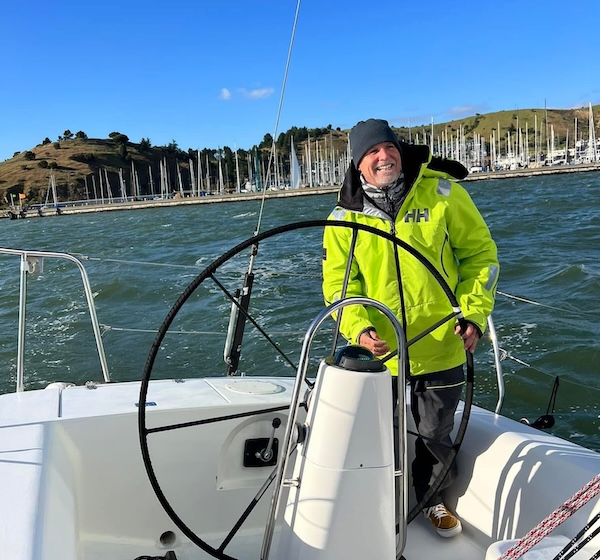
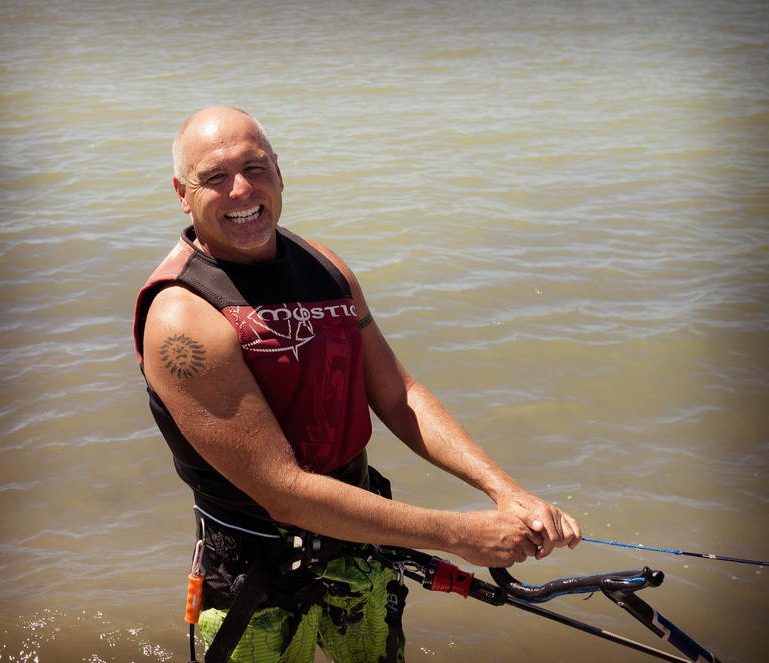
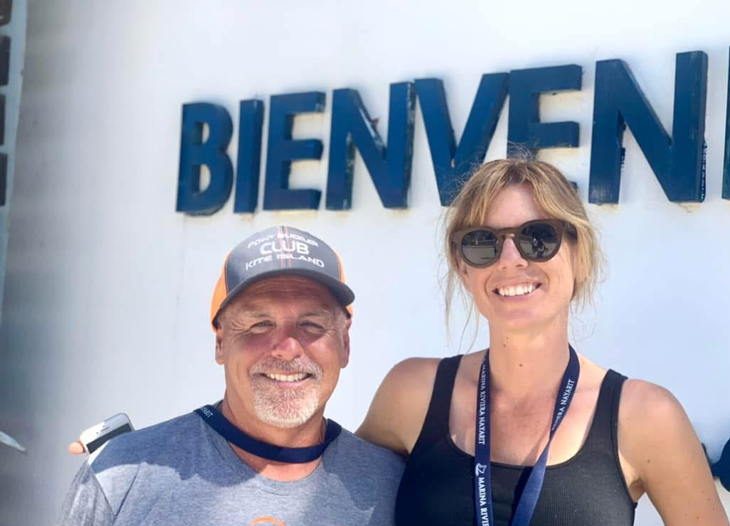
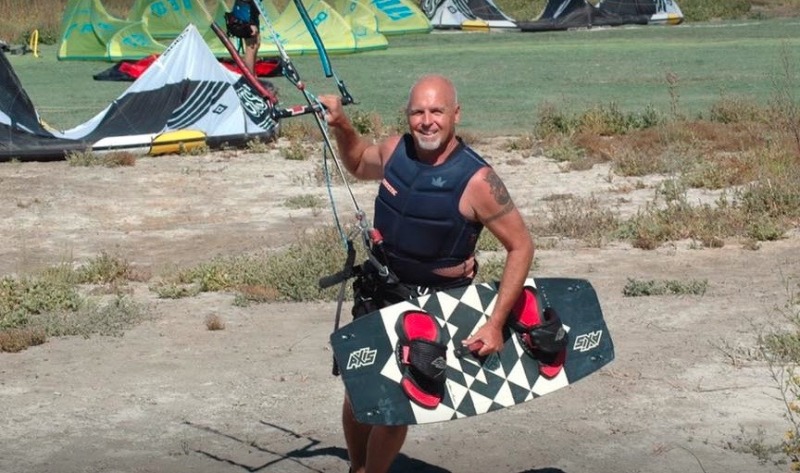
This week’s we chat with accomplished Bay Area sailor John Sweeney about the latest in AI sailing and AI lawsuits. John Sweeney won this year’s Three Bridge Fiasco and has a storied history in the America’s Cup, El Toro nationals, and Baja Ha-Ha.

Tune in as John Sweeney shares with host John Arndt about his foundational role in sailing sponsorships, his fascinating lawsuits related to the America’s Cup and Point Buckler Island, how AI is already changing sailing, what we can do to keep the human element of sailing, and how we can make racing better.
Here’s a small sample of what you will hear in this episode:
- What are the key violations of The Deed of Gift?
- John’s journey into the America’s Cup, from Young America to Oracle
- What got John started in sailing as a kid?
- What is John’s dream boat for a Pacific cruise?
- How could cost controls make the Cup accessible to smaller nations?
Listen to the episode on Apple Podcasts, Spotify, and your other favorite podcast spots – follow and leave a 5-star review if you’re feeling the Good Jibes!
Learn more about John Sweeney at JohnDonnellySweeney.com
Check out the episode and show notes below for much more detail.

Show Notes
- John Sweeney on AI Sailing & AI Lawsuits, with Host John Arndt
- [0:14] Welcome to Good Jibes with Latitude 38
- [1:06] Welcome ahoy, John Sweeney!
- [1:34] John’s sailing highlights, including winning the Three Bridge Fiasco
- [3:54] What got John started in sailing as a kid?
- [5:16] From El Toro Nationals to college sailing and becoming a yacht broker
- [6:39] How John launched the Citibank Cup at Pier 39 and pioneered sailing sponsorships
- [9:53] What inspired John to do the Baja Ha-Ha with his wife?
- [13:39] Learn more about Shearwater Sailing at ShearwaterSailing.net
- AI Sailing & AI Lawsuits
- [14:08] John’s journey into the America’s Cup, from Young America to Oracle
- [17:29] Why John filed a legal complaint with the New York Attorney General over the America’s Cup
- [19:53] What are the key violations of The Deed of Gift?
- [24:09] What would a reformed America’s Cup look like under John’s Clarity Act?
- [30:40] How is John using AI tools like Grok and Claude for lawsuits and race strategy?
- [32:15] Learn more about Shearwater Sailing at ShearwaterSailing.net
- Point Buckler Island Lawsuit
- [35:47] Could robots and AI sail the America’s Cup within one more cycle?
- [43:51] How could cost controls make the Cup accessible to smaller nations?
- [48:52] Update on the Point Buckler Island lawsuit and federal racketeering case
- [53:34] What does John’s sailing life look like today, including Moore 24 Nationals
- [55:52] What are the biggest challenges facing sailing and Latitude 38 today?
- [1:00:37] What’s John’s dream next boat for a Pacific cruise?
- Check out the March 2026 issue of Latitude 38 Sailing Magazine
- Make sure to follow Good Jibes with Latitude 38 on your favorite podcast spot and leave us a 5-star review on Apple Podcasts
- Theme Song: Pineapple Dream by SOLXIS
Transcript
Please note: this transcript is not 100% accurate.
00:03
That’s really just not what the intent of sailing is.
00:14
Hey Latitude 38 readers and Good Jibes listeners. Great to have you aboard for another episode. We love talking to our West Coast sailors and sharing their stories on the podcast or in the pages of Latitude 38 or our digital newsletter. We have some amazing stories in our new March 2026 issue and over 500 issues online and over 200 episodes of Good Jibes at Spotify or Apple podcasts, wherever you happen to listen to podcasts. We’d love you to give us a review.
00:43
give us a thumbs up. helps us reach more of an audience and helps us keep bringing you good jives and latitude 38 and keeping coverage of West Coast sailors. So please stay aboard, up, sign your name to our email list, and we hope to see you soon on the bay, on the coast, or somewhere sailing around the world.
01:06
So, ahoy, it’s time to cast off, laugh, learn, and have some more fun sailing. And this is John Arndt. I’m the host of today’s episode of Good Jibes. I’m also publisher of Lata 238, the magazine for West Coast sailors since 1977. And we’re glad to welcome aboard another well-known Bay Area sailor, John Sweeney. Welcome aboard, John. Thank you very much, John, and great to be on your podcast. Yeah, great to have you here. uh
01:34
I gotta say this, John, look at all the stories I’ve known from his sailing life. It includes the Baja Ha Ha, kite boarding on the bay. I remember way back to the Pro-Am City Bank series in 11 meters off of Pier 39. You’ve done a lot of stuff. And then there’s a lot of America’s Cup stuff wrapped in there. So we’re gonna be able to talk about a number of these things. Probably can’t cover it all, but most noteworthy, I think, is he won the Three Bridge Fiasco this year.
02:04
with Will Benedict aboard his J105, Will’s J105, Advantage 3, which man, that’s a tough race to win. Great job. Thanks. Yeah, think, I mean, I’ve probably sailed, oh man, I mean, I must have sailed at least 25 of those things. And I think, you know, in the Bay, there’s some interesting regattas every year, you know, obviously big boat series, but I think for all of us,
02:29
who really enjoys sailing double-handedly with 300-boat fleet. think winning the Three Bridge has got to be one of the coolest achievements in Bay racing. So we were doing it actually because Will’s father had just passed away, and in honor, we were sailing his J105. And so it was quite a good day all around. just a side note, amazingly, Will won it three years earlier with his son’s skippering.
02:57
Wow, same boat. So he’s actually won it twice. think Bill Eklund has won it six times. He’s the record holder. So yeah, that’s going to be a tough record to beat six times. And even doing it once is, as you say, one of the most challenging things I think in Bay Area. It’s like, I get to really fun race because it’s such a sort of mini golf course, obstacle course, so many potholes and current eddies and wind fun. And then you got a heck of a lot of boats across. So it’s.
03:24
I do think it’s really a noteworthy uh race to win uh once, nevermind two or six times. I agree. And I’m very honored to have done it and put my name on that trophy. Yeah, yeah. Nice work. That’s a good one. So uh let’s see, before we get into all the rest of things, I’d love to just get a story from your sailing uh career or youth or something that, know, sailing’s been a big part of your life. And maybe what’s something that started you out that made it so compelling and
03:54
and became so important in your life? Well, I grew up sailing at the San Francisco Yacht Club and Richmond Yacht Clubs. My parents, we lived in Tiburon, so my parents put me in junior sailing when I was seven years old. So it was one of those things where, don’t know if you, I mean, wasn’t good at sports, but I felt like sailing was a natural thing to me. didn’t seem that, I’m not saying it wasn’t difficult. I just felt like it was my natural sport. Yeah. At the time when I was about 11 years old,
04:23
My parents had a home in Tiburon they were renting out and they rented it to a fellow named George Dip Reyes who owned a Swan 57, which was sailing in the big boat series. And so at the age of 11, got, he allowed me to crew for the whole big boat series on his Swan 57. And that really like opened my eyes and I saw the potential of sailing. And that pretty much was my experience.
04:50
to just jump into sailing and really want to be in it. I’m pretty fortunate to sail on Primavera in 1981. And that’s how it started for me, I think. Yeah, yeah. Well, I think that sounds like a great formative experience. 11 years old in the Rolex, the big boat series on a Swan 57. Not a lot of kids get that opportunity. Yeah, that’s pretty cool. So
05:16
I guess, where’d you go from there? I mean, that’s a big boat. You didn’t jump into big keelboat racing. Maybe you got back into dinghies, but what were the primary boats in the ladder there? I think, for all of us, El Toro’s were the big thing. And I won the Nationals in 1984, which was kind of the beginning of my little sailing celebrity as a youth. And then myself and Morgan Larsen and maybe uh Seaton were pretty much the
05:44
our era of competitors and we always battled in everything from lasers to Sears, Bema, Smythe to the Congressional Cup. one of us would always be one, two, three in some way, or form. mean, I’d argue that Morgan is clearly the superior sailor. mean, Seedon’s really good too, but I’m kind of at the bottom of those three, but I enjoyed competing against them. And then I was also big into surfing, but I think
06:11
After college, I sailed at Orange Coast College as well. think I got back into it at 21 years old, I saw an ad for city yachts to become a yacht broker and I just finished my stuff to become an architect. And there was really no jobs in that era and I really wanted to be in sailing. So Kaplan hired me, I think when I was 20 or 21 and immediately he had the 11 meter that he had just bought at the dock and that really sparked my interest. that’s.
06:39
where I jumped into sailing and really saw the opportunity to actually start sponsorships. Started the city bank cups at Pier 39, which I think ran for like 10 or 12 years, twice a year. Yeah, yeah. I mean, that was amazing. And I got to say, I think I was right there at the beginning of that. And I remember going down at Pier 39 and hanging latitude 38 banners and all the stuff. was great fun.
07:04
That was pretty early on in the sponsorship scene, I’d say, or like moving it out of the America’s Cup and the very few places that were sponsors at all. Like, how did you spot that? I mean, you were a really young guy and jumping in and getting Wells Fargo, I think, and Citibank both sponsored it at some point. I mean, how’d you swing that? I think uh having seen that, I think just a couple of years prior was, I think it was the ultimate sailing DuraFlame series.
07:34
that happened with Blackall in those days. think first it was in maybe you can correct me. I think it was in Catamaran’s and then it was in Ultimate 30s or maybe vice versa. Yeah, the Pro Sale 40s or something. Yeah. Yeah. And so that obviously they were leading the way and they did have some sponsorship. So my initial idea with Paul was, look, if we can get people locally to sponsor an 11 meter, I can sell one, give the guy a set of sales, which reduces his price by 10 grand.
08:01
He sales for a year with McDonald’s or Sebastiani Vineyards or any one of the sponsors we got. It gets me more boat sales and then it builds the fleet. And then it went pretty quick. So I think we sold like 20 boats in two years but then we hit the wall of the yacht clubs and the St. Francis where I was a member also at the time was adamantly opposed. You can probably remember in 1994, they said we couldn’t, you know,
08:28
park the boats at the yacht club because they had sponsorship on them. And I ultimately got kicked out of the St. Francis Yacht Club over that dispute and my violating their, you know, thing of no sponsorship. used to take the 11 meters down, drive them down the road and put them in the hoist at St. Francis. And so eventually the board voted that there would never be sponsorships at the St. Francis Yacht Club. The irony of course is.
08:54
Five years later, they couldn’t even afford to have a regatta without Rolex or not gay. So I was a little ahead of the curve and I got a little bit punished for it, but the Citibank cups did well and the 11 meters did well. So that was fun. Yeah, yeah, yeah. No, that was a great era. Actually, I haven’t seen 11. Are there any 11 meters still around? There’s one for sale on Craigslist for 4,000 bucks right now. I think one of the boats that fell off a trailer, maybe Hulse’s boat. I think there’s a few sitting at Richmond Brickyard Cove, but
09:24
I haven’t seen any real e-racing in a while. Yeah, yeah. No, that was a great era. Well, that was, course, a lot of clubs, you know, and actually we’re going to get to this because you’re kind of battling now in the America’s Cup for tradition. But one of those traditions, though, was Corinthian sailing. you know, obviously we’ve got issues with pros in sailing and the money in sailing. And it’s a real challenge to fund sailing, but also keep it, you know, somewhat amateur in Corinthian.
09:53
and try and balance those forces uh out. I know clubs have been reluctant to go that way, but uh times are changing. you certainly were part of making that change with the Citibank Cup. That was great. And you had a great group of skippers in that. Before we get into the America’s Cup stuff, because a lot of this history is racing, but what about the Baja Ha Ha? And how much cruising? That was pretty fun. What did you do and got you inspired to?
10:22
take a cruise instead of race. Yeah, I think it was, I can’t remember if was 2019 or whatever it was, but yeah, my wife and I, know, we, she had never sailed and I didn’t know her when I was sailing. I met her in 2009 after I had kind of retired. so another couple of ours, you know, said, let’s, you know, let’s charter a boat and go sail down, you know, and do the bah ha ha. And so, you know, it was something I had always wanted to do because
10:51
I always was racing and I never stopped to just enjoy it. I love Mexico. I love Puerto Vallarta. So we ended up in Puerto Vallarta and then COVID hit. So we were down there during COVID and when they closed the airport. I think cruising is a really fun aspect of sailing that I wanna do a lot more of. Unfortunately, because of COVID that kind of stopped it. And then my lawsuits eh took all my assets. So that was kind of a bummer. uh
11:18
Yeah, I’m sure I’ll get that again as we as we emerge from the rubble. Yeah, yeah. Well, cruising can be less expensive than racing, too. It could be you don’t have to kind of dial things up so much. And so maybe it makes it little easier to do that way as well. I think the difference is I think one of the cool things about sailing is anybody can buy a really good boat for like five or 20 grand, right? Some some old plastic boat that’s super safe. The problem is back when, you know,
11:47
Spindler and these guys are all enjoying Mexico slips were, you know, fairly cheap. Now it’s so fricking expensive, you know, like, you know, it’s twice what it is in the Bay area. So like, you can’t really cruise on a budget as well, which is a bummer, know? Yeah. Yeah. No, that has been one of challenges. think that’s, mean, obviously COVID changed the world and then right along with that was Starlink and a lot of people have Starlink and feel like I can work from my boat. So
12:14
You know, boats are in marinas and working from home or they’re there. You know, it really filled up Mexico and it is a beautiful place. Great marinas, but they’re pretty darn full, which uh good for them. But it’s expensive. Yep. Yeah. Yeah. Are you looking to spend some time on a serious offshore sailing yacht and you don’t have one? No problem. You can join Shearwater Sailing on their custom FAR 53 Fast Cruiser Atalanta.
12:43
They have a variety of sailing adventures just for you. From day sails on Monterey Bay, to coastal hops up and down the coast of California, or ASA sailing courses. And guess what? This summer, they even have a trip sailing to Hawaii and back. That’s right. These trips are fun, hands-on, instructional, and built for sailors like you, who want real experience on the water. Find more information about Atalanta
13:10
and upcoming trips at ShearWaterSailing.net. I have heard from Kevin that the Hawaii trip spots are limited, so you need to act fast. Departure is mid-August, and the return will be mid-September. And guess what? You can join either leg. You can sail to Hawaii, or back from Hawaii, or you can do both. Visit ShearWaterSailing.net to secure your spot now. Again, that’s ShearWaterSailing. uh
13:39
W A T E R sailing dot net. Outline a little bit of your America’s Cup story because you spent a lot of time in the America’s Cup before you got into the current deed of gift, gift lawsuits and things there or want to understand more about that. But yeah, I mean, I got started in 97. Ed Baird invited me to sail with the New York Yacht Club Young America for a summer, which I did. And then
14:08
I believe it was 98, I came back and was sailing with America one on the Bay while they were doing their dog and pony shows to try and get sponsors. And then at the same time was, you I think that was also the far 40 era and all that stuff. And I was a pro sailor and sailing with John Cutler from New Zealand. And we were doing the match racing circuit and he got hired as the skipper for America true. And so he ended up hiring myself and my friend, Brad Webb.
14:36
who we always kind of did the circuit together on all the boats. And so we went to America True. So that’s how I got started. And then in 2003, I was very fortunate. Cutler then moved to Oracle and they assembled the team. You they thought it was going to be this, you know, amazing thing. So I, hired me again to be the main sheet trimmer there. This is all on the B boat. was never a racing sailor. I was always, you know, the backup. Then we bought a bunch of America’s Cup boats ourselves. uh
15:05
and the challenge series in San Francisco with Ellison for a couple of years. And through that, um I was running those at the Sausalito Yacht Club and they decided that they wanted to have an America’s Cup challenge. So we put together a team for 2007 and we did not get the sponsorship in time, but we had all those boats and we had a designer and sailors. So we ended up merging our efforts with Sho Shaloza, the South African team. I became the sporting director of Sho Shaloza.
15:35
We brought D Smith and a bunch of people over. And so that was kind of my America’s cup stuff. retired after that cup and went into kiteboarding. So that’s where I left the cup basically. had a lot of people don’t know this had team New Zealand had won in 2007 against Dillingy. We would have been the challenger of record. So we had done the, we had worked for two years behind the scenes with Grant and
16:02
Team New Zealand and Terry Hutchinson at the time to come up with a 90 foot class to race in New Zealand. So yeah, I premise right now kind of goes back to where I left off in 07 where we would have been. Sausalito Yacht Club. The challenge of record in New Zealand in new 90 foot. I would call it IACC boats that were just lighter displacement, right? Full nationality rules, which is what New Zealand.
16:31
at that time really wanted. so, you know, that was the end of my cup experience. I really didn’t follow it much until the last cup. And I started to watch the foiling and the sailing and, you know, seeing I was never I never believed that you could sell the cup out of the country that your yacht club’s in. And one of the interesting things about the America’s Cup is that while it’s run technically as a data gift,
17:00
out of New York, unless someone challenges it, the New York AG’s office who oversees charities does nothing to make sure it’s running correctly, right? In theory, a bunch of teams can get together and decide whatever they want. And as long as none of those teams challenge that, they’re going to have cups however they want it. Whether that’s legal under the deed of gift is the whole other argument.
17:29
I’ve been watching it and I heard some commentary and then because my lawsuits now have sort of subsided and I’m now suing and I’ve gained a lot of knowledge, you know, using AI and representing myself. Um, I thought that, you know, the time would be right to, uh, go to the New York attorney general and, uh, file a legal complaint based on my understanding of the deed of gift. And so we can go through that if you want, you know, so.
17:58
Yeah, well, you know, I’d like to try and understand. mean, there’s two sides of this thing too, because I tend to, I think, fall in that generational group that just likes sailing in more traditional boats. When we saw humans running around on deck and sails going up and down and, and really an event that we understand as sailors and like to follow. And then there’s the sort of side of the story where it’s always been a technology race and there’s a lot of technology and we’re trying to evolve.
18:26
ah It’s not about just keeping the tradition. And the lawsuit stuff is sort of a separate track in a way from that sort of foundational sailors would like to watch sailing and to watch the IACC boats have 17 crew and then the last cup eight and now five. you know, really the humans are getting maybe unimportant as AI and robotics move along the trend line. So that’s
18:55
I guess I’m, you know, part of that for you, I’m assuming, is that just to see sailing return to the America’s Cup. And then also the deed of gift is, I guess, a channel to pursue that or drive that back into the way the cup is raced and held. Is that the case? I think it’s headed based on what this next cup, there can’t be any new boats built. They’re using the old boats, which is bizarre.
19:24
They’re sailing with only five people, no grinders anymore or cyclers. They’re allowing, you know, stored energy and batteries to operate everything. There’s no ropes anymore and everything’s push button. And to me, to me, foiling is illegal. So I don’t believe that falls in the deed either. So I would say that it’s a sort of overview of my lawsuit. If you read the data gift, it’s very simple. There’s only about 10 elements in it. And that’s one of the beauties of it. And one of the big
19:53
problems for it. And you have to look at the lens of 1887 when it was installed. And clearly back then, foiling hadn’t even existed yet, nor did stored energy, nor did wind instruments. So there’s a line of stuff that may or may not be legal. But what Grant Dalton and Team New Zealand or the Royal New Zealand Yacht Squadron are doing is the biggest problem is they have a protocol now, the ACPI, that’s 700 pages.
20:23
If you want to sail in the America’s Cup, you have to sign it and it guarantees that you’re bound for all the next Cup cycles to adhere to essentially Team New Zealand’s rules and that they have the ownership over the teams. You can sell them with their approval. They’re trying to basically take Russell Kutuz’s sail GP, Ellison’s, and make that into the Cup, which is illegal because under the Cup, every time the Cup is won,
20:51
A challenger can always make a challenge in a new boat or a different design. Now the other people can accept it, but you can’t bind everyone forever. That’s actually bypassing the deed of gift. So number one is the way that they’re running the event going forward. I think clearly violates the deed of the gift by not allowing any future changes or challengers to ever just come forward and race. number two foiling of these boats, the waterline lengths that are required for
21:21
the deed of gift, every yacht that sails in the Americas Cup must submit a certificate with loaded waterline beam draft. And in these new boats, they don’t even measure those points. The measurement certificate omits all five of the required deed of gift measurements. So these boats in the last cup and this cup cannot comply regardless of whether they’re foiling or not. They don’t have the measurements.
21:48
They don’t check them there. They don’t have stations for that. So it’s kind of like NASCAR. You finish a NASCAR race, they go up on jacks, they check all four tires, and they measure them with templates. And what Grant’s doing is saying, we’re just not going to measure the boats at all. We’re just going to say that the new rule complies and don’t look at us. And that’s not going to fly. So the other thing is that I’d say the most important
22:15
you know, aspect is also nationality and stuff and hosting a, you know, an America’s Cup from Royal New Zealand Yacht Squadron. The only person that can sign any documents under the data gift is the Yacht Club. So you cannot sell it to an organization for profit. Charities by law cannot be for profit. So Royal New Zealand Yacht Squadron sold the America’s Cup to Grant Dalton’s company, who’s now implementing all the rules.
22:44
which cannot be done. And also the Royal New Zealand yacht squadron doesn’t have a regatta on an arm of the sea in Italy. So they can’t host it in Italy, in my view. So that’s my perspective. And the last most important thing is people think, oh, you have to file a lawsuit. In 2014, ah it’s called Africa di Sporna. They sued Golden Gate Yacht Club to clarify the deed of gift. And in that ruling,
23:11
It clearly says that the New York Appellate Court or Supreme Court stated that the AG’s office can open an investigation on their own as with any they run the charities and they can remove a trustee or add a trustee. They don’t have to go to court. So my whole premise of this was I thought instead of filing a lawsuit in court, which most people thought you had to, I filed it with the AG first. He’s reviewing it.
23:40
through multiple emails to decide if he’s going to join me in a suit or if he’s just going to open an investigation. So as of right now, I don’t know, but I would assume in the next week they’ll make some sort of public comments and we’ll know where it’s going to go. Oh, really? So within the next week, you expect to hear some, an update somewhere this is going. Yeah, I think so. And, uh, members of the New York yacht club have contacted me as well. And there’s a, you know, an interest from them to write.
24:09
the ship sort of, you know, and, and get this back. You know, my idea is to provide what you would call like a clarity act for the deed. And that would be to, you know, put it in 90 foot waterline boats with 20 sailors, a single mast and like maybe two other things that make the deed of gift easier to do in the modern era. You know, no, it has to be sailors only, no engines, no batteries.
24:37
You know, and you know, AI, you know, it just has to be sailors in big boats. Some will argue that, you know, that’s archaic or whatever. A lot of people like foiling. I get that. But we have fortunately, sail GP, which there’s no way you can overflow. Ellison has the most money in the world. He wanted that to do well. It is. I mean, the America’s Cup run every four years is never going to catch up to sail GP period. Yeah.
25:03
Yeah, well, I, you know, I, course in that camp, I really liked the tradition and I sort of think we’ve tried to make a commercial thing with this foiling. And I look at the rest of the sporting world and just finishing the Olympics. think, you know, the Olympics wants to see all this zippy stuff, but they just showed curling seems to get an unusual amount of coverage, you know, and the world watches curling. watch golf on TV. They watch poker on TV, you know, and chess. So I don’t think.
25:33
speed is, you know, it’s, I also think of the Kentucky Derby, you know, like, it’s just a tradition. And it’s a wonderful thing. And I’m not a horse person at all. But I think that stands out. And I think the America’s Cup, you know, really could save serve that same role in sailing. We don’t need another commercial spectacle. But, but anyway, that’s, but that’s, that’s sort of uh my sense of it all. But
26:00
The other thing I’ve read in some of the commentary is just the idea of mutual consent between clubs. mean, can mutual consent, you know, the clubs can decide to race whatever they want, the challenger of record and the defender. But you’re saying actually the deed of gift, have to live, do that within the constraints of the deed of gift. Right. Yeah. I mean, the deed of gift has say 10 commandments. Those aren’t alterable that that you have to work within that. So for instance, mutual consent would be, you know,
26:29
when and how do we measure the boats? Is there going to be a Louis Vuitton Defender and Challenger series? Do we want to have a round Robin regatta of 10 races or six races? That’s mutual consent. Do we want to host it on starting December or in January? That’s mutual consent. What isn’t mutual consent is changing a class of boat that doesn’t fit within the data gift requirements. So the boats right now simply do not have measurement certificates.
26:58
that are valid America’s Cup boats under any rule in the data gift. So they are illegal and no yacht club. There is nothing in the data gift that says it’s does. If you read the data gift as a whole, remember 1887. Yeah, I’m like a sail to England to race with their crew. We won and then sailed home in the old days. You were required to sail to the destination, so you would obviously sail with your national people. And I was.
27:26
battle of nations that built a boat in their nation, right? And I think that’s very clear that that was the intention. And so, you know, I just think that it has to be held in the country where the Yacht Club is. I mean, the Swiss Alinky got away with it. In my view, everything after 2003 has been run illegally. Whether or not the attorney general shares that with me, I don’t know. Yeah. So that’s my contention. So.
27:53
Yeah, well, and now and just taking this on as yourself, do you have allies? mean, New York Club, I’m sure has interested parties and there’s a ton of interested sailors in this effort um to maybe bring it back to its traditional roots. um But is anybody else joining you in this lawsuit or is this you sitting here taking it on? So there’s several problems for a lot of people.
28:19
I think that most people in the cup, aside from Team New Zealand is forcing this down everyone’s throat, would probably love to see this go a different way, but they’re kind of stuck because they raced in the last cup. So like take for instance, New York Yacht Club, their dilemma is, and my dilemma is, they sailed in an illegal cup with the legal boats that they knew and their board of directors approved that. So.
28:45
In law in standing if they now stand up and say grant you’re doing something wrong Yeah, i’m turn around and say well you were in it with me So it couldn’t be that wrong, right? So as much as I would love to have new york yacht club join me I don’t know if there would be a help at this point at all due to their conflict of already competing now I think what they can say is there’s a new commodore a new board of directors and they could say We screwed up
29:14
and we want to clean this up and let’s join, you know, in some way, or form and help them. I’ve had some other former teams that are not participating contact me. And I think the problem for all of them is that at some way, or form, they’re still tied to the current last generation of the cup, which makes them a party that has a problem as far as standing in court. So, you know, I don’t think
29:42
It needs anyone else to be honest. This isn’t about money. The New York Yacht Club, some of the members of voice that, you you need to have huge law firms and know the judges. I’m like, you haven’t read, you know, the last lawsuit case, which clearly says this can be done without going to court. Now the AG has the ultimate power to decide what to do next. So if he decides for him, maybe safely, he wants me to file the lawsuit, which I can.
30:11
Or he can join me, or he can file his own lawsuit, or the best scenario that I have shown him is that he simply has the power to police it as is. And I think that’s my hope that he will agree and he will move forward and start an investigation. So. Yeah. Amazing. I guess the other question, you know, is AI and doing all this lawsuit stuff? Here we are in Silicon Valley surrounded by the epicenter of uh
30:40
AI and you’ve been using Grok quite handily for lawsuits and also for the Three Bridge Fiasco. Yeah, I don’t want to spend a lot of time in the technology AI world, but obviously a huge topic. But how’s it working for you as far as sailing goes and or lawsuits? It’s an amazing tool and it’s gone on so much.
31:05
I’ve filed a racketeering lawsuit against the federal government for $600 million that’s been going on for a year and a half now. And, you know, it’s doing great. And it’s kind of what you put into it. mean, chat GP can’t do law. Everyone’s kind of cited that. think Claude and Grok are phenomenal at law, but again, you have to know, you know, and train it what to do. I mean, you have to know enough about law. I’ve been in court for 12 years.
31:31
I think I could pass the bar. I may not be a lawyer, but I know what to tell it. And you have to check the case sites very closely. So I think it’s more than capable. In fact, in most cases, law firms have biases or they work with judges all the time. And sometimes they won’t file the case you need because of all sorts of different conflicts. And I think AI cuts that out and you can actually file what you want that no law firm would actually file because of too many
32:01
Other things and in getting factors. Yeah, in sailing. think it’s clearly we’ve been trying grok a bunch and you know if you put in the the buoy data, you know and you tell it to look at the depth of where you’re sailing and analyze, you know tides and you can use the Bay model if you tell it enough information to look for. You know it’s been fairly accurate so. You still have to like the you know the three bridge fiasco. It told us the correct way to go, but again.
32:30
you still have to sail through every hole and do it 10 changes and figure it out. It’s not going to win you the race maybe, but it’ll definitely help you go in the right direction. Yeah. I think that’s interesting from a PR or managing race technology in boats because I do think AI is pretty cool. I’ve been using it more to explore things and obviously you’re using it a lot. But also like the Defense Department,
32:55
And keeping Anthropic out of their thing is because they don’t want civilian surveillance. want, but Anthropic wants guardrails. But I’m thinking sailing probably wants some guardrails around the use of the technology too. should you have AI as your navigator, tactician around the race course or on the way to Hawaii? I don’t know how you, again, like going to court with this stuff, it’s all about the rules and how you play the game. know, do we allow foiling or where do we allow AI?
33:25
And I don’t know if you’ve thought about that in the three bridge, like, cause it is fascinating to see what it comes up with with a race strategy, but it seems unfortunate if the human element is removed in sailing just like in the America’s Cup. Yeah, no, I agree. And it’s outside assistance, so it’s treated the same as like a coach, I think. And you should technically, if you’re using it, stop using it 10 minutes before you start. I mean, I think that would actually be
33:53
someone could protest you. I don’t know. I don’t think you can use it. There’s nothing in the rules yet, but I would think that the next thing that will come is that you can’t use AI while you’re racing. Now on the Pacific Cup or the Transpac, AI would be very simple to use because all you’re trying to do is you’re looking for the lows and the highs and the winds, and that’s it. You already know where the finish line is, right? And it’s not so much current related. So I think it would be very accurate to pick your course based on
34:22
very simple current conditions around you that you can get from lots of, you know, from weather mapping. So my guess is that most AI, unfortunately, but it would all come to the same conclusion, which would the fastest track for all boats. So in essence, you’d all be going exactly the same course. So I think whoever uses it this time will find, you know, that it will pick the correct course for sure in the shortest distance, but I don’t know if that’s going to be allowed or not.
34:50
Yeah, well, it’s an interesting question. And of course, I think for all the people who are reluctant or don’t want to see AI take over the world or use it at all themselves, it’s sort of hard to avoid because it’s kind of embedded in so many things like NOAA is going to and weather apps. know, if you’re looking on Windy or whatever apps you’re looking on, it’s probably AI. so you really, I don’t know how you make rules around this stuff, but it’s going to be an interesting
35:20
Dilemma is this, you know, move forward and see how to, you know, can you, can you create rules around it or not? Right. Well, that was the final part of my cup thing is if you look forward only one more cup cycle ahead, right? It’s very clear that with the robots that they’re building with AI, there’s nothing stopping Dalton and these guys from simply running boats, sailed with robots via AI fighting.
35:47
world’s best AI and that isn’t that far off because if you’re going to use full computers to do trim and leveling of the boat and the driver is really just there to prevent a last minute crash or to override a system like a pilot in a plane really, that’s really just not what the intent of sailing is, know? And I think that, you know, the AI aspect and robots could easily be in the cup in one more cycle. So
36:15
Part of what I’m trying to do is to just simply cut that off at the pass now, since Grant’s already going down this thing of using batteries and using all computers to basically sail the boat. I think it’s time to put some guardrails on the D to gift. Yeah. No, I think, mean, just having seen the Olympics and what we like about Olympics summer or winter is the people doing the sport. mean, what’s
36:43
Sailing is difficult because there’s just naturally a lot of technology involved in sailing. uh There’s a lot of equipment around it versus the 100-yard dash or uh curling. Those are all very much humans, and it’s the human tension that makes sport fun. Otherwise, racing robots against robots is more like a video game, and the human tension doesn’t really seem to exist and make the sport fun to participate or watch in.
37:12
No, And one of the things that I told the AG is, you know, after 2007, essentially, you know, when Larry challenged in the and everything kind of went sideways after that, like we had a lot of in 2007, I think there was 14 teams, each team has, you know, probably 40 sailors on each. And after that cup, everyone was unemployed. And I’m a professional, I was a professional sailor. And if you put me on a foiling America’s Cup right now, boat.
37:41
I can do nothing on it. Yeah, that’s a problem. If a sailor who’s a professional can’t operate an America’s Cup boat, that’s not sailing, right? It’s flying. So flying and sailing are not the same. So I think that’s another contrast. Yeah, no, absolutely. I think again, as we raise kids up along the shore and teach them how wonderful it is to sail on San Francisco Bay, what a beautiful activity it is, what a great community it is. And then they get to a point where, yeah, they’re just
38:10
software programmers with a keyboard and a mouse and that becomes like, what are we talking about here? I don’t know. It doesn’t make sense. Yeah. Huh. So how friendly are you with the AG? How does that work as far as communicating with a New York attorney general? So the attorney general is, I think her name is Alita Jones. She is not the person. that how it works is
38:39
uh charities in New York are overseen by the AG’s office and there’s a head of the charities division. there’s Mr. Sheehan is the director. He’s an AG officer and he’s director of charity. So he oversees like the Rockefeller Trust, like any giant trust that’s, know, think of it as a trust is usually someone who passes away. And they, have to remember they’re
39:07
their will is set in stone and what they want to do. And the trustee being New Zealand, Royal New Zealand Yacht Squadron is tasked with keeping the trust going in the way that the people wanted it. so, but again, unless someone brings it to his attention, he’s not gonna do anything, right? But it’s also bound by law now that I’ve exposed the deficiencies in what’s happening.
39:35
He can’t not do anything, so he will have to do something. Ah, interesting. Okay. 1857 trust. I don’t know when all this trust law was written, but that seems like it be pretty early on, and maybe one of the first trusts is, or maybe, I don’t know, maybe that started the English law was here, trust like that were before America was even America. I think it’s trust law that came from English law. It’s 1887, Shiler.
40:02
from the New York Yacht Club did that. Actually, he had passed away and then the New York Yacht Club had had the regattas. So they tried to do the best they could, assimilate what he wanted and created the deed of gift. It’s been updated three times. In 1956, it was updated for the first time where they wanted 12 meters. And so they changed the waterline length from 60 feet minimum to 44 feet to accommodate
40:29
12 meters, also changed the construction to wide open. That’s why the Kiwi plastic fantastic big debacle in 87 happened because fiberglass or any material is allowed right now. So currently, if you have a single masted boat under the D to gift, you can have a 90 foot water line down to a 44 foot water line. If you have a two masted boat, it can be a 90 foot water line to 130 foot water line. So those are two crazy different things you can have. Oh, wow.
40:58
Yeah, interesting. And then, is there any like design or would you be going after say building limitations to like, would it have to be built in the country of? My theory is that everything has to be national period. So construction, sailing team, design team, people that run the team. It’s a national event for the people and it’s birth certificate people, not what we did in Auckland where you had to have two years residency. So.
41:27
It would be unfortunate for a few people, but mostly it would give countries a chance to have and raise sailors to do stuff that only they can participate in. So for smaller countries, that would be great because they could then they don’t get blocked out by being able to just hire some pros and kick out all the local people. So I think you have to build the boats in the country, ah everything. And I think you’ve got to sail with all
41:56
people that were born in that country. it has to be within, my thing is it has to be within 50 miles of the historic yacht club that challenged where they have their regatta by the sea. So for us, if it was St. Francis, you could run it out past the Farallons or down by Monterra or Pacifica, but it has to be within some, the point is not to sell it. So if you don’t want to challenge from that yacht club, then,
42:24
Challenge from a different Yacht Club, you know? And just as a final reminder, the Yacht Club is the person that holds the trust. They are responsible legally to adhere to it. They also have to be the only ones that can assign stuff. So, you know, this huge new ACPI agreement for 700 pages that binds everyone forever in the cup, clearly, you know, won’t hold up. But again, no one ever works specifically in New York trust law. So Grant…
42:52
writing some documents in New Zealand law has no bearing on how it’s going to be. You know, that’s just he’ll never win that one. You know? Yeah. Yeah. Well, and not winning that one, that is that part of your is that a separate part of your lawsuit? That’s all part of it. That’s part of it. So I think if you I would just say there’s, know, the boats don’t comply is number one. It’s being run in the wrong country. Number two, the ACPI is illegal because number one, it lists the wrong boats and it also
43:22
binds future America’s Cup winners, which the data gift doesn’t allow. And so I see those are the three core elements and nationality. Yeah. Yep. Wow. Yeah. I I guess the other question I could people, obviously, it’s always been uh a contest between a lot of money. But a lot of people want to grow the number of boats like we used to have 10 challengers is to kind of have some kind of cost control mechanism. Even 90-fit single mass that’s displacement hulls
43:51
of some sort, there’s still a lot of money that can be spent to these boats. Is there a way to keep smaller countries in it with local sailors and actually have them, everybody wants a shot at winning? That’s where mutual consent could come in. So I think most people who would argue the New York Yacht Club, Tom Eamon, all the people is that the deed is the deed and make the least amount of adjustments to keep it on track.
44:20
If we stick with say a 90 foot water line, single mast with like a 24 foot beam and a 15 foot draft and just say that’s the parameter, right? Then challenge in that, then the two clubs have the right, obviously to create the mutual consent of let’s make a class like IACC, right? And that’s how you do that. But again, after that cup cycle, the deed does not allow it to continue unless there’s a mutual agreement again. And what it’s simply saying is
44:49
by participating in this next cup, you don’t get a choice ever again. This is how it’s going to work. I own your team’s rights and essence, and I’m going to profit every time you sell the team or do something with the team. And that’s just not envisioned in the deed sale. Yeah. Yeah. Well, you know, and that’s where I could look at sports or these activities like the Kentucky Derby where they’ve just, you know, it’s a great tradition and, you know, there are plenty of spectacles and sale GP, as you said, has been successful.
45:19
New York Yacht Club is now owns a sail GP team, right? Yeah, well, no. Yeah, they do. I DeVos bought it. They had a separation, so I don’t know if they’re I would imagine it’s New York Yacht Club. But, you know, I think we’re almost to the point, which is funny because me trying to get sponsorship so much as a kid and helping sailing, I’m almost to the point where maybe the America’s Cup should be a yacht club run event, no TV. And it’s more about, like you said, the event, the
45:49
history and let, you know, sale GP do the TV stuff and go back to, you know, when we’re Lured courses. mean, the deed says they have to be 40 miles long, you know, so it is someone might win by 40 minutes, but you know what? Who cares? You know, it’s like make it pageantry. Maybe he needs to go back to non, you know, more or less Corinthian and less worrying about sponsors. You know, I guess that’s my sense too, is that, when you make it commercial,
46:18
You know, what everybody wants, like SailGP is spectators. But you know, what sailing really wants as a community is participants, not people watching. They want people doing. yeah, I mean, nobody’s going to go out foiling. mean, people do foiling. Foiling is super fun. don’t know. Obviously, know, kiteboarding, wing sailing, all this stuff, it’s a gas. you know, most people get to the weekend and they want to say, slow down. I mean, really.
46:45
That’s what you want to do. A majority of people and a lot of people sail to just slow down, not to speed up. Well, my argument is that people said, oh, in 2013, when they’re in catamarans and in Bermuda, it’s going to blow up and people are going to buy catamarans and trimarans. Well, they didn’t. No carryover. And we had the biggest turnout in the Three Bridge Fiasco. I think there was nine or 10 multi-hulls, which is out of 300 boats.
47:15
That’s nothing. So, there was, and there is now a foiling, what is it? A 30 foot boat at Richmond yacht club that has those big C foils on it, you know? And so, but it can’t dock anywhere because it’s got, it’s not, you know, that it’s not going to trickle down that way, you know? Yeah. Yeah. No, I mean, it’s certainly like multi-hulls as you say, I mean, these things are fun for, for people, but they, uh, but monohulls are just going out there and a J 105.
47:42
or Alerian 28 in double handing or the Three Bridge Fiasco is a guess. And that obviously still attracts the majority of sailors that really want to sail.
47:54
Ahoy! Ryan Follin here, one of your Good Gybes podcast hosts. And I’m here today to tell you that this episode is brought to you in part by a past Good Gybes guest, Kevin Waspauer of Shearwater Sailing. If his story stuck with you, you can actually go sailing with him. Kevin runs Shearwater Sailing aboard Atalanta, a custom Far 53, a fast performance cruiser. They offer everything from day sails on Monterey Bay to coastal passages
48:24
up and down California to ASA sailing courses and offshore trips. And coming up soon, they are sailing to Hawaii and back. That’s right. The Hawaii leg departs mid-August with the return mid-September. And spots are limited. You can join either leg to or from Hawaii, or you can do both legs. To learn more about Kevin and see what’s on the calendar, head over to shearwatersailing.net.
48:52
That’s ShearwaterSailing.net. S-H-E-A-R-W-A-T-E-R, sailing.net. Maybe to switch gears, do you want to share any more updates on your other GROC-supported lawsuit or what’s happening out there at Point Buckler? We don’t have to go to that. I know, it’s fine. a quick update on where that all stands. Yeah, yeah. So I think everyone followed mostly in last year, the…
49:20
Water Board took the property and sold it to John Muir Land Trust. uh it was a sort of a pre-arranged uh auction where there was no bidders. We were all there, but they didn’t allow any bidders, which is called bid rigging. And so they wanted it to go to John Muir Land Trust who didn’t pay a cent for it. They just got given the island basically. I thought there was a $3 million figure or something thrown That was the judgment that I owed. oh
49:47
And the water board assigned it for them to bid. so under the rules of the auction, it was supposed to open at $100 increments. The sheriff just said it’s pre sold to John Muir for $3.8 million. And everyone was like, wait a second, there’s other bidders here. And they all walked away. And then we got arrested because the judge said we still owed money, which we didn’t. And so it went into this big chaos and there was a lot of media there. then
50:14
I filed with Grok a racketeering lawsuit against all the people who had been using the property. Just sort of a backward story. The island was used by the government as a fish habitat for 10 years while I was owning it, but we didn’t know that. So they were profiting off the property. I blew the whistle. They retaliated against me. We sued and won a bunch of lawsuits, which made them more mad. And then they got us overturned on appeal. Then I have turned around and sued them.
50:43
And now the shoes on the other foot. And so we filed a tort claim in Solano County, which is a $200 million lawsuit. It’s now in discovery and the federal racketeering case. Should go into discovery in the next month or two. And so our goal now is they’ve taken our property, which is an illegal taking. So we want to get reimbursed. I spent, you know, $20 million suing them over 12 years, and I want to get that back. And, you know, it’s been a wasted 10 years of our lives.
51:12
So I think it’s an important one for the Bay Area because everyone who has a yacht club is stuck with the water board and BCDC. And understanding what they’ll do if they don’t get their way is very, mean, I know they’re trying to set an example. Hey, look at what happened to Sweeney. If you don’t do your permits or if you don’t just conform, we’re going to crush you. But someone has to stand up once in a while. although they didn’t give me a choice, but.
51:42
Uh, now we’re in a good position, you know, so, yeah. Yeah. What, um, I guess when, when we maybe hear our next, just update from the courts, just to get a timeframe or keep our eyes open for the America’s cup thing, you’re expecting to hear something in the next week or two. I think the America’s cup, what I’m pushing for is whatever the AG decides is to make a public, you know, a letter or explanation of where it’s going to go.
52:11
And I think that’s the time where other parties like New York Yacht Club or say St. Francis or anyone who’s an interested party could then voice their own opinion of what they want to happen. My thing was no one’s doing anything about it. I’m going to force this to be, before it gets too crazy, I’m gonna force this to be reviewed. I think that will happen in the next two weeks. On my other lawsuits, sometimes these judges wait six months, a year.
52:41
to a motion or an order. So I would hope that our Solano lawsuit, we can negotiate a settlement sometime this summer, but the federal case may take two more years. I don’t know. Yeah. Yeah. Wow. Well, you get a lot of energy. I’m amazed and admire your persistence with these things. And also, yeah, you probably could pass the bar, as you say. All this time, you’ve got a lot of experience and now uh a trustee junior lawyer in Grok, I guess. uh
53:10
Yeah, totally. So yeah, that’s great. Well, maybe just to switch back to sailing, I’d love to know what your thoughts are for your own sailing. You’re back on the water, racing the Bay on J105s, and with Will, and I don’t know, what’s your sailing life look like in the big picture, in the short term, long term, or thoughts?
53:34
Yeah, you know, I just, don’t really enjoy racing much anymore. It’s just with friends. So Will and I go way back. so, you know, I think he has a more 24 and a J one Oh five. You know, he’s a bar pilot now, or probably the might even be the head of the bar pilot association. really had a great life trajectory from America, one tender driver, Oracle tender driver, a Lingy tender driver, you know, tractor tug driver. And so I think, you know, we just enjoy sailing together. I prefer double-handed races personally.
54:03
Yeah, I think we’re going to do the more nationals this summer. I think, know, that should be the anniversary, right? mean, think Morgan’s running it. And I think he said there’s going to be at least 60 boats. So if you do not, if you ever did anything in sailing in this 80s, 90s or 2000s and you’re anyone in sailing, everybody should have a more 24 for that regatta because it’s just going to be the event probably of the decade with all of the old friends, you know, and it’s like.
54:32
great boats and you know, it’ll be fun. So that’s the only thing I have. know, Will and I do usually the round the rocks race. Um, I do the Fairlawn sometimes, but I try and do like five events a year. That’s it. Yeah, that’s fun. And then are you kite boarding still or are you foiling? This whole lawsuit thing, you know, I can’t go to Buckler anymore. So I just, I quit kite boarding about three years ago. I didn’t like foiling. m
55:00
kiteboarding on a surfboard or on a twin tip and I’m not into the wing thing. I mean, it’s great because it’s very simple. It’s kind of like surfing versus supping. Being a surfer is very difficult. Supping is very simple. so wing foiling versus kiteboarding is just two different things. And it was fun. I did it for good 10 years, but I think I just kind of got out of it.
55:23
So yeah, simpler fun things. No, well, I actually, when I got here in the eighties and was racing J 29s against Pat Benedict, and a 29 advantage. Yeah. So that was a, you know, he, well, it was just a kid then. And I guess I wasn’t that much older. I’m not that much older, but I’m older. Uh, but anyway, and he’s 51s, think. So yeah. Yeah. I’m older. Yeah. I’m well older.
55:52
So one question, you were in the heyday and Latitude used to have what, 300 pages. You guys are a lot smaller now. mean, how do you see, what’s the biggest problem in sailing these days on the Bay and the nation? Yeah, great question. Well, part of Latitude’s challenge is of course changing in the world. The challenge for us is publishing and just the nature of our friends at Google and Facebook absorbing so much of the ad dollars of the world. But then the other side of sailing itself,
56:21
I think it’s so much of a lifestyle. I think people, I think for sailing, uh we promote a lot about speed is everything or luxury is everything. But when you look back at the history of sailing, you know, it a Cal 27, it was a Moore 24, Express 27. And I think life was simpler. I mean, you know, there’s no doubt that life ashore has gotten more complicated, despite all these digital tools that are theoretically could free our time, but they seem to absorb our time.
56:51
Yeah. Productivity is supposed to be such a great benefit to all of us, but for some reason we have no time. You know, so I think that’s very fundamental. think young people, you know, at 11 years old, you were in the big boat series on a Swan 57. And I think that trajectory is so important. I got to say when I’m down talking to young people in sailing and getting, you know, there’s a ton of enthusiasm. We’ve got a new ad rep aboard.
57:19
Uh, Maddie Garcia is 28. She’s so enthused about sailing. started sailing with UCLA sailing team and Fritz Baldhoff is a new race editor who’s, young guy. And, and I, it’s so great because I know the energy’s there, but I think whatever access is, is so much more difficult. mean, price, you know, even though our slip prices are half of Mexico, you know, insurance slip, you know, there’s just a lot more constraints and it’s not as
57:49
Our lives are not as easy to just go out and chill for a weekend on a boat. And we’re stronger. And so I think just people’s mental framework is challenged. um then I think, uh you know, that’s what we are obviously trying to support is to people slow down, connect with each other, connect with the ocean, connect with sailing. of course, it’s Thursday. We have our crew party. So.
58:16
We’ve got almost 200 people signed up, or guess 150, 100 plus. so I think there seems to be a great hunger for it, but I think people are just challenged lifestyle-wise. That’s what means the primary barrier. Well, just think, from me personally, think latitude is, it serves such a purpose. It’s the Bible for sailing, and I’m appreciative that you took it on and are carrying it on because it has to be a passion.
58:43
I’m sure you could make more money doing other things probably, but it’s a very good thing for the community. I think hopefully, you know, maybe there will be a rebirth of, you know, simple sailing, you know, and there’s plenty of boats out there that people can go by and go enjoy. And you don’t have to buy new sales, but you can go Friday night racing on a Ranger 23 for a thousand bucks, you know, and have a blast. Yeah. You know, it would be great to see sailing come back around, maybe more Corinthian, you know.
59:11
Yeah, no, I totally agree. Actually, as a kid, because I grew up sailing and loved all the old boats, Ranger 23 and Gary Mull, Ranger 23 was one of my dream boats as a kid. And I cruised one up to Vallejo and back and around. It was so great. And they’re still here. And actually, I think there’s one in our classifieds right now. And there’s just these beautiful little boats that I think in the 20-foot range that
59:38
We’ll do a lot of people a lot of fun and not expensive. Some need to go to the dump. There’s no doubt that some have to be crushed, but I do think, uh I also think the other, other interesting trend is just hands on work. You know, the trades people are getting sort of pushed out by computer and like wearing a welding helmet for a career or, you know, being a plumber and actually working with your hands. think that’s becoming sort of a new opportunity for young people. And of course, having a boat.
01:00:09
Is a great way to learn all the things and really it’s fun. Yeah, totally. I agree. Yeah, I think that that could be an interesting aspect to change. But anyway, I think yeah latitude. Of course I took it on. been here forever. Richard did a great job starting something. The sailing community, customers, readers of the whole community is just a fantastic group of people and so obviously it’s a great pleasure to be connected to it and people like yourself and doing what you’re doing. So John is great so.
01:00:37
Hey, when I just ask you about besides like if you were going to buy a next boat, what would be a boat that you would want to get? 24 probably. You know, I think I want to do a pack up probably double handed with will. Don’t really want to go on something that’s smaller than 40. So I think some maybe like, I don’t know. Santa Cruz 50 Santa Cruz 50 or yeah, some Santa Cruz 40 would be fine. Olson 40.
01:01:06
Something like that would be fun to just, know, and then leave it there. Just donate it, sail it across with crappy sales, have fun and leave it. That’s probably, I’m not going to pay to ship it back. So, you know, find the best boat with the most equipment for 30 grand, sail it and leave it. Cause it costs 30 grand to get any boat back. So, know, anything you can, you’d probably be a net win if you just paid 35 grand for a nice boat and left it, you know.
01:01:35
Yeah, that’s it. Tell it to somebody who wants to take it on the next leg to Australia and sell it down there. Totally. That would be good. All right. Great. Well, John, great talk to you. Good luck with both your lawsuits. And yeah, we’d love to see what comes out. We’ll be, know, obviously keeping an eye on things and thanks for keeping me updated on these things because it’s important stuff. And I think for me, I’d love to see sailors back on the America’s Cup sailboats.
01:02:05
Oh yeah, has to be. would be fun. All right. Cool. Thank you so much. All right. Great talking to you. Well, thanks very much, Latitude listeners. It’s always great to have aboard a new episode of Good Jibes. And we’re heading into springtime. If you do want to listen to this and many past episodes, we have over 200 episodes of Good Jibes and Adventures of West Coast Sailors on our website. And of course, we have our monthly magazine and weekly newsletters.
01:02:34
And we’d love to have you stay in touch and be able to keep in touch with you and really welcome you and appreciate you as readers, as listeners, and also as West Coast sailors. Stay aboard. We’ll see you on the water soon. Thanks!